.webp&w=384&q=75)

Loading, please wait...
Loading, please wait...

Orbital floor fractures represent a significant portion of craniomaxillofacial injuries encountered in emergency departments worldwide. A recent study investigated how social determinants, specifically the Area Deprivation Index (ADI), relate to injury severity. This index measures neighborhood socioeconomic disadvantage by combining various social factors into a single metric. Interestingly, researchers found that patients from highly deprived areas often present with more complex injury patterns. However, the ADI did not significantly impact the total length of hospital stay or follow-up attendance rates.
Specifically, the study analyzed 1,255 patients to determine if neighborhood disadvantage influenced clinical benchmarks. The results showed that ADI was significantly higher in patients who suffered additional facial trauma alongside their orbital injuries. Consequently, clinicians may use the ADI as a contextual marker to anticipate injury complexity. Despite this correlation, initial clinical acuity and bodily polytrauma did not show a direct link to the index. This suggests that while social disadvantage influences local injury mechanisms, it does not necessarily dictate the overall physiological response to trauma.
In India, socioeconomic status (SES) remains a pivotal factor in trauma outcomes and healthcare access. For instance, Indian studies have shown that young males from lower SES groups are disproportionately affected by maxillofacial injuries due to road traffic accidents. Therefore, integrating tools like the ADI could help Indian surgeons identify high-risk populations. Moreover, understanding these disparities allows for better allocation of resources in trauma centers. Early intervention remains critical, as delayed management can lead to permanent functional deficits like diplopia or enophthalmos.
Social disadvantage is a significant factor in the presentation of orbital floor fractures. While care utilization appears consistent across different socioeconomic groups in this study, the severity of facial trauma varies. Future research should focus on localized risk factors to improve preventive strategies and clinical outcomes in high-deprivation areas.
Higher ADI scores are associated with an increased likelihood of additional facial trauma. It serves as a marker for neighborhood-level disadvantage and higher injury severity in specific clinical cases.
Based on the analyzed data, the Area Deprivation Index did not significantly change the length of stay or follow-up attendance for patients with orbital fractures.
Low socioeconomic status is often linked to higher risks of road traffic accidents and limited access to specialized centers, making it a crucial consideration for clinical triage and resource planning.
Disclaimer: This content is for informational and educational purposes only. It is not intended to be a substitute for professional medical advice, diagnosis, or treatment. Always seek the advice of your physician or other qualified health provider with any questions you may have regarding a medical condition. Refer to the latest local and national guidelines for clinical practice.
References
Islam AM et al. Assessing the Area Deprivation Index in Relation to Orbital Floor Fractures. Laryngoscope. 2026 Apr 03. doi: 10.1002/lary.70540. PMID: 41933430.
Prabhu Sankar V et al. Effect Of Socioeconomic Status On Patients Undergoing Oral And Maxillofacial Surgery- A Survey. Frontiers in Health Informatics. 2024; 13(3): 3663-3675.
Naik HY. Maxillofacial trauma among Indians. Department of Oral and Maxillofacial Surgery, Pacific Dental College, Udaipur, Rajasthan. PMC. 2024.
"
Read summarized clinical updates, watch expert medical content, and earn CME certifications right from your smartphone.
Open your smartphone camera to scan and install.





This study explores how the Area Deprivation Index (ADI) correlates with injury severity and care utilization in patients with orbital floor fractures....
6 months ago
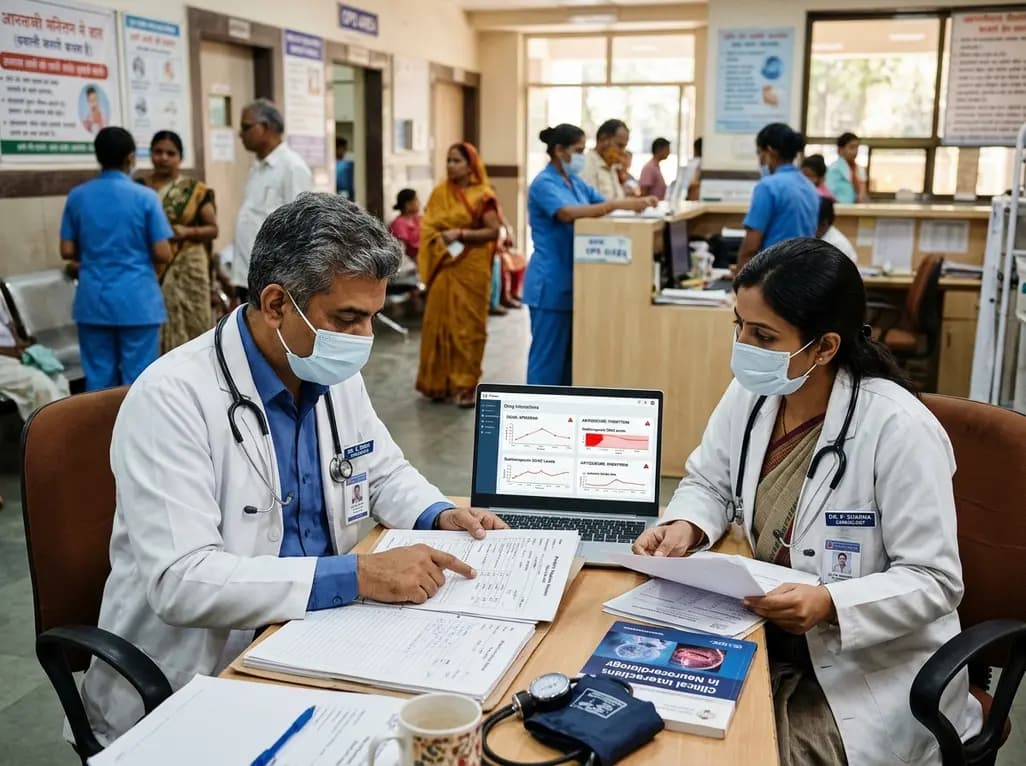
Co-administering antiseizure medications and DOACs frequently causes pharmacokinetic interactions, subtherapeutic drug levels, and thromboembolic failures. This review highlights enzyme induction risks, unpredictable outcomes with levetiracetam, and the vital role of therapeutic drug monitoring.
Today

Demanding exhaustive hormonal profiling can inadvertently discourage clinical studies involving females. Methodological standards must align with the specific scientific question to expand, not restrict, equitable evidence for women.
Today
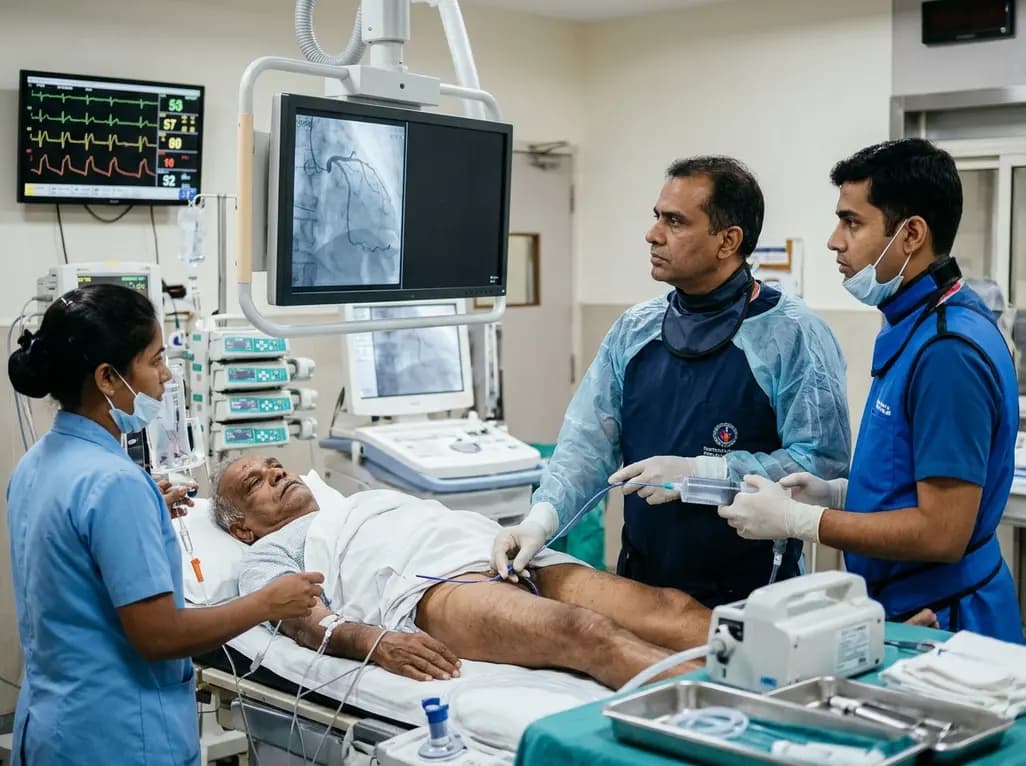
An elderly man with partially repaired Tetralogy of Fallot presented with STEMI caused by coronary embolism rather than atherosclerosis. Successful treatment with sustained mechanical aspiration thrombectomy underscores the vital need for high clinical vigilance in adult congenital heart disease.
Today
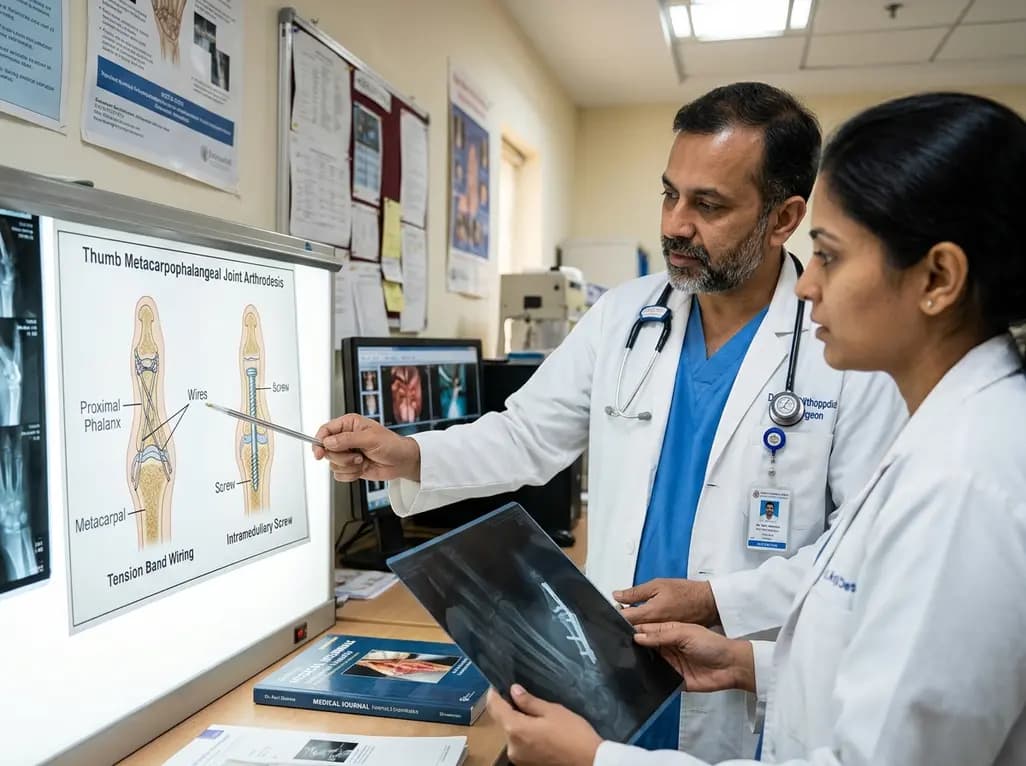
A comparative review of tension band wiring and intramedullary screw fixation in thumb metacarpophalangeal arthrodesis, evaluating union rates, hardware complications, and clinical outcomes.
Today
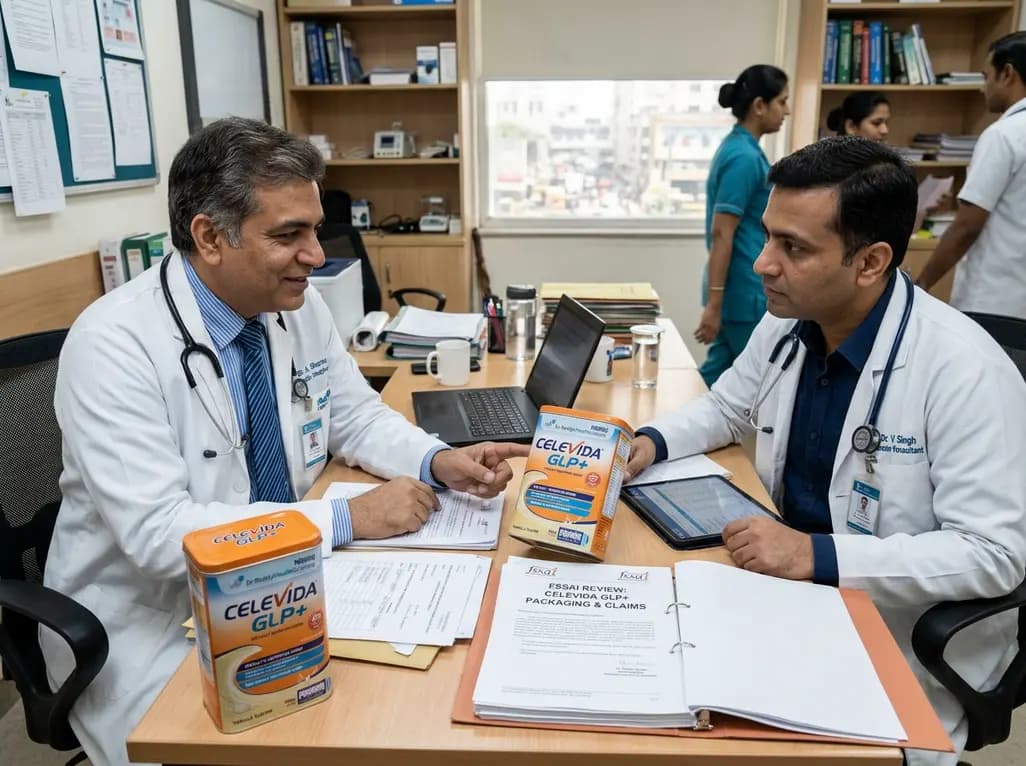
Following regulatory scrutiny from FSSAI regarding promotional representations and lean muscle preservation claims, Dr. Reddy's Laboratories and Nestlé Health Science are currently reviewing the branding and marketing strategy for their joint nutritional supplement Celevida GLP+.
Today
