.webp&w=384&q=75)

Loading, please wait...
Loading, please wait...

New research highlights that oral health chatbot effectiveness depends on combining digital tools with practical training. While hands-on practice remains a cornerstone of dental education, adding a 21-Day FunDee chatbot significantly boosts hygiene results for young children aged 6 to 30 months. This integrated approach addresses the behavioral barriers that often lead to early childhood caries.
In a recent quasi-experimental study, researchers evaluated whether digital media could enhance traditional education. Caregivers used the FunDee chatbot alongside in-person training to manage their children's oral hygiene. This digital assistant provides daily reminders and educational content rooted in protection-motivation theory. Consequently, children in the chatbot group showed a plaque reduction score of 0.52. In contrast, the hands-on-only group achieved a reduction of only 0.34. Furthermore, the study compared these results to a group using traditional posters, which also outperformed solo training. Therefore, healthcare providers should consider digital interventions to support parent-led oral care.
Caregivers expressed high satisfaction with the digital interface. Moreover, the chatbot effectively addressed common barriers like lack of motivation and inconsistent routines. Interestingly, the baseline frequency of toothbrushing served as a primary predictor of success. However, the study found no significant association between a caregiver's educational level and the final plaque reduction results. This suggests that digital tools can bridge gaps across different socioeconomic backgrounds. Thus, integrating AI-driven chatbots into routine pediatric visits could substantially enhance preventive dentistry in clinical practice.
No, the study emphasizes that chatbots work most effectively when paired with initial hands-on practice. The digital tool acts as a continuous reinforcer for the physical skills caregivers learn during their clinic visit.
It is a digital platform designed to educate caregivers on pediatric oral hygiene. It uses psychological theories to motivate parents to brush their children's teeth correctly and consistently for three weeks.
Reducing plaque at this early age is vital to prevent Early Childhood Caries (ECC). ECC can lead to pain, infection, and long-term issues with permanent tooth development if left unmanaged.
Disclaimer: This content is for informational and educational purposes only... Refer to the latest local and national guidelines for clinical practice.
References

Read summarized clinical updates, watch expert medical content, and earn CME certifications right from your smartphone.
Open your smartphone camera to scan and install.





A quasi-experimental study shows that combining hands-on training with oral health chatbots significantly reduces plaque in children compared to training al...
5 months ago

A breakthrough ultrathin multimodal sensor decouples physical hemodynamic monitoring from disposable electrochemical calibration, achieving long-term wearable glucose prediction with 81.36% accuracy and a 9.12% MARD. This offers a robust, drift-free solution for outpatient metabolic surveillance.
Today
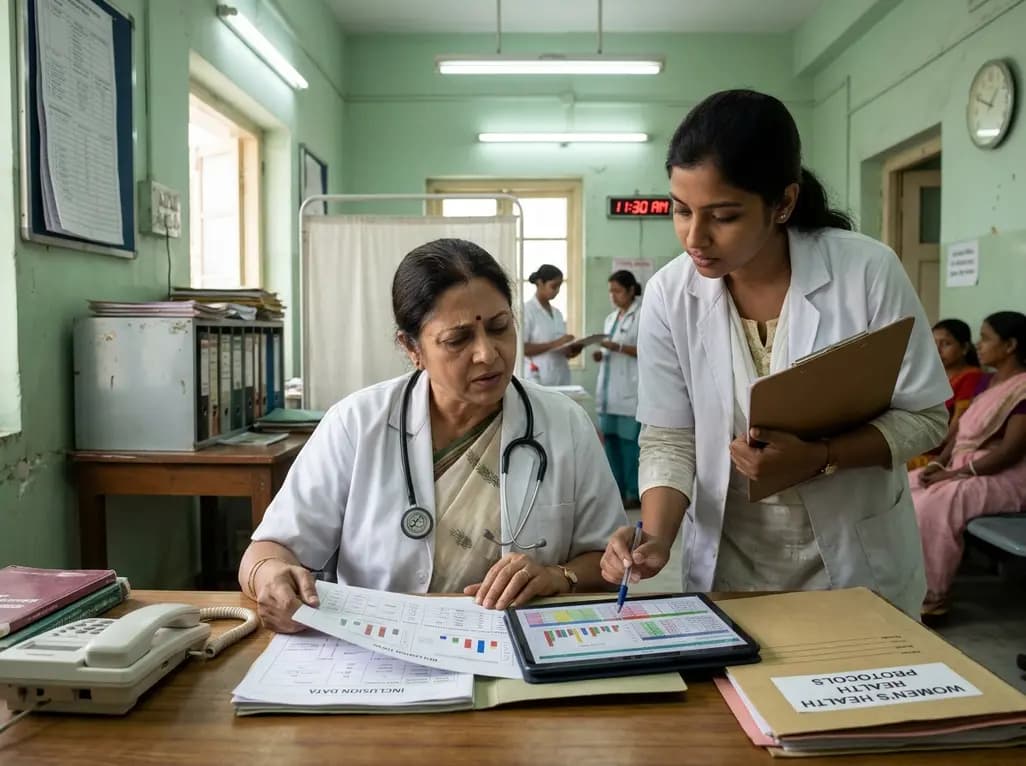
Demanding exhaustive hormonal profiling can inadvertently discourage clinical studies involving females. Methodological standards must align with the specific scientific question to expand, not restrict, equitable evidence for women.
Today

Co-administering antiseizure medications and DOACs frequently causes pharmacokinetic interactions, subtherapeutic drug levels, and thromboembolic failures. This review highlights enzyme induction risks, unpredictable outcomes with levetiracetam, and the vital role of therapeutic drug monitoring.
Today
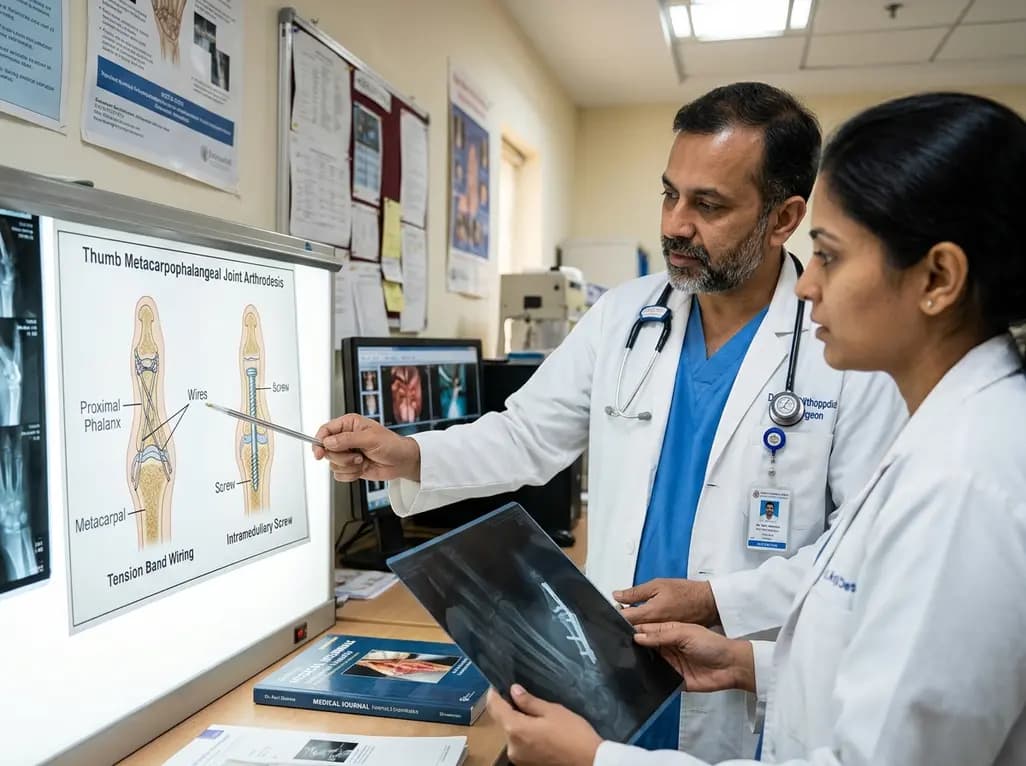
A comparative review of tension band wiring and intramedullary screw fixation in thumb metacarpophalangeal arthrodesis, evaluating union rates, hardware complications, and clinical outcomes.
Today

Following regulatory scrutiny from FSSAI regarding promotional representations and lean muscle preservation claims, Dr. Reddy's Laboratories and Nestlé Health Science are currently reviewing the branding and marketing strategy for their joint nutritional supplement Celevida GLP+.
Today
