

Loading, please wait...
Loading, please wait...
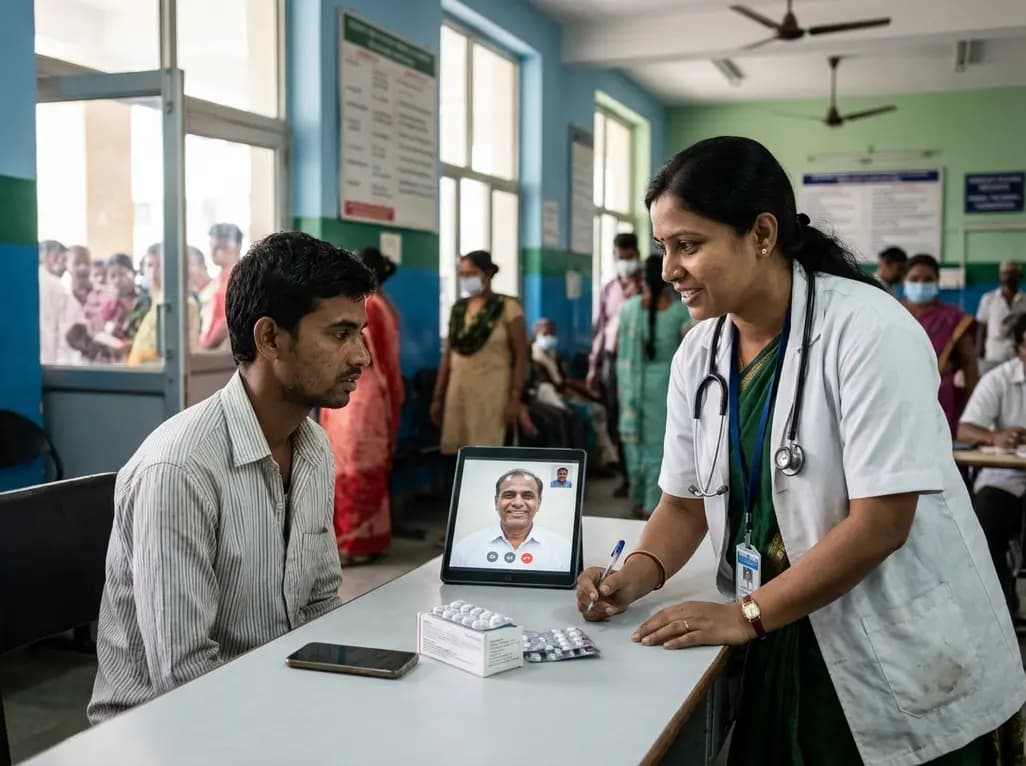
A nonfatal opioid overdose represents a critical, life-threatening event that demands immediate and sustained medical intervention. However, transitioning patients from acute hospital stabilization to outpatient addiction care remains a severe global challenge. To overcome this systemic barrier, investigators evaluated an innovative protocol to improve opioid overdose treatment retention. This clinical model bridges acute inpatient care and outpatient recovery by combining pharmacotherapy with remote clinical touchpoints and peer guidance. Consequently, it creates a structured pathway toward long-term stabilization for high-risk individuals.
Surviving a nonfatal overdose places an individual at immense risk for fatal toxicity within the following year. Emergency departments routinely achieve acute physiological reversal using naloxone. However, most patients experience rapid hospital discharge without any formal addiction care linkage. Traditional referral models rely heavily on passive navigation, which routinely fails due to social stigma, transportation deficits, and systemic fragmentation. Moreover, severe opioid withdrawal symptoms quickly precipitate relapse within hours of hospital departure. When patients return to active drug use after temporary hospital clearance, their diminished pharmacological tolerance substantially elevates overdose lethality. In addition, existing outpatient clinics rarely offer immediate appointments for vulnerable individuals. This structural disconnect produces an attrition rate exceeding seventy percent in conventional care pathways. Therefore, proactive transitional interventions are urgently required before discharge. Clinicians must establish immediate therapeutic relationships rather than relying on delayed outpatient referrals. Without structured transition systems, acute emergency stabilization simply delays subsequent fatal overdose events.
To eliminate persistent access barriers, researchers created an integrated 12-week remote protocol to optimize opioid overdose treatment retention. This bundled framework, evaluated at the University of Alabama at Birmingham, targets hospitalized adults with opioid use disorder following a nonfatal overdose. Rather than relying on isolated interventions, the trial bundles four distinct care components into a coordinated recovery continuum. Specifically, the model combines buprenorphine pharmacotherapy, scheduled virtual physician appointments, frequent peer coaching, and dedicated community linkage. Furthermore, delivering follow-up care via telehealth directly addresses transportation barriers and geographic isolation. Patients meet with addiction physicians at weeks one, three, five, nine, and twelve, with unscheduled visits available during crises. Because virtual consultations protect privacy and minimize scheduling friction, participants maintain steady therapeutic continuity from home. Consequently, this digital framework prevents clinical disengagement during the critical post-discharge window. By transforming hospital discharge into an ongoing digital care relationship, the protocol protects vulnerable patients from preventable relapse.
The bundled protocol utilizes four interconnected clinical pillars that simultaneously target biological, behavioral, and structural recovery barriers. The first pillar provides immediate buprenorphine initiation or continuation prior to hospital discharge. Buprenorphine acts as a partial mu-opioid receptor agonist, effectively suppressing withdrawal symptoms and cravings without inducing respiratory depression. Next, the second pillar delivers structured telehealth visits with specialized physicians for dosage titration and clinical monitoring. In addition, the third pillar incorporates certified peer support specialists who maintain high-frequency contact. These peer specialists provide daily coaching during the first week, alternate-day sessions during week two, and weekly contact thereafter. Finally, the fourth pillar coordinates community resources, linking patients to housing assistance and harm reduction organizations. Therefore, this comprehensive protocol addresses opioid use disorder as a chronic medical condition rather than an isolated acute crisis. By stabilizing neurobiology while building social support networks, the intervention fosters resilient, lasting recovery.
Certified peer support specialists provide indispensable emotional and logistical guidance throughout the post-discharge recovery trajectory. Because peer specialists possess lived experience with substance use recovery, they establish trust that clinical teams rarely achieve. During early recovery, patients encounter intense emotional distress, interpersonal isolation, and pervasive self-stigma. Peer specialists offer empathetic encouragement, normalize treatment hurdles, and reinforce regular medication adherence. Furthermore, peer coaches identify emerging relapse risks before they trigger complete disengagement from medical care. If a participant misses an appointment or struggles with medication pick-up, peer specialists intervene rapidly through virtual channels. In addition, their frequent contact provides reliable accountability and reduces feelings of abandonment after hospital discharge. Peer mentoring also empowers patients to develop sustainable coping strategies against stressful daily triggers. Consequently, peer specialists transform a rigid clinical protocol into a compassionate, supportive partnership. This empathetic alliance substantially improves patient confidence and long-term recovery engagement.
Evaluating feasibility and acceptability served as the primary objective of this prospective single-arm clinical protocol. Researchers defined feasibility as achieving at least a seventy percent participant retention rate at three months. Acceptability measures examined overall patient satisfaction alongside formal treatment expectancy scores. Notably, the pilot trial successfully enrolled all thirty anticipated participants prior to hospital discharge. Among enrolled patients, twenty-four completed the full 12-week bundled protocol, easily exceeding the predefined feasibility benchmark. These promising results demonstrate that overdose survivors welcome virtual addiction care when paired with peer guidance. For clinicians in India, these findings offer vital lessons for expanding opioid substitution therapy. India faces substantial opioid-related challenges, but acute de-addiction specialist shortages and geographic disparities restrict care continuity. Healthcare systems in India can utilize national telemedicine frameworks to initiate buprenorphine in hospitals and sustain outpatient follow-up remotely. Therefore, adapting this bundled model can democratize addiction care and dramatically reduce secondary overdose mortality nationwide.
The post-discharge window carries an exceptionally high risk of fatal re-overdose and clinical disengagement. During acute hospital admission, patients experience reduced opioid tolerance after medical stabilization. If acute withdrawal or cravings prompt a sudden relapse upon return home, this diminished tolerance frequently triggers fatal respiratory depression. Therefore, initiating buprenorphine and maintaining immediate, proactive contact during discharge are vital measures to safeguard patient survival and promote long-term recovery stability.
Telehealth removes significant logistical barriers that routinely derail traditional office-based addiction treatment programs. Virtual consultations eliminate transportation expenses, avoid workplace disruption, and protect patient confidentiality against societal stigma. In addition, remote communication allows clinicians to adjust medication dosages promptly and manage emerging clinical issues between formal appointments. Consequently, virtual care promotes consistent patient-provider rapport, resulting in substantially higher treatment retention compared to standard outpatient care models.
Peer support specialists utilize their lived recovery experience to forge deep, nonjudgmental connections with vulnerable patients. Within a bundled digital intervention, peer mentors provide high-frequency emotional check-ins, reinforce daily medication adherence, and assist patients with navigating complex community resources. Furthermore, peer specialists detect emerging distress early, enabling timely clinical interventions before patients drop out. This compassionate, continuous guidance significantly enhances patient self-efficacy and long-term engagement.
Disclaimer: This content is for informational and educational purposes only and does not constitute formal medical advice. Healthcare professionals should exercise independent clinical judgment when managing substance use disorders. Refer to the latest local and national guidelines for clinical practice.
References

Read summarized clinical updates, watch expert medical content, and earn CME certifications right from your smartphone.
Open your smartphone camera to scan and install.





A prospective feasibility study demonstrates that a 12-week bundled intervention featuring buprenorphine, telehealth visits, and peer coaching significantly enhances post-overdose treatment engagement and retention among high-risk opioid use disorder patients.
Today

A rigorous within-subject study evaluates virtual reality exergaming platforms FitXR and Supernatural against video shadowboxing. Discover key findings on moderate-to-vigorous physical activity, participant enjoyment, and minimal cybersickness to guide modern exercise prescription.
Today
With caesarean rates reaching 59% in private hospitals and 37% in public facilities, the Maharashtra health department has instituted mandatory clinical audits under the LaQshya framework. Clinicians must now document surgical indications immediately to promote maternal safety and curb non-indicated interventions.
Today
A prospective machine learning study demonstrates that an interpretable XGBoost model using 30 photoplethysmography features accurately estimates continuous blood pressure in intensive care units, achieving Grade A British Hypertension Society standards and reducing reliance on invasive arterial catheters.
Today

A 491-patient cohort study in Sudan reveals critical insights into war trauma reconstructive surgery, analyzing injury patterns, soft-tissue procedures, and a 25.5% complication rate in resource-limited conflict zones.
Today
A secondary analysis of the Living Healthier with Diabetes trial reveals that positive baseline technology attitudes significantly improve engagement with digital diabetes self-management apps, leading to enhanced self-care behaviors and better long-term glycemic control in adults with type 2 diabetes.
Today
