.webp&w=384&q=75)

Loading, please wait...
Loading, please wait...

Opioid use disorder represents a profound challenge to public health systems worldwide, driving substantial morbidity, accidental overdoses, and premature mortality. Beyond unintentional toxicities, individuals with substance dependence experience markedly elevated risks of intentional self-harm and suicide. Consequently, evaluating therapeutic strategies that effectively mitigate these life-threatening outcomes remains an urgent clinical priority. In particular, recent research underscores the life-saving potential of opioid agonist treatment in curtailing self-harm deaths among vulnerable individuals. Historically, clinicians viewed pharmacotherapy primarily through the lens of relapse prevention and viral transmission reduction. However, emerging population-scale evidence confirms that structured maintenance therapy exerts a direct protective effect against psychiatric crises. Therefore, healthcare providers must recognize these dual benefits to enhance therapeutic engagement and transform standard addiction care protocols.
Individuals diagnosed with opioid use disorder face complex psychological, biological, and social vulnerabilities that compound suicidal behavior. Specifically, chronic opioid misuse frequently co-occurs with major depressive illness, post-traumatic stress disorders, and emotional dysregulation. In addition, persistent severe physical pain, pervasive social marginalization, and criminal justice involvement amplify hopelessness among affected individuals. Because opioid withdrawal precipitates agonizing physical symptoms and acute dysphoria, impulsive suicidal gestures frequently arise during periods of substance cessation. Furthermore, unstable illicit drug supplies introduce volatility that destabilizes baseline mood and impairs rational decision-making. In contrast, standard abstinence-only approaches often fail to address these severe neurochemical instabilities. When patients relapse after forced abstinence, their lost drug tolerance heightens the lethality of both accidental poisonings and intentional overdoses. Therefore, clinicians must recognize opioid dependence as a chronic medical condition with profound psychiatric comorbidities. Ultimately, integrating evidence-based pharmacotherapies provides the neurochemical stabilization necessary to interrupt this dangerous cycle.
A landmark population-level data-modeling study from New South Wales offers powerful insights into this clinical reality. Specifically, researchers analyzed a comprehensive cohort of 46,845 individuals who accessed opioid agonist treatment between 2001 and 2017. By coupling real-world cohort records with dynamic mathematical modeling, investigators quantified the program's long-term effect on intentional self-harm. Notably, individuals receiving pharmacotherapy in the community demonstrated an incidence rate ratio for suicide of 0.32 compared to untreated periods. This significant finding reflects an approximate 68% decrease in suicide risk while actively maintained on therapeutic medications. Across the two-decade modeled period from 2001 to 2020, the treatment program averted an estimated 338 suicides. Specifically, community programs prevented 325 suicides, while correctional interventions averted an additional 13 deaths. Consequently, this intervention generated an overall 35% reduction in suicide mortality among individuals accessing maintenance regimens. Therefore, the data confirm that therapeutic opioid substitution serves as a potent suicide prevention strategy.
The study examined therapeutic efficacy across both community environments and correctional facilities, revealing critical nuances in clinical practice. In community settings, the protective association remained robust, producing steady decreases in suicide rates among enrolled patients. In contrast, correctional settings presented unique systemic challenges, yielding an incidence rate ratio of 0.34 with wider statistical uncertainty. Although prison programs successfully prevented deaths, the absolute numbers were modest compared to community services. Furthermore, individuals experience extreme vulnerability during the initial weeks following release from custody. During this critical transition, heightened social stress, interrupted clinical care, and reduced drug tolerance sharply increase suicide risk. Therefore, ensuring seamless continuity of care between prison health systems and community clinics remains imperative for preventing avoidable mortality. In response, correctional authorities must initiate maintenance therapies prior to discharge and coordinate immediate community handoffs. Ultimately, maintaining therapy across institutional transitions protects patient stability and significantly lowers suicide mortality.
Several physiological and psychological pathways explain how sustained therapy suppresses suicidal ideation and intentional self-harm. First, long-acting opioid agonists, such as methadone and buprenorphine, steady mu-opioid receptor signaling. Consequently, this continuous pharmacological stability prevents severe neurochemical fluctuations that drive acute dysphoria and depressive crises. Second, consistent clinical engagement brings patients into regular contact with compassionate healthcare professionals and multidisciplinary support teams. Through frequent clinical visits, physicians can detect emerging affective disorders and initiate timely psychiatric interventions. Third, ongoing pharmacotherapy relieves the crushing financial and emotional stress of acquiring illicit substances daily. As a result, patients frequently rebuild family connections, secure stable housing, and pursue employment opportunities that restore personal dignity. Moreover, eliminating cyclical withdrawal symptoms reduces impulsive, distress-driven behaviors that often precede suicide attempts. Therefore, prolonged treatment retention provides the psychological space required for durable psychiatric recovery and social reintegration.
These international findings carry profound relevance for India's evolving addiction medicine landscape and national health policies. Currently, opioid use disorder remains an escalating public health concern across several Indian states, notably in northern and northeastern regions. Furthermore, stigmatizing attitudes toward substance dependence often deter individuals from seeking timely clinical help, exacerbating untreated mental illnesses. Under the National AIDS Control Organisation and Ministry of Health frameworks, Opioid Substitution Therapy centers primarily deploy buprenorphine and buprenorphine-naloxone. However, many domestic treatment programs prioritize blood-borne virus prevention rather than holistic suicide prevention. By recognizing opioid agonist treatment as a powerful psychiatric intervention, Indian physicians can broaden their therapeutic objectives. Therefore, general practitioners, psychiatrists, and primary health centers must coordinate closely to expand access to low-barrier substitution programs. In addition, de-addiction facilities should integrate formal suicide risk screenings into routine monthly clinical check-ups. Consequently, scaling up harm reduction infrastructure across government and private sectors will save countless lives.
Opioid agonist treatment stabilizes mu-opioid receptor signaling, preventing the severe neurochemical crashes and acute dysphoria linked to withdrawal. Furthermore, regular clinical appointments enable healthcare providers to monitor depressive symptoms, treat co-occurring psychiatric conditions, and offer psychosocial stability that alleviates chronic psychological distress and suicidal urges.
Clinicians primarily utilize long-acting opioids including buprenorphine, buprenorphine-naloxone combinations, and methadone. These medications effectively suppress opioid cravings and eliminate withdrawal symptoms without producing intense euphoria. Consequently, sustained adherence allows individuals to stabilize their neurochemistry, engage in rehabilitation, and pursue long-term psychiatric and functional recovery.
Incarcerated individuals face an abrupt drop in opioid tolerance and acute psychological stress upon release. Without immediate access to maintenance therapies, post-release patients experience extremely elevated rates of accidental overdose and impulsive suicide. Coordinated linkage between prison clinics and community addiction services effectively prevents these fatal transitional outcomes.
Disclaimer: This content is for informational and educational purposes only and does not constitute medical advice. Healthcare professionals should make diagnostic and therapeutic decisions based on their independent clinical evaluation. Refer to the latest local and national guidelines for clinical practice.
References

Read summarized clinical updates, watch expert medical content, and earn CME certifications right from your smartphone.
Open your smartphone camera to scan and install.





A population-level modeling study reveals that opioid agonist treatment in New South Wales averted 338 suicides between 2001 and 2020, achieving a 35% reduction in suicide mortality. These findings emphasize the vital role of sustained pharmacotherapy and harm reduction in clinical and psychiatric care.
Today

A study evaluating drone transport of blood samples across winter and summer found 31 of 32 routine biochemical analytes remained stable compared to ground transport. While plasma LDH showed minor increases, separation gel caused greater preanalytical alterations, showing aviation rules are the main barrier.
Today

A recent case highlights favorable maternal and neonatal survival in a patient presenting at 34 weeks with probable Eisenmenger physiology and suspected double outlet right ventricle (DORV). Here is a critical review of hemodynamic challenges, delivery strategies, and peripartum management in complex cardiac disease.
Today

A novel multiscale computational model calibrated with Bayesian algorithms demonstrates that full reverse remodeling after mitral valve regurgitation demands both mechanical correction of volume overload and neurohormonal restoration, shedding light on persistent postoperative left ventricular dysfunction.
Today

Systematic review comparing labral repair and reconstruction in primary hip arthroscopy shows comparable short- to mid-term patient-reported outcomes, with lower THA conversion after repair but superior outcomes for reconstruction in patients aged 40 and older.
Today
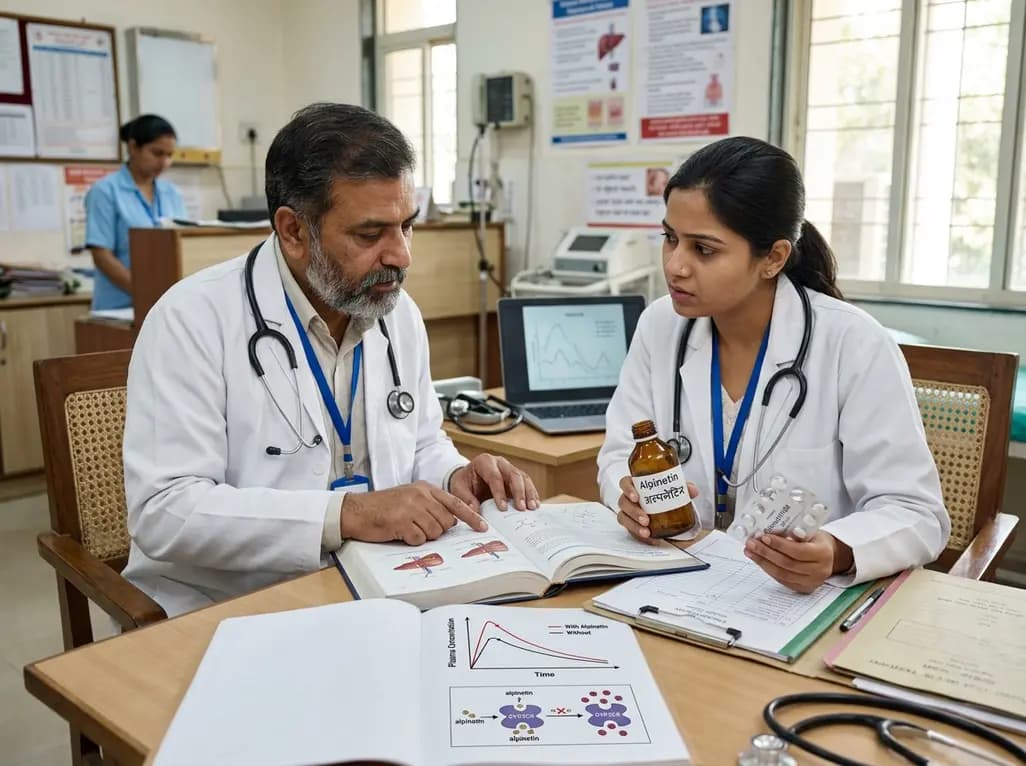
A preclinical study reveals that alpinetin significantly alters glimepiride pharmacokinetics by inhibiting CYP2C9. This drug-herb interaction enhances hypoglycemic potency and underscores critical safety concerns regarding severe hypoglycemia in diabetic management.
Today
