

Loading, please wait...
Loading, please wait...

Patients presenting with severe traumatic subdural hematoma and profound neurological depression have historically faced discouraging clinical prognoses. Clinicians frequently encounter comatose trauma victims exhibiting large intracranial hematomas, compressed basal cisterns, and marked midline shift. In many emergency centers, clinicians adopt a fatalistic view when Glasgow Coma Scale scores fall below nine. This therapeutic skepticism intensifies markedly when physical examinations reveal unreactive pupils. Consequently, surgical teams often hesitate to offer decompressive craniectomy or craniotomy, assuming that operative intervention merely prolongs vegetative survival without preserving meaningful cognitive function.
However, emerging multicenter evidence challenges this traditional nihilism. A landmark nationwide study evaluated whether emergency operative neurosurgery confers meaningful recovery potential in this high-risk population. The investigators assessed favorable discharge, specifically defined as functional discharge home or to inpatient rehabilitation. Furthermore, their analytical findings demonstrate that surgical decompression correlates with substantially improved functional recovery. Therefore, neurosurgeons and critical care physicians must critically re-evaluate early surgical candidacy rather than preemptively withdrawing life-sustaining therapy. Decisive surgical intervention diminishes dangerous mass effect, normalizes intracranial pressure, and preserves marginal penumbral brain tissue. Additionally, timely neurosurgical evaluation remains vital because secondary ischemic insults rapidly compound the primary mechanical trauma.
To rigorously assess real-world surgical outcomes, investigators analyzed data from the American College of Surgeons Trauma Quality Programs database. The study cohort comprised 13,393 adult patients presenting with traumatic subdural hematoma and midline shift exceeding five millimeters. Furthermore, all included patients presented with Glasgow Coma Scale scores of eight or below. The researchers stratified patients into three distinct groups based on initial pupillary responsiveness. These categories included bilateral reactive pupils, unilateral reactive pupil, or bilateral fixed nonreactive pupils. This rigorous stratification permitted granular evaluation of neurological injury severity.
Notably, clinical triage patterns revealed striking disparities in surgical selection. Patients presenting with bilateral fixed pupils underwent operative neurosurgery in only 34 percent of cases. In contrast, half of the patients with one or both reactive pupils received surgical intervention. These observations confirm that absent pupillary reflexes strongly deter neurosurgeons from offering cranial operations. Subsequently, researchers utilized risk-adjusted hierarchical regression models to account for baseline confounders and hospital-level variations. Moreover, the statistical models controlled for age, injury mechanism, comorbid conditions, and initial vital signs. This comprehensive adjustment prevented selection bias from skewing therapeutic associations.
The multivariable statistical analysis demonstrated clear benefits associated with operative intervention. Overall, operative neurosurgery correlated with significantly higher odds of favorable discharge across the study population. This analysis produced a notable adjusted odds ratio of 1.93. More importantly, pupillary reactivity significantly modified this therapeutic relationship, revealing unexpected clinical patterns across different examination subgroups. Specifically, surgical teams observed that mass decompression mitigated ongoing intracranial hypertension across diverse trauma presentations.
Surprisingly, the greatest relative benefit occurred among patients presenting with bilateral unreactive pupils. For patients with bilateral fixed pupils, surgery increased the probability of favorable discharge from 3.7 percent to 11.8 percent. Consequently, undergoing surgery more than tripled the likelihood of functional discharge to home or specialized rehabilitation for these critically ill individuals. Meanwhile, patients with reactive pupils achieved higher absolute rates of favorable recovery following surgical decompression. These compelling data refute the assumption that bilateral unreactive pupils universally indicate irreversible brainstem death. Furthermore, prompt clot evacuation relieves uncal herniation before ischemic necrosis establishes permanent injury. Additionally, reversing mechanical midline shift restores normal cerebrospinal fluid pathways and enhances cerebral perfusion pressure. Thus, surgical decompression provides a vital recovery opportunity for select patients.
Although operative neurosurgery demonstrated widespread efficacy, patient age emerged as an essential determinant of functional recovery. The researchers evaluated clinical outcomes across age quartiles to identify physiological boundaries for aggressive surgical care. Across younger cohorts, operative decompression consistently conferred substantial functional benefits. In fact, younger adults achieved the highest absolute probabilities of favorable recovery after emergent hematoma evacuation. Moreover, younger brains display greater physiological resilience against severe intracranial hypertension and tissue distortion.
However, the observed therapeutic benefit declined progressively in advanced age categories. Specifically, patients older than 75 years experienced a pronounced attenuation of surgical benefit compared to younger cohorts. Pre-existing cerebral atrophy, impaired neuroplasticity, systemic frailty, and chronic microvascular disease restrict senescent brain regeneration. Additionally, elderly patients suffer elevated rates of secondary systemic complications, including nosocomial pneumonia and prolonged ventilator dependence. Therefore, clinicians must exercise nuanced judgment when evaluating geriatric individuals with severe injuries. Consequently, multidisciplinary teams should engage families in prompt goals-of-care discussions. Similarly, baseline functional status must guide clinical expectations during acute decision-making. These discussions must integrate individualized frailty assessments rather than relying solely on chronological age.
These multicenter findings hold immense clinical significance for emergency medicine departments and neurosurgical units across India. High-velocity road traffic collisions and construction falls generate an immense neurotrauma burden throughout Indian tertiary healthcare centers. Unfortunately, delayed transport and critical care shortages frequently foster clinical nihilism when trauma patients present with fixed pupils. Clinicians frequently worry that operating on deeply comatose individuals merely produces prolonged vegetative survival. In addition, many secondary trauma facilities lack round-the-clock neurosurgical coverage, delaying urgent decompressive intervention.
Nevertheless, this robust evidence demonstrates that operative neurosurgery rescues a meaningful proportion of critically injured patients. To implement these insights effectively, Indian trauma networks must enhance rapid triage and operative transfer protocols. Furthermore, emergency teams should administer prompt hyperosmolar therapy with hypertonic saline or mannitol before decompression. Expanding dedicated neurotrauma intensive care units will further mitigate secondary ischemic brain injuries. Equally important, tele-neurosurgery networks can help peripheral emergency doctors initiate neuroprotective measures before transfer. Although rehabilitation infrastructure varies widely across regions, early caregiver education can help patients achieve meaningful functional independence. Ultimately, establishing objective trauma protocols ensures that salvageable patients receive timely, equitable surgical treatment.
Pupillary reactivity strongly influences baseline prognosis, but unreactive pupils do not preclude recovery. While bilateral fixed pupils carry lower overall recovery rates, operative decompression increases the probability of favorable discharge from 3.7% to 11.8%. Thus, surgical evacuation offers meaningful functional benefits even in severe presentations.
Severe traumatic subdural hematoma typically features a Glasgow Coma Scale score of eight or lower alongside significant mass effect, such as midline shift exceeding five millimeters. Urgent surgical evacuation via craniotomy or decompressive craniectomy is recommended to relieve elevated intracranial pressure and prevent brainstem compression.
Clinicians must weigh chronological age against physiological frailty and baseline functional status. While surgical decompression benefits many adults, functional gains decline significantly in patients older than 75 years. Therefore, surgeons should discuss realistic recovery expectations, procedural risks, and long-term care goals thoroughly with family members.
Disclaimer: This content is for informational and educational purposes only. It is not intended to be a substitute for professional medical advice, diagnosis, or treatment. Always seek the advice of your physician or other qualified health provider with any questions you may have regarding a medical condition. Never disregard professional medical advice or delay in seeking it because of something you have read here. Refer to the latest local and national guidelines for clinical practice.
References

Read summarized clinical updates, watch expert medical content, and earn CME certifications right from your smartphone.
Open your smartphone camera to scan and install.





A nationwide trauma analysis reveals that surgical decompression significantly improves favorable discharge in patients with severe traumatic subdural hematoma and poor neurological status, showing marked benefit even in those presenting with bilateral fixed pupils.
Today

An observational study from the NIH All of Us Research Program reveals that adding a multi-ancestry polygenic risk score to machine learning models provides only modest improvements in predicting adult weight gain, underscoring the enduring significance of routine clinical and lifestyle factors.
Today

A study in JAMIA Open shows lightweight open-source reasoning LLMs achieve up to 95% sensitivity and accelerate evidence synthesis screening by nearly twentyfold, presenting a cost-effective, scalable AI solution for biomedical research and systematic reviews.
Today
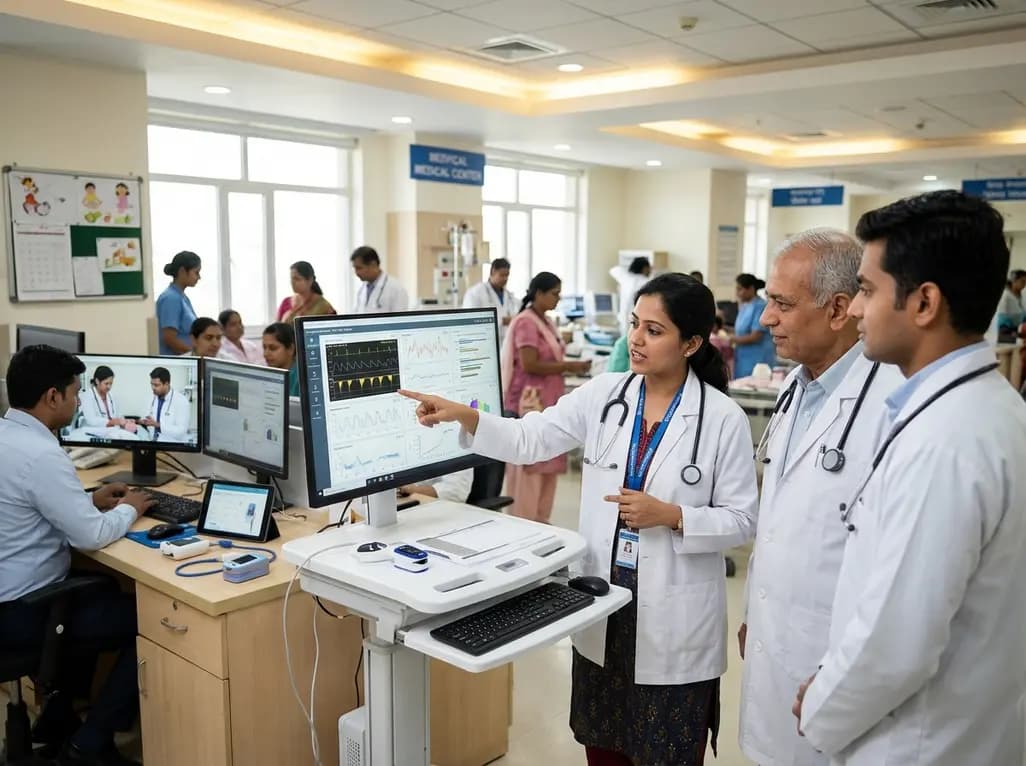
A landmark study details how an enterprise pediatric remote patient management model expanded from a single cardiology pilot to 16 diverse specialty programs by combining centralized digital operations with specialty clinical leadership.
Yesterday
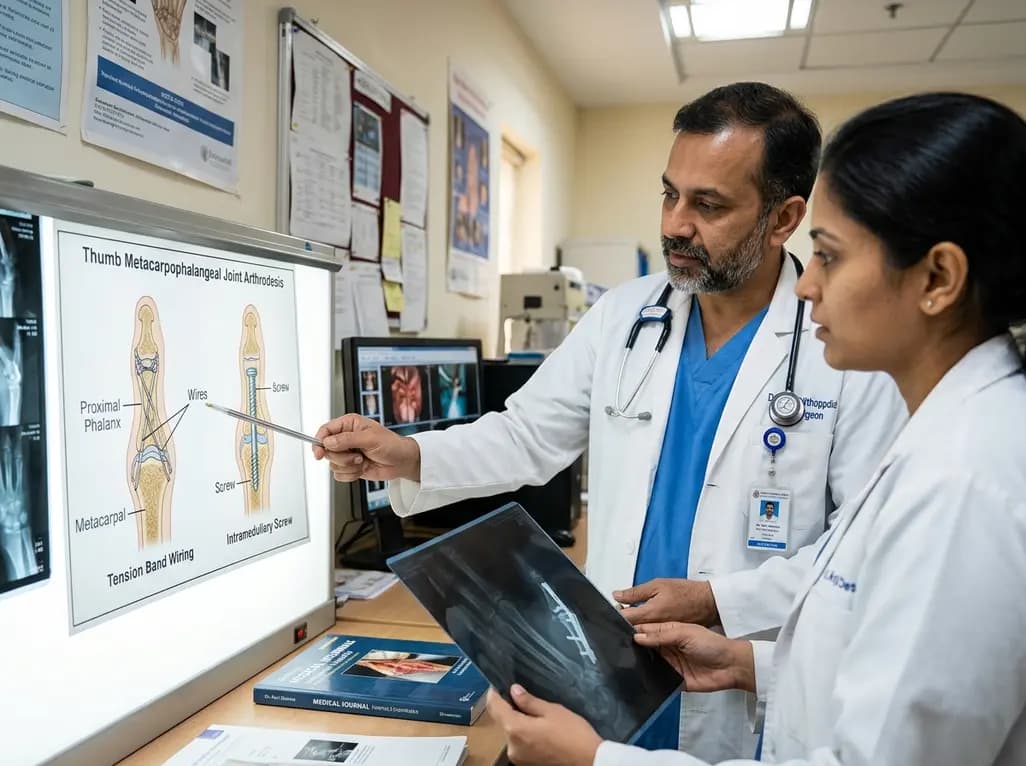
A comparative review of tension band wiring and intramedullary screw fixation in thumb metacarpophalangeal arthrodesis, evaluating union rates, hardware complications, and clinical outcomes.
Yesterday
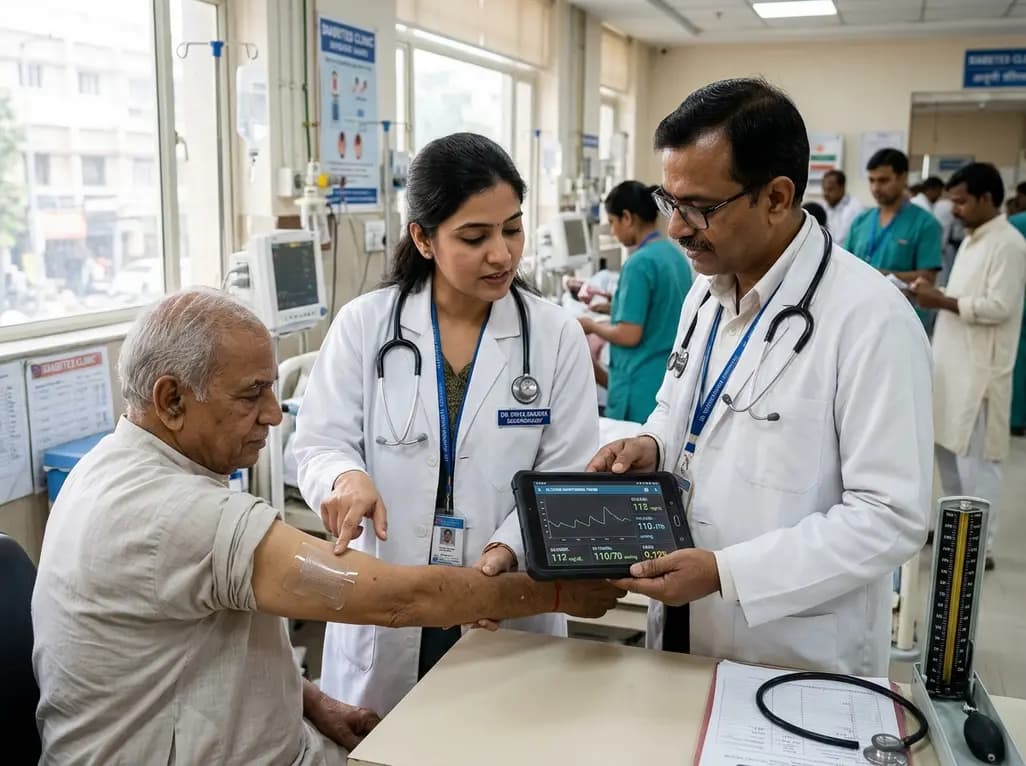
A breakthrough ultrathin multimodal sensor decouples physical hemodynamic monitoring from disposable electrochemical calibration, achieving long-term wearable glucose prediction with 81.36% accuracy and a 9.12% MARD. This offers a robust, drift-free solution for outpatient metabolic surveillance.
Yesterday
