

Loading, please wait...
Loading, please wait...
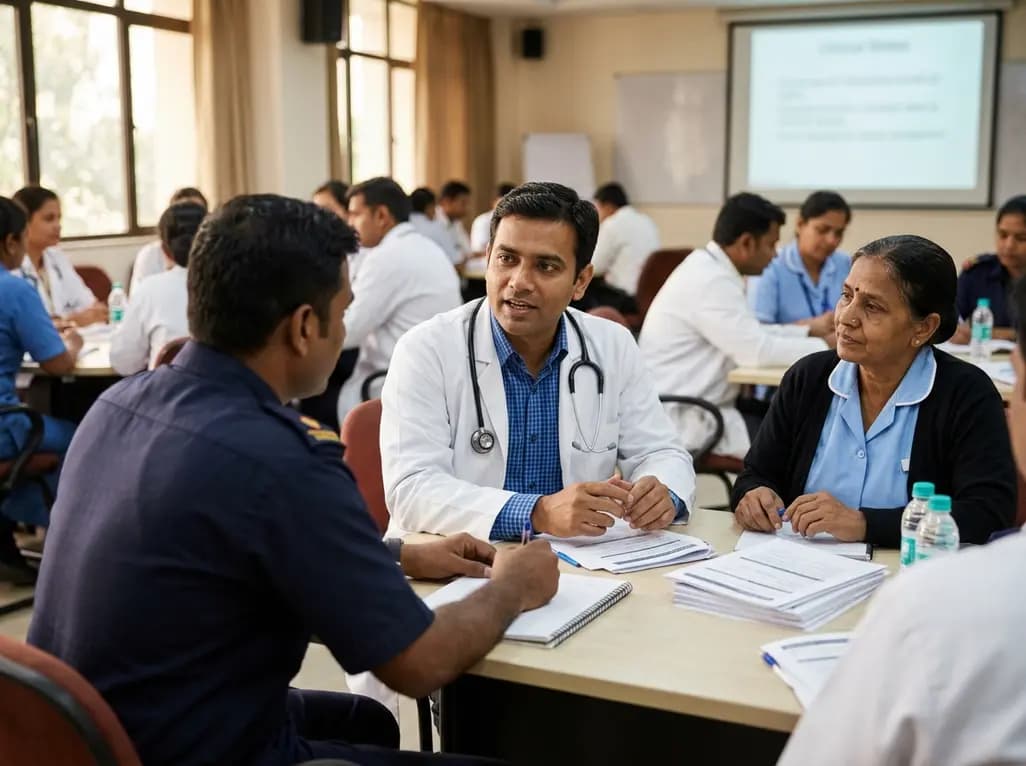
Public safety personnel routinely encounter severe critical incidents, mass casualty events, and unpredictable physical hazards. Consequently, these frontline professionals face an elevated lifetime risk of post-traumatic stress, anxiety disorders, and severe occupational burnout. Establishing evidence-based operational stress training provides an indispensable strategy to mitigate these psychological hazards. Therefore, healthcare providers and emergency systems must recognize stress injuries early to protect responder well-being.
First responders experience relentless occupational demands that frequently overwhelm physiological coping reserves. Paramedics, firefighters, and police officers regularly witness acute physical trauma and life-threatening emergencies. Consequently, chronic cumulative stress and acute traumatic exposures disrupt autonomic regulation, triggering sleep disturbances, emotional exhaustion, and cognitive fatigue. Unfortunately, rural responders face compounding hurdles due to scarce mental health infrastructure and geographic isolation. Many emergency workers also encounter pervasive workplace stigma that discourages open dialogue regarding psychological vulnerability. As a result, individuals frequently conceal psychological distress until symptoms manifest as major depressive disorder or post-traumatic stress disorder. Clinicians must realize that stress injuries represent genuine biological harms rather than personal shortcomings. Therefore, early identification and proactive intervention remain critical across prehospital systems. Providing structured educational frameworks enables responders to track emotional changes before decompensation occurs. Ultimately, understanding these hazards allows healthcare leaders to implement timely, culturally competent interventions that preserve long-term psychological resilience.
Structured operational stress training equips emergency personnel with practical tools to identify early psychological strain. Specifically, this training curriculum utilizes validated stress injury continuum models that categorize reactions into green, yellow, orange, and red phases. Thus, participants learn to distinguish mild transient stress from severe, disabling psychological injury. Furthermore, the curriculum introduces actionable incident support mechanisms designed for rapid deployment following critical field events. Responders practice pragmatic communication skills that foster psychological first aid and safe operational debriefing. Moreover, the educational modules emphasize peer-to-peer engagement, empowering colleagues to intervene supportively when a partner displays acute functional deterioration. Because rural personnel often operate without rapid access to licensed psychiatric clinicians, these front-line tools provide immediate peer support. In addition, the training explicitly addresses operational barriers, dismantling deep-seated taboos around emotional vulnerability. Consequently, personnel gain confidence in recognizing trauma signatures, navigating peer conversations, and connecting distressed colleagues with specialized professional psychiatric services.
A recent statewide pilot evaluated the real-world impact and acceptability of this specialized stress curriculum across Wyoming public safety agencies. Researchers implemented a single-session matched pre-post evaluation among 106 diverse first responders. Specifically, participants rated their perceived confidence across 10 vital competencies using standardized five-point Likert scales. In addition, the investigators measured program endorsement using a comprehensive ten-point recommendation scale. The resulting data revealed exceptionally high course acceptability, yielding a mean endorsement score of 9.09 out of 10 and a median score of 10. Furthermore, participants demonstrated statistically significant confidence gains across every evaluated competency following training completion. Paired t-tests applying Benjamini-Hochberg false discovery rate adjustments confirmed that all knowledge improvements remained robust. Mean confidence improvements ranged from +0.26 to +0.68 across individual competencies. Notably, post-training peer-support confidence reached an impressive 4.33 out of 5 among responders. Therefore, these quantitative findings demonstrate that brief, focused educational workshops can rapidly enhance operational stress literacy and peer intervention self-efficacy.
Peer support serves as the foundational cornerstone of psychological preservation in emergency response organizations. Because first responders often trust fellow team members over external clinicians, peer-driven models facilitate rapid emotional validation. Accordingly, training personnel to recognize warning signs like emotional detachment, hyperarousal, and persistent irritability bridges the gap to early care. When peers intervene promptly following critical incidents, they help down-regulate extreme sympathetic nervous system activation. Furthermore, trained peers model healthy coping behaviors, dispelling dangerous maladaptive habits like alcohol misuse or social isolation. Nevertheless, peer supporters must understand the precise boundaries of their role to prevent secondary traumatic stress. Effective curricula emphasize that peer champions do not replace licensed psychotherapists or psychiatrists. Instead, peer supporters act as skilled navigators who offer empathetic listening and facilitate seamless referrals to clinical mental health services. Consequently, embedding these peer frameworks within emergency medical services normalizes psychological hygiene. Over time, proactive peer support diminishes the incidence of chronic stress injuries while sustaining overall operational readiness.
The successful implementation of this pilot provides meaningful insights for healthcare systems and emergency departments globally. Clinicians operating in resource-limited rural environments frequently encounter patients whose somatic complaints stem from unaddressed occupational stress injuries. Therefore, physicians and mental health specialists should routinely inquire about occupational exposures when treating emergency workers and first responders. Furthermore, emergency departments can adapt these peer-support principles to mitigate physician and nurse burnout. Healthcare workers in high-volume trauma centers experience critical incident stress comparable to field responders. Consequently, establishing multidisciplinary stress mitigation teams within hospital networks can dramatically improve clinician retention and emotional well-being. Additionally, health policymakers should advocate for mandatory, recurring stress awareness curricula across all emergency response training academies. Integrating validated stress injury continuum tools into regular clinical environments normalizes discussions around secondary traumatic stress. Ultimately, equipping front-line workers with operational stress recognition tools protects individual mental health and strengthens community healthcare resilience.
Operational stress stems directly from exposure to acute traumatic events, severe physical danger, and human suffering encountered during frontline emergency duty. In contrast, occupational burnout typically develops from chronic organizational frustrations, excessive workloads, and bureaucratic administrative demands. While burnout manifests as emotional exhaustion and cynicism, operational stress can trigger biological stress injuries, profound autonomic dysregulation, panic episodes, intrusive memories, and post-traumatic stress disorder requiring targeted clinical intervention.
Acute stress injuries present with distinct psychological, behavioral, and somatic manifestations. Affected responders frequently exhibit hyperarousal, persistent irritability, emotional numbness, uncharacteristic social withdrawal, and severe sleep disturbances. Clinicians also observe cognitive symptoms such as intrusive flashbacks, concentration difficulties, and heightened startle reflexes. Physical complaints commonly include unexplained gastrointestinal distress, tension headaches, and tachycardia. Recognizing these early signs enables peers and clinicians to intervene before symptoms evolve into disabling chronic disorders.
Peer support proves remarkably effective because first responders share unique operational cultures, shared traumatic exposures, and mutual professional trust. Traditional clinical interventions often encounter resistance due to pervasive stigma and fear of career repercussions. However, trained peers provide immediate, non-judgmental validation and practical coping strategies without bureaucratic friction. This shared operational understanding dismantles defensiveness, normalizes emotional vulnerability, and effectively motivates distressed personnel to access professional psychiatric care when complex symptoms arise.
Disclaimer: This content is for informational and educational purposes only... Refer to the latest local and national guidelines for clinical practice.
References

Read summarized clinical updates, watch expert medical content, and earn CME certifications right from your smartphone.
Open your smartphone camera to scan and install.





A statewide pilot evaluation demonstrates that brief operational stress training significantly boosts first responders' confidence in recognizing stress injuries and delivering peer support. The findings offer vital lessons for occupational mental health and emergency preparedness.
Today
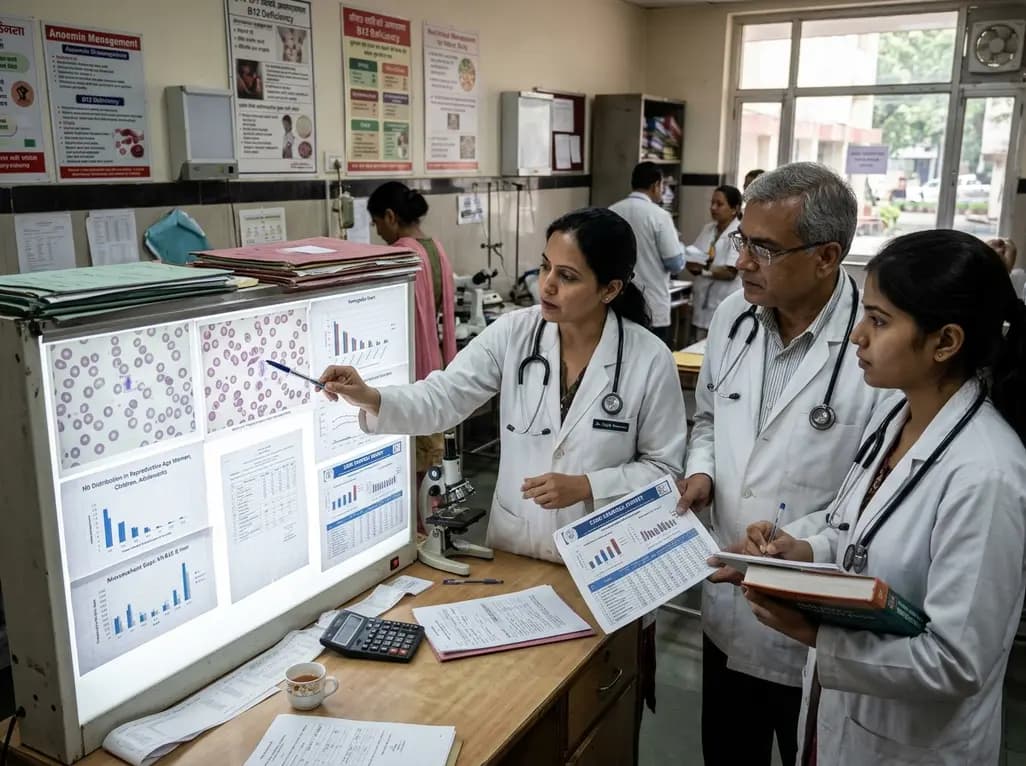
The ICMR-NIN SAMPADA survey reveals that over 50% of reproductive-age women and over 40% of young children suffer from anaemia, while nearly two-thirds of adolescents lack vitamin B12. Clinicians must look beyond routine iron therapy to address multifactorial causes, hemoglobinopathies, and micronutrient gaps.
Today
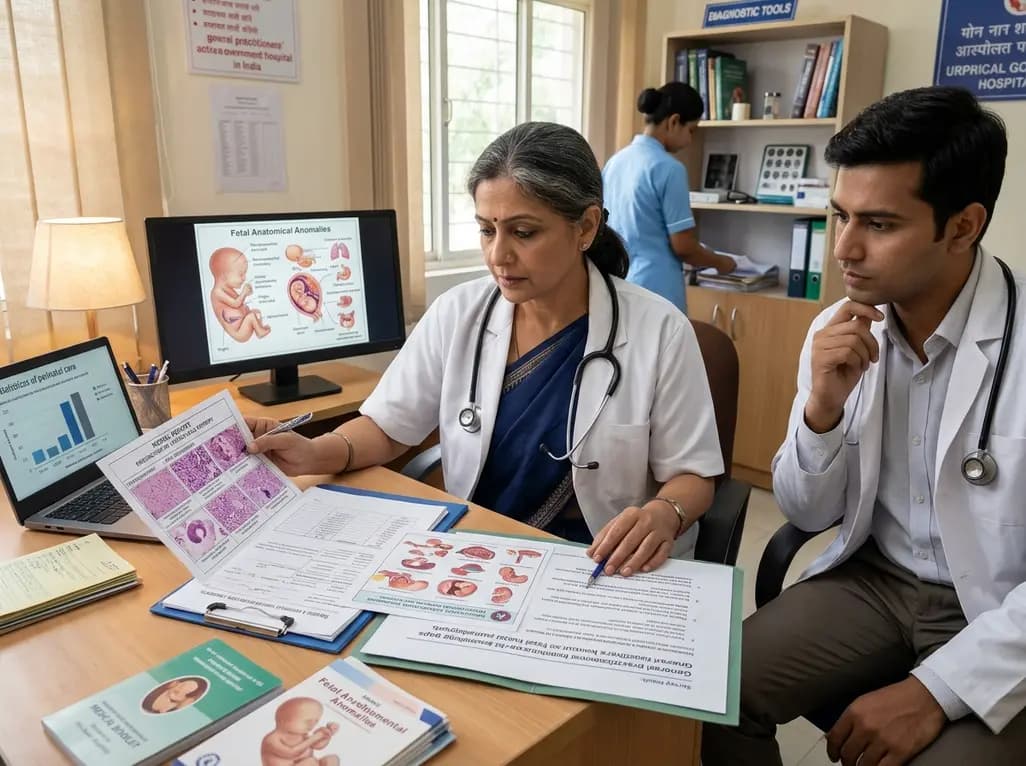
A nationwide survey reveals substantial knowledge gaps among general practitioners regarding fetal pathology and autopsy. Enhanced training and interdisciplinary communication are vital to guide stillbirth evaluation, clarify autopsy consent, and improve preconception counseling for bereaved parents.
Today
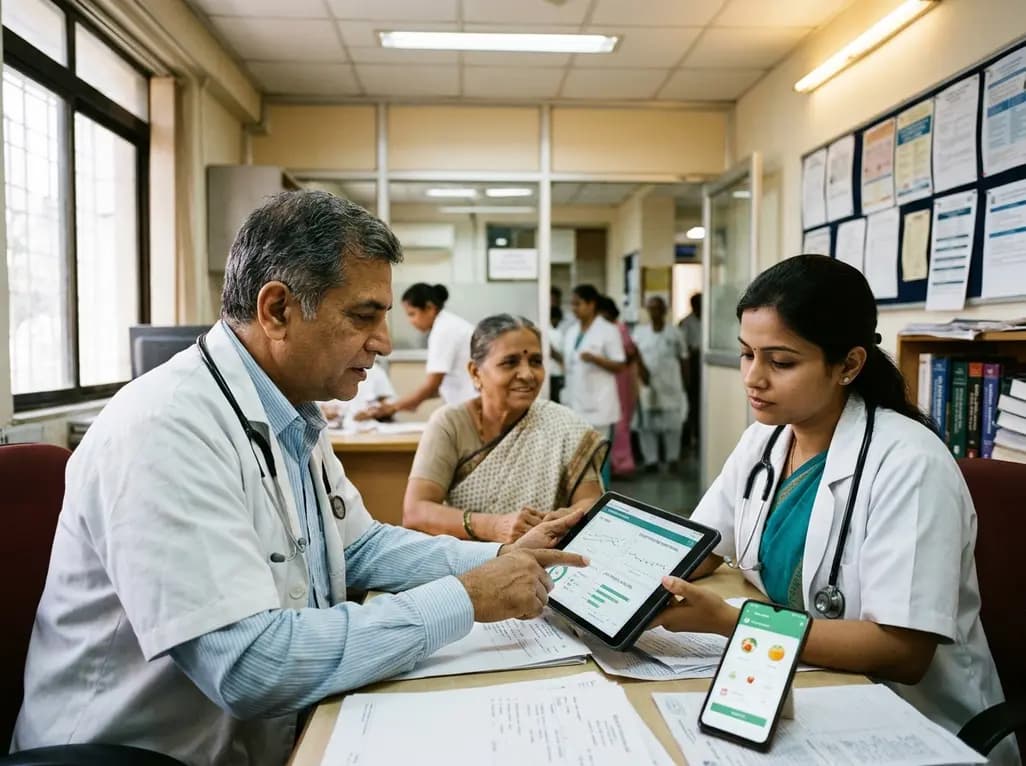
A real-world panel study reveals that an automated diet management app significantly improves BMI, blood pressure, and lipid profiles in employees. Frequent meal self-monitoring yielded distinct sex- and age-specific cardiometabolic benefits, highlighting the clinical potential of digital lifestyle interventions.
Today

A comparative study demonstrates that simple and complex labral tears achieve comparable functional outcomes and low recurrence rates following arthroscopic stabilization for anterior shoulder instability, despite differing clinical presentations and dislocation histories.
Today

A validation study evaluates the consumer-grade InBody Dial H30 bioelectrical impedance device against a 3-compartment criterion in recreationally active adults, revealing a slight overestimation in body fat percentage and underestimation in fat-free mass alongside notable individual limits of agreement.
Today
