

Loading, please wait...
Loading, please wait...
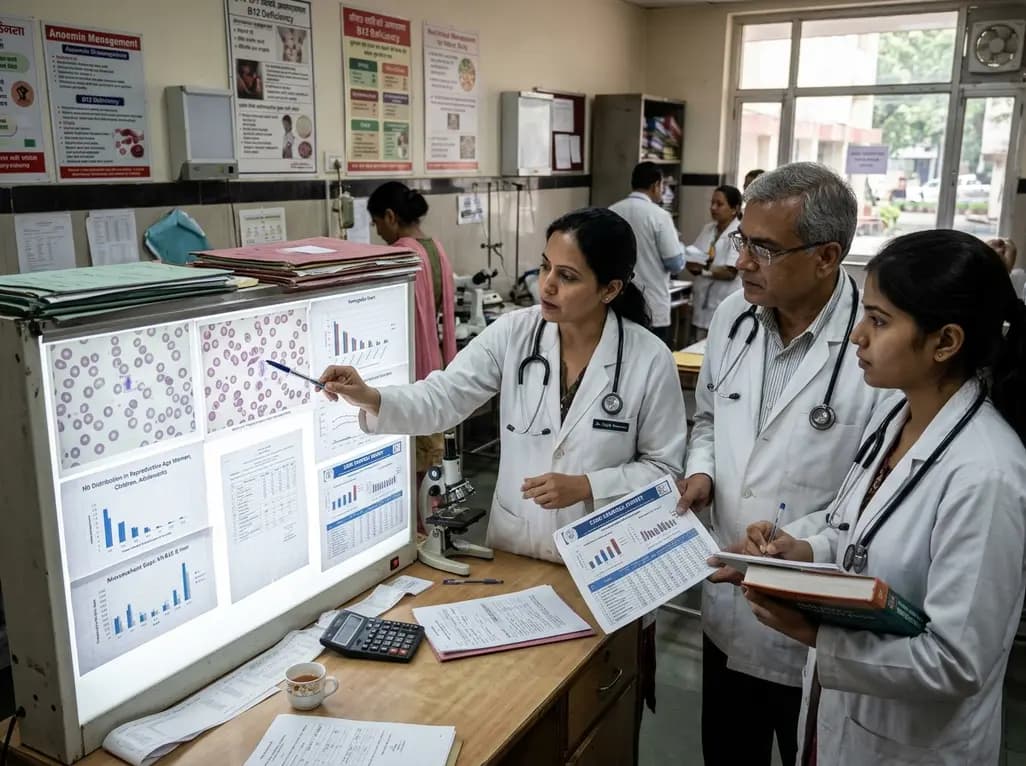
The landmark SAMPADA survey by the Indian Council of Medical Research presents vital data on anaemia prevalence in India across all life stages. By utilizing venous sampling and automated analyzers, this investigation addresses key surveillance gaps. Consequently, these findings offer clinicians clear physiological insights to guide patient management.
The SAMPADA 2023–25 survey assessed over two lakh individuals across thirty-five states and union territories. According to the published data, anaemia prevalence in India remains remarkably high among women of reproductive age. In this demographic, 55.9 percent of non-pregnant and non-lactating women exhibit subnormal haemoglobin levels. Furthermore, lactating women demonstrate even higher vulnerability, reaching an estimated prevalence rate of 58.1 percent. Similarly, 43.6 percent of pregnant women suffer from anaemia despite ongoing antenatal initiatives. In addition, geographical variations are striking. Andaman and Nicobar recorded the highest burden, with an alarming prevalence of 81.2 percent among reproductive-age women.
Moreover, pediatric and adolescent populations display considerable haematological distress across the country. Approximately 41.8 percent of children aged twelve to fifty-nine months have low haemoglobin levels. Among children aged five to nine years, the prevalence stands at 31.3 percent. Adolescents also experience noticeable gender differences. Adolescent girls register a 46.3 percent prevalence rate, whereas adolescent boys record 22.8 percent. Adult men aged twenty to fifty-nine years demonstrate a 22 percent prevalence rate. Importantly, severe anaemia accounts for less than two percent. Therefore, these demographic disparities demand targeted community screening rather than uniform generalized assumptions.
One of the most remarkable discoveries from the survey involves the widespread prevalence of vitamin B12 deficiency. Historically, clinicians primarily linked nutritional anaemia in low-resource settings to inadequate iron intake. However, the survey shows that nearly two-thirds of adolescent girls and boys lack sufficient serum cobalamin. Specifically, 65.4 percent of adolescent girls and 66.1 percent of adolescent boys present with deficiency. Furthermore, 57.4 percent of women of reproductive age and 60.4 percent of adult men exhibit low vitamin B12 levels.
Consequently, this widespread deficit creates profound metabolic and haematological repercussions across all age groups. In addition, 63.1 percent of pregnant women and 51.8 percent of lactating mothers demonstrate marked cobalamin depletion. Vitamin B12 serves as an essential cofactor for nuclear DNA synthesis and red cell maturation. When serum cobalamin drops, erythrocyte development falters, predisposing patients to macrocytic changes and neurological compromise. Furthermore, predominantly plant-based diets lacking dairy or animal products heighten this vulnerability across Indian households. Notably, subclinical deficiency frequently goes undetected without dedicated serum testing. Therefore, clinicians must routinely assess cobalamin markers alongside conventional haematological workups to ensure comprehensive management.
A critical clinical takeaway from the SAMPADA investigation is the substantial divergence between low haemoglobin and low iron stores. Traditionally, healthcare professionals assume that iron deficiency accounts for the vast majority of anaemia cases. However, the survey demonstrated that iron deficiency accompanied anaemia in only 27 percent of adolescent girls and reproductive-age women. This means that nearly three out of four anaemic women showed no biochemical signs of depleted iron stores.
Nevertheless, isolated iron deficiency remains a considerable public health burden across specific life stages. The survey identified iron deficiency in 36.3 percent of adolescent girls and 34.1 percent of reproductive-age women. In contrast, only 10 percent of adolescent boys exhibited low iron reserves. Similarly, 29.6 percent of pregnant women and 23 percent of preschool children showed iron depletion. Because these conditions do not overlap universally, blanket iron administration fails to resolve anaemia in many patients. Additionally, treating non-iron anaemia with iron supplements provides little clinical benefit. Thus, physicians should incorporate serum ferritin and inflammatory markers into diagnostic pathways before escalating iron supplements.
Because nutritional supplements alone cannot cure all haematological deficits, practitioners must investigate non-nutritional causes diligently. Conditions such as beta-thalassaemia trait and sickle cell disease frequently cause microcytic anaemia that mimics iron deficiency. However, administering iron supplements to patients with undiagnosed thalassaemia trait provides zero therapeutic benefit. In fact, repetitive unmonitored iron courses can precipitate dangerous tissue haemosiderosis. Therefore, routine automated red cell indices and high-performance liquid chromatography remain essential diagnostic tools.
In addition, systemic chronic diseases frequently suppress bone marrow function and erythropoiesis through inflammatory pathways. Chronic kidney disease, aplastic anaemia, occult tuberculosis, and autoimmune disorders commonly present with unexplained mild or moderate anaemia. Additionally, secondary endocrinopathies such as untreated hypothyroidism can compromise bone marrow activity. Furthermore, chronic parasitic infections or hidden gastrointestinal blood loss can silently undermine red cell counts. Thus, clinicians must maintain a high index of suspicion when anaemia resists standard therapeutic replacement. By systematically ruling out haemoglobinopathies and systemic inflammation, medical practitioners avoid treatment failures and safeguard long-term organ health. Moreover, routine screening for inherited red cell disorders protects future generations through informed premarital counselling.
To address this multifactorial landscape, medical educators and public health leaders emphasize structured diagnostic algorithms. Collaborations between expert haematologists and the Anaemia Mukt Bharat program seek to streamline case identification at primary healthcare levels. Instead of relying solely on empirical iron supplementation, clinicians should adopt a sequential testing protocol. For example, evaluating complete blood counts, peripheral blood smears, and reticulocyte responses helps categorize the underlying pathophysiological mechanism early.
Moreover, modern clinical protocols advocate for point-of-care discrimination between iron-deficiency anaemia and anaemia of chronic inflammation. Measuring acute-phase reactants like C-reactive protein allows physicians to interpret serum ferritin accurately. In addition, integrating dietary counselling, vitamin B12 supplementation, and periodic deworming provides a sustainable therapeutic framework. Consequently, healthcare institutions can optimize public resources and improve treatment adherence. Furthermore, local healthcare workers should receive regular training to identify red-flag symptoms that necessitate immediate hospital referral. Ultimately, shifting from a monolithic iron-focused strategy toward individualized, precision nutrition ensures superior therapeutic outcomes for patients nationwide. Importantly, primary care providers must establish seamless referral channels with district hospitals to manage complex cases.
Q1: Why do SAMPADA anaemia figures differ from earlier surveys?
Previous national surveys, such as NFHS-5, predominantly utilized capillary blood sampling via finger prick and portable point-of-care photometers. In contrast, the ICMR SAMPADA survey utilized venous blood sampling and automated laboratory analyzers, considered the diagnostic gold standard. Capillary sampling often causes haemodilution, yielding artificially lower haemoglobin levels. Consequently, venous analysis delivers higher analytical accuracy and reproducibility across diverse populations. This explains why SAMPADA reported lower overall anaemia prevalence.
Q2: Why is routine empirical iron therapy discouraged for all anaemic patients?
The SAMPADA survey demonstrated that only 27 percent of anaemic reproductive-age women suffered from concurrent iron deficiency. Non-nutritional etiologies like thalassaemia minor, sickle cell trait, chronic inflammatory diseases, and marrow disorders frequently mimic iron-deficiency anaemia. Administering unnecessary iron supplements fails to elevate haemoglobin in these non-iron conditions. Furthermore, unmonitored iron therapy risks iatrogenic iron overload and tissue damage. Therefore, doctors should confirm biochemical iron deficiency before starting intensive supplementation.
Q3: How should clinicians systematically investigate therapy-resistant anaemia?
When patients fail to respond to nutritional therapy, clinicians should order complete blood counts, red cell indices, and reticulocytes. In addition, practitioners must assess serum ferritin, C-reactive protein, and serum vitamin B12 levels. If microcytosis persists despite normal iron stores, clinicians should perform haemoglobin electrophoresis to exclude haemoglobinopathies. Additionally, physicians should evaluate patients for chronic kidney disease or occult tuberculosis. Finally, clinicians should refer complex cases to specialist haematologists.
Disclaimer: This content is for informational and educational purposes only. It does not constitute medical advice or replace professional judgment. Refer to the latest local and national guidelines for clinical practice.
References

Read summarized clinical updates, watch expert medical content, and earn CME certifications right from your smartphone.
Open your smartphone camera to scan and install.





The ICMR-NIN SAMPADA survey reveals that over 50% of reproductive-age women and over 40% of young children suffer from anaemia, while nearly two-thirds of adolescents lack vitamin B12. Clinicians must look beyond routine iron therapy to address multifactorial causes, hemoglobinopathies, and micronutrient gaps.
Today
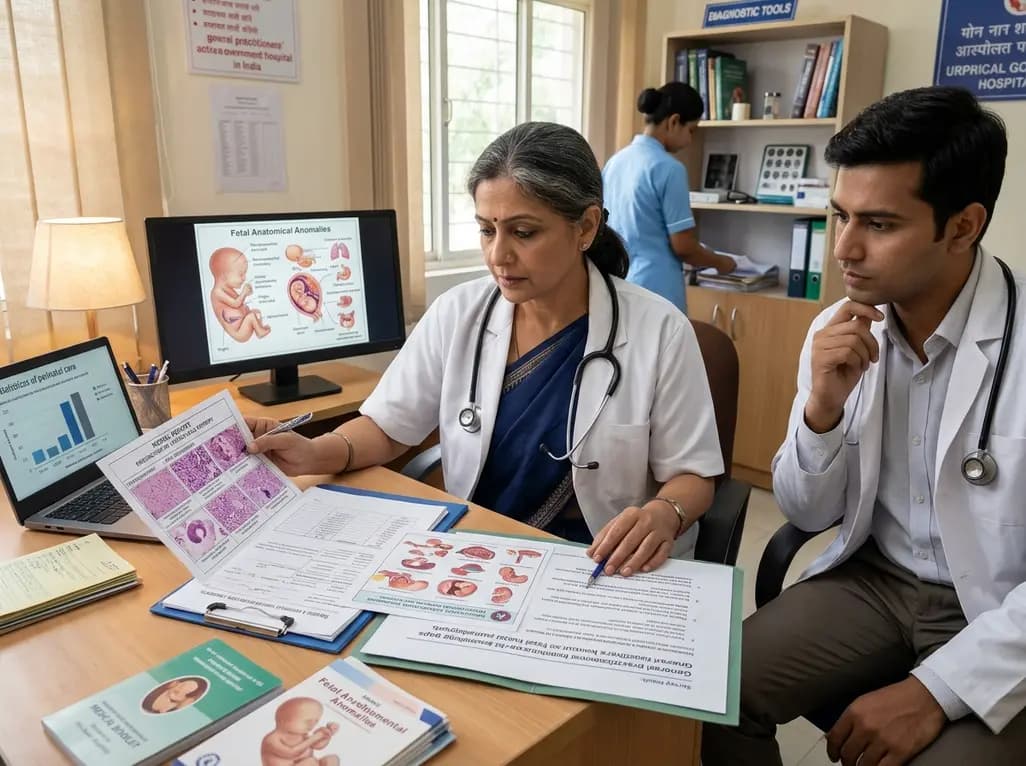
A nationwide survey reveals substantial knowledge gaps among general practitioners regarding fetal pathology and autopsy. Enhanced training and interdisciplinary communication are vital to guide stillbirth evaluation, clarify autopsy consent, and improve preconception counseling for bereaved parents.
Today
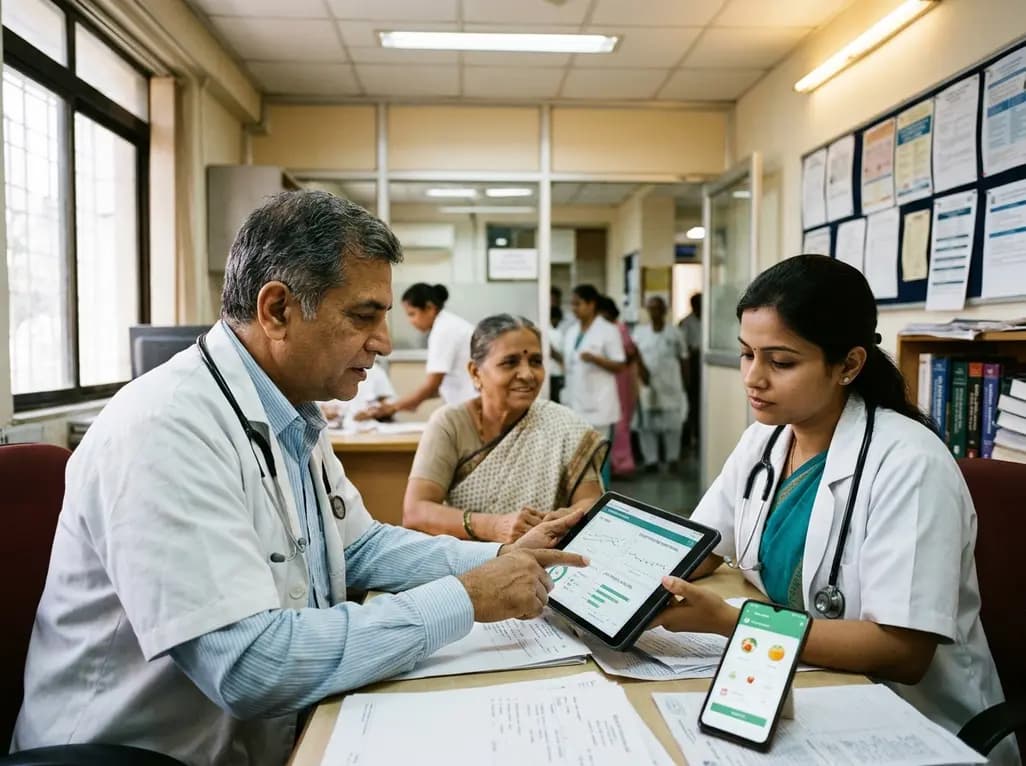
A real-world panel study reveals that an automated diet management app significantly improves BMI, blood pressure, and lipid profiles in employees. Frequent meal self-monitoring yielded distinct sex- and age-specific cardiometabolic benefits, highlighting the clinical potential of digital lifestyle interventions.
Today

A comparative study demonstrates that simple and complex labral tears achieve comparable functional outcomes and low recurrence rates following arthroscopic stabilization for anterior shoulder instability, despite differing clinical presentations and dislocation histories.
Today

A validation study evaluates the consumer-grade InBody Dial H30 bioelectrical impedance device against a 3-compartment criterion in recreationally active adults, revealing a slight overestimation in body fat percentage and underestimation in fat-free mass alongside notable individual limits of agreement.
Today
