

Loading, please wait...
Loading, please wait...

Traumatic anterior shoulder instability represents a common injury confronting sports medicine surgeons. When athletes experience recurrent instability, arthroscopic labral repair provides dependable anatomical restoration and functional recovery. Historically, clinicians assumed that extensive labral disruptions caused poorer postoperative outcomes. However, recent clinical evidence demonstrates that complex tears exhibit distinct presentations while achieving outcomes comparable to isolated anterior tears.
Accurate anatomical categorization forms the foundation for effective surgical planning in glenohumeral instability. Clinicians typically define a simple anterior labral lesion as an isolated Bankart tear located between the 2 o'clock and 6 o'clock positions. Consequently, these classic lesions involve detachment of the anteroinferior labrum and the associated inferior glenohumeral ligament complex. In contrast, complex labral tears extend well beyond this isolated anterior quadrant. Specifically, complex pathology encompasses extensive disruption that travels superiorly into superior labral anterior-to-posterior lesions or extends posteriorly. Furthermore, some high-energy traumatic injuries cause circumferential labral detachment. Because complex tears involve multiple anatomical zones, surgeons previously believed that these widespread tears represented cumulative joint trauma caused by repeated dislocations. Additionally, clinicians worried that larger tears would inherently carry higher recurrence rates. Therefore, differentiating isolated anterior tears from extensive multidirectional disruptions remains critical during preoperative imaging and diagnostic arthroscopy. Modern magnetic resonance arthrography reliably identifies tear extension, enabling operative teams to plan targeted anchor placement.
The clinical presentation of labral injuries provides valuable insights into joint mechanics. Surprisingly, patients with simple anterior tears report a significantly higher frequency of frank dislocation events compared to individuals with complex tears. In recent comparative clinical cohorts, over eighty-five percent of patients with simple tears documented complete joint dislocations. In contrast, individuals suffering from complex labral tears frequently present with subluxation episodes or chronic deep joint pain. Furthermore, the number of prior dislocations does not predict the anatomic size or complexity of the tear. Many surgeons previously hypothesized that recurrent dislocations progressively stretched and disrupted the labrum across adjacent quadrants over time. However, clinical investigations show that symptom duration and total dislocation counts remain similar across both groups. This observation suggests that initial injury mechanics dictate tear complexity rather than sequential dislocations. For example, high-energy traction or compressive axial loads can disrupt superior and posterior anchors during an initial event. Consequently, patients with complex labral tears frequently seek evaluation for mechanical catching or subjective instability rather than gross recurrent displacement.
Achieving joint stability demands rigorous surgical technique regardless of tear dimensions. During arthroscopic labral repair, the surgeon mobilizes the scarred labrum from the glenoid neck. Next, the surgeon decorticates the glenoid bone to create a vascular bed that promotes biological healing. When repairing simple anterior lesions, surgeons place three or four suture anchors to re-establish the anterior bumper. However, complex labral tears require a comprehensive, multi-quadrant reconstruction. The surgeon must address superior biceps detachment or posterior extension without creating capsular overtightening. Moreover, suture tensioning must balance anterior-posterior forces to preserve normal shoulder external rotation. Suture anchors loaded with high-strength tape provide reliable mechanical fixation across all glenoid quadrants. Furthermore, modern biomechanical studies confirm that anatomical labral elevation restores native negative intra-articular pressure. Additionally, clinicians frequently manage concurrent pathology, such as minor capsular laxity or cuff fraying, during stabilization. Therefore, systematic glenoid preparation remains the single most important determinant of durable labral healing. Thus, balanced soft tissue tensioning eliminates abnormal joint translation and protects the surgical repair.
Despite concerns regarding surgical complexity, validated outcome scores show remarkable parity between simple and complex repairs. Postoperative assessments measuring American Shoulder and Elbow Surgeons scores and Single Assessment Numeric Evaluation values show substantial improvements across both cohorts. Furthermore, postoperative Visual Analog Scale pain scores decrease dramatically, confirming durable symptomatic relief. Most importantly, recurrence rates following arthroscopic stabilization show no statistically significant difference between simple and complex tear groups. Approximately ninety percent of patients achieve joint stability without experiencing recurrent dislocations or requiring revision surgery. Similarly, patient satisfaction rates exceed eighty-five percent regardless of original tear extent. Most athletes and active professionals successfully return to their pre-injury level of activity within six to nine months. Although complex tears demand more suture anchors, biological healing appears equally robust when surgeons secure anatomical fixation. Consequently, orthopedic surgeons can reassure patients that extensive labral tearing does not compromise functional recovery or stability. Long-term follow-up reinforces that anatomical repair of all torn segments restores shoulder kinematics effectively, protecting active individuals against early degenerative changes.
Structured postoperative rehabilitation plays a decisive role in protecting repaired labral tissue during biological healing. During the initial four weeks, patients maintain sling immobilization to prevent tensile stress on suture anchors. However, physical therapists initiate active-assisted elbow and wrist exercises immediately to avoid joint stiffness. Subsequently, passive forward flexion and gentle external rotation commence around four to six weeks postoperatively. In contrast to simple repairs, complex tears involving superior or posterior labrum require cautious restriction of external rotation and cross-body adduction. Furthermore, therapists delay resisted biceps loading for up to eight weeks if the surgeon repaired an associated SLAP lesion. Therefore, clinicians must tailor rehabilitation speed according to tear configuration and fixation strength. Additionally, these findings carry practical takeaways for sports medicine practitioners. Clinicians should maintain high suspicion for complex tears in patients who present with mechanical pain rather than frank dislocation. Ultimately, applying patient-specific stabilization protocols allows surgeons to safely restore joint kinematics and return athletes to competitive sports.
Simple labral tears involve an isolated detachment of the anteroinferior glenoid labrum between the 2 o'clock and 6 o'clock positions, compromising the anterior glenohumeral bumper. In contrast, complex labral tears extend across multiple quadrants, incorporating superior SLAP lesions or posterior capsulolabral disruptions. This extensive detachment destabilizes multiple vectors of glenohumeral kinematics, requiring multi-anchor fixation during arthroscopic repair to restore circumferential joint stability and physiological intra-articular pressure.
Patients with simple anterior tears typically experience classic frank anterior dislocations caused by direct anteroinferior translation. Conversely, complex labral tears frequently stem from combined axial loading, twisting, or shearing forces that damage superior and posterior labral structures. Consequently, these patients often report profound mechanical symptoms, deep catching, or micro-instability rather than total joint displacement. Clinicians should therefore maintain high clinical suspicion for complex labral pathology even when patients report no overt dislocation events.
Rehabilitation protocols must reflect the anatomical boundaries of the repair. While simple Bankart repairs focus primarily on anterior protection and progressive external rotation, complex repairs require tailored precautions. When the superior labrum or biceps anchor undergoes repair, therapists must restrict resisted biceps activation for up to eight weeks. Similarly, posterior labral extensions necessitate temporary avoidance of provocative cross-body adduction and internal rotation. Customizing rehabilitation protects healing tissues without delaying overall functional recovery or return to sports.
Disclaimer: This content is for informational and educational purposes only and should not be considered medical advice. Always consult a qualified healthcare professional regarding any medical condition or treatment. Refer to the latest local and national guidelines for clinical practice.
References

Read summarized clinical updates, watch expert medical content, and earn CME certifications right from your smartphone.
Open your smartphone camera to scan and install.





A comparative study demonstrates that simple and complex labral tears achieve comparable functional outcomes and low recurrence rates following arthroscopic stabilization for anterior shoulder instability, despite differing clinical presentations and dislocation histories.
Today

Integrative single-case studies reveal how emotional stress and daily life events dynamically regulate neopterin, a key biomarker of cell-mediated immunity. This methodological breakthrough offers novel biopsychosocial insights for managing autoimmune flares, oncology survivorship, and psychosomatic illness.
Today
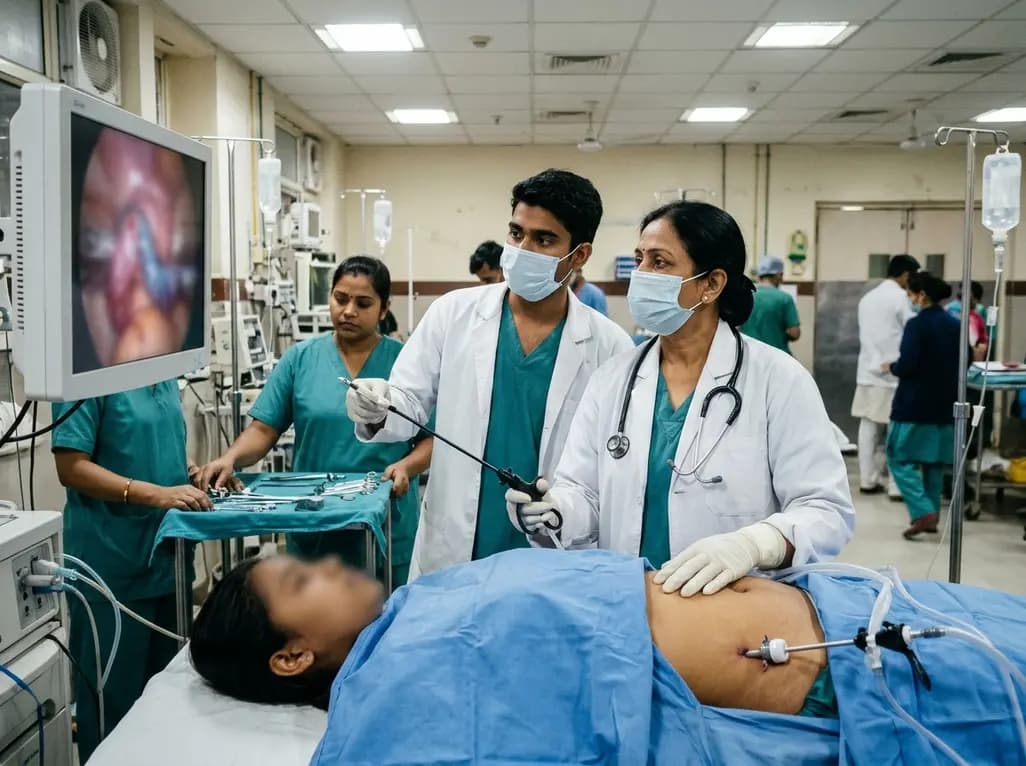
Isolated fallopian tube torsion is an elusive gynecological emergency mimicking acute appendicitis in young females. Early laparoscopy and routine pelvic inspection prevent unnecessary salpingectomy and preserve future fertility.
Today

A nationwide Swedish register study of 46,479 VTE patients found no significant increase in major or fatal bleeding with concomitant DOAC and SSRI therapy compared to DOACs alone, though all-cause mortality was modestly elevated, offering reassuring safety data for clinicians managing both conditions.
Today
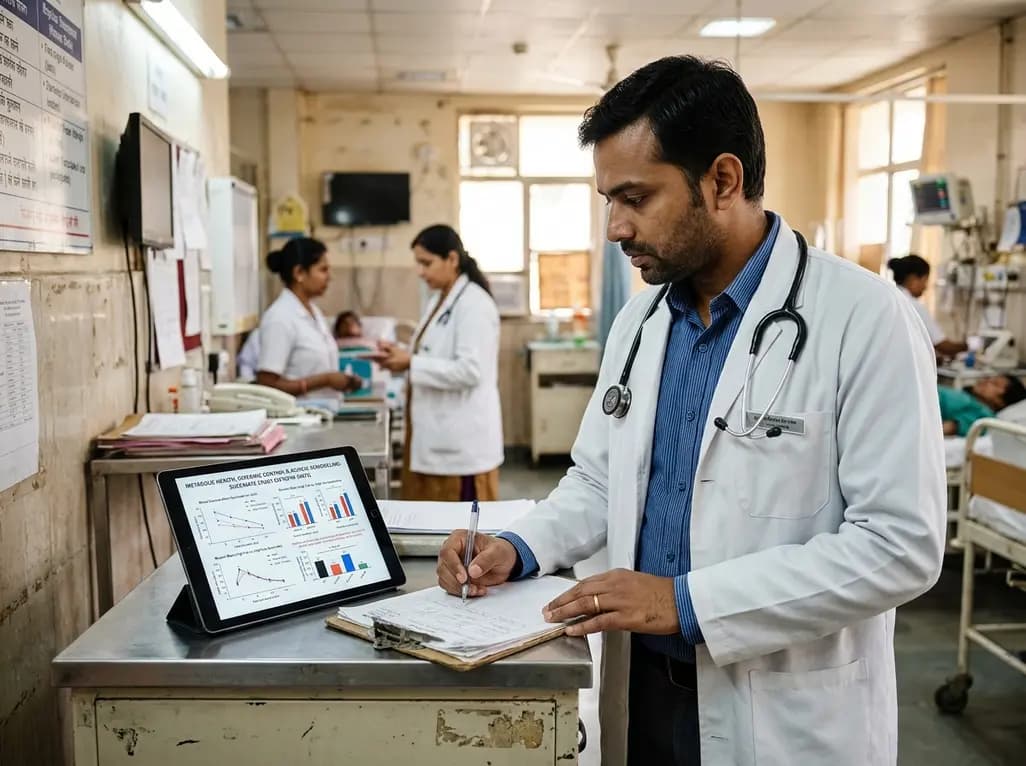
A recent investigation assesses the impact of succinate supplements on metabolic health, energy intake, and muscle remodeling in mice fed high-fat or ketogenic diets. Although succinate briefly blunts hyperphagia, it fails to improve long-term glycemic control or alter skeletal muscle hypertrophy.
Today
