

Loading, please wait...
Loading, please wait...

Lifestyle-related cardiometabolic disorders represent an escalating public health crisis worldwide. Consequently, digital health interventions are rapidly emerging as scalable solutions to support personal wellness. Furthermore, recent workplace investigations show that an automated diet management app can significantly enhance daily metabolic health. By tracking routine nutritional intake, individuals gain actionable behavioral insights that encourage healthier choices over time.
Preventive cardiology increasingly emphasizes the importance of continuous nutritional awareness. While traditional clinician-led dietary counseling delivers robust outcomes, severe resource constraints frequently limit its widespread availability. Therefore, automated digital applications provide an accessible and cost-effective alternative for routine population screening and lifestyle modification. A large panel study recently examined the real-world utility of a smartphone-based dietary logging system among Japanese corporate employees. Researchers evaluated linked datasets spanning annual health checkups, medical insurance claims, and real-time app interaction records. Specifically, the investigators tracked the frequency of daily meal recordings over a continuous ninety-day observation window preceding health checkups. The findings revealed that consistent digital engagement generated statistically significant reductions in overall body mass index. Users who maintained regular meal records exhibited notable physical improvements compared to sporadic users. Moreover, the study controlled for individual fixed effects, thereby eliminating time-invariant confounding variables such as baseline genetic factors or inherent personal motivation. Consequently, these robust data suggest that automated self-monitoring actively fosters daily mindful eating habits. Clinicians can therefore consider digital lifestyle tools as valuable therapeutic adjuncts in preventive health strategies.
Interestingly, the panel data revealed distinct physiological differences between male and female participants. Male employees demonstrated statistically significant improvements in multiple objective markers, including waist circumference, systolic blood pressure, and low-density lipoprotein cholesterol. Furthermore, their body mass index decreased steadily as daily recording frequency increased. In contrast, female participants achieved an even greater magnitude of weight reduction per logged meal. Women also exhibited substantially lower probabilities of developing metabolic syndrome and dysregulated blood glucose. These physiological disparities likely reflect fundamental sex-specific variations in metabolic regulation, dietary behavior, and baseline body composition. For instance, male workers frequently consume energy-dense processed meals outside the home during busy work schedules. Consequently, digital logging prompts men to restrict portion sizes and curb excessive caloric consumption. Meanwhile, female users often display heightened sensitivity to macronutrient distribution, translating nutritional feedback into superior glycemic control. In addition, the real-world nature of this corporate cohort confirms that mobile health solutions produce clinically meaningful biological changes across both sexes. Therefore, healthcare providers should incorporate sex-specific considerations when guiding patients toward lifestyle intervention apps.
The investigation also evaluated how age and baseline health status influence clinical outcomes. Notably, younger employees aged forty years or younger achieved the most pronounced reductions in body mass index. In addition, participants with poorer baseline cardiometabolic status experienced greater weight reduction compared to their healthier counterparts. These findings indicate that individuals with pre-existing metabolic vulnerabilities experience amplified benefits from structured dietary feedback. Conversely, participants aged fifty years and older demonstrated a remarkably different physiological response pattern. Among older users, frequent app logging produced marked improvements in blood pressure and lipid fractions without causing massive weight loss. This pattern suggests that older adults may use digital tools to refine dietary composition rather than drastically restrict total caloric intake. For example, older employees frequently substitute refined carbohydrates with nutrient-dense fiber, which improves vascular elasticity and endothelial function directly. Furthermore, digital interfaces appear highly acceptable across different generations in modern corporate environments. Thus, digital therapeutic platforms offer broad clinical utility across varied demographic groups. Clinicians can consequently tailor digital recommendations based on individual age, baseline metabolic risk, and specific clinical targets.
Beyond direct clinical markers, researchers investigated whether mobile lifestyle tools lower immediate corporate medical costs. Interestingly, the statistical models detected no significant association between app usage frequency and short-term healthcare expenditures. However, medical specialists recognize that chronic cardiometabolic conditions develop over multiple decades. Consequently, short follow-up periods rarely capture major financial savings resulting from avoided cardiovascular events or delayed diabetes progression. Nevertheless, the underlying behavioral mechanisms remain highly compelling for preventive medicine. Habitual dietary self-monitoring forces continuous self-reflection, disrupting automatic eating routines and emotional food consumption. Moreover, automated nutritional visualization enhances health literacy by instantly quantifying hidden sodium, saturated fats, and refined sugars. As a result, users make proactive nutritional substitutions throughout their daily working routines. Furthermore, regular feedback loops reinforce personal accountability without generating significant psychological fatigue. While health insurance associations might not observe immediate fiscal savings within a twelve-month framework, long-term economic dividends remain biologically probable. Therefore, future health economic studies should track patient cohorts over extended multi-year horizons to measure cumulative cost offsets accurately.
These findings offer critical insights for healthcare practitioners managing metabolic syndrome across urban India. The escalating burden of early-onset type 2 diabetes and premature coronary artery disease demands scalable preventive strategies. In particular, Indian corporate employees routinely encounter high occupational stress, prolonged sedentary work hours, and carbohydrate-dense diets. Consequently, implementing digital nutrition management within employee wellness programs could mitigate substantial public health risks. Primary care physicians and endocrinologists can actively recommend validated mobile tracking tools alongside medical nutrition therapy. Furthermore, digital food diaries empower patients to identify cultural dietary pitfalls, such as excess ghee, refined flour, and deep-fried snacks. In addition, routine self-monitoring bridges the communication gap between clinical visits, supplying doctors with valuable real-world behavioral trends. However, practitioners must ensure that patients maintain consistent engagement, because sporadic tracking yields negligible clinical benefits. Healthcare systems must also develop culturally tailored applications with regional Indian food databases to ensure accurate nutritional logging. By combining mobile health tools with physician-led clinical care, Indian doctors can substantially improve chronic disease prevention across diverse working populations.
Digital applications cannot replace personalized clinical consultations with qualified healthcare providers. Although an automated diet management app offers excellent nutritional feedback and scalable daily tracking, it lacks comprehensive medical diagnostic capabilities. Physicians and clinical dietitians provide critical individualized care, evaluate underlying pathologies, adjust pharmacological regimens, and address complex metabolic disorders. Therefore, clinicians should view digital health applications as complementary behavioral tools that enhance patient compliance alongside regular professional clinical oversight.
Frequent dietary logging fosters heightened cognitive awareness regarding caloric intake and macronutrient quality. When individuals consistently record their meals, they disrupt unconscious eating behaviors and reduce impulsive snacking throughout the workday. Furthermore, automated nutrient analyses provide immediate visual cues concerning excess sodium, fats, and refined carbohydrates. Consequently, users proactively modify their portion sizes and choose healthier nutritional alternatives, which subsequently leads to meaningful reductions in blood pressure, lipids, and weight.
Clinical evidence demonstrates that younger adults and individuals with elevated baseline cardiometabolic risks experience the greatest anthropometric improvements. Younger patients adapt quickly to mobile interfaces and achieve substantial weight loss through active engagement. However, older individuals also derive profound clinical advantages, demonstrating significant reductions in blood pressure and dyslipidemia without marked weight loss. Therefore, digital dietary interventions offer versatile clinical utility across varied demographic groups when personalized to specific metabolic targets.
Disclaimer: This content is for informational and educational purposes only and does not constitute medical advice, diagnosis, or treatment. Healthcare professionals should exercise their independent clinical judgment when managing patients. Patients must seek guidance from a qualified physician regarding their specific medical conditions or dietary regimens. Refer to the latest local and national guidelines for clinical practice.
References

Read summarized clinical updates, watch expert medical content, and earn CME certifications right from your smartphone.
Open your smartphone camera to scan and install.





A real-world panel study reveals that an automated diet management app significantly improves BMI, blood pressure, and lipid profiles in employees. Frequent meal self-monitoring yielded distinct sex- and age-specific cardiometabolic benefits, highlighting the clinical potential of digital lifestyle interventions.
Today
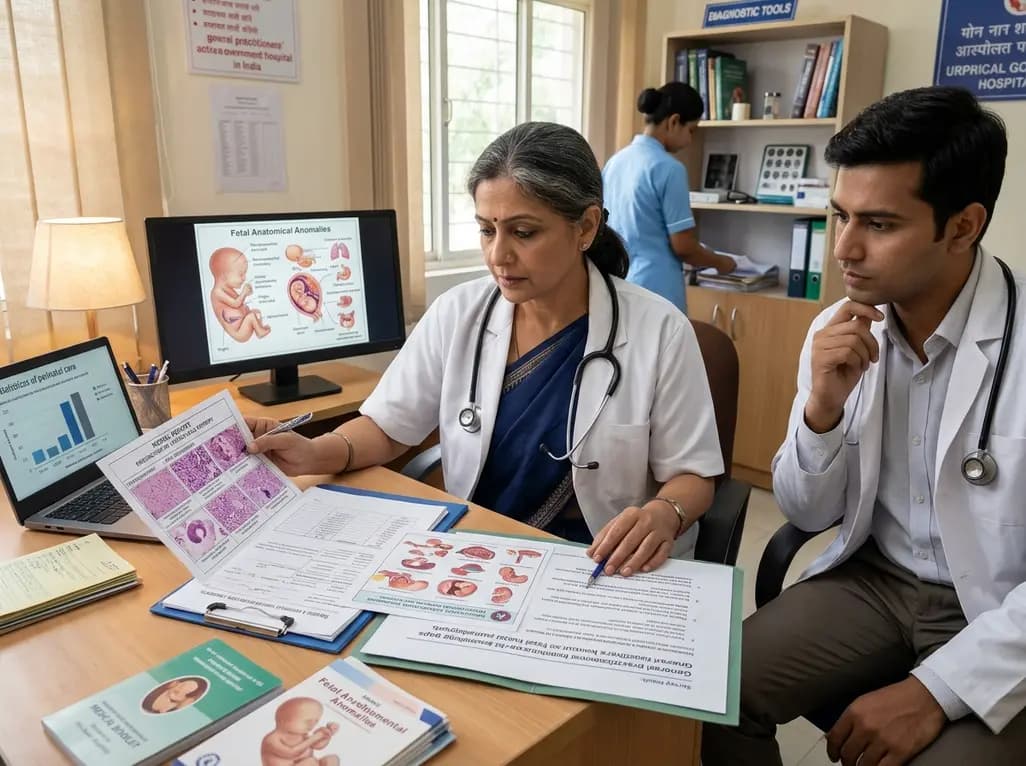
A nationwide survey reveals substantial knowledge gaps among general practitioners regarding fetal pathology and autopsy. Enhanced training and interdisciplinary communication are vital to guide stillbirth evaluation, clarify autopsy consent, and improve preconception counseling for bereaved parents.
Today
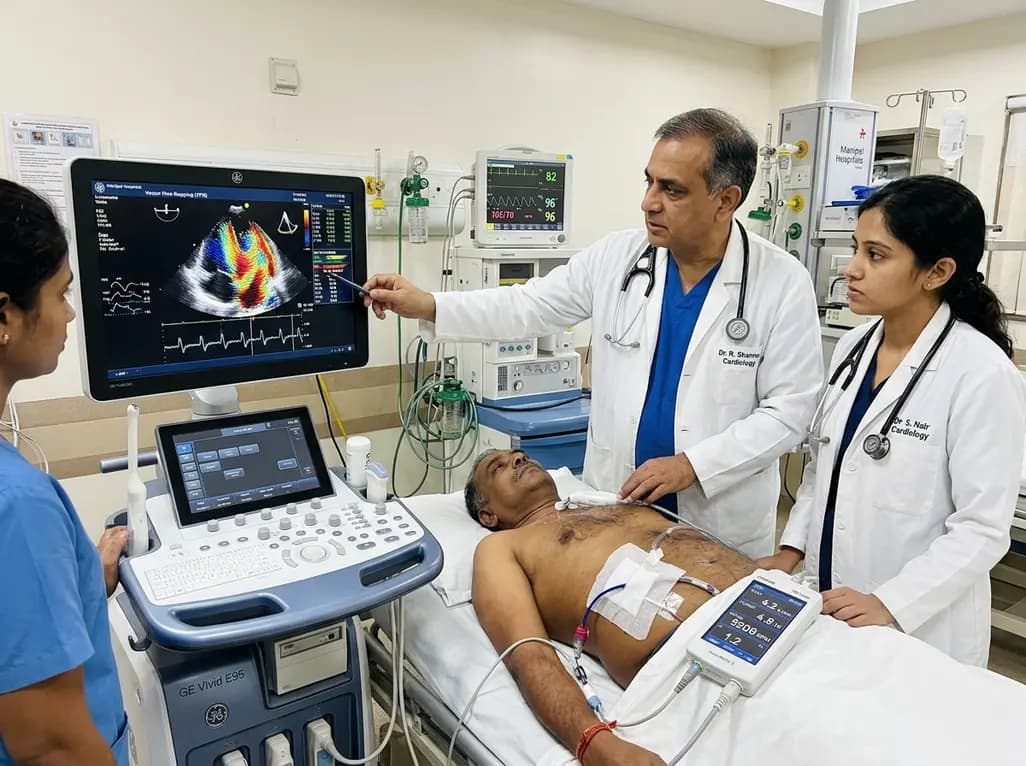
A pilot study shows that transesophageal echocardiography with vector flow mapping measures intraventricular energy loss in HeartMate 3 LVAD recipients. Energy loss significantly correlates with controller-displayed pump flow, offering clinicians deeper insights into ventricular unloading and intracardiac fluid mechanics.
Today

A comparative study demonstrates that simple and complex labral tears achieve comparable functional outcomes and low recurrence rates following arthroscopic stabilization for anterior shoulder instability, despite differing clinical presentations and dislocation histories.
Today

A validation study evaluates the consumer-grade InBody Dial H30 bioelectrical impedance device against a 3-compartment criterion in recreationally active adults, revealing a slight overestimation in body fat percentage and underestimation in fat-free mass alongside notable individual limits of agreement.
Today
