.webp&w=384&q=75)

Loading, please wait...
Loading, please wait...
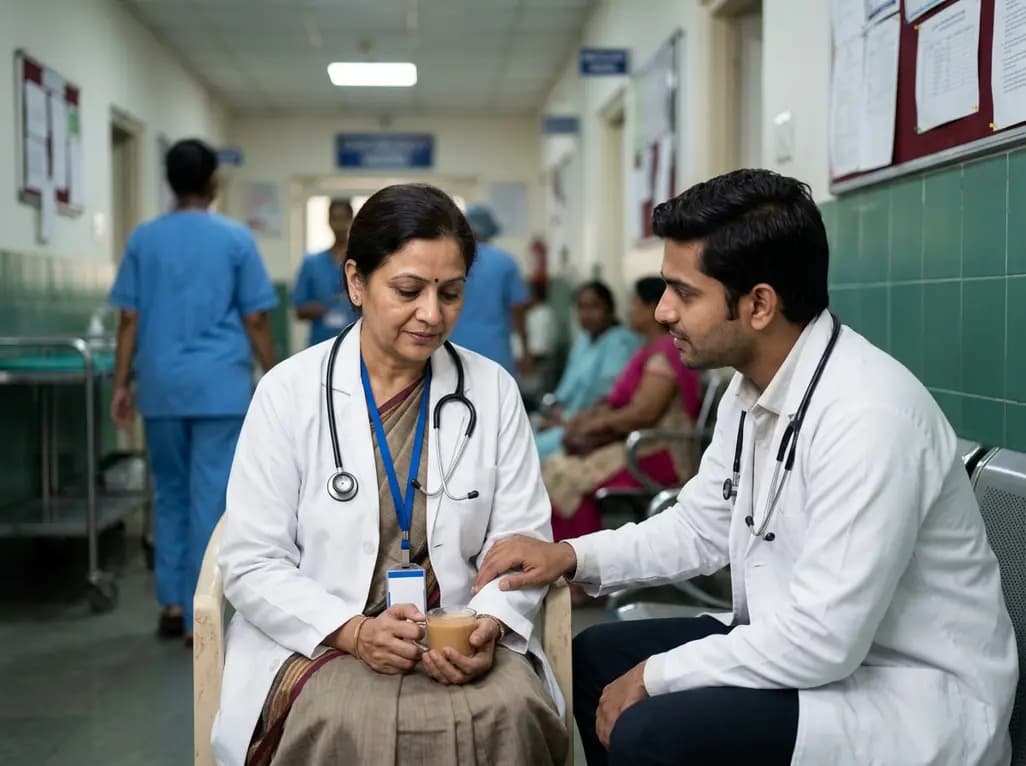
Oncology professional burnout is a complex phenomenon that transcends traditional exhaustion models. While general physician distress is well-documented, those in cancer care face unique psychological mechanisms. These clinicians operate in a landscape defined by sustained exposure to suffering and high mortality rates. Consequently, they often experience deep-seated emotional labor and moral complexity. Standard burnout models often fail to capture these intricate nuances.
Recent psychological frameworks emphasize that clinician distress often stems from cumulative trauma. In India, for instance, the oncologist-to-patient ratio is approximately 1:2,000. This massive disparity creates a high-pressure environment where decision-making fatigue becomes a daily reality. Furthermore, moral injury occurs when systemic barriers prevent doctors from providing the care they believe patients deserve. These challenges lead to embodied stress, where emotional pain manifests as physical symptoms over time.
To support clinician well-being, we must move beyond individual resilience training. Institutional policy should integrate trauma-informed perspectives into the workplace. This approach recognizes that grief and distress are interconnected psychological processes rather than discrete symptoms. However, current organizational models often overlook these internal vulnerabilities. By bridging the gap between psychodynamic understanding and organizational support, we can better protect those dedicated to cancer care.
Burnout usually involves exhaustion and reduced efficacy due to workplace stress. Conversely, moral injury describes the psychological distress caused by witnessing or participating in acts that transgress deeply held moral beliefs. For example, a clinician might feel moral injury when unable to provide life-saving care due to resource shortages.
Oncology professionals deal with high mortality rates and maintain long-term relationships with patients facing life-threatening illnesses. Therefore, the emotional labor required is significantly higher than in many other medical specialties. This leads to unique risks like cumulative trauma and grief.
Disclaimer: This content is for informational and educational purposes only and does not constitute medical advice. Refer to the latest local and national guidelines for clinical practice.
References
Olazagasti C et al. Healing healers: Trauma, moral injury, and embodied stress in Oncology Professionals-A mini-review of psychological frameworks. J Health Psychol. 2026 Jun 11. doi: 10.1177/13591053261458200. PMID: 42273836.
Bansal A et al. Burnout among Oncologists in India: Challenges in Outpatient Department Practice and the Way Forward. JCO Glob Oncol. 2023;9:e2300067.
Pei M et al. The Patient in the Mirror: Understanding the Role of Doctor as Patient Through Media. Prim Care Companion CNS Disord. 2026;28(3):26m04196.

Read summarized clinical updates, watch expert medical content, and earn CME certifications right from your smartphone.
Open your smartphone camera to scan and install.





Oncology professionals face unique mental health challenges like moral injury and cumulative trauma. This review explores integrated psychological frameworks and institutional policies required to address clinician burnout and promote well-being in high-mortality medical specialties.
4 months ago

Following regulatory scrutiny from FSSAI regarding promotional representations and lean muscle preservation claims, Dr. Reddy's Laboratories and Nestlé Health Science are currently reviewing the branding and marketing strategy for their joint nutritional supplement Celevida GLP+.
Today
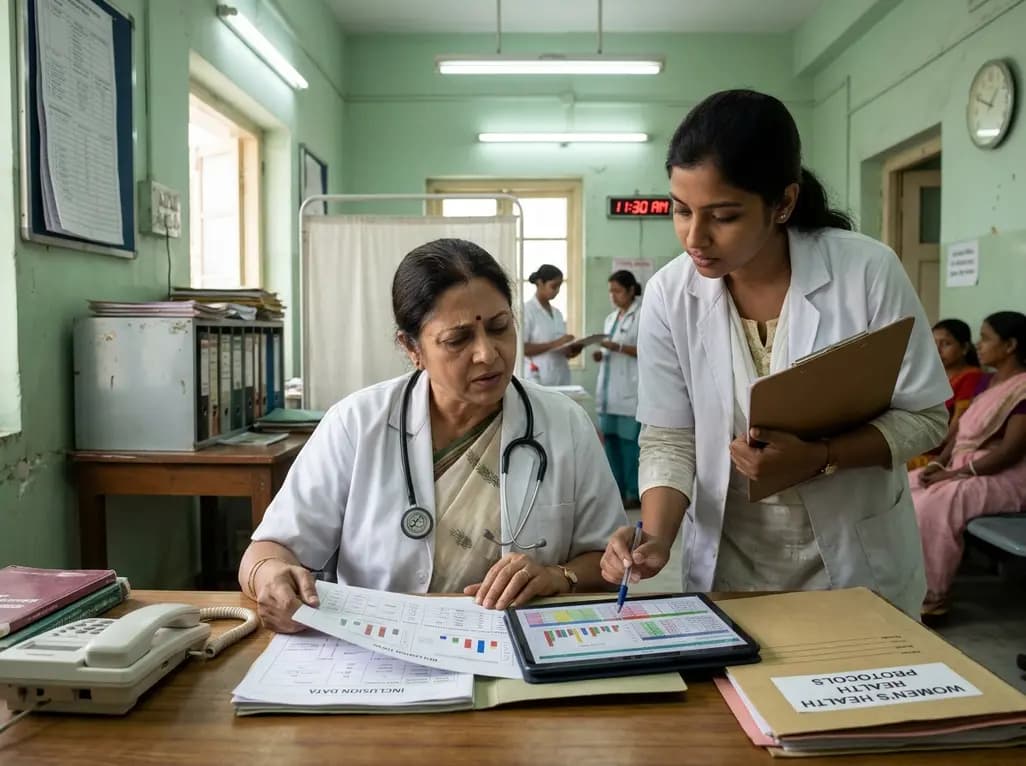
Demanding exhaustive hormonal profiling can inadvertently discourage clinical studies involving females. Methodological standards must align with the specific scientific question to expand, not restrict, equitable evidence for women.
Today

The Directorate General of Health Services directs Indian states to halt the hazardous reuse and reprocessing of single-use medical devices. Discover regulatory implications under the Drugs and Cosmetics Act, critical infection risks, legal liabilities, and operational changes required across clinical specialties.
Today
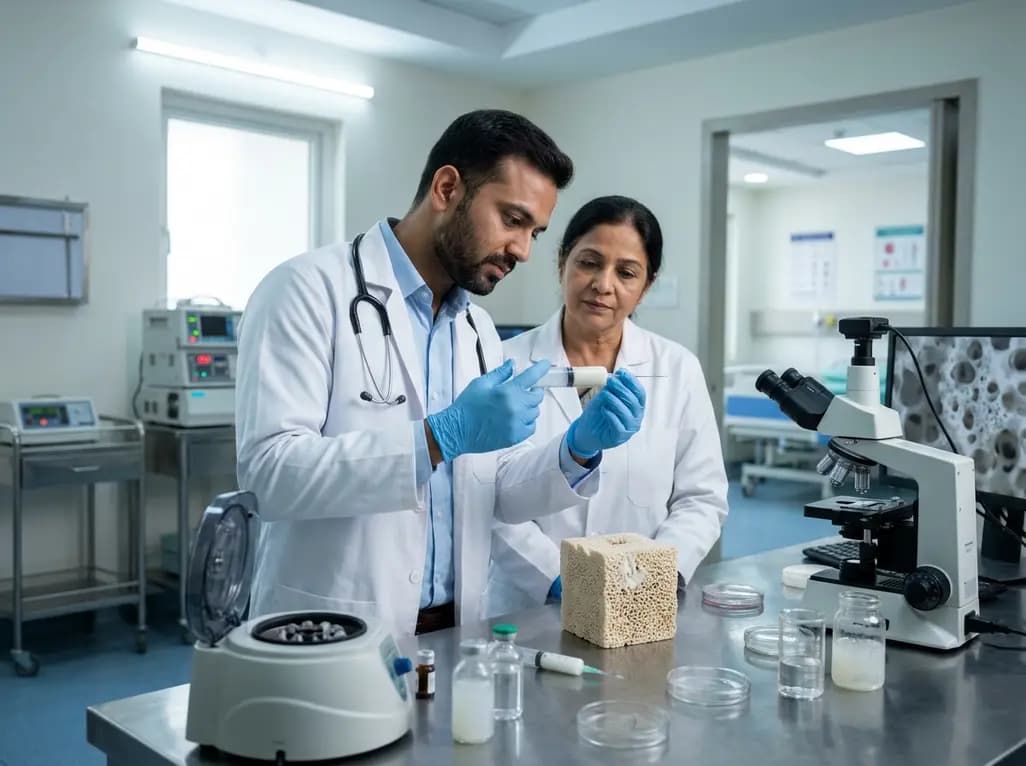
A novel calcium polyphosphate coacervate enables injectable bone implants with in situ hierarchical porosity via phase separation and gas foaming, significantly enhancing cell proliferation, energy metabolism, and osteogenic differentiation for minimally invasive bone defect repair.
Today

India is advancing preventive healthcare by integrating genomics, artificial intelligence, and quantum technologies. With the SANGAM programme sequencing one million Indian genomes, clinicians can unlock personalized therapies, detect cardiometabolic risks early, and curb the burden of diabetes and heart disease.
Today
