.webp&w=384&q=75)

Loading, please wait...
Loading, please wait...
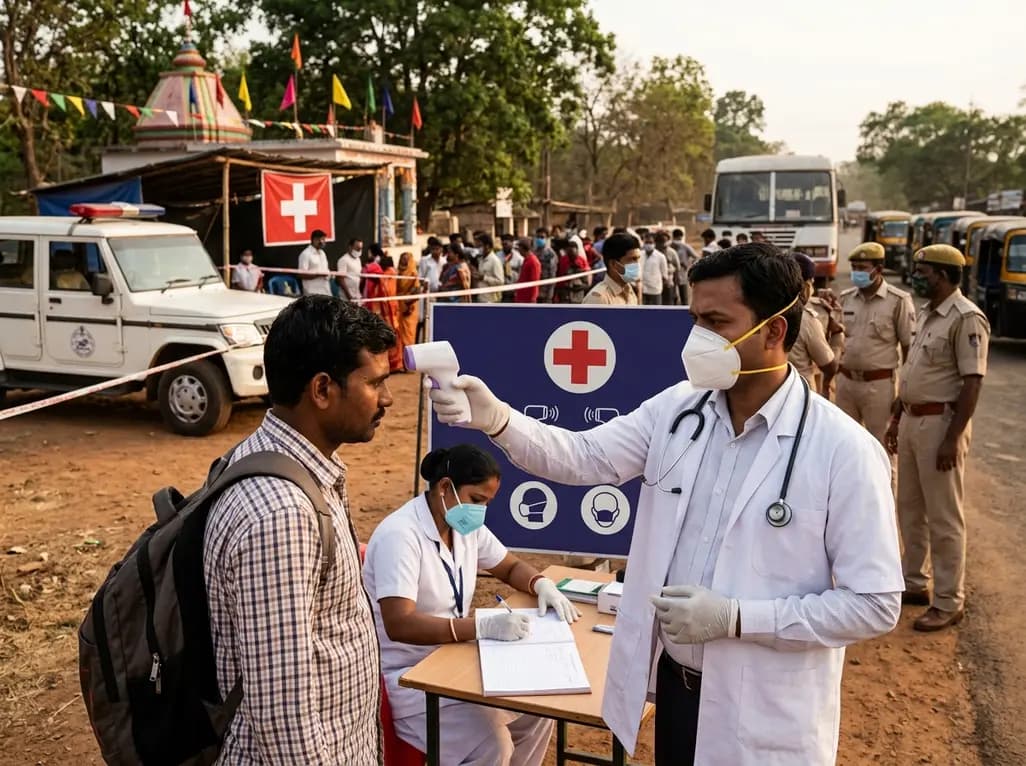
In response to rising cases in neighbouring Andhra Pradesh, Odisha has proactively initiated Odisha COVID-19 surveillance measures. State Public Health Director Dr. Rabindranath Mishra announced that vigilance has been intensified, especially across border areas. Consequently, health administrators are strengthening diagnostic capabilities and screening protocols to identify potential infections. Although no positive cases have been detected in Odisha so far, authorities urge everyone to remain highly alert. This proactive surveillance ensures that any imported cases are promptly detected, isolated, and managed according to standard protocols.
The current containment strategy focuses on reinforcing border check posts, particularly in Ganjam, Gajapati, and Koraput. Because these regions witness high volumes of daily interstate migration, they present a higher risk for disease transmission. Chief District Medical Officers (CDMOs) have received instructions to establish dedicated screening camps at entry points. Health teams are actively monitoring travellers for symptoms such as fever, cough, and breathlessness. Furthermore, anyone exhibiting influenza-like illness (ILI) is being directed to local healthcare facilities for immediate testing. By maintaining strict vigilance, the health department aims to prevent regional spread of the virus. This rapid clinical response ensures that suspected cases do not go unnoticed. Additionally, local communities are being educated to report any symptomatic individuals arriving from neighbouring states. Through these coordinated public health actions, Odisha is ensuring comprehensive defense preparedness and safety. Auxiliary nurse midwives are also conducting door-to-door awareness campaigns to educate local households about primary symptoms.
To systematically identify hidden transmission chains, the state has mandatorily integrated testing protocols into routine clinical workflows. Healthcare facilities must conduct mandatory diagnostic testing for all patients presenting with Severe Acute Respiratory Illness (SARI). Furthermore, hospitals are directed to perform random diagnostic checks on at least five percent of patients presenting with Influenza-Like Illness (ILI). This clinical approach helps epidemiologists track the virus's activity even in patients with mild symptoms. Physicians have been advised to keep a high index of suspicion during routine outpatient consultations. Early detection of respiratory pathogens is crucial to preventing localized outbreaks within hospital premises. Moreover, clinics have established separate triage areas to isolate symptomatic individuals immediately upon arrival. This step prevents cross-infection among non-COVID patients seeking routine medical care. Dedicated medical teams are being trained to handle potential surges while ensuring that routine healthcare services remain completely uninterrupted. Additionally, hospitals are reviewing patient flows to prevent waiting area congestion.
Diagnostic laboratories across all districts have been placed on high alert to process samples without delay. The state health department is utilizing both rapid antigen tests and RT-PCR tests to ensure maximum diagnostic accuracy. In line with central guidelines, all positive samples collected from SARI patients will be sent for whole genome sequencing. This advanced molecular surveillance is critical for identifying any emerging variants of concern that might bypass prior immunity. The ICMR Virus Research and Diagnostic Laboratory network will lead the genomic analysis. Meanwhile, district hospitals have successfully audited their diagnostic stockpiles, ensuring an uninterrupted supply of testing kits and reagents. Microbiologists and lab technicians are working in extended shifts to deliver rapid results. Consequently, this robust testing infrastructure provides real-time epidemiological data, allowing health administrators to make informed decisions. Medical officers are also reviewing the state's storage facilities to maintain vaccine efficacy, ensuring all biological samples are perfectly preserved.
Alongside diagnostic surveillance, Odisha is rapidly assessing and reinforcing its clinical infrastructure to manage potential surges. All district headquarters hospitals have been instructed to keep isolation wards and dedicated ICU beds fully functional. Furthermore, engineering teams have successfully audited Pressure Swing Adsorption (PSA) oxygen plants, oxygen concentrators, and backup cylinders. These critical life-support systems are now fully operational and ready for immediate clinical deployment. Essential medicines, including antivirals, antibiotics, and supportive therapies, have been stockpiled in adequate quantities. Hospital superintendents are conducting regular mock drills to ensure rapid mobilization of emergency staff. This operational readiness minimizes response times during critical care scenarios. Additionally, protective equipment, such as N95 masks and personal protective equipment kits, has been distributed to frontline healthcare workers. By focusing on resource optimization, the state ensures that medical staff can work safely and efficiently. These safety measures are designed to preserve healthcare workforce capacity during critical times.
The upcoming annual Rath Yatra festival, which attracts millions of devotees from across India to Puri, presents a unique epidemiological challenge. Mass gatherings naturally facilitate the rapid transmission of respiratory pathogens. Therefore, health authorities are deploying special medical units along the transit routes and in the temple town. Mobile testing vans will be stationed at key locations to provide rapid diagnostic services. The health department has issued public advisories encouraging devotees to wear masks and practice hand hygiene during the festivities. Anyone showing respiratory symptoms is strongly advised to avoid public gatherings and seek immediate medical evaluation. Temporary isolation centres are being set up near the festival venue to manage any emergencies. Through public education campaigns, the government aims to balance religious traditions with strict health protocols. Consequently, these comprehensive guidelines will help mitigate the risks associated with large-scale human movement. Active collaboration between civic bodies and health departments ensures a highly prepared environment.
Q1: Why has the Odisha government stepped up COVID-19 surveillance?
The state government intensified surveillance because neighbouring Andhra Pradesh reported fresh coronavirus infections and suspected COVID-19-related deaths in Kadapa district. Due to frequent interstate travel and the upcoming Rath Yatra festival, which draws lakhs of devotees, Odisha is taking proactive screening and testing measures in border districts to detect any imported infections early and prevent local transmission.
Q2: What are the diagnostic testing protocols currently being followed in Odisha?
Odisha has mandated testing for all Severe Acute Respiratory Illness (SARI) patients visiting healthcare facilities. Additionally, hospitals must conduct random COVID-19 testing on at least five percent of patients exhibiting Influenza-Like Illness (ILI) symptoms. Positive SARI samples are sent for whole genome sequencing to track emerging variants and prevent unexpected surges. These protocols ensure comprehensive diagnostic surveillance across both mild and severe cases.
Q3: What infrastructure measures are in place to handle potential COVID-19 cases?
The state has directed hospitals to ready isolation wards and oxygen-supported beds. It has also ensured that PSA oxygen plants, oxygen concentrators, and cylinders are fully functional. Hospitals have stockpiled essential medicines, personal protective equipment, and diagnostic kits, while medical staff are conducting mock drills to ensure clinical preparedness. This dual focus on infrastructure and training equips hospitals to manage potential patient surges effectively.
Disclaimer: This content is for informational and educational purposes only. It does not constitute medical advice or replace professional judgment. Refer to the latest local and national guidelines for clinical practice.
References

Read summarized clinical updates, watch expert medical content, and earn CME certifications right from your smartphone.
Open your smartphone camera to scan and install.





Following rising COVID-19 cases in neighbouring Andhra Pradesh, the Odisha government has activated a comprehensive public health response. This article examines the state's clinical preparedness, screening protocols at borders, and the safety measures deployed for the upcoming Rath Yatra festival.
3 months ago

A landmark 12-year longitudinal study highlights significant reductions in opioid prescribing for nonspecific low back pain following clinical guidelines and prescription monitoring systems, emphasizing non-opioid multimodal pain care.
Today
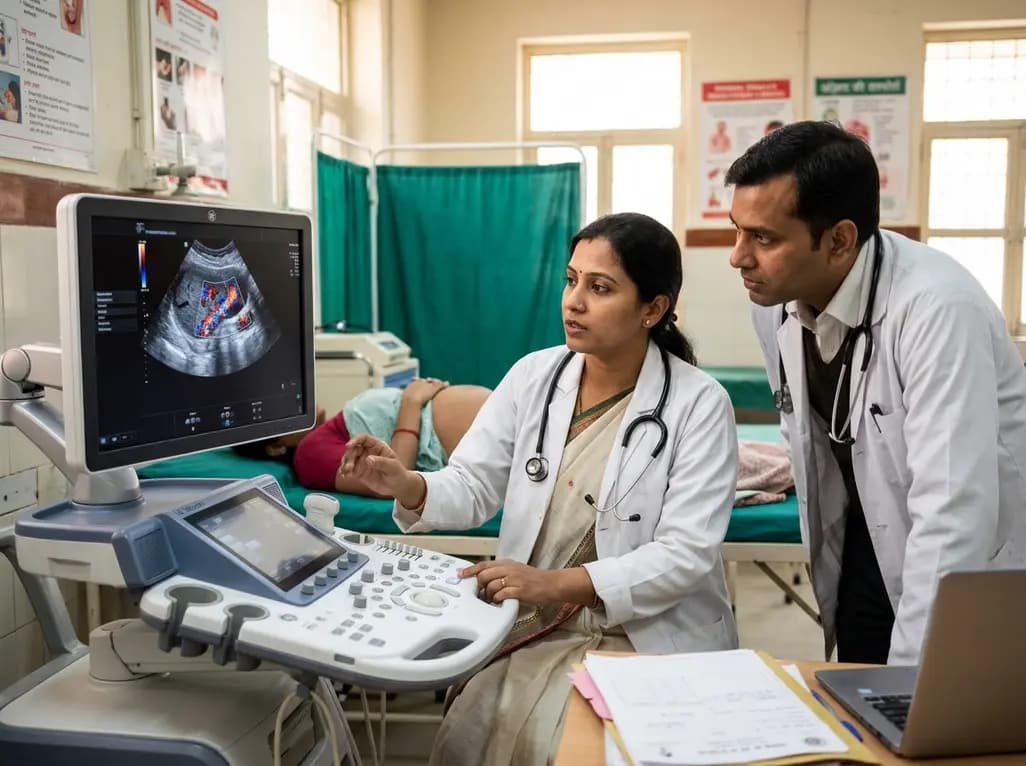
A study in Ultrasound in Obstetrics & Gynecology shows that quantitative vascularization of the anterior fornix/cervix with transvaginal ultrasound reliably identifies placenta accreta spectrum and predicts severe intraoperative hemorrhage, offering vital objective risk stratification.
Today
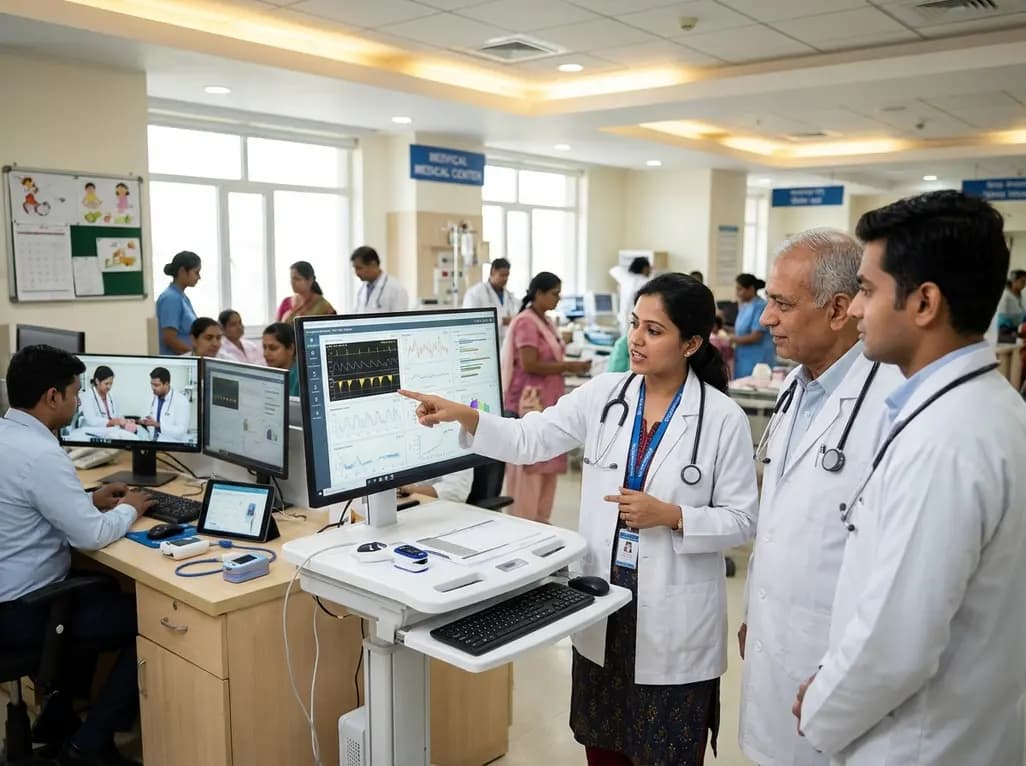
A landmark study details how an enterprise pediatric remote patient management model expanded from a single cardiology pilot to 16 diverse specialty programs by combining centralized digital operations with specialty clinical leadership.
Yesterday
A breakthrough study shows that 3D-planned corrective osteotomy successfully resolves distal radioulnar joint instability in pediatric diaphyseal forearm malunions. The precise osseous realignment eliminates chronic wrist pain and restores joint function without requiring secondary soft-tissue reconstruction.
Today
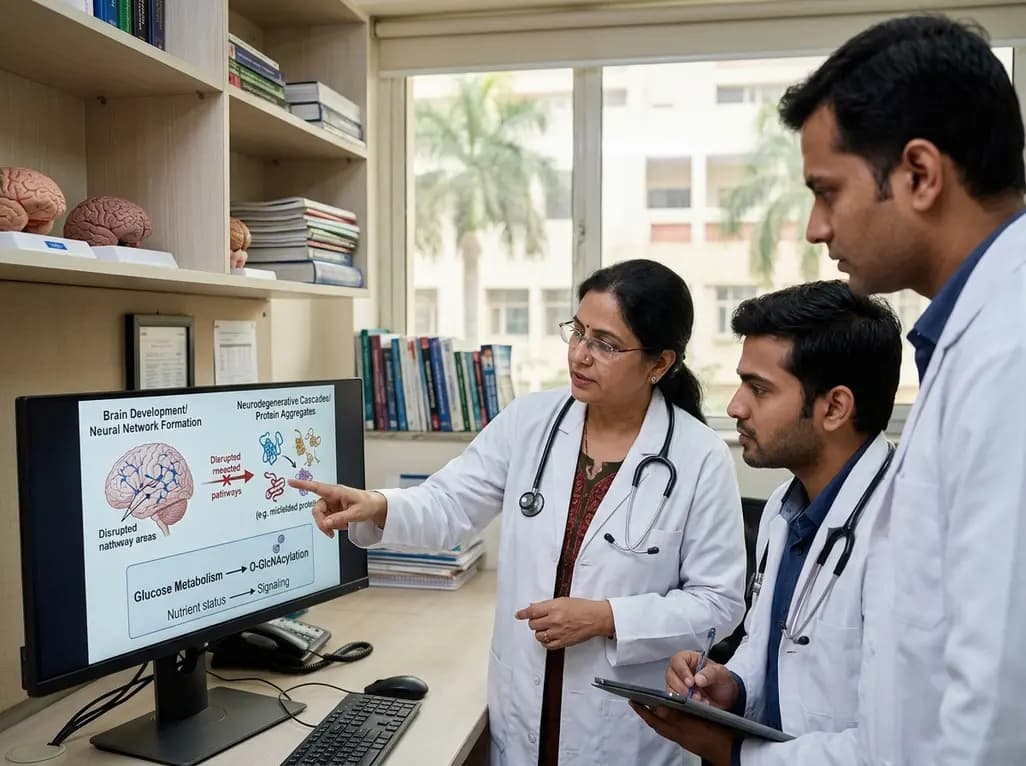
Protein O-GlcNAcylation couples cellular nutrient status to vital neuronal functions. This review explores how disrupted O-GlcNAc cycling drives both neurodevelopmental delays and neurodegenerative cascades, positioning metabolic post-translational modifications as therapeutic targets in clinical neurology.
Today
