.webp&w=384&q=75)

Loading, please wait...
Loading, please wait...

Effective management of occupational radon exposure is critical in industries handling Naturally-Occurring Radioactive Materials (NORM). Recent research in zirconium and titanium processing plants provides new insights into radiation safety. These facilities often handle materials with high uranium and thorium content. Consequently, field surveys are necessary to protect workers from ionizing radiation hazards.
Researchers recently investigated three typical mineral processing factories in southern China. They measured gamma dose rates and concentrations of radon and thoron progeny. The study utilized TAURUS software to calculate dose conversion factors (DCFs). The results revealed an average radon activity concentration of 14.67 Bq/m³. However, the equilibrium equivalent concentrations for radon and thoron were 2.64 Bq/m³ and 2.45 Bq/m³, respectively. These values help determine the total effective dose received by the workforce.
Specifically, the study found that the DCF for thoron progeny was 149 nSv/(Bq·m³·h). This value is significantly higher than the 32.5 nSv/(Bq·m³·h) calculated for radon progeny. Furthermore, the estimated annual effective dose for workers mainly came from gamma radiation and thoron. In contrast, radon exposure contributed a much smaller fraction to the overall workplace dose. When combining both workplace and residential environments, the total annual effective dose reached 3.59 mSv.
In India, the Atomic Energy Regulatory Board (AERB) sets strict limits for radiation workers. While the measured dose of 3.59 mSv is well within the annual occupational limit of 20 mSv, it highlights the need for continuous monitoring. Workers in titanium and zirconium plants should utilize appropriate ventilation and personal dosimetry. Moreover, understanding the size distribution of radioactive particles ensures that protection strategies remain effective against internal exposure via inhalation.
Thoron is an isotope of radon (Rn-220) derived from thorium-232. Although it has a shorter half-life than radon-222, its progeny can contribute significantly to the inhalation dose in mineral plants due to high thorium concentrations in raw materials.
The main health risk associated with radon and its progeny is lung cancer. When workers inhale radioactive particles, the decay products emit alpha radiation that can damage DNA in the respiratory tract.
International and Indian guidelines (AERB) generally limit occupational exposure to 20 mSv per year, averaged over five years. Employers must conduct regular field assessments to ensure compliance and worker safety.
Disclaimer: This content is for informational and educational purposes only and does not constitute medical or regulatory advice. Refer to the latest local and national guidelines for clinical practice and occupational safety standards.
References

Read summarized clinical updates, watch expert medical content, and earn CME certifications right from your smartphone.
Open your smartphone camera to scan and install.





A study on mineral processing plants shows that thoron and gamma radiation contribute more to worker doses than radon. Total annual dose averaged 3.59 mSv....
4 months ago

Following regulatory scrutiny from FSSAI regarding promotional representations and lean muscle preservation claims, Dr. Reddy's Laboratories and Nestlé Health Science are currently reviewing the branding and marketing strategy for their joint nutritional supplement Celevida GLP+.
Today
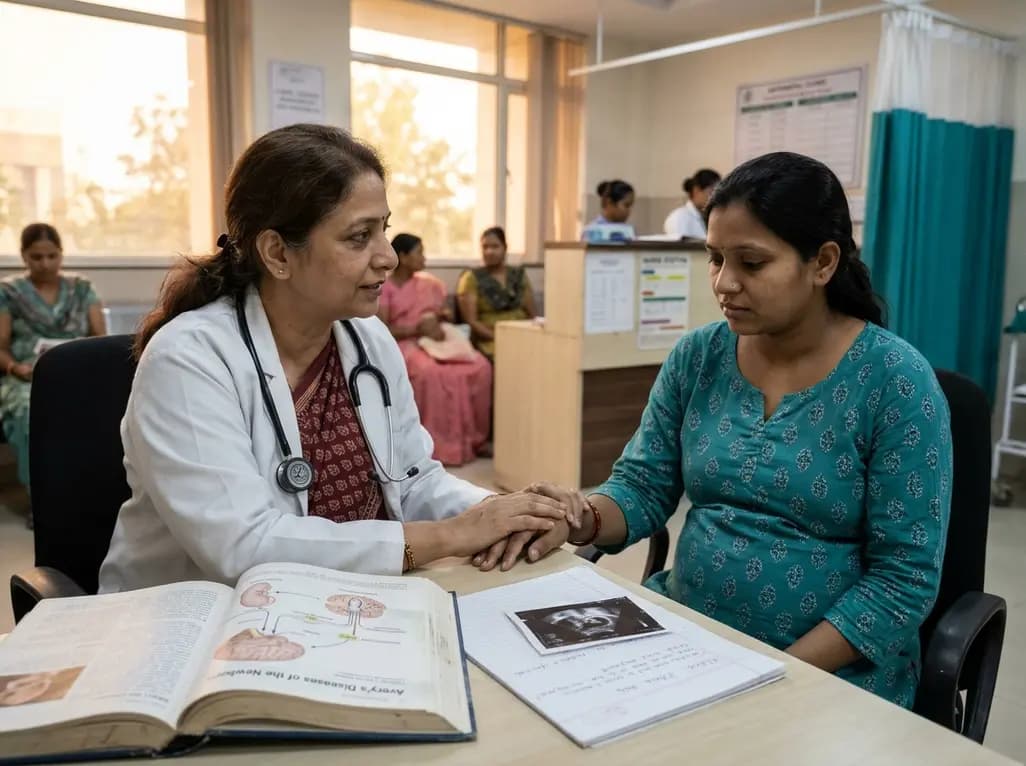
A comprehensive scoping review synthesises evidence linking prenatal maternal mental health to long-term offspring neurodevelopment, evaluating neuroendocrine, inflammatory, and epigenetic pathways while highlighting clinical screening and future research priorities.
Today

The Directorate General of Health Services directs Indian states to halt the hazardous reuse and reprocessing of single-use medical devices. Discover regulatory implications under the Drugs and Cosmetics Act, critical infection risks, legal liabilities, and operational changes required across clinical specialties.
Today
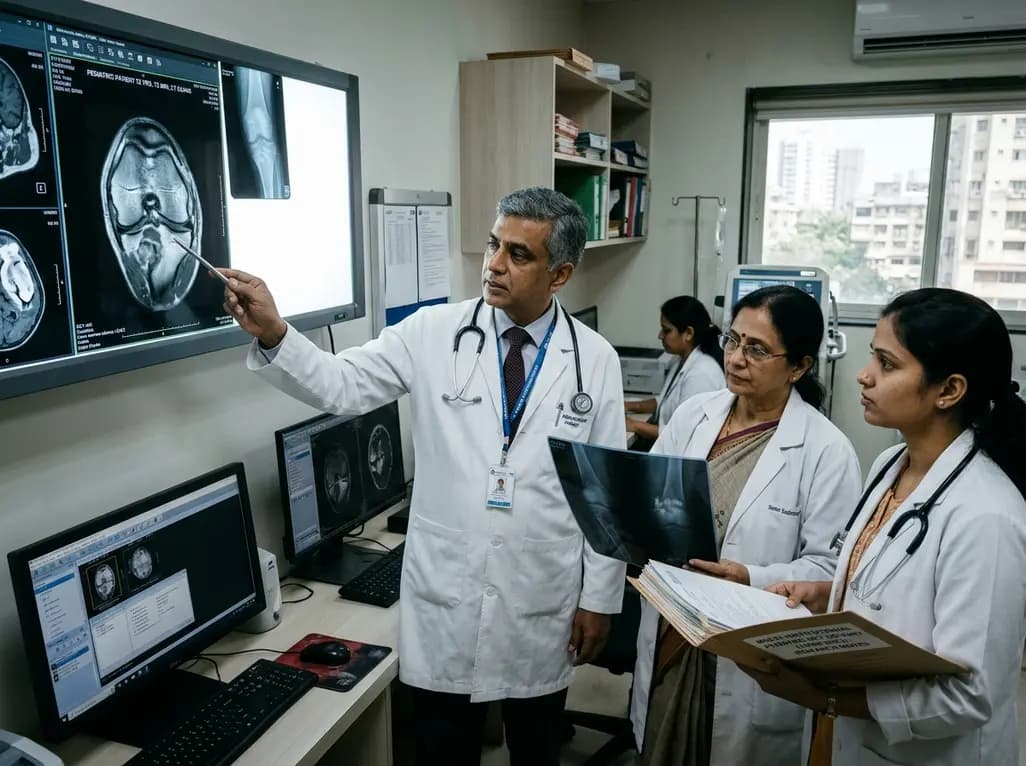
A 25-year multi-institutional cohort reveals high recurrence rates in pediatric giant cell tumor of bone, particularly in patients with open physes and bone marrow edema on preoperative MRI. Early surveillance and careful balance between growth plate preservation and tumor clearance are essential.
Today

India is advancing preventive healthcare by integrating genomics, artificial intelligence, and quantum technologies. With the SANGAM programme sequencing one million Indian genomes, clinicians can unlock personalized therapies, detect cardiometabolic risks early, and curb the burden of diabetes and heart disease.
Today
