.webp&w=384&q=75)

Loading, please wait...
Loading, please wait...

The medical community recently received a significant update regarding Notch-1 inhibition research in colorectal cancer. Specifically, the journal Oncology Reports issued an Expression of Concern for a study exploring antitumor activities. This action followed a reader's observation about potential image duplication within the paper. Consequently, the editorial office now investigates the integrity of the data presented in the 2018 publication.
The primary concern involves specific cell morphology experiments. Specifically, the 'NC' data panel in Figure 4C seems identical to the 'Control' data panel in Figure 9B. Although the images appear at different sizes, their visual features match. Therefore, the journal editors contacted the authors to explain this apparent re-use of data. Currently, the editorial office awaits a formal response from the research team.
Scientific integrity remains vital for clinical progress and patient safety. When data duplication occurs, it casts doubt on the study's conclusions regarding antitumor activity. Clinicians rely on accurate preclinical data to understand signaling pathways. Thus, this Expression of Concern serves as a necessary warning while the investigation continues. Researchers must maintain high standards to ensure that therapeutic targets like Notch-1 remain viable for future trials.
An Expression of Concern is a formal notice issued by a journal editor. It alerts the scientific community to potential issues regarding the reliability of a paper while an official investigation is ongoing.
Image duplication suggests that the results may not accurately represent the specific experiment described. In oncology, this can lead to incorrect conclusions about the efficacy of potential drug targets and waste valuable research resources.
A retraction depends on the outcome of the investigation. If the authors provide a valid explanation, the journal may issue a correction instead. However, if they find evidence of scientific misconduct, the editors will likely retract the paper.
Disclaimer: This content is for informational and educational purposes only. It does not constitute medical advice or a professional endorsement. Refer to the latest local and national guidelines for clinical practice.
References

Read summarized clinical updates, watch expert medical content, and earn CME certifications right from your smartphone.
Open your smartphone camera to scan and install.





A summary of the Expression of Concern issued for a colorectal cancer study due to potential data duplication in its cell morphology figures....
4 months ago
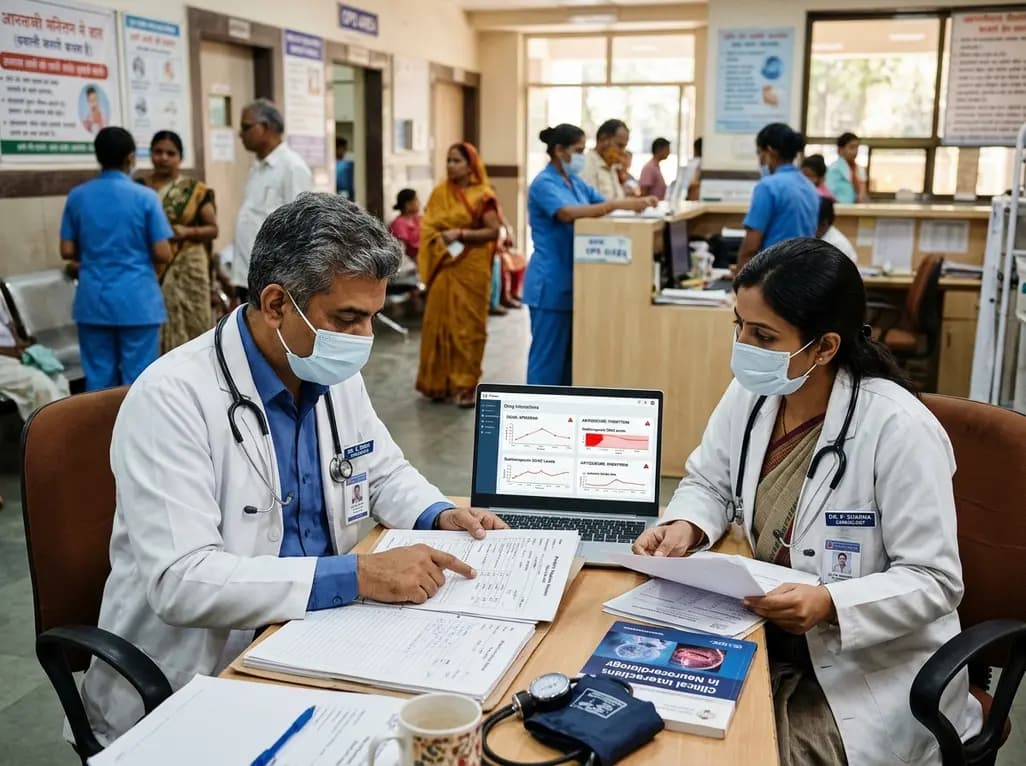
Co-administering antiseizure medications and DOACs frequently causes pharmacokinetic interactions, subtherapeutic drug levels, and thromboembolic failures. This review highlights enzyme induction risks, unpredictable outcomes with levetiracetam, and the vital role of therapeutic drug monitoring.
Today
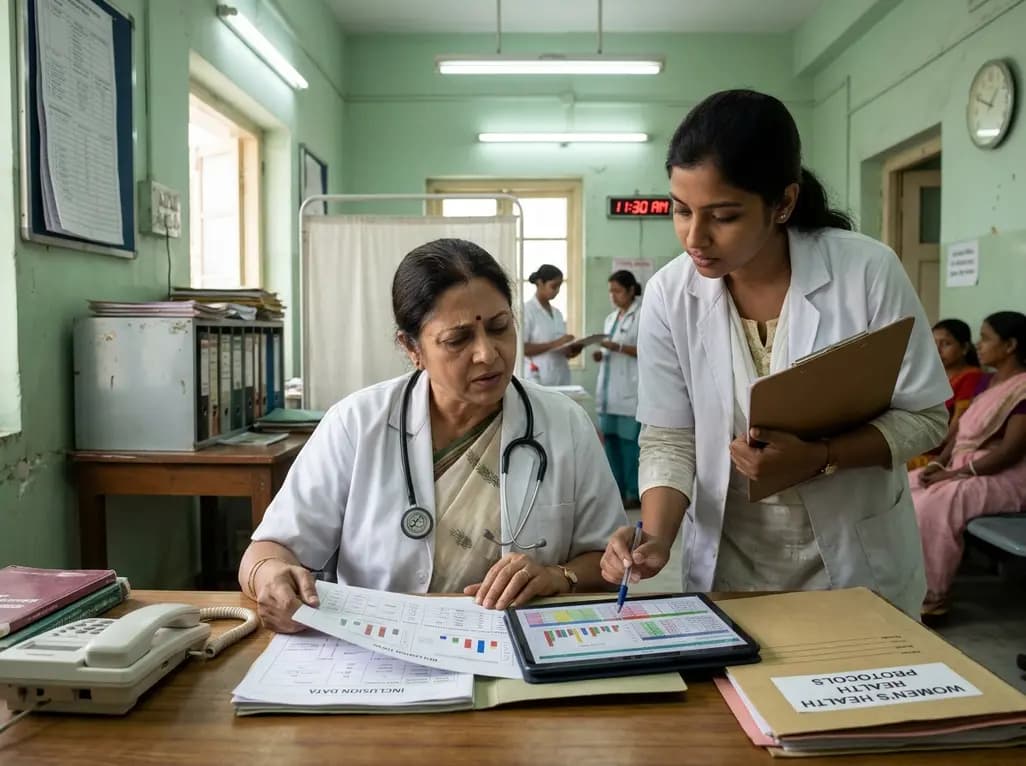
Demanding exhaustive hormonal profiling can inadvertently discourage clinical studies involving females. Methodological standards must align with the specific scientific question to expand, not restrict, equitable evidence for women.
Today
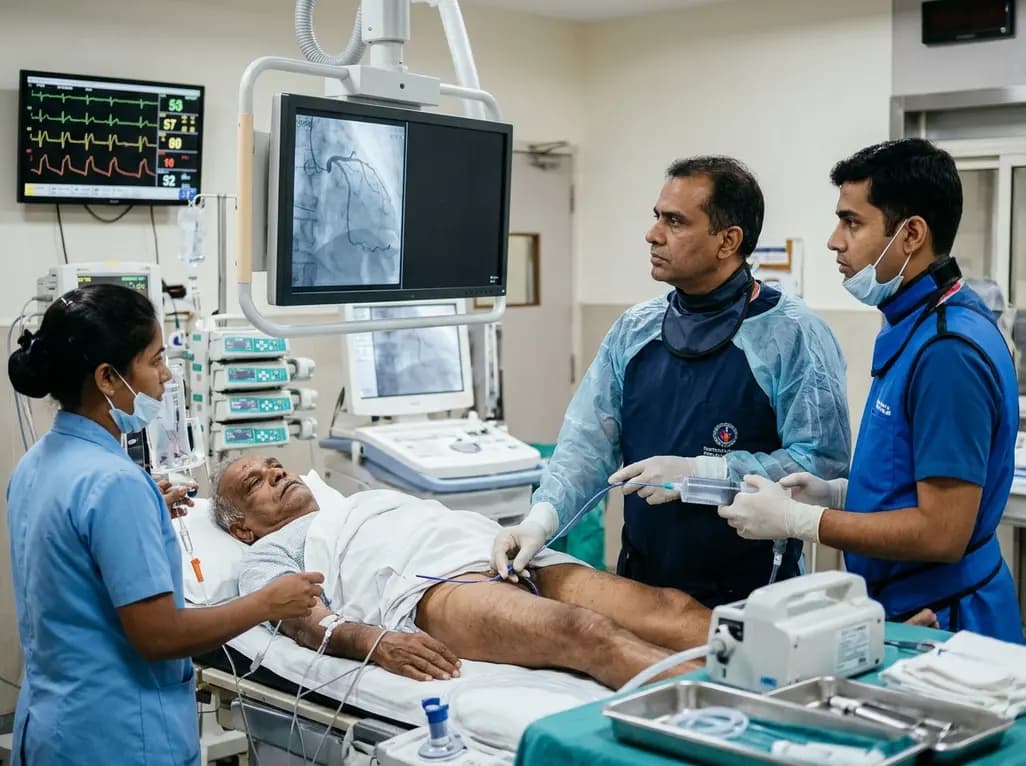
An elderly man with partially repaired Tetralogy of Fallot presented with STEMI caused by coronary embolism rather than atherosclerosis. Successful treatment with sustained mechanical aspiration thrombectomy underscores the vital need for high clinical vigilance in adult congenital heart disease.
Today

A comparative review of tension band wiring and intramedullary screw fixation in thumb metacarpophalangeal arthrodesis, evaluating union rates, hardware complications, and clinical outcomes.
Today

Following regulatory scrutiny from FSSAI regarding promotional representations and lean muscle preservation claims, Dr. Reddy's Laboratories and Nestlé Health Science are currently reviewing the branding and marketing strategy for their joint nutritional supplement Celevida GLP+.
Today
