.webp&w=384&q=75)

Loading, please wait...
Loading, please wait...
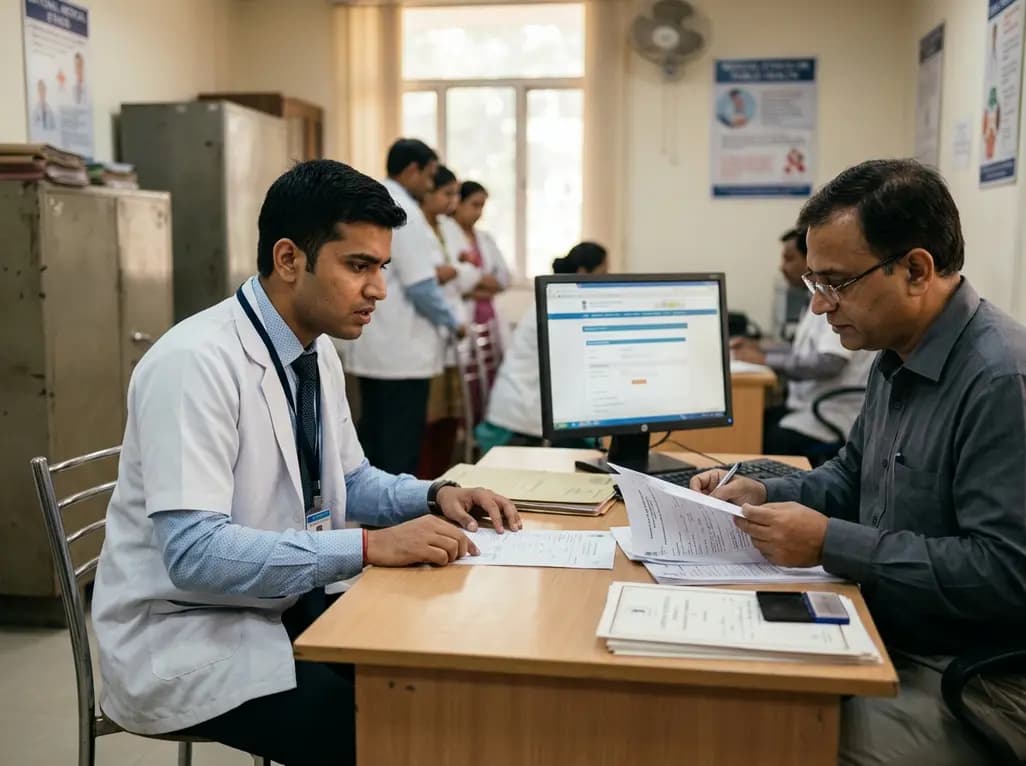
The National Medical Commission (NMC) has officially opened its online portal for applicants seeking the mandatory FMGE eligibility certificate. Medical graduates who obtained their primary qualification from foreign universities must acquire this regulatory document to sit for the Foreign Medical Graduate Examination (FMGE). The online registration facility is active from September 1 at 10:00 AM until September 30 at 6:00 PM. Aspiring medical practitioners who have not secured the certificate previously must utilize this designated period. The National Board of Examinations in Medical Sciences (NBEMS) conducts the screening test to evaluate medical knowledge and ensure uniform clinical competency across healthcare delivery systems in India.
Securing an FMGE eligibility certificate is a non-negotiable statutory requirement under the National Medical Commission regulations. Foreign medical graduates must establish that their overseas medical curriculum, foundational qualifications, and institutional credentials comply with statutory Indian medical education benchmarks. Consequently, NBEMS prohibits any candidate lacking an issued certificate from registering for or taking the screening assessment. This rigorous clearance protocol safeguards patient welfare by certifying that all prospective resident doctors possess foundational clinical competencies before entering practical training.
Furthermore, medical licensing in India demands strict compliance with global medical education equivalence standards. The Ethics and Medical Registration Board (EMRB) within the NMC oversees the scrutinization of these primary credentials. In addition, the verification framework validates pre-medical qualifications, minimum qualifying marks, and curriculum structures to align foreign medical education with domestic institutional standards. Because clinical practice involves public trust, this regulatory clearance ensures that all licensed practitioners uphold ethical and operational integrity across medical institutions.
Candidates must carefully observe the declared schedule to avoid procedural disqualifications during the screening cycle. The portal welcomes submissions from September 1 at 10:00 AM until September 30 at 6:00 PM precisely. NMC emphasizes that candidates should never postpone their submissions until the final days of the window. High traffic volumes often burden portal infrastructure, potentially generating unforeseen connectivity complications. Therefore, early application submission provides sufficient lead time for resolving potential document ambiguities.
Moreover, the commission clarified that individuals who previously completed their application process and obtained clearance do not need to reapply. Applicants can complete the entire process through the official online interface at application.nmc.org.in. Once a candidate submits the form, the system automatically issues an official File Tracking Number. Applicants must preserve this identification reference carefully, as administrative staff require it to trace and update specific dossier statuses.
The NMC advisory explicitly urges foreign medical graduates to complete their online forms personally and avoid utilizing third-party commercial agents or proxies. Delegating the submission process frequently leads to data discrepancies, typographical inaccuracies, and incorrect document uploads. Therefore, applicants must assemble all original credentials beforehand, including foundational mark sheets, identity verification records, and primary medical qualification awards. Cross-verifying each entry against original records guarantees smooth administrative processing.
Additionally, submitting an active and personal mobile phone number is essential for receiving automated alerts and administrative notifications. Whenever processing officers detect discrepancies in uploaded records, the portal immediately sends status updates to the registered contact number. Candidates must address and rectify any identified deficiency rapidly to prevent procedural delays. Rectifying queries promptly ensures that regulatory boards finalize clearances well before NBEMS establishes formal examination schedules.
Standardized communication protocols help maintain transparency throughout the application review cycle. When candidates seek status updates or administrative clarifications, they must quote their unique File Tracking Number in all correspondence. The regulatory authority has explicitly stated that administrative personnel will ignore queries submitted without this identifier. Hence, maintaining proper documentation records prevents avoidable communication breakdowns between applicants and administrative reviewers.
Similarly, designated official helpdesk emails handle genuine procedural inquiries regarding application reviews. Applicants must verify that supplementary uploaded files exhibit high legibility and appropriate digital formatting. Submitting blurred scans or mislabeled certificates inevitably triggers formal deficiency notices, which lengthens the overall verification timeline. Maintaining proactive monitoring of application dashboards allows candidates to confirm approval status in a timely manner.
Foreign medical graduates form an integral component of the expanding healthcare workforce across primary, secondary, and tertiary clinical environments in India. However, bridging international medical training with national clinical standards requires structured regulatory compliance. Obtaining statutory clearance represents the initial milestone toward securing provisional registration and embarking on mandatory rotational internships. Consequently, thorough verification of credentials upholds clinical safety standards across healthcare delivery systems.
Beyond regulatory formalities, standardized screening ensures that incoming practitioners seamlessly assimilate into Indian clinical ecosystems. Healthcare institutions require medical graduates who understand national public health protocols, endemic disease management, and emergency interventions. Therefore, completing statutory qualification checks protects institutional workflows while empowering medical graduates to transition smoothly into clinical care delivery.
Q1: Who needs to apply for the eligibility certificate on the NMC portal?
Indian citizens and Overseas Citizens of India holding foreign medical qualifications who plan to appear for the FMGE screening test must apply. Candidates who already secured an eligibility certificate in previous sessions or submitted completed applications do not need to apply again.
Q2: What should candidates do if the NMC identifies a deficiency in their application?
Candidates must log in to the NMC portal immediately using their registration credentials and review the specific deficiency communicated via their registered mobile number. They must upload the correct, verified original documentation promptly to avoid processing delays or summary rejection of their application dossier.
Q3: Why is the File Tracking Number critical during the application lifecycle?
The File Tracking Number serves as a unique reference code that links the applicant to their specific digital dossier. The commission requires this tracking number for all administrative communications, and staff will not respond to any status inquiry submitted without it.
Disclaimer: This content is for informational and educational purposes only. It does not constitute medical advice or replace professional judgment. Refer to the latest local and national guidelines for clinical practice.
References

Read summarized clinical updates, watch expert medical content, and earn CME certifications right from your smartphone.
Open your smartphone camera to scan and install.





The National Medical Commission has officially opened the online portal for FMGE aspirants to obtain their mandatory Eligibility Certificate. The window remains open until September 30.
4 weeks back
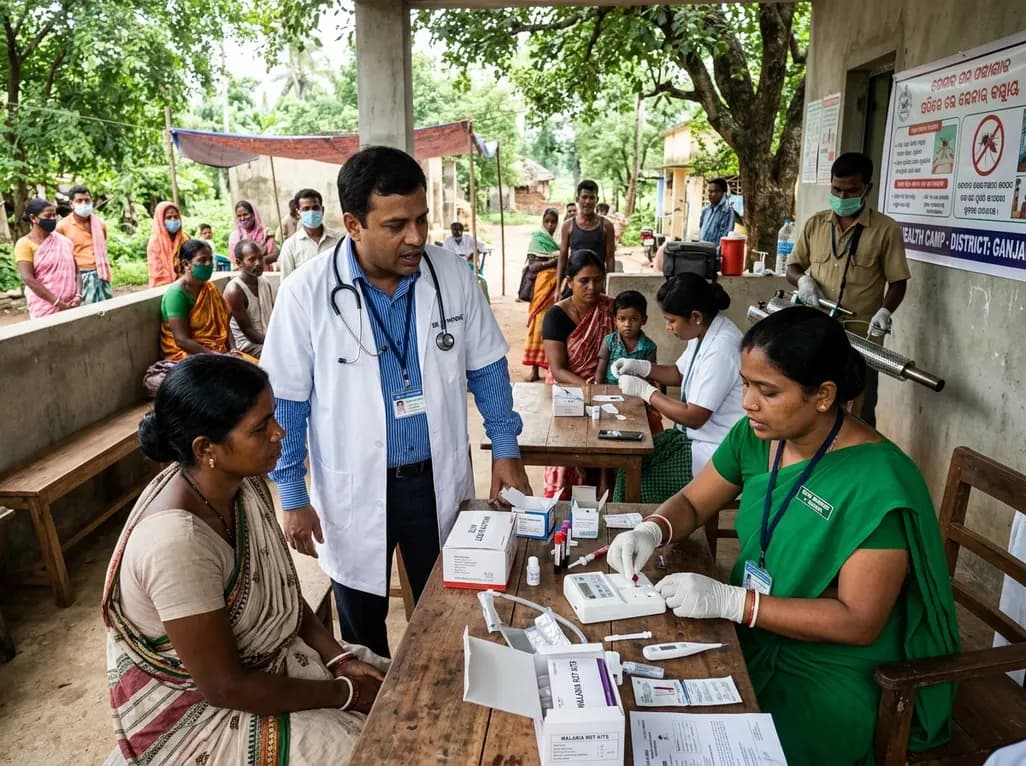
Following 37,899 reported cases and 9 deaths, Odisha has scaled up active case detection, rapid diagnostic testing, and vector control across high-burden districts. Here is a comprehensive clinical breakdown of the state's aggressive containment protocols, diagnostic pathways, and targeted field management.
Today
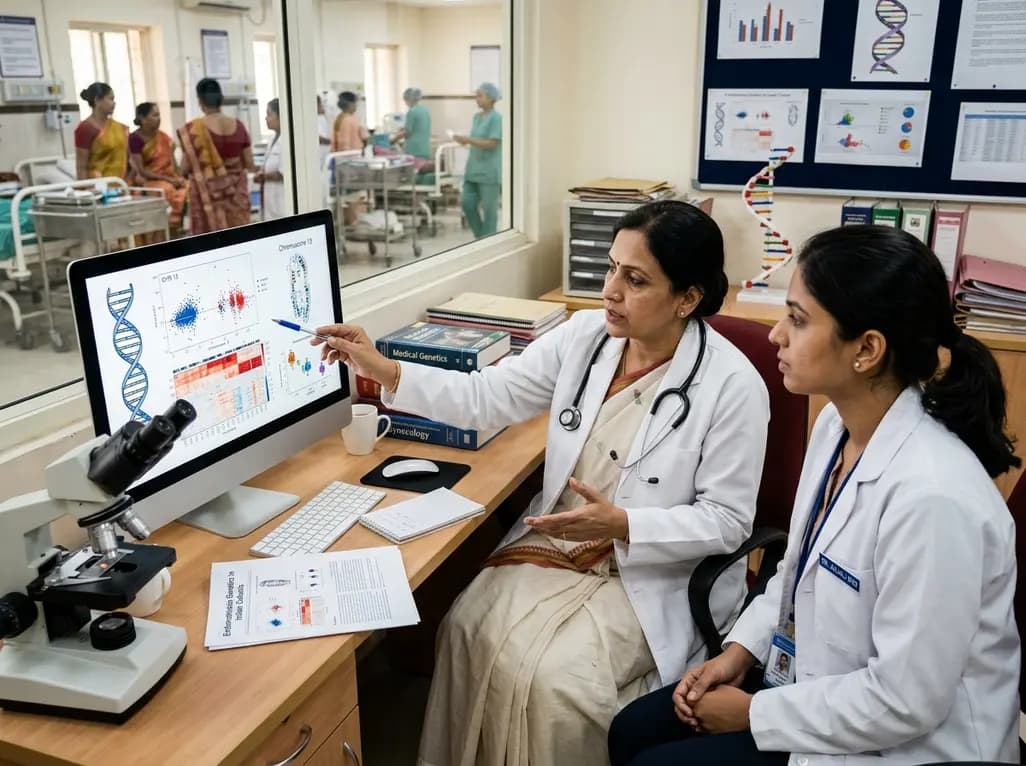
Endometriosis affects millions of women across India, yet diagnostic delays frequently exceed five years. Recent multi-centre genomic research has identified 21 novel genetic regions, notably on chromosome 13, establishing crucial population-specific insights to transform clinical screening and therapeutic strategies.
Today
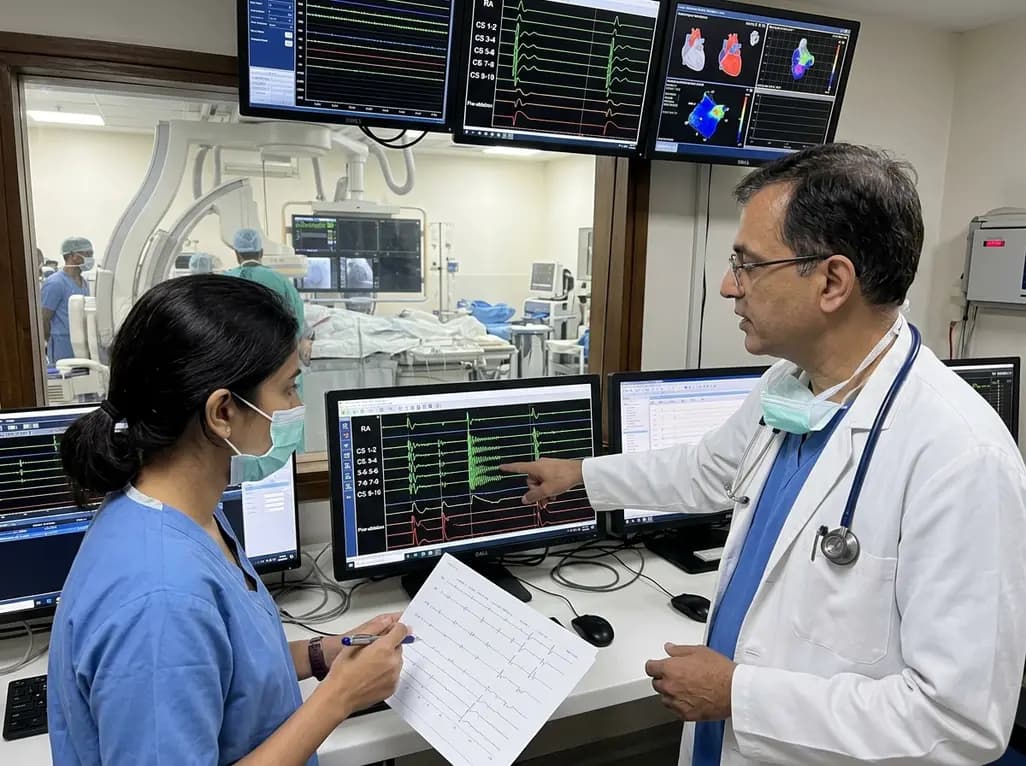
Radiofrequency catheter ablation of the cavotricuspid isthmus successfully terminates typical atrial flutter. This article reviews the mechanisms driving coronary sinus electrogram changes, wavefront activation pathways, and clinical criteria to verify bidirectional block during electrophysiology studies.
Today

A study comparing four knee flexion strength tests after ACL reconstruction using hamstring tendon autografts reveals marked variability in limb symmetry indices. Clinicians must recognize that different strength testing modalities yield divergent return-to-sport clearance rates.
Today
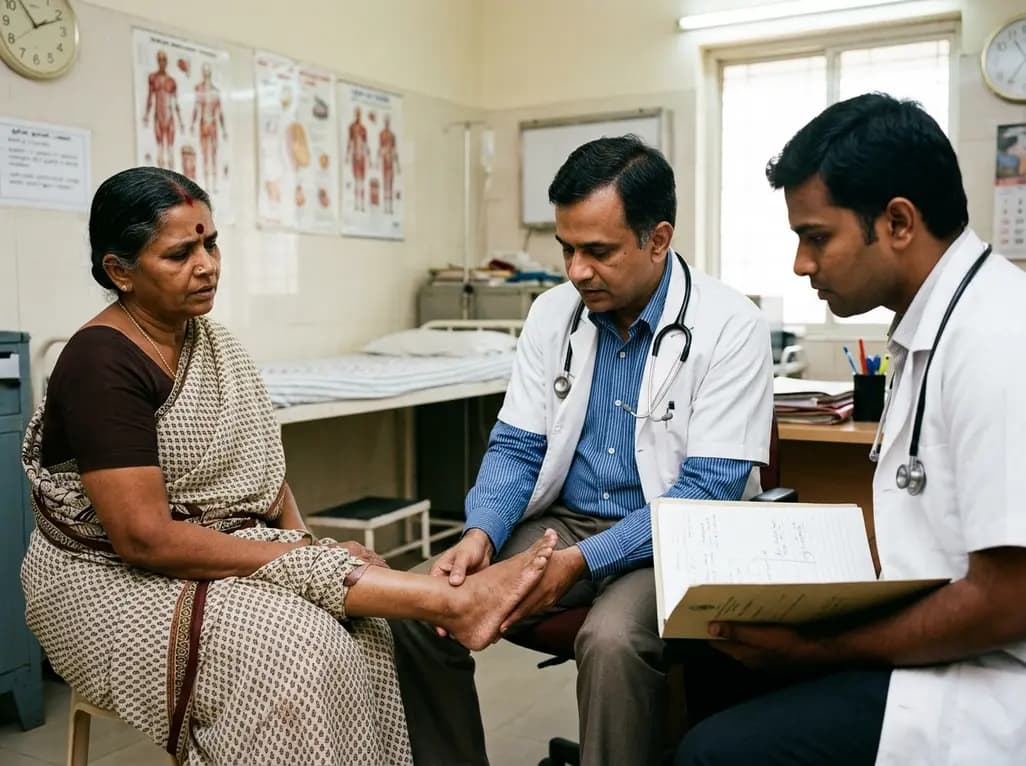
Discover how to identify superimposed entrapment neuropathy in diabetic patients. This review details clinical evaluation, surgical decompression evidence, and a structured algorithm for primary care referrals to prevent ulcers and preserve limb function.
Yesterday
