.webp&w=384&q=75)

Loading, please wait...
Loading, please wait...
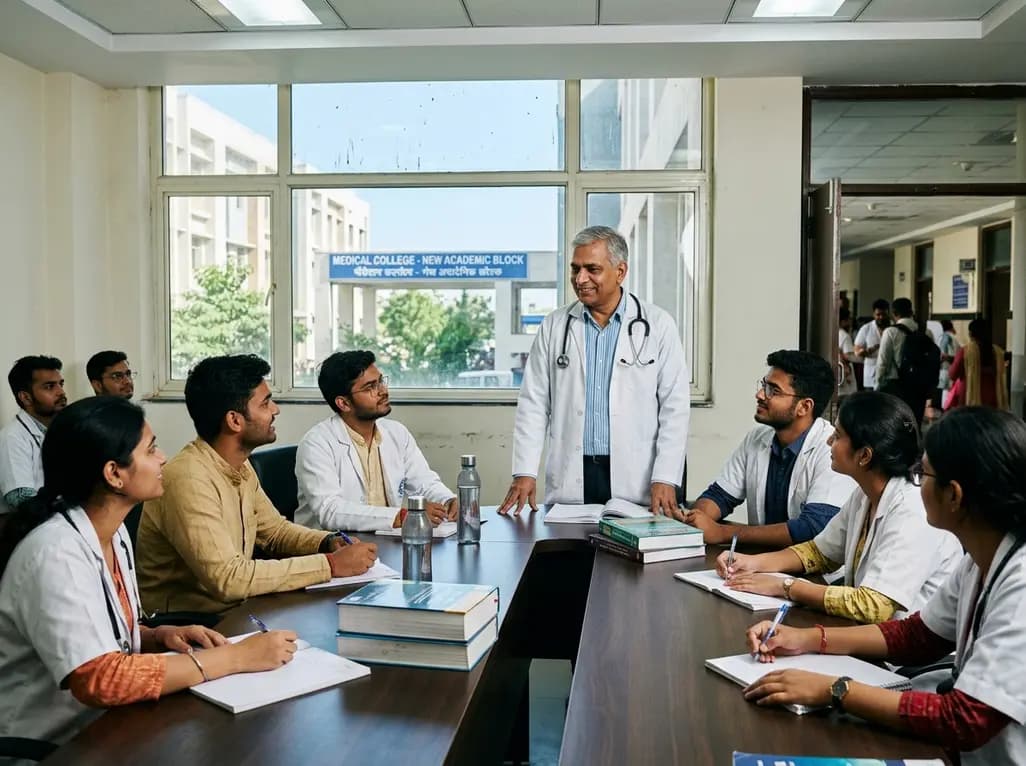
The landscape of Indian medical education has achieved an unprecedented historic milestone this academic year. Specifically, the regulatory authorities have officially approved an influx of thousands of new undergraduate placements across accredited colleges. Consequently, the national capacity of NMC MBBS seats has expanded dramatically to address the escalating demand for qualified doctors. This historic policy intervention creates remarkable academic opportunities for aspiring clinicians across the country.
The National Medical Commission released an updated seat matrix on September 1, formalizing a massive expansion for the 2026-27 session. In total, the commission approved 13,186 additional seats, which elevates the total approved undergraduate intake to 1,40,214. Furthermore, these positions span 836 recognized medical colleges across the nation. Notably, this official tally excludes seats at Institutes of National Importance like AIIMS and JIPMER.
Previously, the renewed baseline stood at 1,27,028 seats before the regulatory review committees cleared fresh applications. Therefore, this administrative adjustment represents an impressive net increase of approximately 10.4 percent across participating institutions. The regulatory matrix incorporates formal permissions granted to brand-new colleges alongside seat augmentations in existing centers. Consequently, academic institutions must quickly adapt infrastructure to welcome larger cohorts of clinical learners. Moreover, administrative boards have updated counseling portals so candidates can review updated quotas effectively.
A closer examination of the latest institutional allocations highlights a distinct trend favoring private enterprise. In fact, private medical institutions account for 10,400 of the 13,186 newly sanctioned seats. This contribution translates to nearly 79 percent of the aggregate seat expansion across all territories. Conversely, government-run medical colleges added only 2,786 seats during the same supervisory cycle.
As a result, private healthcare academies now constitute a significant majority of newly available undergraduate medical desks. Nevertheless, this growing reliance on the non-governmental sector sparks ongoing discussions regarding tuition fee structures. State regulatory committees must actively monitor self-financed seat allocations to prevent exorbitant institutional fees. Furthermore, private medical academies must furnish mandatory electronic bank guarantees before receiving their formal letters of permission. The commission strictly enforced this protocol to maintain professional accountability across private colleges. Thus, while accessibility widens significantly, financial sustainability remains an essential consideration for incoming medical students.
The geographic distribution of these newly sanctioned vacancies reveals noticeable regional disparities across the country. Karnataka recorded the highest regional surge, adding 1,650 new undergraduate seats to its medical infrastructure. Consequently, Karnataka now commands an aggregate capacity of 15,745 MBBS positions across public and private colleges. In addition, Tamil Nadu expanded its clinical intake by 1,250 seats, raising its state total to 14,299.
Similarly, northern states witnessed considerable administrative additions during this cycle. For instance, Bihar gained 1,240 new placements, while Uttar Pradesh secured 1,200 additional undergraduate admissions. Rajasthan also augmented its capacity with 1,100 seats, followed closely by Telangana with 1,010 and West Bengal with 975. Meanwhile, Madhya Pradesh and Jharkhand added 520 seats each, and Maharashtra secured 550. In contrast, several regions witnessed zero expansion in their local seat quotas. Specifically, Delhi, Meghalaya, Mizoram, Nagaland, Arunachal Pradesh, and select union territories recorded no additional seats. Therefore, candidate mobility across state lines will remain high during all-India quota seat counseling rounds.
This major expansion coincided directly with the ongoing NEET-UG admissions counseling schedule for undergraduate cohorts. Because regulatory bodies revised matrices during active admission cycles, counseling committees recalibrated their operational schedules. Consequently, participating medical bodies had to push back the formal start of the new academic term. Subsequent allocation stages, particularly the mop-up and stray vacancy rounds, will now extend well into October.
Nevertheless, this delay offers thousands of qualified aspirants a viable lifeline to secure accredited admissions. Candidates who initially faced unfavorable cutoff ranks can now explore newly opened options in various institutions. However, regulatory authorities explicitly warned that total seat intake depends strictly on finalized counseling merit lists. Medical colleges cannot conduct unilateral offline admissions outside the transparent, centralized counseling mechanism. Additionally, institutions must ensure that hostel accommodation and hospital ward infrastructure expand before students commence course routines. Therefore, admissions committees must coordinate logistical operations diligently to prevent administrative chaos during subsequent enrollment rounds.
While capacity expansion represents a positive demographic milestone, it places heavy demands on medical education quality. The National Medical Commission emphasized that colleges must strictly restrict admissions to formally verified intake numbers. Indeed, any medical institution admitting candidates beyond approved seat numbers faces severe regulatory penalties. Furthermore, regulatory inspections verify faculty availability, patient bed occupancy, and advanced laboratory resources.
Medical educators must continuously uphold competency-based medical education standards despite growing class sizes. Consequently, department heads must organize bedside clinical teaching carefully to preserve student-to-patient exposure ratios. If teaching hospitals lack adequate daily clinical casework, medical trainees cannot acquire necessary practical proficiencies. Therefore, institutional authorities must bolster clinical departments with qualified senior residents and experienced faculty members. In addition, digital monitoring tools, including biometric attendance and hospital management tracking, help verify institutional compliance. Ultimately, expanding the medical workforce must proceed hand-in-hand with uncompromising clinical excellence.
Q1: How many total MBBS seats are now officially approved by the NMC for the 2026-27 academic session?
The National Medical Commission has approved an aggregate intake of 1,40,214 undergraduate medical seats across 836 accredited institutions for the 2026-27 academic year. This official tally reflects the recent addition of 13,186 seats approved through new college permissions and seat capacity hikes. Notably, this figure excludes undergraduate seats located in autonomous Institutes of National Importance like AIIMS.
Q2: Which Indian state registered the largest increase in undergraduate medical seats in the latest matrix?
Karnataka recorded the largest regional increase in the country, adding 1,650 new undergraduate seats to its medical education system. This latest expansion brings Karnataka's total MBBS capacity to 15,745 seats, comprising 4,600 seats in government colleges and 11,145 seats in private medical colleges. Tamil Nadu followed closely behind Karnataka by securing 1,250 additional undergraduate medical seats.
Q3: How does the new seat distribution divide between government and private medical colleges?
The private medical education sector accounts for the vast majority of the newly sanctioned seats during this academic session. Specifically, private medical institutions secured 10,400 of the 13,186 additional seats, which represents nearly 79 percent of the total increase. In contrast, government-run medical institutions added 2,786 seats, bringing the total national public sector MBBS seat count to 63,971.
Disclaimer: This content is for informational and educational purposes only. It does not constitute medical advice or replace professional judgment. Refer to the latest local and national guidelines for clinical practice.
References

Read summarized clinical updates, watch expert medical content, and earn CME certifications right from your smartphone.
Open your smartphone camera to scan and install.





India has achieved an unprecedented medical education milestone as regulatory authorities approved over 13,000 new undergraduate placements. With private institutions driving capacity, the national intake crosses 1.4 lakh across 836 colleges during the active counseling cycle.
Today
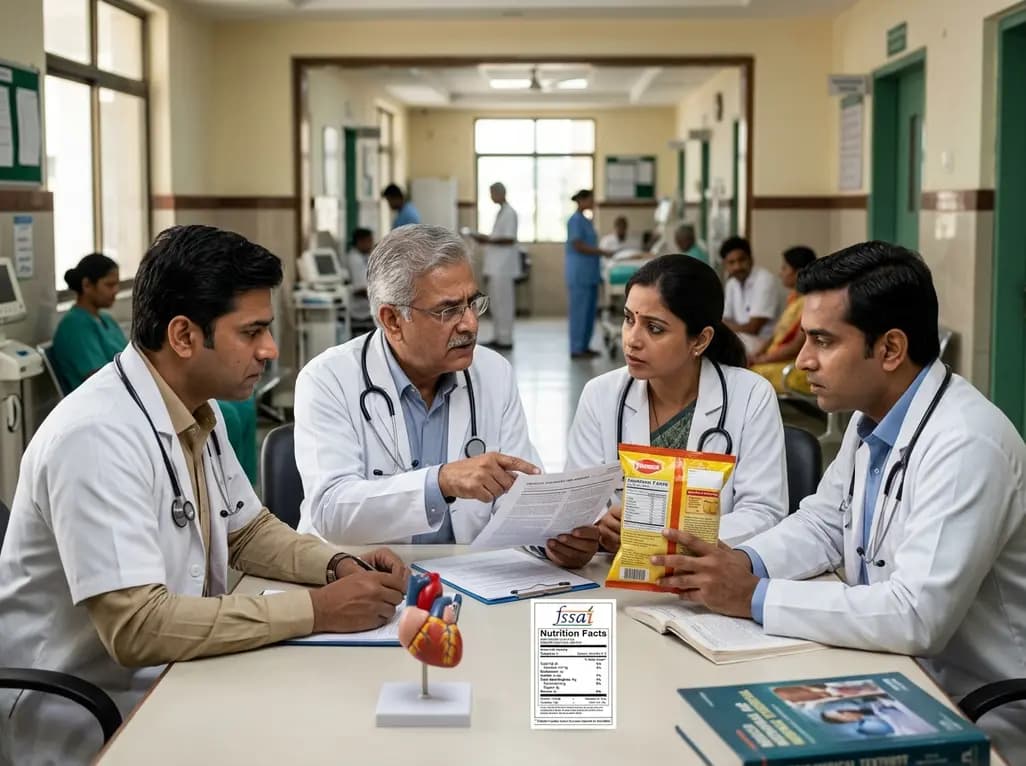
Over 60 international public health researchers have advised FSSAI to mandate front-of-pack warning labels for any packaged product high in even one critical nutrient: sugar, saturated fat, or sodium. This reform counters phased rollouts to accelerate consumer protection and address India's chronic disease burden.
Today
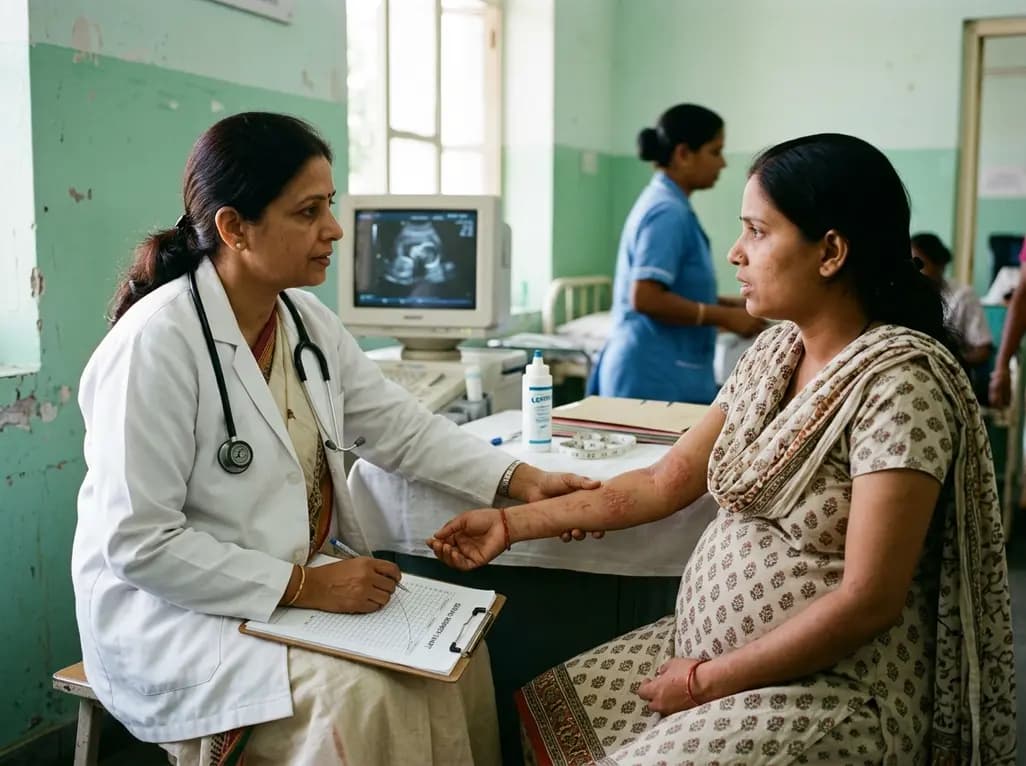
A comprehensive meta-analysis of over 278,000 women demonstrates that maternal atopic dermatitis significantly increases risks of premature rupture of membranes and low birth weight. Discover essential clinical insights on disease mechanisms, serial antenatal growth monitoring, and safe therapeutic interventions.
Today
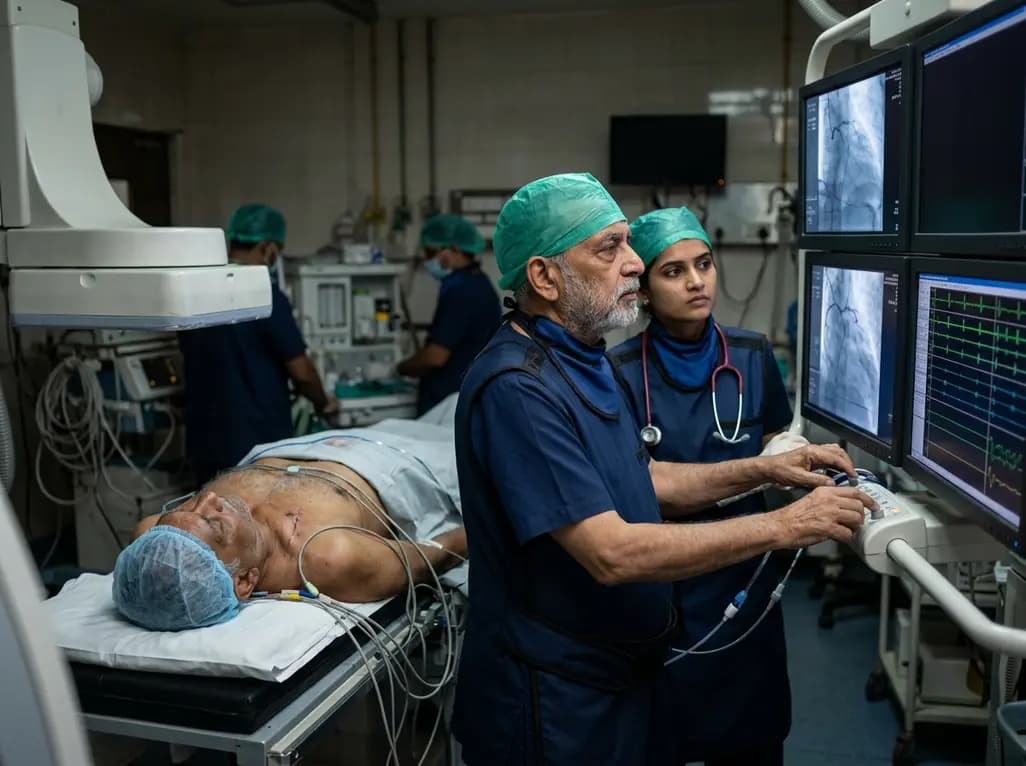
A comprehensive single-center analysis reveals that slow pathway ablation for AVNRT in octogenarians maintains high acute procedural success (98.1%) but carries significantly higher complication rates compared to younger cohorts, underscoring the need for careful risk-benefit evaluation.
Today
Apollo Global Management is in talks to acquire Johnson & Johnson's DePuy Synthes orthopedics unit in a potential $20 billion transaction. This comprehensive analysis reviews the MedTech restructuring, product lines in joint reconstruction, ongoing legal issues, and key implications for global orthopedic surgery.
Today
A cross-sectional study reveals that elevated METS-IR is independently associated with higher myopia odds in adolescents, showing biological synergy with obesity and highlighting the need for metabolic screening in pediatric eye care.
Today
