.webp&w=384&q=75)

Loading, please wait...
Loading, please wait...

Hospitalized premature infants require human milk for optimal health outcomes. However, physical separation and maternal stress often hinder the process of milk expression. Recently, a randomized crossover trial investigated how NICU videoconferencing milk expression affects pumping volume and the overall maternal experience. Researchers evaluated whether visualizing one's infant via video could overcome the psychological barriers of the neonatal intensive care unit (NICU) environment.
The study enrolled 39 women who expressed milk three times with videoconferencing and three times without it. Notably, the trial included mothers of infants born before 34 weeks of gestation. Researchers analyzed milk volumes, expression efficiency, and macronutrient content. In addition, they used the Breast Milk Expression Personal Experience (BMEE) subscale to quantify the emotional impact of the intervention.
The results demonstrated that videoconferencing significantly improved the personal experience of expressing milk. Specifically, participants reported higher BMEE scores when they could see their babies on screen. Mothers noted that the visual connection served as a powerful reminder of their purpose. Furthermore, many found that watching their infant at peace helped them feel calmer during the pumping process.
Despite these clear emotional benefits, the intervention did not change physical output. There was no significant difference in total milk volume or expression efficiency between the study arms. Additionally, the human milk macronutrient content remained stable regardless of video use. Consequently, while virtual tools may not boost supply directly, they play a vital role in supporting maternal mental well-being during a stressful hospital stay.
Therefore, clinicians should consider integrating virtual visit technology to facilitate family-centered care. Improving the pumping experience is a crucial step in supporting long-term lactation success. Ultimately, providing mothers with a virtual window to their infants helps bridge the gap caused by physical separation.
In this specific trial, videoconferencing significantly improved the maternal pumping experience but did not lead to a statistically significant increase in milk volume or expression efficiency.
Researchers used the Breast Milk Expression Personal Experience (BMEE) subscale. This validated tool assesses the psychological and personal aspects of the milk expression process for mothers of hospitalized infants.
Disclaimer: This content is for informational and educational purposes only and does not constitute medical advice, diagnosis, or treatment. Refer to the latest local and national guidelines for clinical practice.
References

Read summarized clinical updates, watch expert medical content, and earn CME certifications right from your smartphone.
Open your smartphone camera to scan and install.





A randomized crossover trial shows that videoconferencing improves the milk expression experience for NICU mothers without altering volume or efficiency....
8 months ago

Following regulatory scrutiny from FSSAI regarding promotional representations and lean muscle preservation claims, Dr. Reddy's Laboratories and Nestlé Health Science are currently reviewing the branding and marketing strategy for their joint nutritional supplement Celevida GLP+.
Today
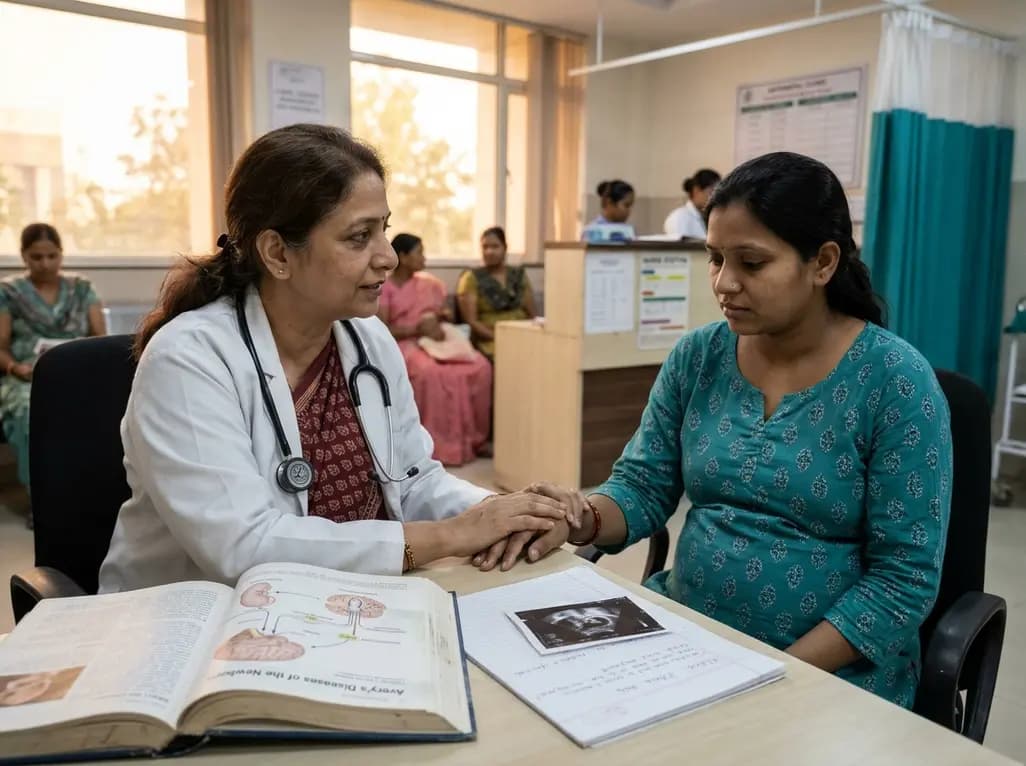
A comprehensive scoping review synthesises evidence linking prenatal maternal mental health to long-term offspring neurodevelopment, evaluating neuroendocrine, inflammatory, and epigenetic pathways while highlighting clinical screening and future research priorities.
Today

The Directorate General of Health Services directs Indian states to halt the hazardous reuse and reprocessing of single-use medical devices. Discover regulatory implications under the Drugs and Cosmetics Act, critical infection risks, legal liabilities, and operational changes required across clinical specialties.
Today
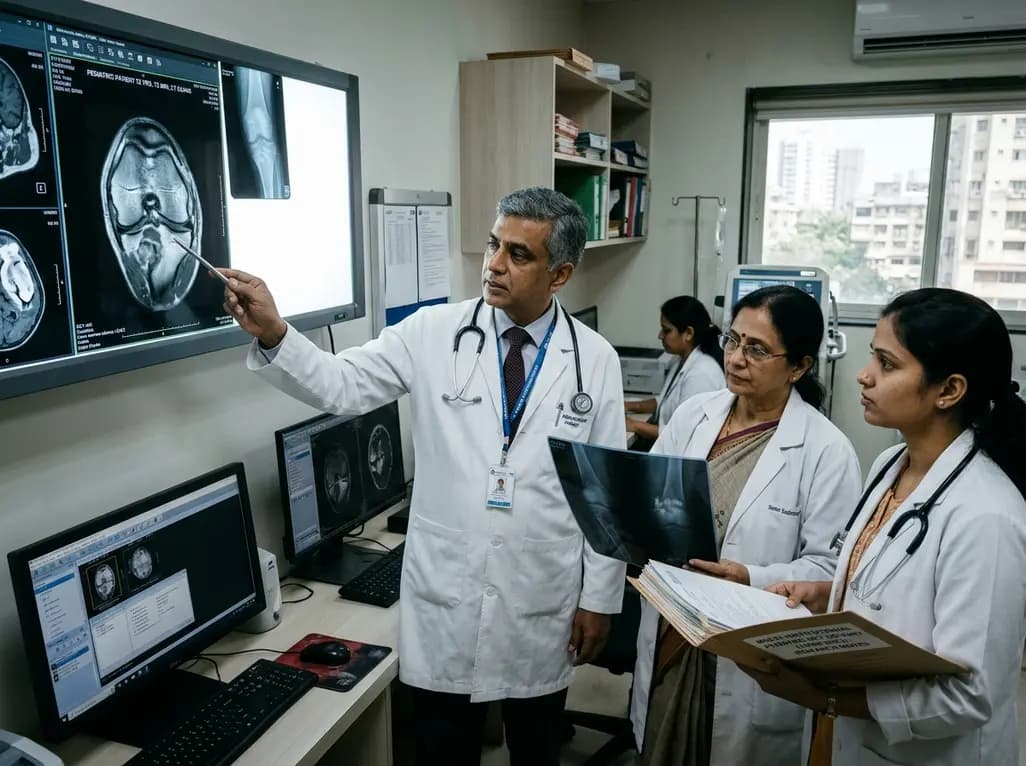
A 25-year multi-institutional cohort reveals high recurrence rates in pediatric giant cell tumor of bone, particularly in patients with open physes and bone marrow edema on preoperative MRI. Early surveillance and careful balance between growth plate preservation and tumor clearance are essential.
Today

India is advancing preventive healthcare by integrating genomics, artificial intelligence, and quantum technologies. With the SANGAM programme sequencing one million Indian genomes, clinicians can unlock personalized therapies, detect cardiometabolic risks early, and curb the burden of diabetes and heart disease.
Today
