.webp&w=384&q=75)

Loading, please wait...
Loading, please wait...

The National Highways Authority of India (NHAI) recently announced a significant ecological project titled 'Arogya Van'. This initiative focuses on planting medicinal tree species on vacant land parcels adjacent to National Highways. By utilizing these spaces, the government aims to enhance biodiversity while strengthening ecosystem resilience across the country. Consequently, these green corridors will serve as living repositories of India's traditional botanical heritage.
In the first phase of the project, authorities have identified 17 land parcels covering over 62.8 hectares. Within these areas, workers will plant approximately 67,462 medicinal tree species. This massive effort spans several states, including Madhya Pradesh, Haryana, Delhi-NCR, Andhra Pradesh, and Gujarat. Furthermore, Karnataka, Odisha, Tamil Nadu, Rajasthan, Maharashtra, and Chhattisgarh will also participate in this phase. The ministry selected 36 specific varieties, such as Neem, Amla, Jamun, and Gular, based on their established therapeutic properties and suitability to local agro-climatic zones.
The road ministry believes that these plantations will maximize public outreach regarding traditional knowledge systems. Specifically, planners will prioritize land near toll plazas, interchanges, and wayside amenities. This strategic placement ensures that travelers encounter these medicinal plants frequently. Because this initiative aligns with the government's focus on Ayurveda, it supports the conservation of indigenous flora. Ultimately, these knowledge hubs will promote sustainable living practices and highlight the contemporary relevance of ancient medicinal wisdom.
Q1: Which specific medicinal plants are included in the Arogya Van project?
The project includes 36 identified species with established properties, such as Neem, Amla, Imli, Jamun, Lemon, Gular, and Maulsari. These are selected based on the specific climate of each region.
Q2: How does this initiative support the Indian healthcare system?
By conserving indigenous medicinal flora and creating public awareness, the initiative supports traditional systems of medicine like Ayurveda. It preserves the raw materials necessary for traditional treatments and educates the public on their uses.
Disclaimer: This content is for informational and educational purposes only. It does not constitute medical advice or replace professional judgment. Refer to the latest local and national guidelines for clinical practice.
References

Read summarized clinical updates, watch expert medical content, and earn CME certifications right from your smartphone.
Open your smartphone camera to scan and install.





NHAI is developing 'Arogya Van' along national highways, planting over 67,000 medicinal trees across 11 states to boost biodiversity and traditional medicin...
6 months ago

Following regulatory scrutiny from FSSAI regarding promotional representations and lean muscle preservation claims, Dr. Reddy's Laboratories and Nestlé Health Science are currently reviewing the branding and marketing strategy for their joint nutritional supplement Celevida GLP+.
Today
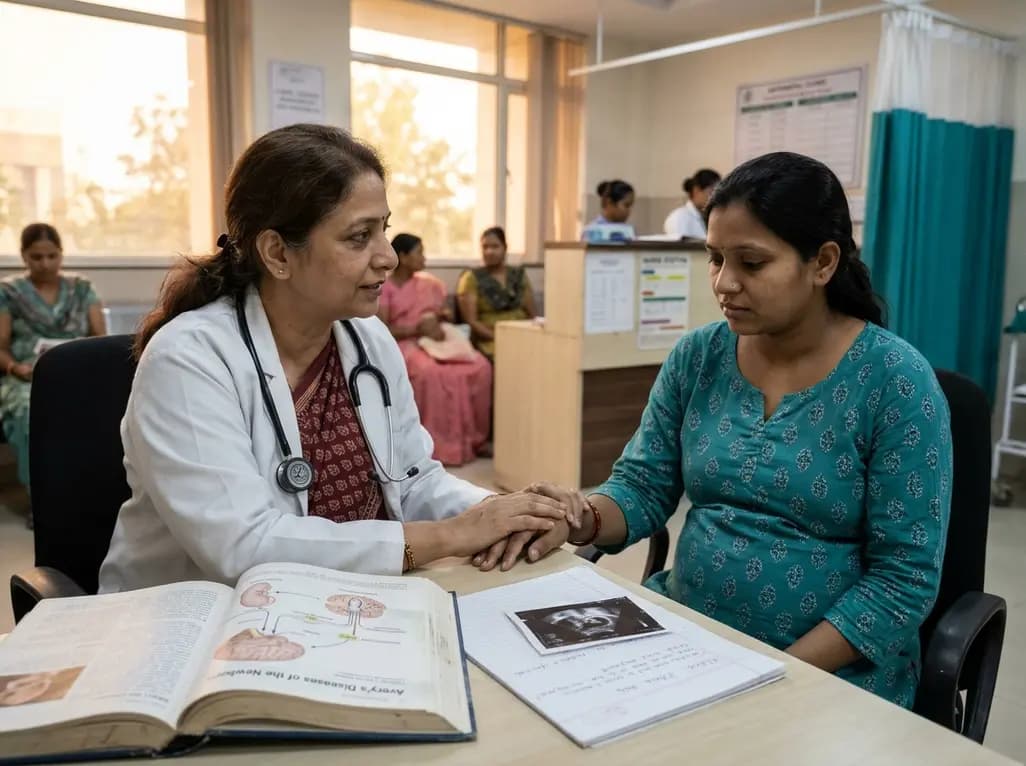
A comprehensive scoping review synthesises evidence linking prenatal maternal mental health to long-term offspring neurodevelopment, evaluating neuroendocrine, inflammatory, and epigenetic pathways while highlighting clinical screening and future research priorities.
Today

The Directorate General of Health Services directs Indian states to halt the hazardous reuse and reprocessing of single-use medical devices. Discover regulatory implications under the Drugs and Cosmetics Act, critical infection risks, legal liabilities, and operational changes required across clinical specialties.
Today
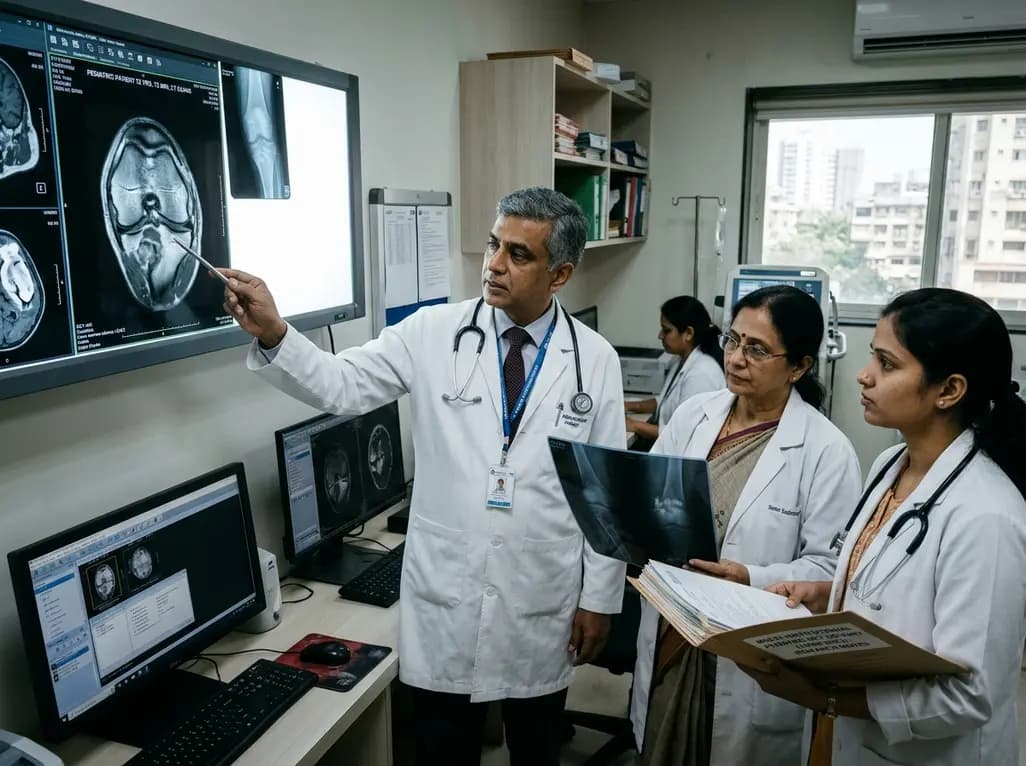
A 25-year multi-institutional cohort reveals high recurrence rates in pediatric giant cell tumor of bone, particularly in patients with open physes and bone marrow edema on preoperative MRI. Early surveillance and careful balance between growth plate preservation and tumor clearance are essential.
Today

India is advancing preventive healthcare by integrating genomics, artificial intelligence, and quantum technologies. With the SANGAM programme sequencing one million Indian genomes, clinicians can unlock personalized therapies, detect cardiometabolic risks early, and curb the burden of diabetes and heart disease.
Today
