

Loading, please wait...
Loading, please wait...

Evaluating MMRV vaccine immunogenicity is essential for expanding immunization options for pediatric populations worldwide. A recent phase II, randomized, multi-country trial investigated a new GSK formulation (MMRVNS) in children aged 4 to 6 years. This study aimed to provide an alternative for the second dose of measles, mumps, rubella, and varicella vaccination. Furthermore, having multiple vaccine options can strengthen supply resilience and improve overall disease control globally.
The trial enrolled 801 healthy children who had previously received their first dose of MMRV-containing vaccines during their second year of life. Researchers randomized these participants to receive either the investigational MMRVNS or a licensed MMRV vaccine. Consequently, the team assessed antibody concentrations and safety outcomes 43 days post-vaccination. They found that antigen-specific antibody levels were generally comparable between all groups. Therefore, the new formulation demonstrates an immune response similar to current standard-of-care options.
Safety remains a critical concern for any pediatric immunization program. In this study, the most common administration-site adverse event was pain, reported by 29.0% to 39.0% of participants. Systemic drowsiness also appeared frequently. However, these events were typical for this class of vaccines. Most unsolicited adverse events involved upper respiratory tract infections. Importantly, no serious adverse events were linked to the vaccine itself. Consequently, the investigational formulation maintained a safety profile similar to licensed lots.
In addition to comparable efficacy, the availability of diverse vaccine products helps healthcare systems manage potential shortages. Clinicians in India and other regions benefit from robust supply chains for childhood immunizations. Moreover, these results support the continued clinical development of the MMRVNS vaccine. Future phase III trials will likely provide more definitive data on long-term protection and broader population safety.
The study showed that the investigational MMRVNS vaccine produced antibody levels comparable to existing licensed vaccines. This indicates that it provides a similar level of protection against measles, mumps, rubella, and varicella when used as a second dose.
No serious adverse events were considered vaccine-related. Common side effects included injection site pain and drowsiness, which are consistent with other standard childhood vaccines currently in use.
Disclaimer: This content is for informational and educational purposes only. It does not constitute medical advice or a professional recommendation. Healthcare providers should always verify clinical data and drug information. Refer to the latest local and national guidelines for clinical practice.
References
Habib MA et al. Immunogenicity and safety of an investigational quadrivalent measles, mumps, rubella, and varicella vaccine in children aged 4-6 years: A phase II, randomized, multi-country trial. Hum Vaccin Immunother. 2026 Dec undefined. doi: 10.1080/21645515.2026.2660525. PMID: 42189573.
World Health Organization. Measles vaccines: WHO position paper. April 2017.
Centers for Disease Control and Prevention. Measles, Mumps, Rubella, and Varicella (MMRV) Vaccine Information Statement. 2023.

Read summarized clinical updates, watch expert medical content, and earn CME certifications right from your smartphone.
Open your smartphone camera to scan and install.





A phase II trial evaluates GSK's investigational MMRV vaccine (MMRVNS) in children, demonstrating comparable immunogenicity and safety to licensed vaccines....
4 months ago

Explore vital recurrent stroke predictors in lacunar stroke patients managed with intensive blood pressure lowering. This analysis examines trial findings from SPS3 to uncover residual vascular risks, metabolic factors, and targeted secondary prevention strategies for high-risk neurological patients.
Today
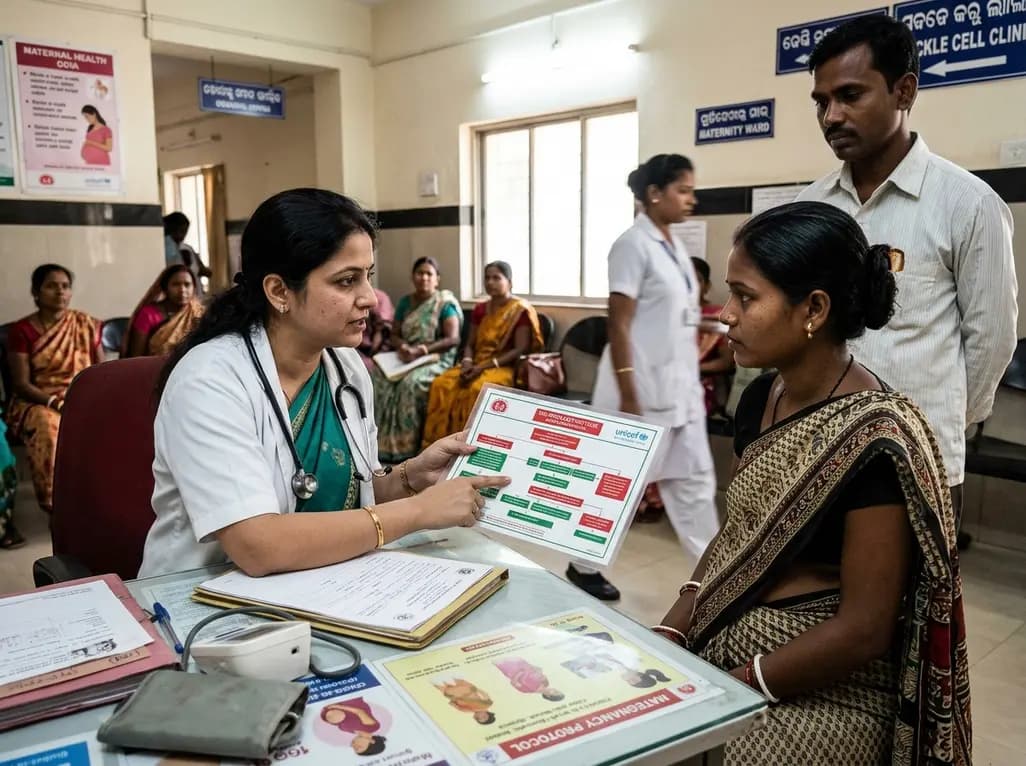
Odisha has established India's first state-level clinical protocol specifically tailored for pregnant women with sickle cell disease. Developed with NHM and UNICEF, the framework provides structured antenatal screening, crisis mitigation, standardized referral pathways, and specialized interdisciplinary care.
Today

The Directorate General of Health Services directs Indian states to halt the hazardous reuse and reprocessing of single-use medical devices. Discover regulatory implications under the Drugs and Cosmetics Act, critical infection risks, legal liabilities, and operational changes required across clinical specialties.
Today
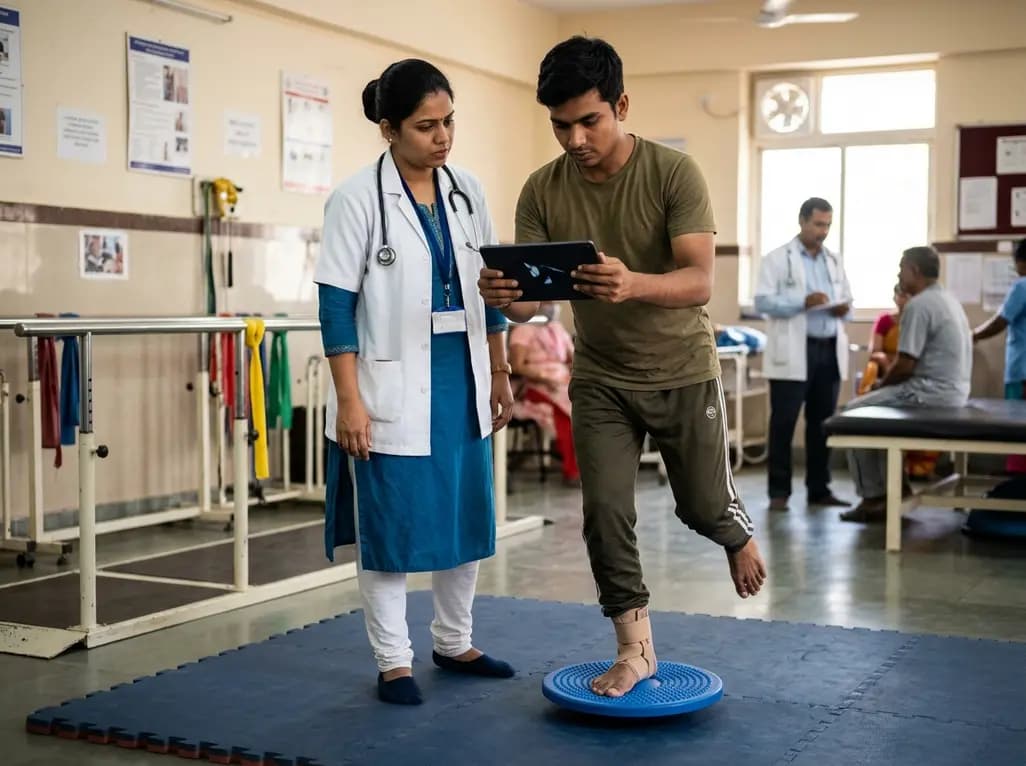
A randomized controlled trial demonstrates that an eight-week dual-task training intervention significantly improves static and dynamic postural control over standard balance exercises in individuals with chronic ankle instability, addressing critical neurocognitive deficits during athletic and daily activities.
Today
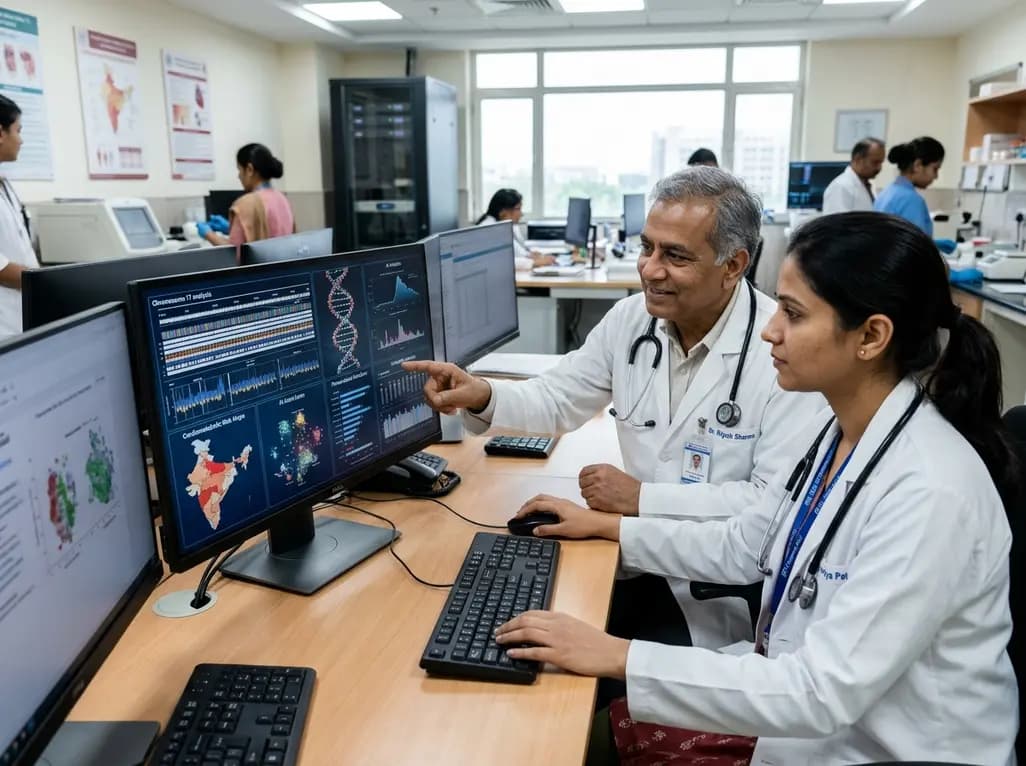
India is advancing preventive healthcare by integrating genomics, artificial intelligence, and quantum technologies. With the SANGAM programme sequencing one million Indian genomes, clinicians can unlock personalized therapies, detect cardiometabolic risks early, and curb the burden of diabetes and heart disease.
Today
