

Loading, please wait...
Loading, please wait...
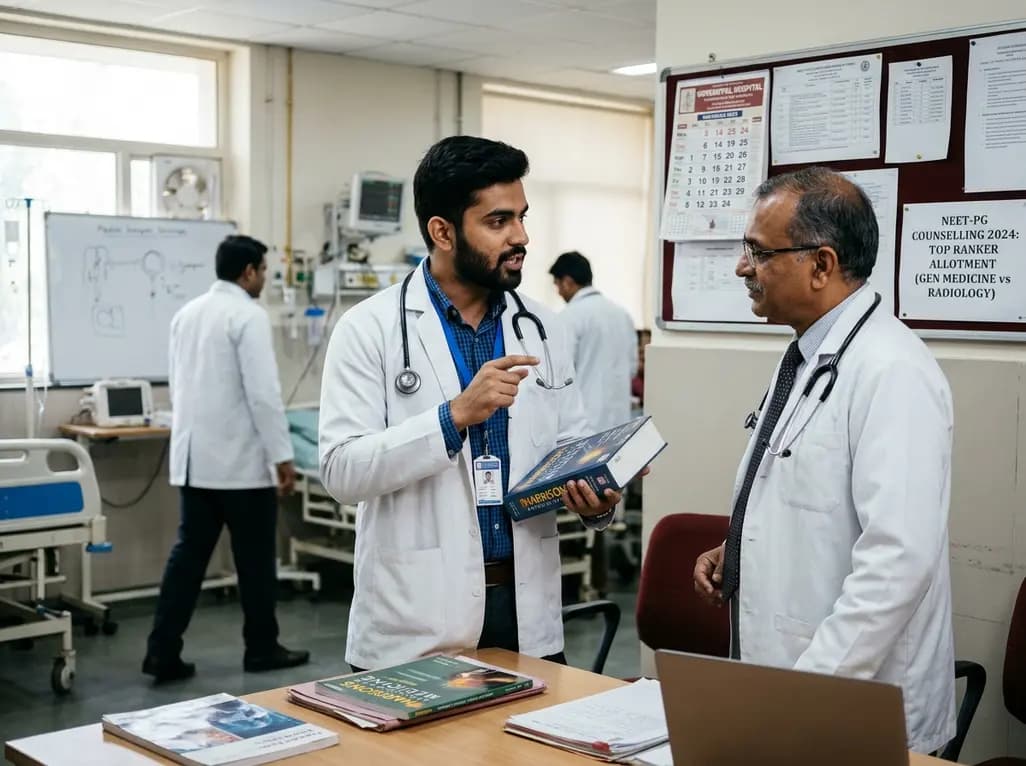
The release of the Round 1 allotment list by the Medical Counselling Committee (MCC) offers fascinating insights into contemporary NEET-PG specialty trends. For years, postgraduate medical aspirants closely watched the fierce battle between clinical disciplines and diagnostic branches. In the latest counselling session, General Medicine emerged as the undisputed favourite among top performers. Specifically, 51 candidates among the top 100 rankers chose General Medicine, whereas 28 candidates opted for Radiodiagnosis. Dermatology secured six allotments, while Paediatrics and General Surgery claimed three allotments each. Consequently, this decisive distribution indicates a notable pivot in postgraduate preference. Medical educators and senior faculty members observe that these patterns reveal evolving career priorities among young Indian physicians. While lifestyle branches once dominated early round choices, clinical disciplines are now reclaiming central prominence.
The MCC Round 1 allotment data provides empirical evidence regarding current candidate preferences. Out of the top 100 candidates, more than half committed their postgraduate careers to General Medicine. Conversely, Radiodiagnosis, which previously commanded the highest ranks across leading central institutes, experienced a noticeable decline. Dermatology stood at a distant third position with only six selections. Meanwhile, Paediatrics and General Surgery registered three allotments each, leaving minimal representation for other disciplines.
Furthermore, these numbers illustrate how merit rankers approach long-term clinical sustainability. Junior doctors recognize that foundational branches provide diverse practice options across geographical regions. In contrast, highly equipment-dependent fields demand heavy institutional support or massive capital investment. Therefore, aspirants often evaluate institutional infrastructure before finalizing their counselling options. Top medical institutions in Delhi, Mumbai, and Bengaluru filled their internal medicine rosters during the initial admission cycles. Consequently, the allotment results demonstrate that internal medicine remains the primary anchor of hospital care. As healthcare systems expand across India, the demand for competent general physicians continues to surge. Aspirants recognize this reality and align their career decisions with broader healthcare market dynamics.
General Medicine continues to attract doctors who relish diagnostic challenges and direct patient engagement. Prof Neeraj Nischal, an esteemed faculty member in Internal Medicine at AIIMS, highlighted this reality succinctly. He noted that candidates who enjoy bedside evaluations, clinical problem-solving, and managing multisystem pathologies naturally gravitate toward medicine. Moreover, the specialty offers an intellectual depth that few other disciplines can rival. Physicians must synthesize history, physical signs, and laboratory investigations to solve complex diagnostic riddles.
In addition, internal medicine serves as the definitive gateway to numerous prestigious super-specialties. Doctors who complete their MD can pursue Doctorate of Medicine (DM) degrees in Cardiology, Neurology, Gastroenterology, Nephrology, and Critical Care. Hence, the specialty provides unparalleled flexibility and long-term professional adaptability. A physician can transition into academic medicine, private hospital practice, or comprehensive outpatient clinics. Although the initial training years require intense physical stamina, the ultimate clinical mastery brings deep professional satisfaction. Thus, doctors who value comprehensive care consider the demanding residency curriculum entirely worthwhile. They find immense personal purpose in walking alongside patients through acute and chronic illnesses.
Radiodiagnosis has historically attracted rankers who prioritize structured working hours and predictable lifestyles. Unlike emergency medicine or critical care, diagnostic radiology typically involves minimal direct bedside emergencies during routine duty. Therefore, radiologists can maintain an enviable work-life balance while still contributing critically to clinical management. Furthermore, the discipline offers rapid financial settlement immediately after residency. Young radiologists can join corporate hospitals, private scan centres, or tele-radiology networks without additional fellowship prerequisites.
However, recent technological developments have introduced subtle shifts in student perceptions. Advanced artificial intelligence algorithms are evolving rapidly to assist diagnostic image interpretation. Although AI cannot entirely replace qualified radiologists, it reshapes workflows and reporting protocols. Consequently, prospective postgraduates frequently deliberate over the long-term impact of automated diagnostic screening on future employment opportunities. In addition, radiology practice relies heavily on high-end hardware like advanced CT scanners and MRI machines. As a result, establishing an independent practice demands enormous financial capital. Many young practitioners consequently find themselves reliant on institutional employers. Therefore, candidates carefully weigh these operational realities before committing to diagnostic imaging as a lifelong profession.
When comparing General Medicine and Radiodiagnosis, candidates face distinct career trajectories and financial timelines. Radiodiagnosis provides earlier monetary returns because doctors can start independent reporting immediately after completing residency. Conversely, General Medicine requires extended professional patience. Most medicine graduates choose to undertake three additional years of DM super-specialisation training. Subsequently, establishing a reputable clinical practice demands another two to three years of focused community networking.
Nevertheless, the long-term earning ceiling and institutional independence for medicine super-specialists often surpass general expectations. Experienced cardiologists, nephrologists, and medical oncologists maintain robust patient rosters that generate substantial recurring clinical revenue. Furthermore, clinical specialists retain substantial patient loyalty that protects them from rapid technological disruptions. In contrast, non-interventional radiologists may face tighter corporate fee structures and intense market consolidation. Thus, postgraduates often view the extra training years in medicine as a valuable strategic investment. They understand that clinical relationships build enduring professional autonomy. Ultimately, career longevity, personal values, and diagnostic autonomy guide these decisive specialty choices.
Aspiring postgraduates preparing for subsequent counselling rounds must analyze these allocation patterns thoughtfully. First, candidates should never choose a discipline solely based on societal prestige or closing ranks. Instead, they must honestly evaluate their own clinical temperament, resilience, and personal aspirations. A candidate who dreads bedside patient interaction may struggle in a bustling medical ward. Similarly, an action-oriented doctor who thrives on human connection might find a dark reporting room isolating.
Second, aspirants should seek authentic guidance from senior residents and practicing consultants across different sectors. They must understand the ground realities of hospital shifts, night calls, and academic demands. Moreover, candidates should assess their personal financial obligations before selecting extended academic pathways. If immediate financial independence is an urgent priority, shorter training timelines become highly desirable. However, if long-term super-specialist mastery inspires a candidate, medicine provides the most versatile foundation. In conclusion, medical graduates must align their personal mission with clinical practice demands. By prioritizing professional fulfilment over temporary trends, young doctors can build resilient and rewarding careers.
Q1: Why did General Medicine top the Round 1 choices in NEET-PG?
General Medicine emerged as the top choice because it offers unparalleled versatility, clinical satisfaction, and extensive super-specialisation pathways. Candidates deeply value direct bedside patient interaction and comprehensive diagnostic challenges. Although financial stability may take longer due to subsequent DM training, the immense long-term professional growth and clinical autonomy make it exceptionally rewarding. As a result, top performers prioritize intellectual fulfillment over immediate financial returns.
Q2: How does the career path of Radiodiagnosis compare with General Medicine?
Radiodiagnosis provides faster financial returns and predictable working hours immediately following residency completion. Radiologists rarely handle unpredictable bedside emergencies, which supports a balanced daily lifestyle. In contrast, General Medicine typically requires three additional years of DM super-specialisation and several years of patient acquisition. However, medicine offers greater personal practice autonomy and long-term clinical relationships that diagnostic specialties cannot match. Consequently, individual priorities determine the optimal path.
Q3: Is the rapid growth of artificial intelligence affecting radiology choices?
Rapid advancements in artificial intelligence are undoubtedly influencing how medical candidates evaluate diagnostic specialties. Although artificial intelligence cannot replace skilled radiologists in complex clinical decision-making, it increasingly automates preliminary screening and image segmentation tasks. Consequently, some aspirants worry about shifting job dynamics and institutional dependence. Therefore, candidates often view direct clinical fields like General Medicine as more resilient and less vulnerable to external algorithmic disruption.
Disclaimer: This content is for informational and educational purposes only. It does not constitute medical advice or replace professional judgment. Refer to the latest local and national guidelines for clinical practice.
References

Read summarized clinical updates, watch expert medical content, and earn CME certifications right from your smartphone.
Open your smartphone camera to scan and install.





Medical Counselling Committee Round 1 allotment data reveals a significant shift among top 100 NEET-PG candidates, with 51 opting for General Medicine and 28 selecting Radiodiagnosis. Factors driving this pattern include long-term super-specialisation pathways, patient interaction, and evolving career priorities.
Today
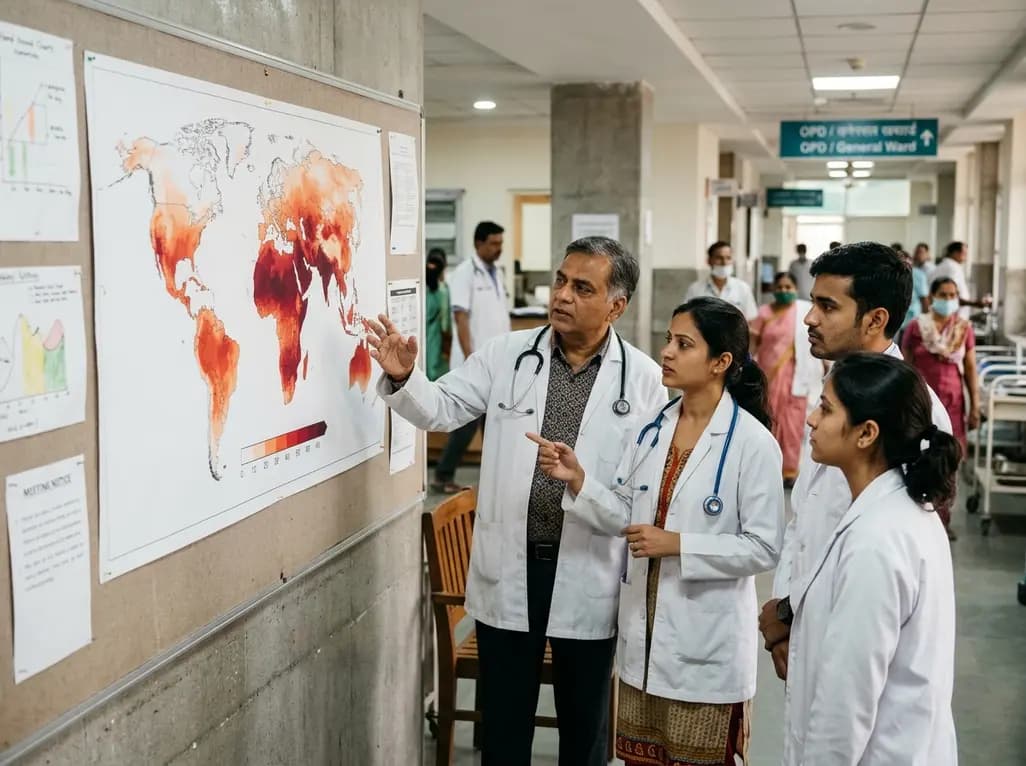
A landmark Lancet report reveals that heat claimed three million lives between 2016 and 2023, with over seventy percent linked to human activity. As healthcare systems face accelerating climate impacts, international experts urge unified policy action, resilient infrastructure, and targeted research investments.
Today
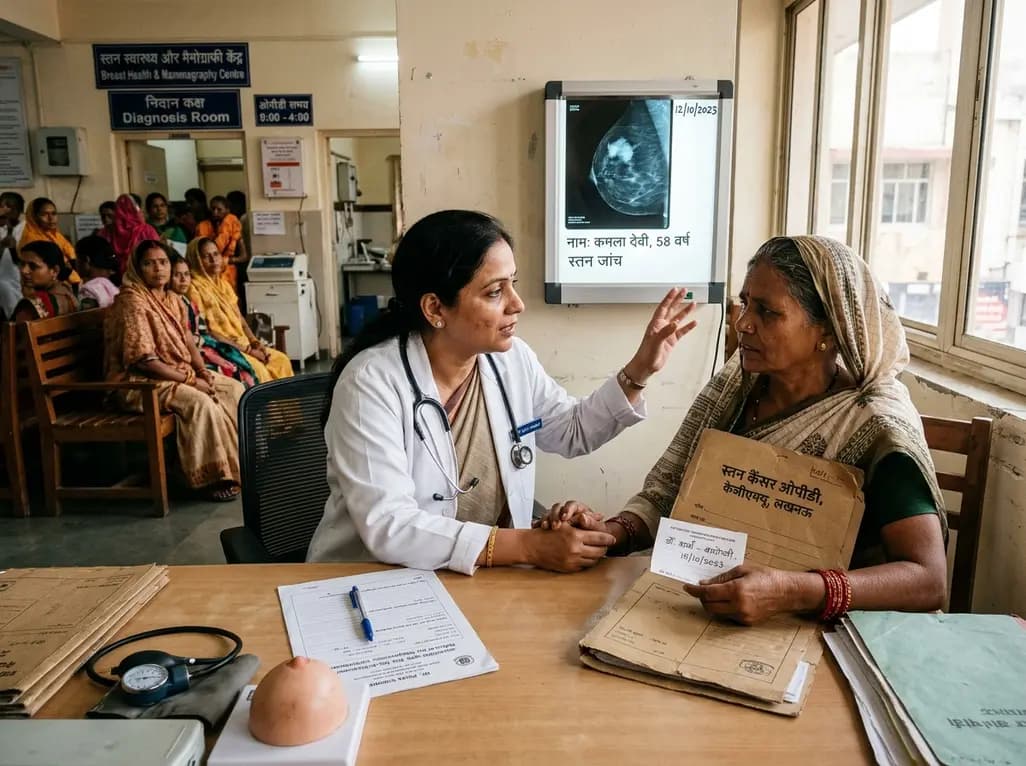
A KGMU study reveals over half of women with breast abnormalities fail to undergo diagnostic confirmation, leading to advanced-stage detection. Discover the socio-cultural barriers, clinical risks of incomplete resection, and community-level solutions needed to bridge the critical screening-to-diagnosis gap in India.
2 days back
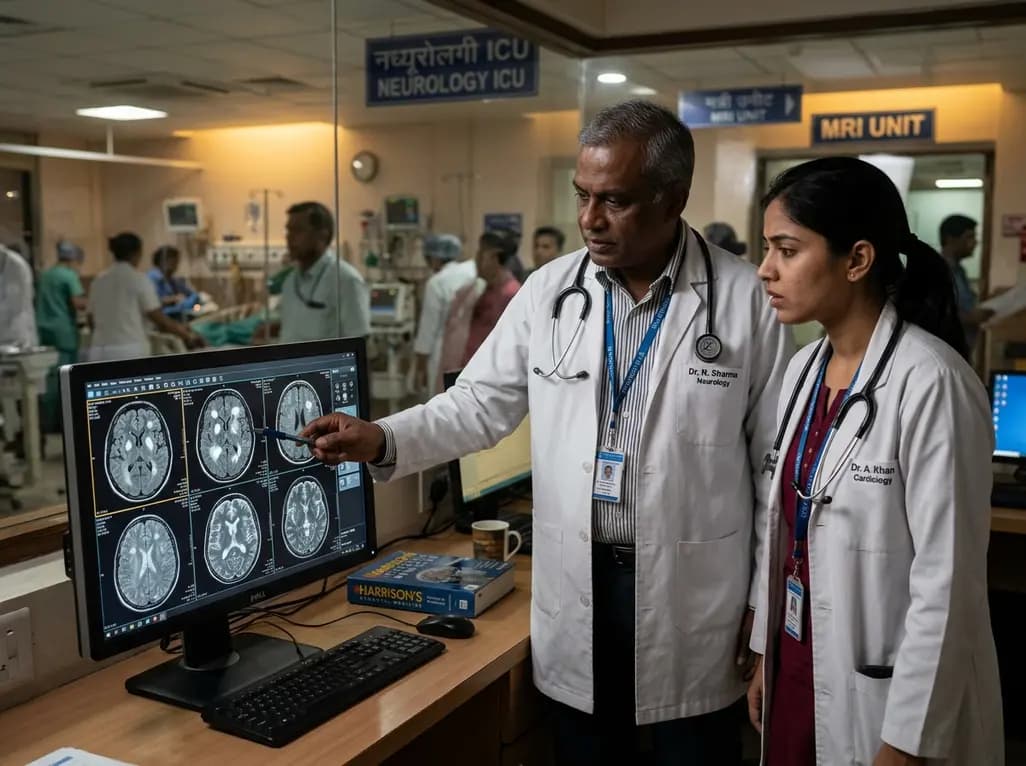
Recent findings from the VESUVE study demonstrate that brain MRI detects intracranial lesions in over 76% of patients with infective endocarditis. Acute ischemic stroke and subarachnoid hemorrhage independently elevate six-month mortality, underscoring the critical prognostic utility of neuroimaging.
Yesterday
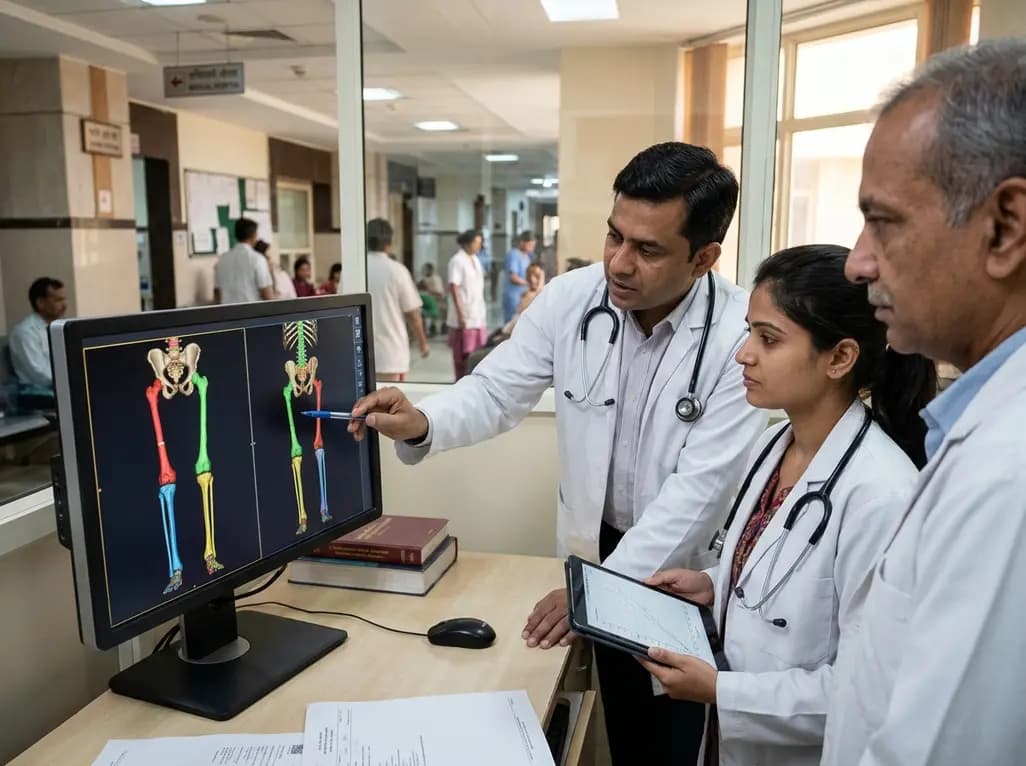
Modern 3D anthropometry reveals that pediatric leg growth ceases years before spinal elongation, exposing the clinical illusion of the classical Anderson-Green model. Learn how segmental growth dissociation improves surgical timing for epiphysiodesis in adolescent leg length discrepancy.
Yesterday

A meta-analysis of 18 studies reveals that bariatric surgery does not significantly alter circulating homocysteine levels, regardless of follow-up duration. Clinicians must maintain vigilance over post-surgical micronutrient supplementation to prevent hyperhomocysteinemia.
Yesterday
