

Loading, please wait...
Loading, please wait...
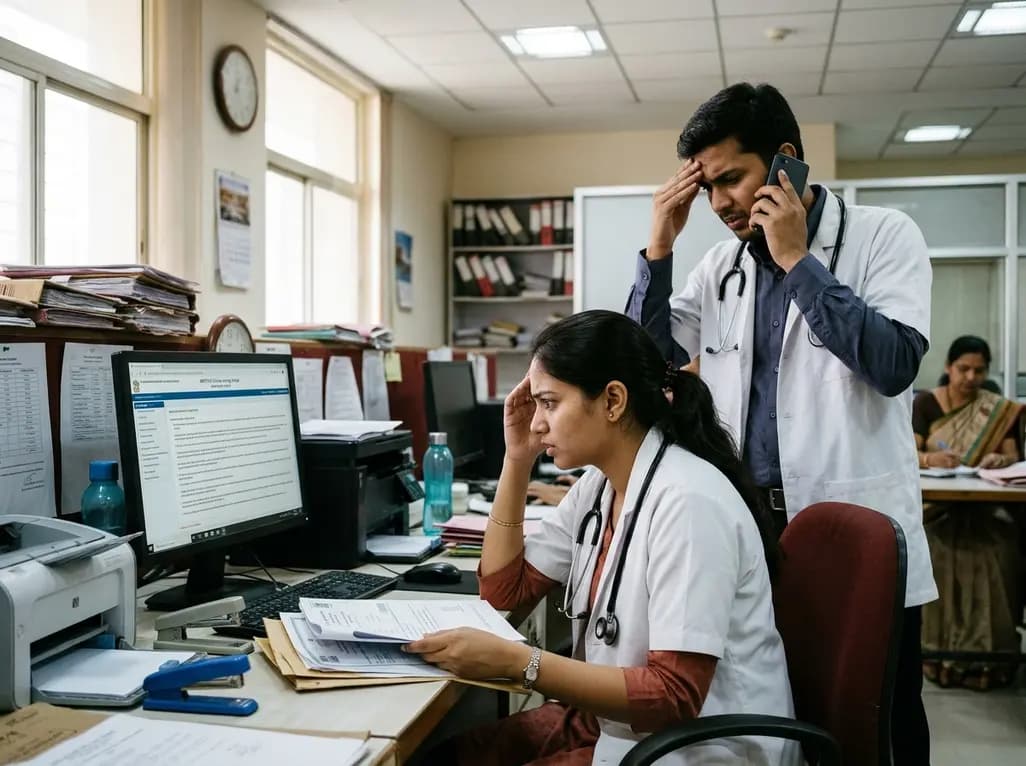
The annual admission cycle for postgraduate medical education presents significant administrative demands across India. Recently, candidates participating in NEET-PG counselling encountered unexpected obstacles during the initial online joining phase. Although regulatory authorities modernised the reporting infrastructure, multiple institutional communication channels failed abruptly. Consequently, admitted resident doctors faced widespread confusion regarding document verification timelines. These procedural bottlenecks threaten academic scheduling and create distress among young physicians. Healthcare institutions and statutory boards must address these operational lapses systematically.
The transition toward digital reporting aims to streamline postgraduate admissions across national and state medical institutions. However, the initial execution exposed severe communication deficits in premier colleges. For example, candidates allotted seats at Vardhman Mahavir Medical College found designated nodal contact numbers switched off. Similarly, the University College of Medical Sciences listed placeholder digits such as \"00000000\" on the central portal. Furthermore, institutional email accounts frequently failed to respond to urgent verification queries. As a result, newly admitted residents could not confirm whether institutes validated their primary medical credentials. These administrative failures amplify psychological distress during an already stressful career transition. Moreover, candidates operate under rigid deadlines where failing to confirm reporting leads to seat cancellation. Without clear institutional communication, resident doctors face unnecessary career uncertainty. Institutional leadership must therefore maintain active, dedicated help desks and verify their public contact listings before counselling rounds commence.
The revised procedural framework introduces distinct pathways known as freeze and float for seat allotment. Candidates selecting the freeze option willingly accept their allocated specialty and institution as final. In contrast, candidates selecting the float option retain their current allotment while seeking upgrades in subsequent counselling rounds. Crucially, the Medical Counselling Committee established that float candidates should complete document verification through online protocols. This progressive rule intentionally eliminates the need for expensive, exhausting travel across interstate borders. Nevertheless, several departmental administrators misinterpret these updated directives and demand physical attendance on campus. Because institutional nodal officers remain unreachable, candidates cannot clarify these conflicting instructions in time. Consequently, many young doctors undertake emergency travel at considerable personal and financial expense. Such operational friction defeats the primary purpose of centralised online reporting. Standardising institutional comprehension remains vital for smooth policy implementation. Therefore, national regulatory bodies must circulate explicit procedural manuals to align participating colleges with central directives.
The reliability of digital counselling platforms depends entirely on accurate institutional directory data. Unfortunately, recent incidents highlight significant administrative negligence regarding directory upkeep on central portals. For instance, an allotment letter recently listed a retired medical officer as the active Diplomate of National Board coordinator. Such errors demonstrate that supervisory bodies failed to audit institutional listings before releasing seat allotments. Furthermore, central helplines frequently deflect inquiries by directing distressed candidates back to non-responsive colleges. This circular dilemma leaves prospective residents without any accessible channel for procedural guidance or conflict resolution. Therefore, resident doctor associations have demanded immediate intervention from the National Medical Commission and the Union Health Ministry. Establishing clear accountability mechanisms will prevent institutional negligence from harming young physicians. Moreover, regulatory bodies should penalise institutions that display inaccurate contact information during high-stakes national admissions. Medical colleges must recognise that administrative reliability directly influences physician welfare and institutional reputation.
Effective grievance redressal represents a vital cornerstone of transparent educational administration. However, current feedback channels in postgraduate medical admissions demonstrate severe operational strain. Candidates attempting to register formal complaints have repeatedly encountered full electronic mailboxes and unattended telephone switchboards. Consequently, applicants cannot submit documentation queries or report system anomalies within stipulated reporting windows. When administrative portals fail to respond, candidates risk losing valuable specialty seats through no personal fault. Therefore, statutory authorities must establish dedicated, round-the-clock technical monitoring throughout active reporting periods. Independent ombudsman desks could evaluate candidate grievances objectively and prevent costly litigation. Furthermore, counselling authorities should grant provisional joining acknowledgments whenever technical barriers prevent standard verification. Such safeguards protect junior doctors from bureaucratic penalties while medical institutions rectify internal communications. Ultimately, structured oversight and reliable feedback loops ensure equity, transparency, and operational stability across postgraduate medical education.
While regulatory authorities work to rectify institutional communication gaps, candidates must adopt proactive strategies to safeguard their admission status. First, resident doctors should prepare comprehensive digital and physical dossiers containing all mandatory credentials. These essential records include the provisional allotment letter, medical council registration, MBBS completion degree, and relevant internship certificates. Second, candidates encountering unreachable nodal officers must meticulously archive every communication attempt. Documenting detailed call logs, delivery receipts of emails, and portal error screenshots establishes vital evidentiary proof. Furthermore, applicants should immediately notify both the central counselling authority and regional administrative heads through formal correspondence. Engaging with recognized resident doctor associations can also accelerate administrative interventions during critical deadlines. Finally, candidates choosing the float pathway must monitor the counselling dashboard daily to verify document approval before subsequent rounds commence. Maintaining organized records and persistent follow-up shields candidates from sudden administrative complications.
Q1: What should candidates do if an allotted college nodal officer remains unreachable?
Candidates facing unreachable nodal officers should immediately compile timestamped proof of all communication attempts, including unanswered telephone logs and unsent email bounce messages. Subsequently, applicants must submit an urgent ticket through the central counselling grievance portal and dispatch formal emails to the Medical Counselling Committee helpdesk. Candidates should also reach out to the medical superintendent or academic registrar of the allotted institution to ensure timely verification before the reporting deadline expires.
Q2: How does the float option differ from the freeze option during postgraduate counselling?
The freeze option indicates that a candidate accepts the currently allotted specialty and institute without participating in further counselling rounds. Conversely, the float option permits candidates to retain their assigned seat while remaining eligible for an upgrade to higher-preference choices in subsequent rounds. Under updated regulations, float candidates complete document verification online through the centralized portal, eliminating mandatory physical reporting to the allotted institute during initial admission cycles.
Q3: Why is institutional document verification essential for finalizing online seat allotment?
Institutional document verification serves as an essential regulatory checkpoint that authenticates a candidate's eligibility, medical registration, academic qualifications, and reservation status. Without timely verification by the designated nodal officer, the central counselling portal cannot confirm the provisional admission status. Unresolved verification discrepancies or unverified portals can cause the counselling system to treat the candidate as non-reported, which risks seat cancellation and forfeiture of the admission security deposit.
Disclaimer: This content is for informational and educational purposes only. It does not constitute medical advice or replace professional judgment. Refer to the latest local and national guidelines for clinical practice.
References

Read summarized clinical updates, watch expert medical content, and earn CME certifications right from your smartphone.
Open your smartphone camera to scan and install.





Technical glitches and non-functional nodal contact details have disrupted the online joining process for resident doctors in national postgraduate medical admissions. As document verification stalls, aspirants require urgent administrative clarity regarding freeze and float procedures to secure allotted seats.
Today
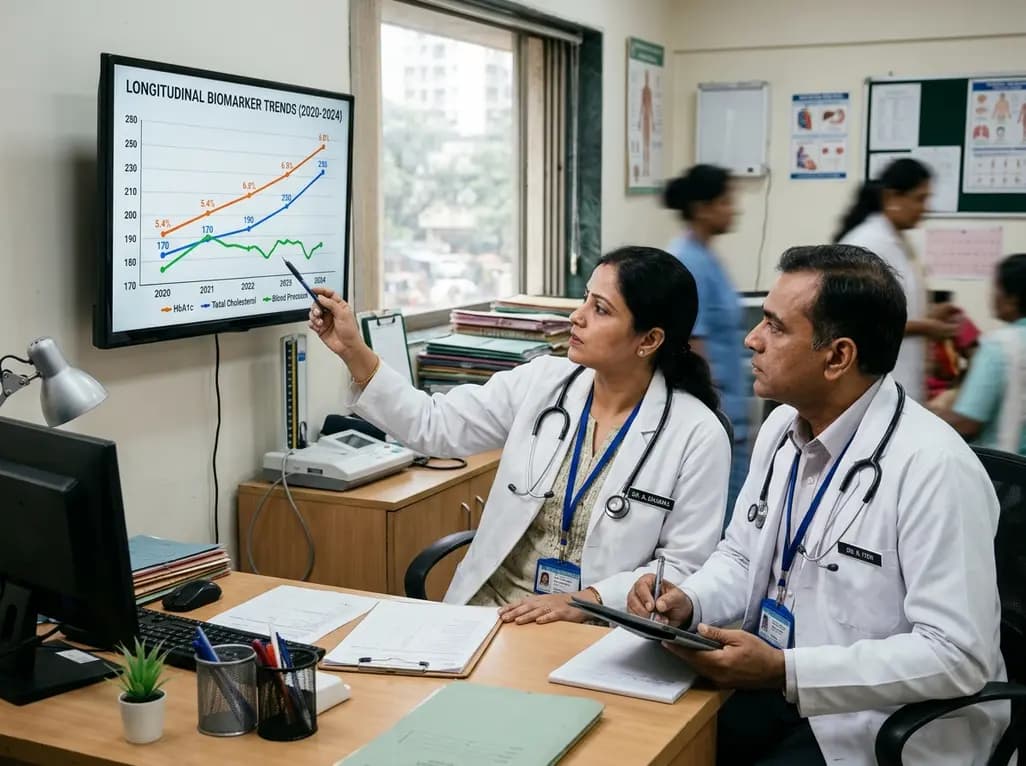
Annual health checks only offer static snapshots. Real-world evidence from 2.1 million insured Indians reveals that tracking dynamic biomarker trends over time enables clinicians to spot evolving cardiometabolic risks early, reverse borderline pathology, and deliver tailored preventive interventions.
Today
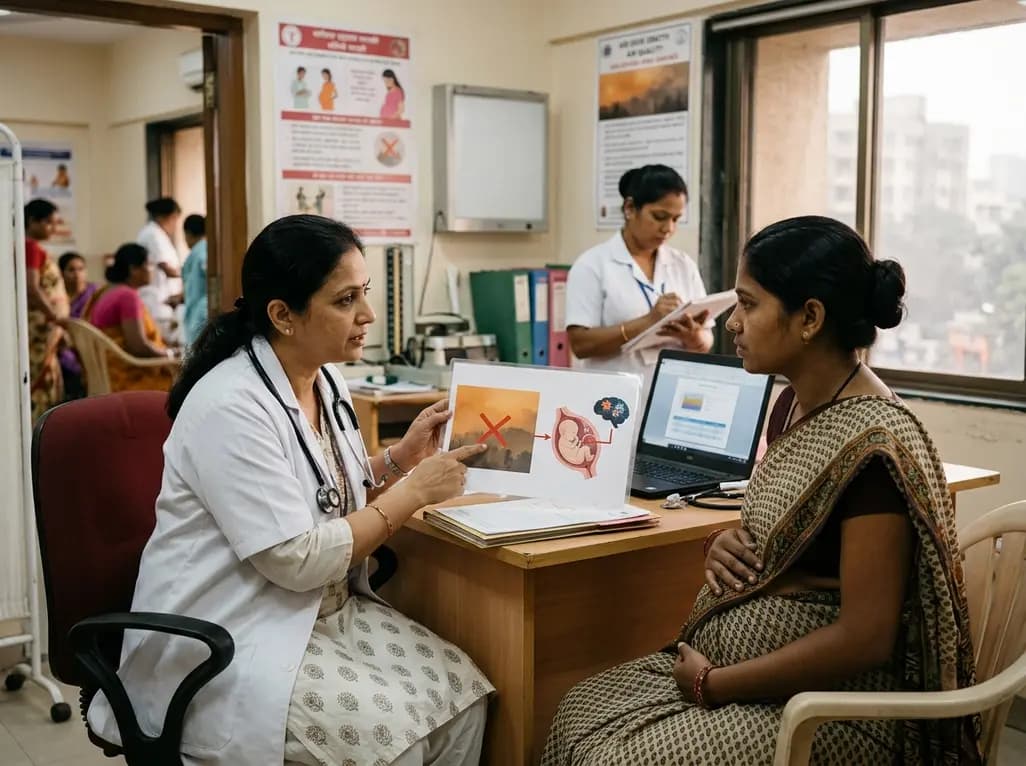
A nationwide cohort study published in JAMA Pediatrics reveals that maternal exposure to wildfire fine particulate matter, especially in late pregnancy, is linked to an elevated risk of childhood autism. Clinicians should evaluate ambient air quality risks and provide proactive protective counseling to mothers.
Today
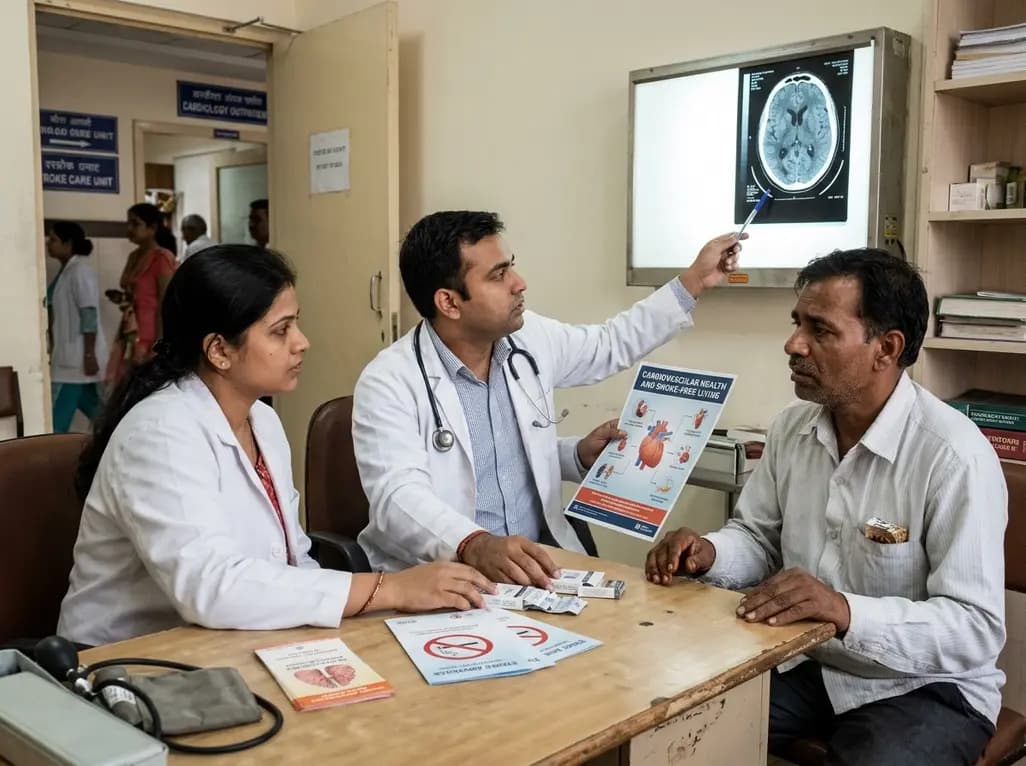
India faces an escalating challenge with vascular diseases, where tobacco use and hypertension together drive substantial cerebrovascular mortality. Addressing nicotine addiction as a clinical neurochemical disorder rather than a lack of willpower is vital for nationwide prevention and sustainable cessation support.
Today
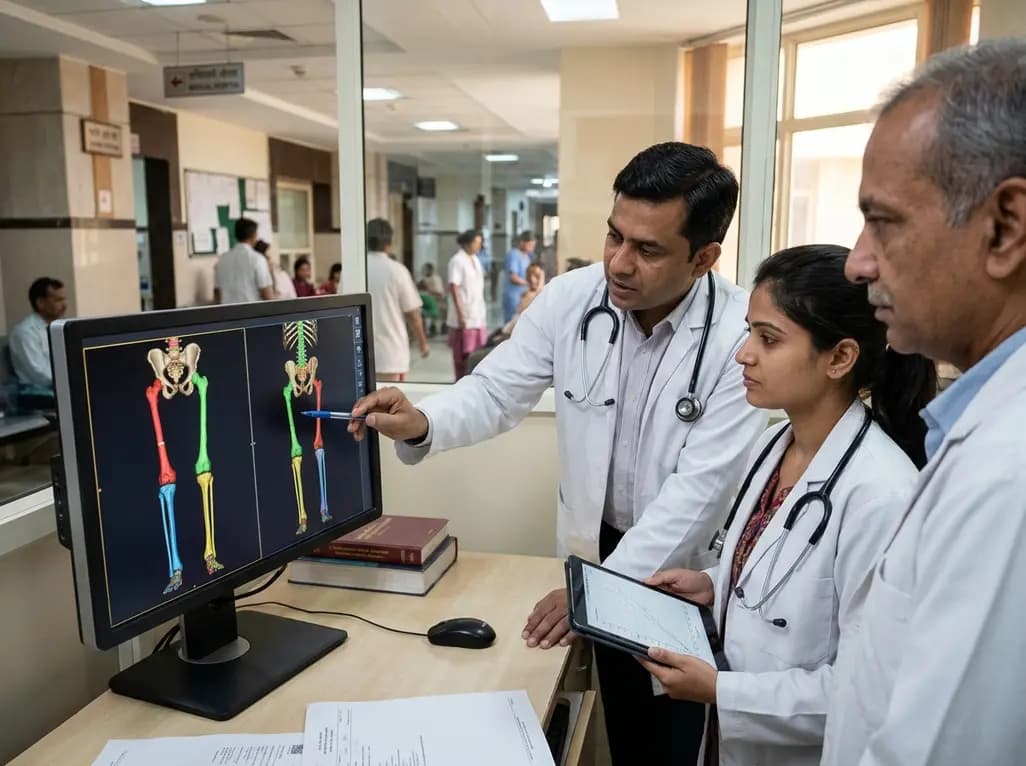
Modern 3D anthropometry reveals that pediatric leg growth ceases years before spinal elongation, exposing the clinical illusion of the classical Anderson-Green model. Learn how segmental growth dissociation improves surgical timing for epiphysiodesis in adolescent leg length discrepancy.
2 days back

With packaged goods giant HUL backing FSSAI's proposed front-of-pack red warning labels for foods high in fat, sugar, and salt, India takes a major step toward curbing non-communicable diseases. Learn how clearer nutrition disclosures empower clinicians, inform consumer choices, and drive dietary reform.
Today
