

Loading, please wait...
Loading, please wait...
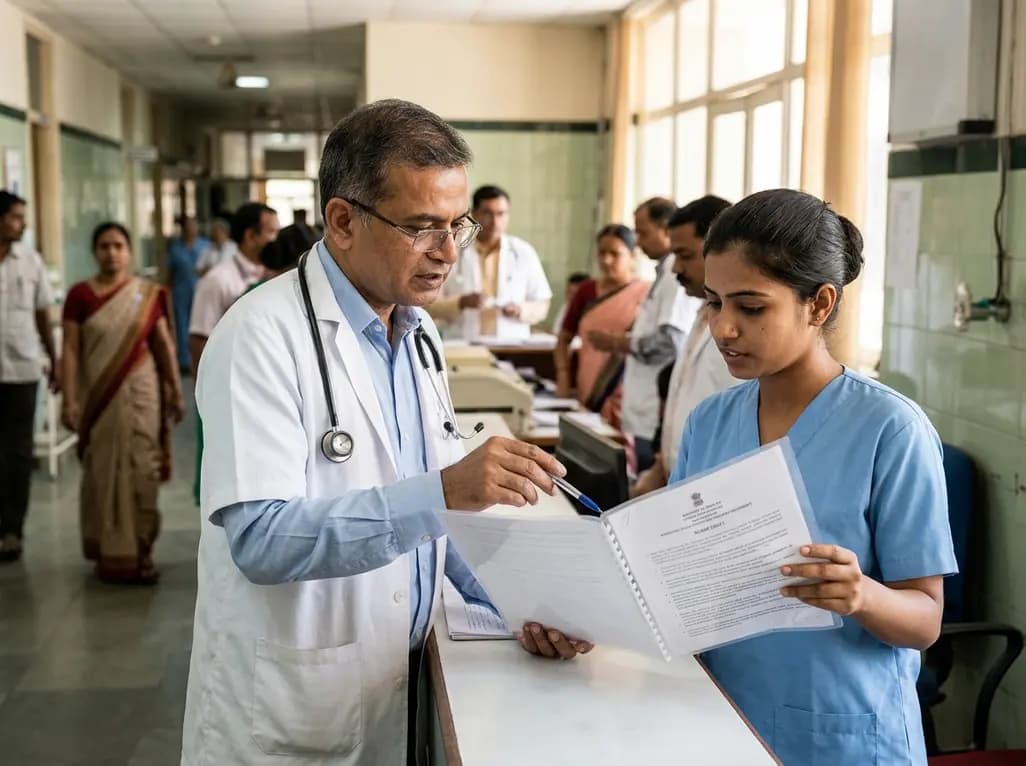
The Union Ministry of Health and Family Welfare has taken a historic step to empower the nation's auxiliary medical workforce. Specifically, the government announced the draft guidelines for NCAHP provisional registration to regulate millions of allied healthcare professionals across India. These statutory guidelines emerge under the National Commission for Allied and Healthcare Professions Act, 2021. For decades, auxiliary practitioners operated across disparate state systems without unified benchmarks. Consequently, this landmark policy establishes transparent standards for credentialing, skill enhancement, and career progression. Furthermore, it bridges critical educational gaps for experienced clinicians and technicians alike. As healthcare demands expand rapidly, this structured system ensures consistent quality across clinical environments.
The primary purpose of the new framework centers on establishing statutory accountability across diverse healthcare specialities. Historically, many auxiliary personnel completed diploma courses or legacy apprenticeships with diverse academic curricula. Consequently, varying educational backgrounds created inconsistencies in clinical competencies across Indian hospitals. The proposed draft resolves these discrepancies by offering a structured entry pathway. Eligible candidates can now secure formal recognition while completing verified qualification updates. In addition, the policy prevents unqualified individuals from delivering unsupervised patient care. Furthermore, state regulatory authorities will maintain identical benchmarks to evaluate professional portfolios. Therefore, healthcare providers can hire verified professionals with complete confidence in their technical acumen. Moreover, this uniform standard boosts public trust in institutional healthcare delivery. Ultimately, the framework protects both individual practitioners and the health system by elevating baseline clinical capability. Additionally, the commission emphasizes statutory accountability through periodic reviews and structured performance milestones. Practitioners receive clear timelines to upgrade their formal credentials. As a result, dedicated clinicians can transition steadily toward full registration without disrupting patient care services. Furthermore, professional associations gain a reliable mechanism to support career progression and workforce welfare nationwide. Hence, every medical department achieves greater operational reliability.
Under the newly formulated regulations, provisional registration serves as a stepping stone rather than a terminal credential. Therefore, practitioners holding older diplomas must fulfill mandatory educational bridge programs to qualify for regular registration. These bridge courses focus directly on modern clinical guidelines, digital technologies, and evolving patient safety norms. In addition, candidates must complete supervised clinical internships within accredited healthcare institutions. Senior medical specialists and licensed senior allied health experts will supervise these practical training periods. Consequently, trainees acquire direct exposure to standardized bedside protocols and modern diagnostic instrumentation. Furthermore, the commission mandates minimum qualifying examinations to evaluate practical competence before final certification. Thus, the assessment model shifts decisively from rote memorization toward measurable clinical performance. As a result, the healthcare ecosystem gains skilled professionals who can manage real-world medical challenges effectively. This dynamic learning environment ensures that auxiliary teams continually refresh their scientific knowledge. Moreover, hospital departments gain well-prepared technicians capable of handling advanced medical equipment safely. Hence, patient safety standards improve significantly across intensive care units, emergency rooms, and outpatient facilities. Additionally, accredited teaching hospitals will provide practical mentorship to reinforce essential ethical guidelines.
A key pillar of the draft regulations involves the rollout of an integrated online registration platform. Previously, healthcare professionals faced complex bureaucratic bottlenecks and fragmented state registries. However, this centralized digital portal simplifies application submissions, document verification, and credential assessments across the country. Each provisionally enrolled practitioner receives a unique identification number immediately upon successful verification. Consequently, healthcare employers, doctors, and regulatory agencies can instantly verify professional credentials with complete transparency. In addition, this transparent digital repository eliminates fraudulent certifications and counterfeit educational documents. Furthermore, the portal tracks the completion of bridge programs, continuing education credits, and examination scores seamlessly. Therefore, administrative overhead drops considerably for both state health councils and individual applicants. Meanwhile, centralized data tracking allows national planners to evaluate workforce distribution across underserved rural areas. Ultimately, modern digital infrastructure ensures rapid administrative processing while maintaining rigid regulatory scrutiny. Additionally, practitioners can manage their registration renewals and clinical logbooks through intuitive digital dashboards. Thus, the system fosters lifelong professional accountability across every allied healthcare discipline. Moreover, digital verification accelerates hospital credentialing processes during institutional accreditation inspections. Hence, healthcare organizations verify candidate backgrounds within minutes instead of waiting several months.
For practicing physicians and surgeons across India, these regulatory reforms bring substantial clinical advantages. Modern healthcare relies intensely on cohesive multidisciplinary teams comprising physiotherapists, radiographers, optometrists, and laboratory technicians. However, medical doctors often shoulder legal responsibility when allied staff lack standardized clinical training. Therefore, setting verifiable benchmarks significantly reduces diagnostic errors and improves therapeutic outcomes. In addition, registered technicians demonstrate proven competency when performing complex tasks like arterial punctures, radiographic imaging, and dialysis monitoring. Furthermore, clearer job descriptions enable physicians to delegate procedural tasks with enhanced confidence. Consequently, doctors can focus their cognitive attention on clinical decision-making and patient counseling. Moreover, standard operating protocols establish seamless collaboration across acute trauma suites and intensive care wards. For example, emergency response teams execute critical resuscitation protocols much faster when allied members possess verified competencies. Ultimately, robust allied health regulation strengthens patient safety across primary, secondary, and tertiary medical facilities. Additionally, standardized documentation formats improve communication between consulting physicians and auxiliary personnel. Hence, hospital accreditation processes and quality audits become noticeably smoother for clinical administrators. Furthermore, well-trained allied professionals alleviate clinician burnout by managing routine procedural duties independently. As a result, clinical workflow efficiency improves noticeably throughout acute inpatient wards.
The proposed framework also outlines clear legal rights and administrative protections for auxiliary practitioners. For instance, holding a valid provisional registration allows professionals to practice lawfully while completing their mandatory academic upgrades. However, practitioners must adhere strictly to the stipulated grace periods to avoid credential expiration or practice suspension. In addition, the draft rules delineate formal appellate mechanisms for applicants contesting document rejections or administrative delays. Consequently, practitioners enjoy fair due process during every stage of credential evaluation. Furthermore, achieving full regular registration unlocks significant professional opportunities both nationally and internationally. Many international health jurisdictions require comprehensive national register listings before accepting foreign allied health workers. Therefore, Indian professionals can pursue global career advancements with internationally recognized statutory credentials. Simultaneously, domestic institutions will reward certified practitioners with improved salary structures and academic career ladders. Thus, this regulatory overhaul bridges current practice realities with progressive career aspirations across Indian healthcare. Moreover, transparent qualification frameworks encourage younger students to pursue allied medical professions as stable lifelong careers. In conclusion, the entire healthcare workforce benefits from defined statutory protections and elevated professional stature. Additionally, organized professional development pathways foster long-term retention of skilled clinical talent across public hospitals.
Q1: Who is eligible to apply for provisional registration under the new NCAHP guidelines?
Eligible candidates include individuals currently practicing recognized allied professions who hold legacy diplomas or certificates from prior educational systems. Specifically, practitioners whose credentials do not strictly match new NCAHP standards can apply. Through provisional registration, the commission grants legal practice rights and a unique identification number. Consequently, candidates continue clinical employment while completing required bridge courses and examinations to achieve regular registration status.
Q2: How will provisional registration transition into permanent regular registration?
The transition pathway requires provisionally enrolled candidates to fulfill defined competency requirements within a set grace period. In particular, practitioners must complete mandatory academic bridge modules, supervised clinical internships in accredited hospitals, and minimum qualifying examinations. Once the candidate submits documented proof of training completion, state regulatory authorities verify the records online. Furthermore, following successful verification, the council awards permanent registration on the National Register.
Q3: How does the new framework impact patient safety and clinical supervision by doctors?
The regulations establish clear national benchmarks for clinical competency, reducing technical errors in hospital environments. Additionally, doctors gain greater assurance when delegating specialized patient tasks to allied healthcare workers. Because auxiliary practitioners undergo standardized clinical verification, care teams operate under unified treatment protocols. Consequently, physician legal risks decline while collaborative efficiency improves across intensive care, operating rooms, and laboratories. Ultimately, this structured system safeguards patient care.
Disclaimer: This content is for informational and educational purposes only. It does not constitute medical advice or replace professional judgment. Refer to the latest local and national guidelines for clinical practice.
References

Read summarized clinical updates, watch expert medical content, and earn CME certifications right from your smartphone.
Open your smartphone camera to scan and install.





The Union Health Ministry and NCAHP have introduced draft regulations for provisional registration of allied healthcare workers. The initiative establishes structured pathways for credential verification, supervised clinical training, bridge courses, and seamless transition to regular registration across India.
Today
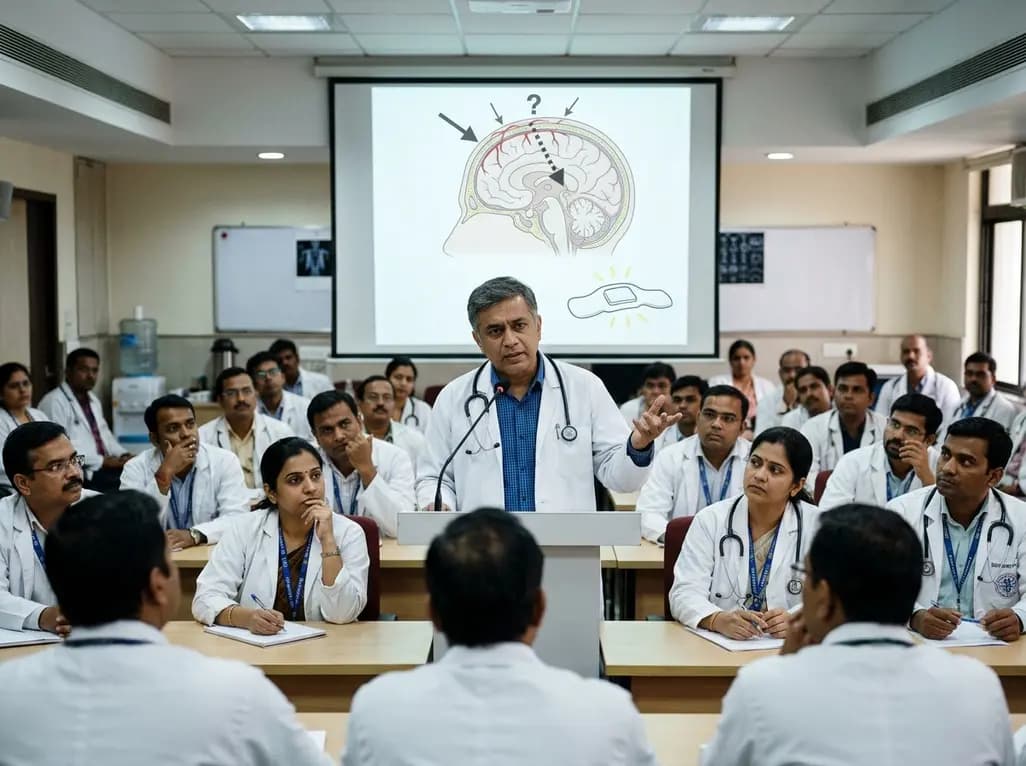
The $900 Temple wearable launched by Deepinder Goyal promises real-time tracking of cerebral blood flow and metabolic entropy. However, prominent clinicians warn that optical scalp sensors merely reflect superficial arterial circulation rather than intracranial hemodynamics, raising major regulatory concerns.
Today
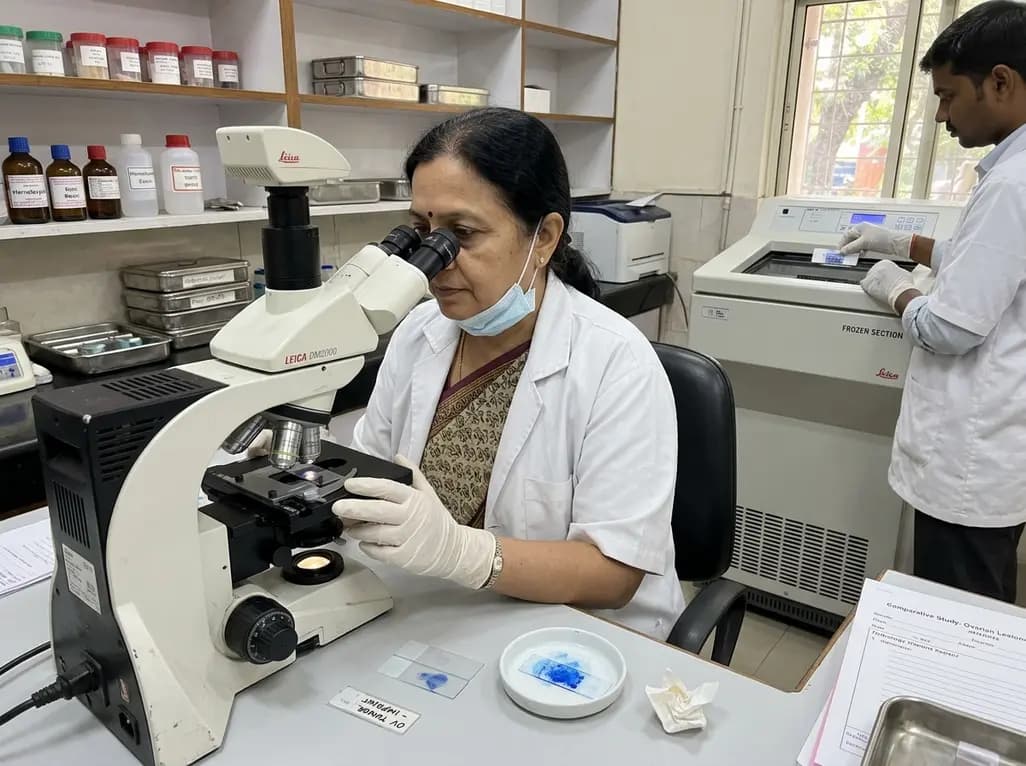
A new comparative study demonstrates that intraoperative imprint cytology achieves 96.6% diagnostic accuracy in ovarian tumours, outperforming frozen section in sensitivity for borderline lesions and offering an accessible, rapid alternative for resource-constrained surgical centres.
Today
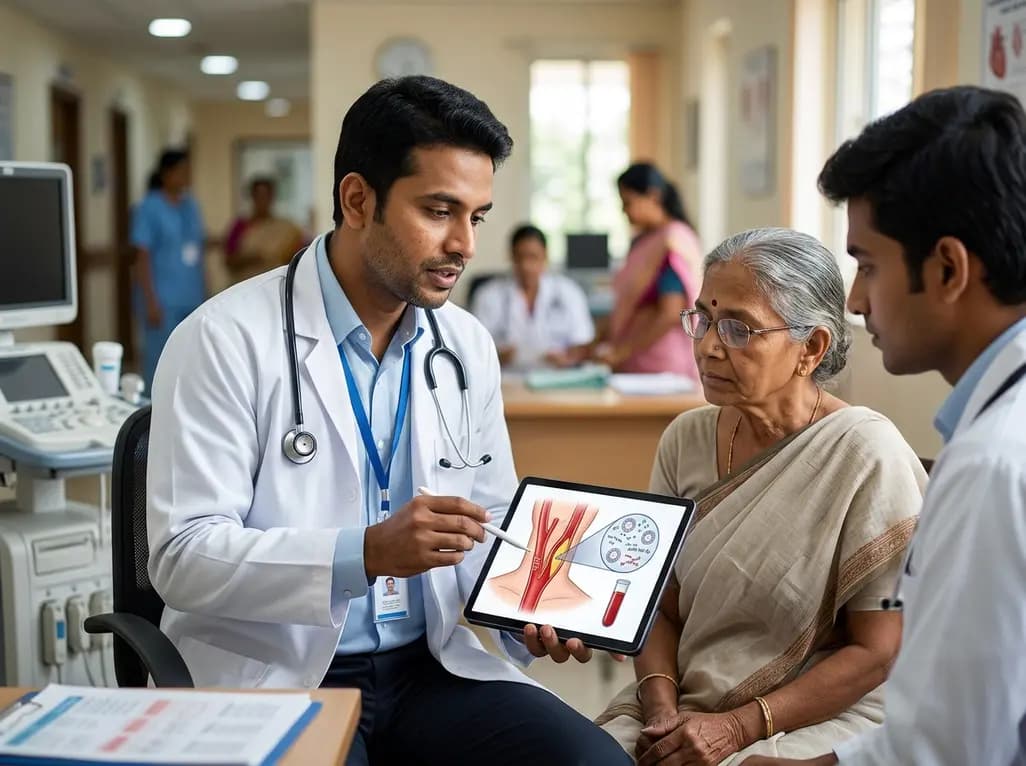
A study reveals that extracellular vesicle-derived miR-144-5p is a highly predictive diagnostic biomarker for carotid artery plaques (AUC 0.907). Correlating with IL-1β and TNF-α, it opens new avenues for liquid biopsy-based stroke risk assessment and vascular monitoring.
Today
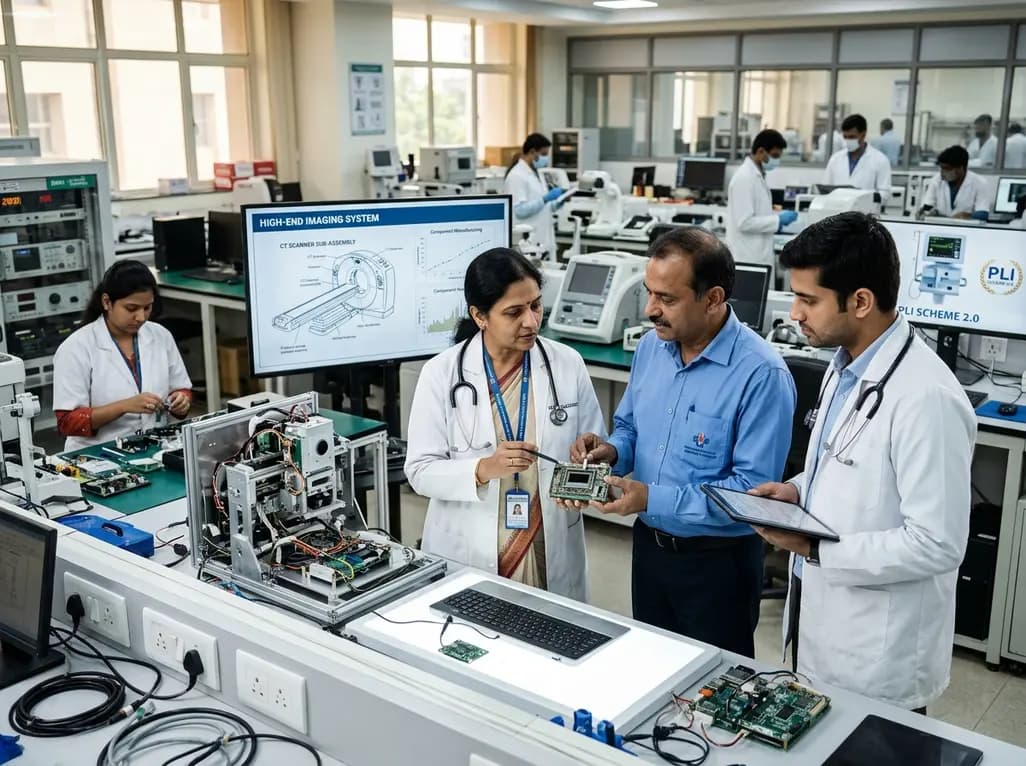
The Department of Pharmaceuticals has extended the medical devices PLI scheme to 2035-36 with a Rs 2,700 crore outlay. Featuring relaxed investment barriers and eliminated sales thresholds, the revised framework targets deep manufacturing, high-end diagnostics, critical MedTech components, and supply resilience.
Today
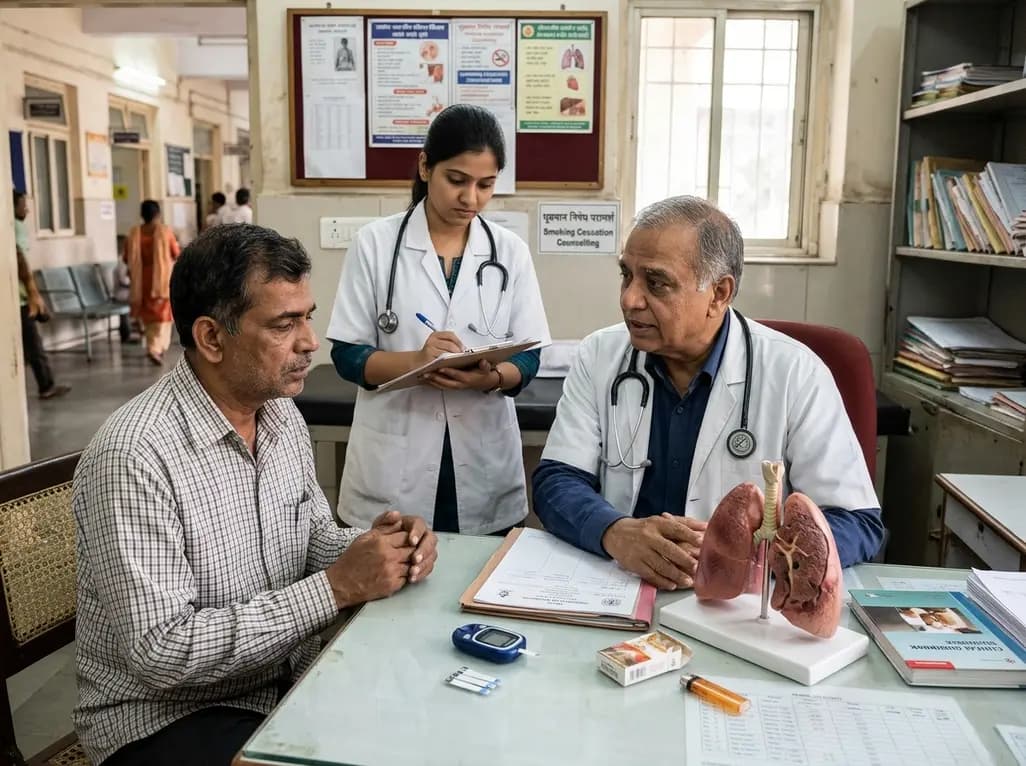
A systematic review evaluates psychological interventions for smoking cessation in diabetes, showing short-term success but highlighting challenges in long-term abstinence.
Yesterday
