.webp&w=384&q=75)

Loading, please wait...
Loading, please wait...
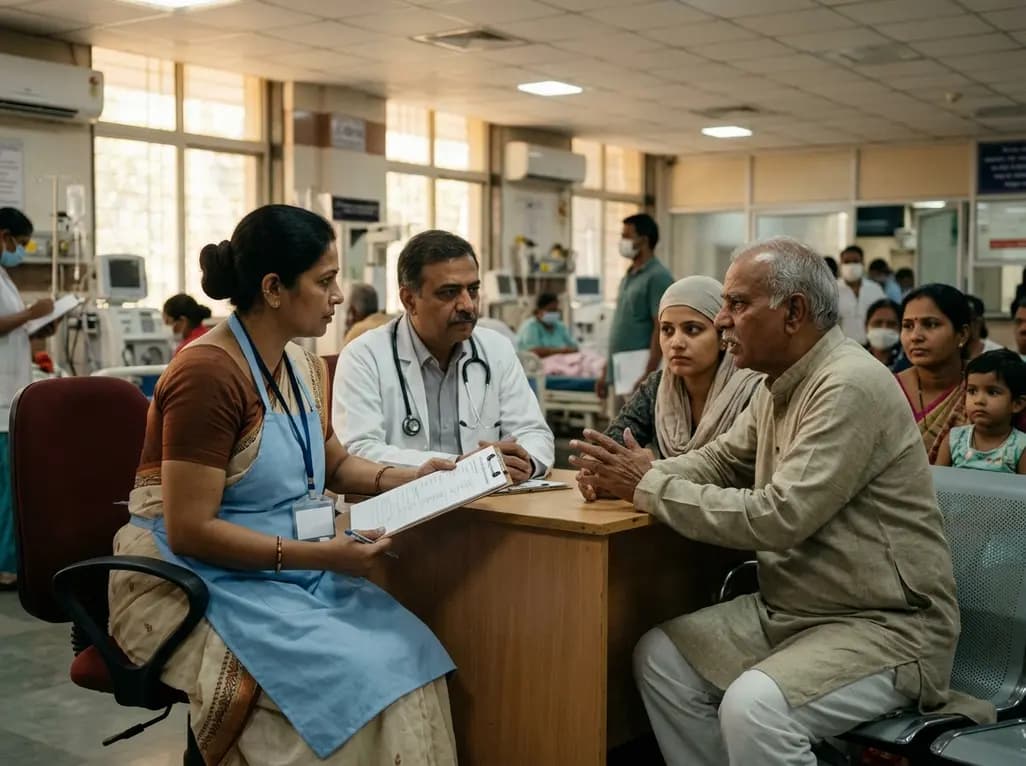
Conducting clinical and behavioral oncology trials in collectivist cultures demands a thorough understanding of unique social dynamics. While conventional biomedical frameworks prioritize individual self-determination, investigators operating in diverse cultural settings frequently encounter complex ethical tensions. Recently published qualitative research highlights these critical nuances by evaluating how nurse investigators manage oncology studies across multiple institutions in China. Furthermore, the findings demonstrate that standard protocols frequently collide with deeply ingrained societal attitudes regarding illness, mortality, and family hierarchy. Consequently, understanding cancer research ethics within specific cultural frameworks has become an urgent clinical priority. Investigators must balance standard regulatory mandates against established cultural norms to maintain trial integrity. In addition, healthcare professionals must recognize that ethical principles do not operate in a social vacuum. By examining the structural and interpersonal barriers encountered during clinical recruitment, researchers can develop more compassionate and robust protocols. Ultimately, this approach safeguards vulnerable oncology participants while honoring their family structures.
Societal perceptions of malignancy strongly influence clinical recruitment and participant engagement across Asian healthcare environments. In many traditional communities, a cancer diagnosis carries significant psychological stigma and is closely associated with imminent death. Consequently, open discussions concerning prognosis, palliative interventions, or experimental therapies often trigger severe distress among patients and their relatives. Qualitative evidence reveals that talking openly about terminal conditions remains culturally taboo in many regions. Therefore, research personnel who approach prospective candidates with trial documentation often face immediate resistance or apprehension. Furthermore, prospective subjects may worry that participating in an investigational study signals clinical hopelessness. As a result, investigators must exercise immense sensitivity during recruitment dialogues. Clinicians cannot simply rely on generic informational leaflets to convey study risks and benefits. Instead, research teams must adopt empathetic communication strategies that acknowledge underlying cultural fears without compromising disclosure requirements. By actively normalizing these discussions, clinical teams can significantly reduce participant anxiety.
In collectivist societies, medical decisions rarely rest entirely on the individual patient. Instead, deeply rooted traditions such as filial piety dictate that family members assume collective responsibility for healthcare choices. Qualitative investigations demonstrate that relatives frequently act as vigilant gatekeepers, shielding patients from distressing news regarding their diagnosis. Consequently, families often insist on reviewing study protocols before investigators ever approach the patient. In some instances, relatives even demand that clinicians withhold specific diagnostic details from the participant altogether. This dynamic creates an acute dilemma for research staff who must uphold standard informed consent mandates. While investigators must respect the patient's individual right to self-determination, dismissing family authority can cause significant domestic conflict. Furthermore, direct confrontation with family members often leads to immediate trial refusal. Therefore, research coordinators must learn to view family involvement not as an operational obstacle, but as an essential support system that requires proactive, early engagement.
Beyond familial relationships, organizational hierarchies within healthcare facilities also introduce profound complexities into clinical studies. Nurse researchers frequently navigate intricate power dynamics involving attending oncologists, department heads, and institutional review boards. Specifically, frontline study coordinators may struggle to advocate for participant autonomy when senior clinicians exercise paternalistic control over patient access. In addition, time constraints in busy outpatient clinics and inpatient wards often force rapid clinical interactions. Consequently, research personnel find it difficult to conduct lengthy consent conversations with anxious families. These structural pressures can inadvertently compromise the depth of the informed consent process. Furthermore, inconsistent communication between primary clinical teams and dedicated trial staff exacerbates patient uncertainty. To overcome these institutional challenges, healthcare organizations must cultivate collaborative research environments. Clear interprofessional protocols ensure that all team members support both ethical rigor and patient well-being during trial enrollment.
Successfully navigating these cultural intricacies requires deliberate, flexible recruitment methodologies that respect both the individual and the family collective. Investigators recommend initiating preliminary dialogues with primary family caregivers before presenting formal study documents to the patient. This phased approach allows research staff to address familial protective instincts, clarify misconceptions, and build essential trust. Furthermore, researchers can collaboratively determine the most supportive manner to introduce the trial to the patient. Once the family feels reassured, investigators can engage the patient directly to ensure genuine comprehension and voluntary participation. In addition, research coordinators should maintain continuous communication with both parties throughout every phase of the investigation. Providing ongoing opportunities for questions ensures that consent remains an evolving dialogue rather than a one-time administrative transaction. Ultimately, this inclusive strategy harmonizes individual autonomy with traditional cultural values.
The persistent tension between Western bioethical models and collectivist practices highlights the need for modernized clinical research standards. Current global frameworks primarily reflect individualistic principles that do not fully capture the realities of family-centered care. Therefore, academic institutions and regulatory bodies must collaborate to create culturally sensitive ethical guidelines. These updated frameworks should provide practical recommendations for managing family gatekeeping, protective non-disclosure requests, and hierarchical clinical dynamics. Moreover, comprehensive ethical education must become a core component of investigator training curricula. Research personnel need practical communication training to navigate delicate cultural conversations effectively and confidently. By aligning international regulatory requirements with localized sociocultural realities, scientific institutions can foster higher participant accrual, minimize ethical distress, and elevate the overall quality of clinical oncology research.
Family gatekeeping complicates informed consent because relatives often attempt to shield patients from distressing prognostic information. In collectivist cultures, families frequently demand to review clinical protocols before patients are approached. This dynamic creates a delicate tension between respecting familial protective roles and fulfilling the regulatory mandate of ensuring direct, autonomous participant consent without external coercion.
Deeply rooted taboos surrounding cancer and death frequently create significant fear and emotional resistance during recruitment. Prospective participants and their families may perceive discussions about experimental therapies or palliative studies as an acknowledgment of terminal decline. Consequently, research staff must communicate with exceptional cultural sensitivity to alleviate anxiety while fully explaining trial objectives and maintaining scientific transparency.
Research teams can adopt a phased consent process that engages primary family members before approaching the patient directly. This strategy addresses protective concerns early, fosters collaborative decision-making, and establishes mutual trust. Additionally, investigators should provide ongoing ethical training to clinical staff, ensuring they possess the communication skills required to uphold patient autonomy while honoring familial traditions.
Disclaimer: This content is for informational and educational purposes only and should not be considered medical advice. It is not intended to replace consultation with a qualified healthcare professional. Refer to the latest local and national guidelines for clinical practice.
References

Read summarized clinical updates, watch expert medical content, and earn CME certifications right from your smartphone.
Open your smartphone camera to scan and install.





A qualitative study highlights the intricate cultural complexities faced by nurse researchers in oncology, showing how family gatekeeping, cancer taboos, and filial piety demand culturally adapted ethical guidelines.
last month

A qualitative study in Mzuzu highlights profound struggles faced by patients with NCD complications, including sanitation barriers, loss of dignity, and severe health access delays. Clinicians in resource-limited healthcare environments must address systemic hurdles through integrated, patient-centered chronic care.
Today

A meta-analysis of nine RCTs comparing remimazolam versus propofol in hysteroscopy reveals remimazolam significantly reduces injection pain, hypotension, and respiratory depression while maintaining comparable sedation success, recovery times, and procedural duration.
Today
Radiofrequency catheter ablation of the cavotricuspid isthmus successfully terminates typical atrial flutter. This article reviews the mechanisms driving coronary sinus electrogram changes, wavefront activation pathways, and clinical criteria to verify bidirectional block during electrophysiology studies.
Today
A 5-year study of lateral unicompartmental knee arthroplasty in patients ≤55 years demonstrated 100% component revision-free survival and high functional scores, though residual varus alignment increased the risk of medial osteoarthritis progression.
Today
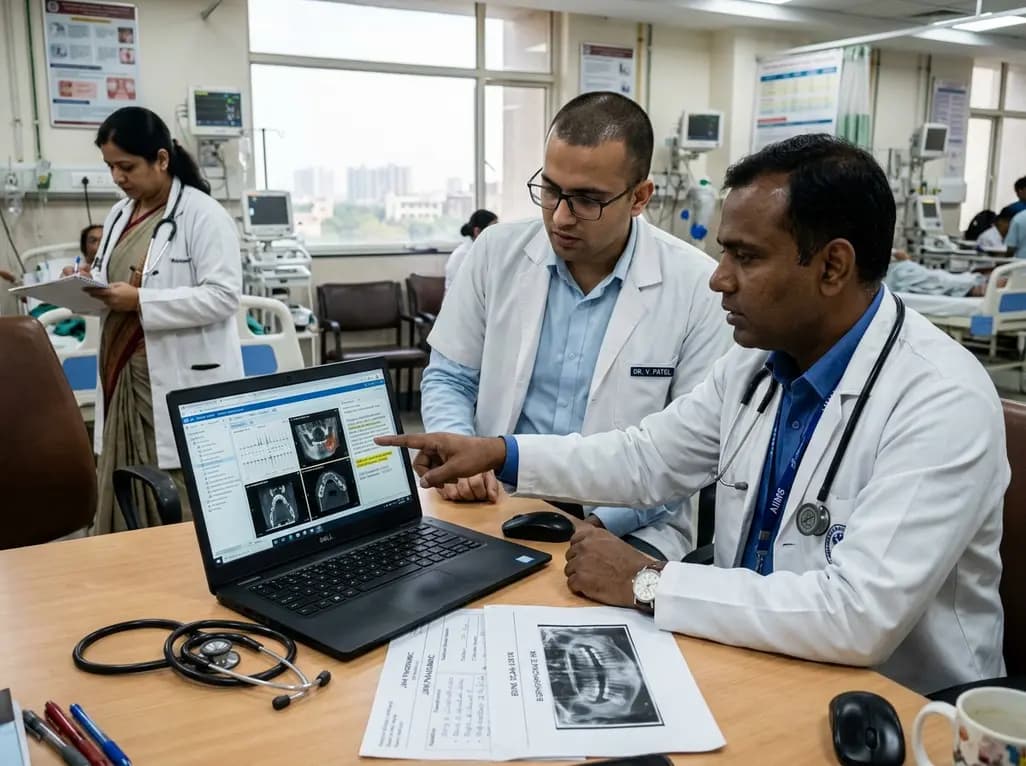
A breakthrough study leverages natural language processing to accurately identify incident medication-related osteonecrosis of the jaw and track antiresorptive drug holidays from clinical narratives in electronic health records, advancing osteoporosis pharmacovigilance and dental safety.
Today
