.webp&w=384&q=75)

Loading, please wait...
Loading, please wait...

Patients battling cancer frequently face significant emotional strain. This burden extends from the initial diagnosis through curative treatments and into palliative care. Consequently, healthcare providers are actively seeking innovative therapies to support well-being. Nature-based virtual reality oncology has emerged as a promising intervention. By leveraging the known psychological benefits of nature exposure, immersive digital environments can provide much-needed respite for patients and their families.
A recent scoping review synthesized existing literature to evaluate the effectiveness of these interventions. Researchers searched six major databases to identify studies involving nature-based VR for cancer patients and caregivers. Initially, the team focused on caregiving, but they later expanded the search to include broader cancer care outcomes due to limited initial results.
Following a rigorous screening process, the review included 35 articles. Among these, 24 studies focused on adult patients, while 10 involved pediatric populations. Interestingly, most interventions took place during clinic procedures. These studies often featured nature-inspired simulations designed to reduce anxiety and improve mood. Furthermore, the majority of the reviewed literature reported notable improvements in emotional health and general well-being. Clinicians noted that immersive nature scenes provide a powerful distraction from the clinical environment.
Moreover, the review highlighted a significant shift toward dyadic care. In several pediatric studies, both the child and the caregiver participated in the VR experience together. This collaborative approach suggests that nature-based virtual reality oncology could strengthen support systems. However, the researchers also pointed out that the overall quality of current studies remains relatively low. Many trials are pilot studies or lack large-scale control groups.
While patient outcomes appear positive, a significant gap exists regarding caregiver support. Only one study focused exclusively on caregivers, despite the immense stress they endure. Since caregivers play a vital role in the cancer trajectory, future research must prioritize their emotional health. High-quality randomized controlled trials are necessary to solidify the clinical evidence for VR-based interventions. Nevertheless, the potential for nature-based VR to transform supportive care in oncology is undeniable.
Generally, nature-based VR is safe and well-tolerated. Most patients report minimal side effects, though clinicians should monitor for motion sickness or vertigo, especially in those with neurological involvement or those undergoing specific chemotherapies.
The technology works primarily through distraction and physiological relaxation. By immersing the patient in a calm, natural setting, it reduces the perceived intensity of pain and anxiety associated with medical procedures.
Yes, although current research is limited. Early findings suggest that VR can provide a "virtual respite," allowing caregivers to manage stress and reduce symptoms of burnout during the patient's treatment.
Disclaimer: This content is for informational and educational purposes only. It does not constitute medical advice or establish a doctor-patient relationship. Always seek the advice of a qualified healthcare provider regarding any medical condition. Refer to the latest local and national guidelines for clinical practice.
References
Wyatt G et al. Nature-Based Virtual Reality: A Scoping Review of Cancer Care. West J Nurs Res. 2026 Feb 14. doi: 10.1177/01939459251414790. PMID: 41689841.
Alanazi MO et al. Nature-Based Virtual Reality Feasibility and Acceptability Pilot for Caregiver Respite. Curr Oncol. 2023;30(7):5995-6005.
Perkins N et al. Immersive virtual reality seems to ease cancer patients' pain and distress. BMJ Support Palliat Care. 2023. doi: 10.1136/spcare-2023-004414.

Read summarized clinical updates, watch expert medical content, and earn CME certifications right from your smartphone.
Open your smartphone camera to scan and install.





A scoping review evaluates nature-based virtual reality as a tool to enhance emotional well-being for cancer patients, children, and their caregivers....
8 months ago

Following regulatory scrutiny from FSSAI regarding promotional representations and lean muscle preservation claims, Dr. Reddy's Laboratories and Nestlé Health Science are currently reviewing the branding and marketing strategy for their joint nutritional supplement Celevida GLP+.
Today
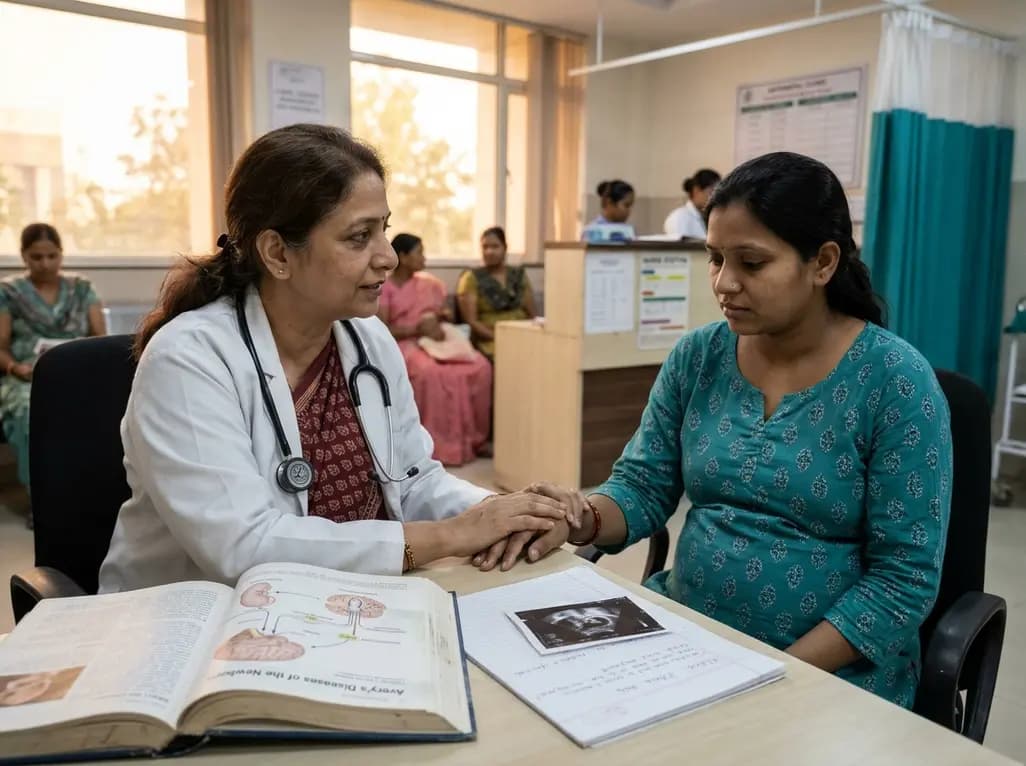
A comprehensive scoping review synthesises evidence linking prenatal maternal mental health to long-term offspring neurodevelopment, evaluating neuroendocrine, inflammatory, and epigenetic pathways while highlighting clinical screening and future research priorities.
Today

The Directorate General of Health Services directs Indian states to halt the hazardous reuse and reprocessing of single-use medical devices. Discover regulatory implications under the Drugs and Cosmetics Act, critical infection risks, legal liabilities, and operational changes required across clinical specialties.
Today
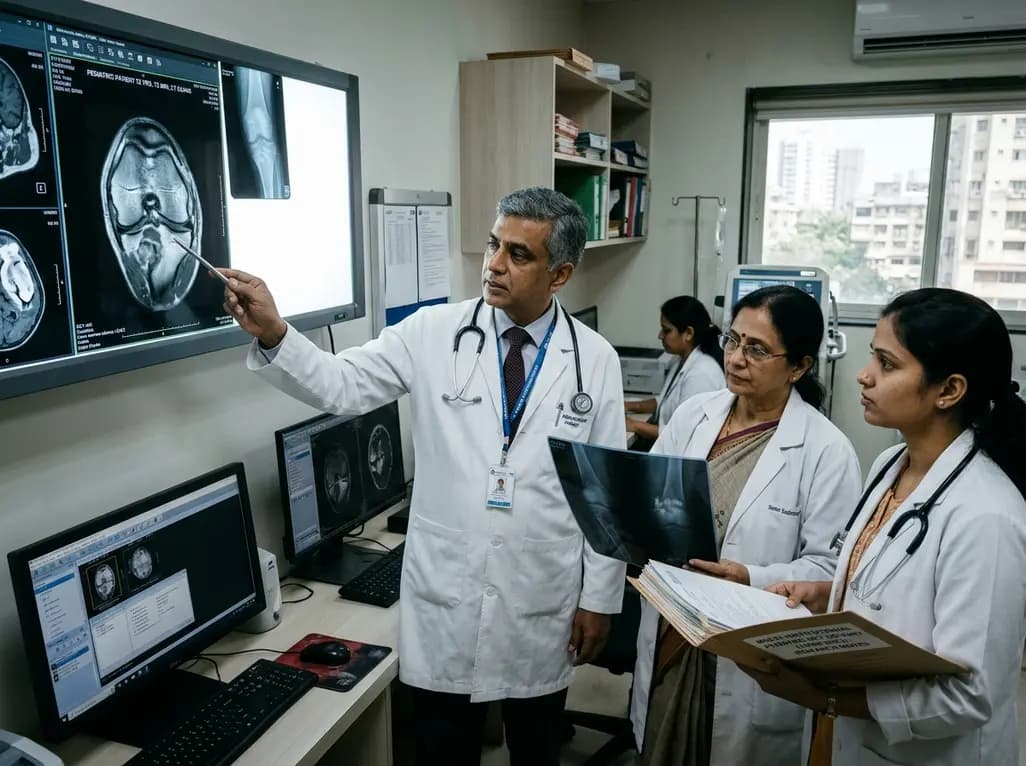
A 25-year multi-institutional cohort reveals high recurrence rates in pediatric giant cell tumor of bone, particularly in patients with open physes and bone marrow edema on preoperative MRI. Early surveillance and careful balance between growth plate preservation and tumor clearance are essential.
Today

India is advancing preventive healthcare by integrating genomics, artificial intelligence, and quantum technologies. With the SANGAM programme sequencing one million Indian genomes, clinicians can unlock personalized therapies, detect cardiometabolic risks early, and curb the burden of diabetes and heart disease.
Today
