.webp&w=384&q=75)

Loading, please wait...
Loading, please wait...

The Bangalore Bioinnovation Centre (BBC) recently signed a memorandum of understanding with the National Accreditation Board for Testing and Calibration Laboratories (NABL). This collaboration aims to streamline NABL startup accreditation, allowing researchers to validate their work for global markets more efficiently. Consequently, startups in the life sciences sector can expect reduced timelines for regulatory approvals and quality benchmarking. Furthermore, the agreement aims to bridge the critical gap between early-stage research and international market entry. Mohamed Adil, BBC Managing Director, and Ramanand N Shukla, NABL Chief Executive, finalized the pact in the presence of Karnataka IT/BT Secretary Manjula N. Therefore, innovators can now leverage these frameworks to build a credible global identity.
This collaboration specifically targets the life sciences sector to improve trust and quality standards. Because quality is paramount, the BBC has already backed over 500 projects, including patented innovations. However, many small ventures struggle with the complexities of formal accreditation. This new pact simplifies the path for startups, MSMEs, and academic institutions alike. Additionally, the centre continues to expand its international presence through partnerships like the one with La Trobe University in Melbourne. Such global ties support market access and facilitate clinical research for Indian entrepreneurs.
The MoU provides a clear certification pathway aligned with global standards such as ISO/IEC 17025. As a result, startups can scale their operations with validated and credible research outputs. Moreover, Shukla highlighted that the collaboration would help startups tap into global markets by strengthening laboratory practices. This move will likely position Karnataka as a preferred destination for deep-tech research and biotechnology entrepreneurship. Specifically, the partnership focuses on improving technical guidance and structured training for lab personnel. Thus, the focus remains on ensuring that Indian bio-innovations meet the highest international benchmarks. Laboratory excellence is no longer optional for those seeking international investment.
Q1: How does the BBC-NABL partnership benefit biotech startups?
It provides simplified and time-bound access to accreditation processes. This enables faster global validation of research and reduces the complexity of entering international markets.
Q2: Which international quality standard is prioritized in this agreement?
The collaboration aligns research and laboratory practices with global standards such as ISO/IEC 17025 to ensure research outputs are credible and scalable.
Q3: Who can benefit from this accreditation framework?
While the focus is on startups, the framework also supports MSMEs and academic institutions looking to validate their life sciences research.
Disclaimer: This content is for informational and educational purposes only. It does not constitute medical advice or replace professional judgment. Refer to the latest local and national guidelines for clinical practice.
References

Read summarized clinical updates, watch expert medical content, and earn CME certifications right from your smartphone.
Open your smartphone camera to scan and install.





Bangalore Bioinnovation Centre partners with NABL to fast-track global accreditation for startups, streamlining research validation and market access....
5 months ago
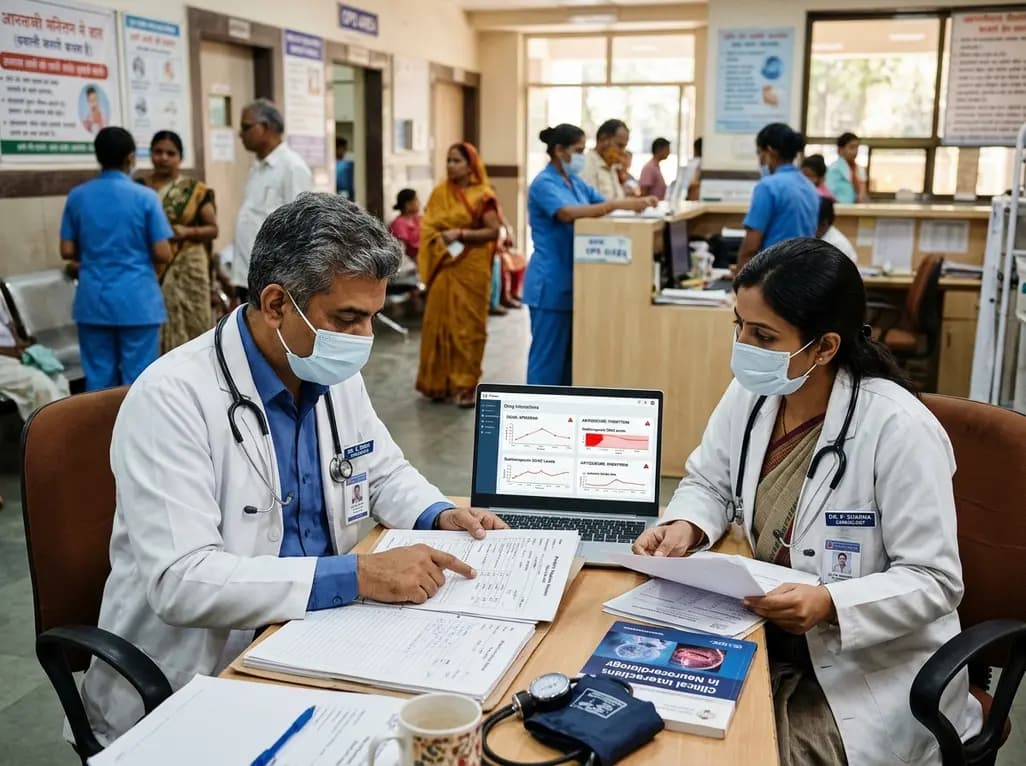
Co-administering antiseizure medications and DOACs frequently causes pharmacokinetic interactions, subtherapeutic drug levels, and thromboembolic failures. This review highlights enzyme induction risks, unpredictable outcomes with levetiracetam, and the vital role of therapeutic drug monitoring.
Today
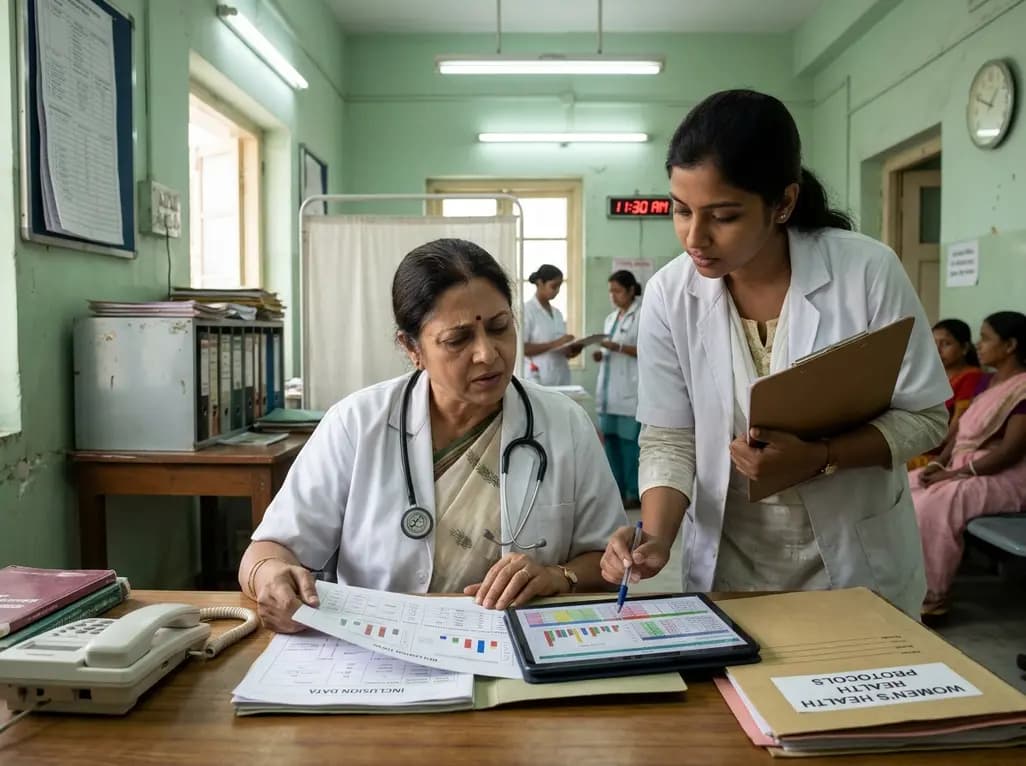
Demanding exhaustive hormonal profiling can inadvertently discourage clinical studies involving females. Methodological standards must align with the specific scientific question to expand, not restrict, equitable evidence for women.
Today
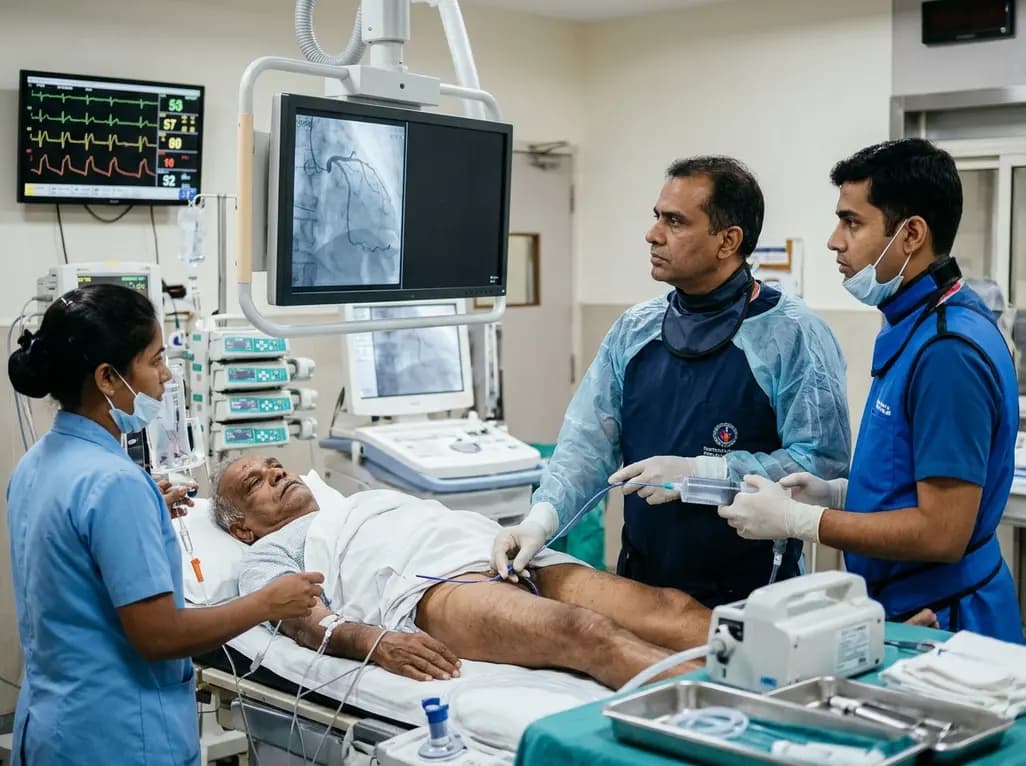
An elderly man with partially repaired Tetralogy of Fallot presented with STEMI caused by coronary embolism rather than atherosclerosis. Successful treatment with sustained mechanical aspiration thrombectomy underscores the vital need for high clinical vigilance in adult congenital heart disease.
Today
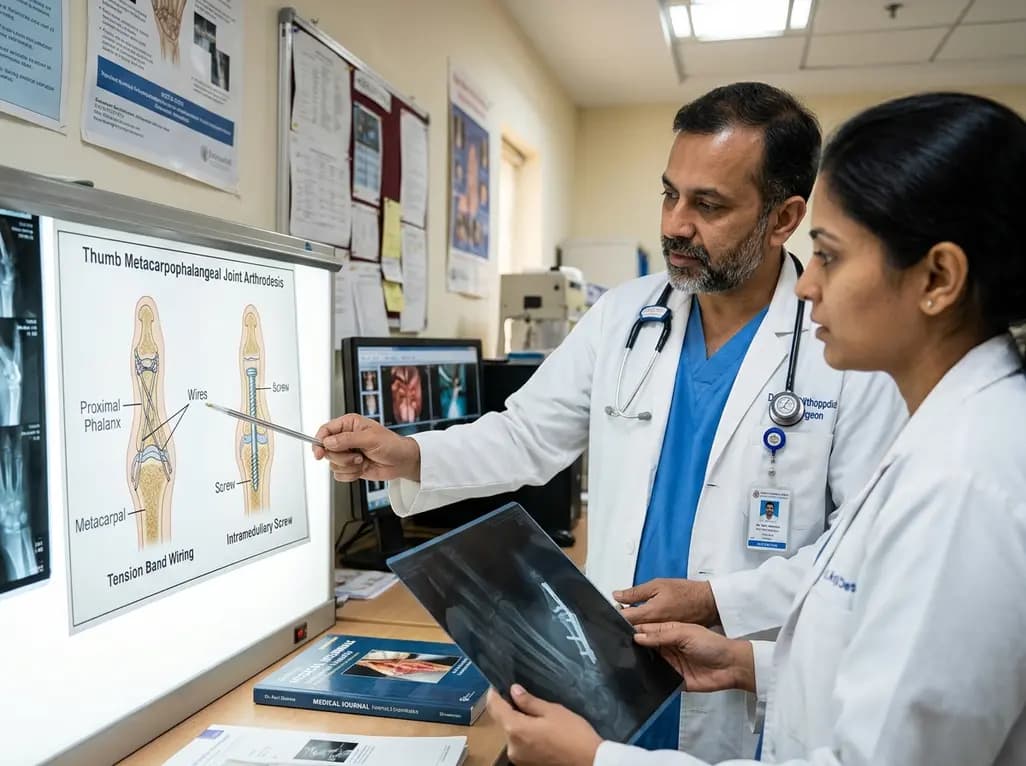
A comparative review of tension band wiring and intramedullary screw fixation in thumb metacarpophalangeal arthrodesis, evaluating union rates, hardware complications, and clinical outcomes.
Today

Following regulatory scrutiny from FSSAI regarding promotional representations and lean muscle preservation claims, Dr. Reddy's Laboratories and Nestlé Health Science are currently reviewing the branding and marketing strategy for their joint nutritional supplement Celevida GLP+.
Today
