.webp&w=384&q=75)

Loading, please wait...
Loading, please wait...
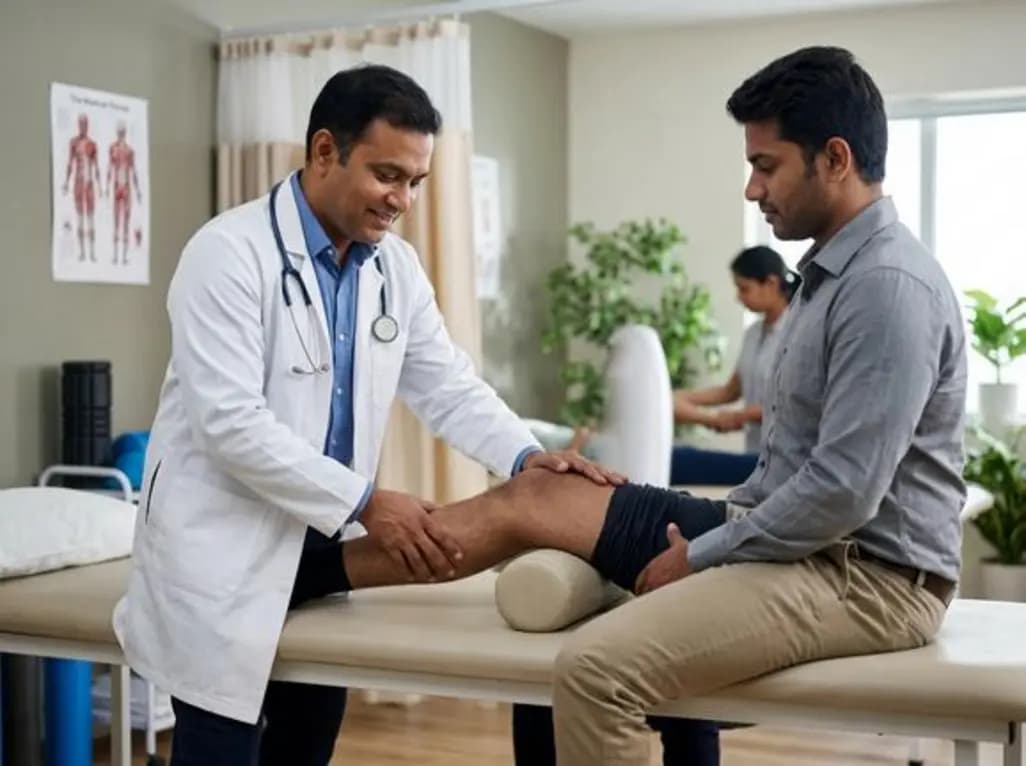
Sedentary lifestyles often cause significant musculoskeletal issues for software engineers. Specifically, myofascial release for hamstrings has emerged as a promising intervention for those suffering from chronic tightness. Prolonged sitting leads to muscle adaptive shortening over time. This restriction affects both posture and lower extremity function. Consequently, clinical professionals are increasingly looking for efficient ways to restore flexibility in this demographic.
A recent randomized controlled trial examined thirty IT professionals over a three-week period. Researchers divided the participants into two distinct groups. The first group performed daily static stretching, while the second group received manual myofascial release. Both cohorts underwent stipulated treatments five times weekly. Notably, the primary outcome measure was the Active Knee Extension Range of Motion (AKE-ROM). Furthermore, the research team assessed lower extremity function through the self-reported Lower Extremity Functional Scale (LEFS).
Both interventions successfully enhanced flexibility and leg function over the study duration. However, the analyzed data revealed a significant difference between the two therapeutic methods. The group receiving myofascial release for hamstrings showed markedly better improvements in knee extension range of motion. Additionally, their functional scores on the LEFS were significantly higher than those in the stretching group. Therefore, myofascial release may provide a superior short-term benefit for office workers compared to traditional stretching alone.
The study also highlighted a notable time-by-group interaction effect. This suggests that the benefits of manual therapy accumulate more effectively during a structured three-week protocol. While static stretching is a common practice, it may not address deep fascial restrictions as effectively as manual release. In contrast, myofascial release targets the connective tissue to allow better muscle sliding and mobility. Overall, integrating these techniques into rehabilitation or workplace wellness programs could significantly reduce physical strain in IT environments.
Recent clinical research suggests that myofascial release (MFR) provides superior improvements in both flexibility and functional movement scores compared to standard static stretching for sedentary individuals.
Significant improvements in range of motion and leg function were observed as early as eight days into treatment, with maximum gains occurring by the end of the three-week study period.
Yes, static stretching remains a valid and effective tool for improving flexibility. However, it may require more time or supplementary techniques to match the functional gains seen with myofascial release.
Disclaimer: This content is for informational and educational purposes only. It does not constitute professional medical advice, diagnosis, or treatment. Always seek the advice of your physician or other qualified health provider with any questions you may have regarding a medical condition. Refer to the latest local and national guidelines for clinical practice.
References

Read summarized clinical updates, watch expert medical content, and earn CME certifications right from your smartphone.
Open your smartphone camera to scan and install.





A randomized controlled trial compared static stretching and myofascial release for hamstring tightness in IT professionals. While both methods improved flexibility, myofascial release demonstrated superior results in range of motion and functional scores over a three-week treatment period.
4 months ago
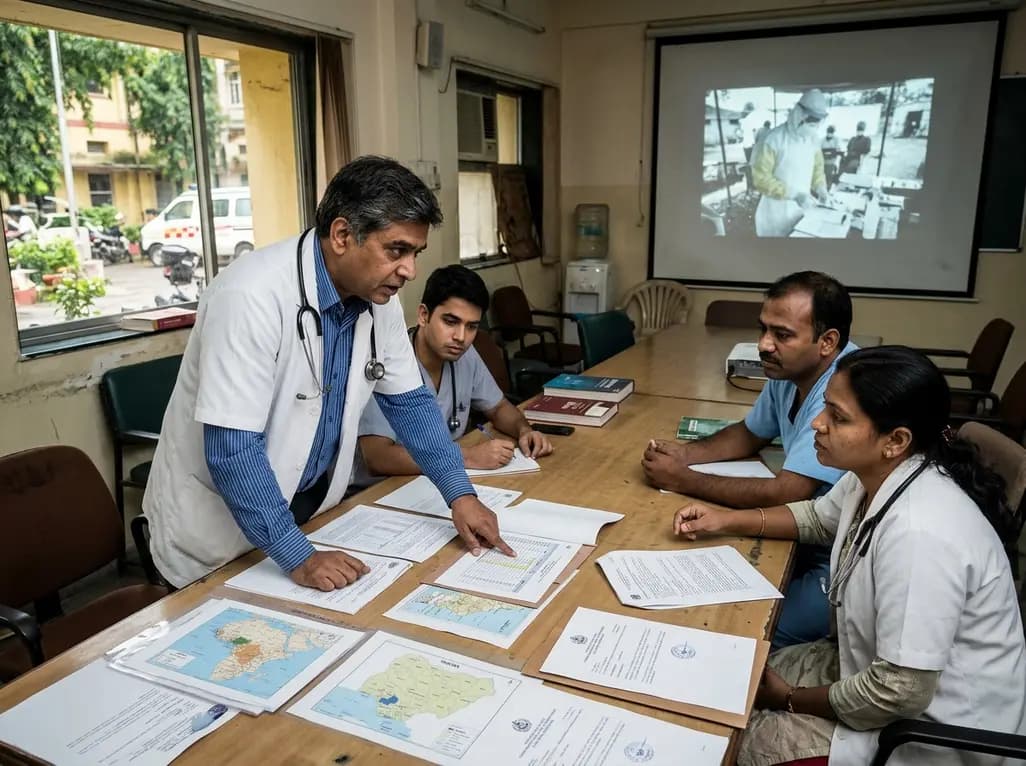
Following Nigeria's first recorded Ebola case linked to regional travel, the Africa CDC has convened an emergency ministerial summit. This alert underscores critical clinical priorities for healthcare professionals, including differentiating early viral infection from malaria, implementing barrier nursing, and triage.
Today

Leucine Rich Bio has introduced South Asia's first comprehensive vaginal microbiome test, BugSpeaks. By profiling microbial dysbiosis, pathogens, and antimicrobial resistance, this next-generation diagnostic platform provides clinicians with deeper insights into recurrent infections, fertility, and reproductive health.
Today

Review how tailored exercise programs benefit frail older patients with heart failure. Explore pathophysiological mechanisms, individualized training prescriptions, and strategies to overcome adherence barriers in clinical practice.
Today

This comparative study evaluates posterior labral tears with and without glenohumeral instability, highlighting distinct demographic patterns, MRI underestimation in stable shoulders, and successful arthroscopic repair outcomes.
Today

A clinical study demonstrates that early intervention with tocilizumab, either as monotherapy or bridged with corticosteroids, achieves significant proptosis reduction and resolves active inflammation in treatment-naive thyroid eye disease.
Today
