.webp&w=384&q=75)

Loading, please wait...
Loading, please wait...

The mungbean remains a vital nutritional source in India, specifically valued for its diverse health benefits and heat-dissipating properties. Furthermore, a recent study has published a high-quality genome assembly for the cultivar Sulv1, which spans 473.67 Mb. This research provides a crucial foundation for understanding isovitexin anti-inflammatory benefits and improving global crop yields. Specifically, the researchers identified the VrLFR gene as a primary regulator of seed size and flowering time. Consequently, these findings allow molecular breeders to develop more efficient and nutrient-dense mungbean varieties.
Moreover, the genomic analysis highlighted the specific gene EVM0030058, which directly promotes isovitexin synthesis. Isovitexin, a powerful flavonoid, showed significant results in reducing inflammation during laboratory tests. In addition, 40 μM concentrations of this compound effectively lowered inflammatory markers in vitro. Therefore, increasing the natural content of this compound in crops could enhance the therapeutic value of daily diets. Similarly, the study confirmed that the VrLFR gene influences 100-seed weight through distinct haplotype variations. This gene showed a negative correlation with seed size in various accessions. As a result, overexpressing this gene in experimental lines successfully increased seed-related traits and promoted early flowering.
Because the demand for high-yielding legumes is growing, these genomic markers offer a precise roadmap for agricultural improvement. The study found a subtle positive correlation between seed weight and isovitexin content. This suggests that breeders can simultaneously select for higher yields and better nutritional quality. These advancements support the development of biofortified foods that may offer systemic health protection. Ultimately, these findings bridge the gap between plant genetics and human wellness.
The VrLFR gene regulates both the timing of flowering and the weight of the seeds. By targeting this gene, breeders can create varieties that mature earlier and produce a higher yield per plant.
Isovitexin acts as a bioactive flavonoid that helps reduce systemic inflammation. Research indicates it may inhibit specific inflammatory pathways, offering potential protection against chronic conditions when consumed as part of a balanced diet.
The Sulv1 assembly provides a much higher resolution of the mungbean genome compared to previous versions. This allows scientists to pinpoint specific genes responsible for domestication traits and secondary metabolites more accurately.
Disclaimer: This content is for informational and educational purposes only. It does not constitute medical advice or a substitute for professional healthcare. Refer to the latest local and national guidelines for clinical practice.
References
Liu J et al. Genome assembly and genome-wide association studies decipher the genetic basis of isovitexin synthesis and yield traits in mungbean. Plant J. 2026 Jun undefined. doi: 10.1111/tpj.70932. PMID: 42219537.
Hu X et al. Isovitexin Depresses Osteoarthritis Progression via the Nrf2/NF-κB Pathway: An in vitro Study. Int J Gen Med. 2021;14:1315-1324. doi: 10.2147/IJGM.S306915.
Liu C et al. High-quality genome assembly and pan-genome studies facilitate genetic discovery in mung bean and its improvement. Plant Commun. 2022;3(6):100352. doi: 10.1016/j.xplc.2022.100352.

Read summarized clinical updates, watch expert medical content, and earn CME certifications right from your smartphone.
Open your smartphone camera to scan and install.





New genomic research identifies key genes in mungbeans that enhance isovitexin synthesis for anti-inflammatory benefits and improve crop yield traits....
4 months ago

Following regulatory scrutiny from FSSAI regarding promotional representations and lean muscle preservation claims, Dr. Reddy's Laboratories and Nestlé Health Science are currently reviewing the branding and marketing strategy for their joint nutritional supplement Celevida GLP+.
Today
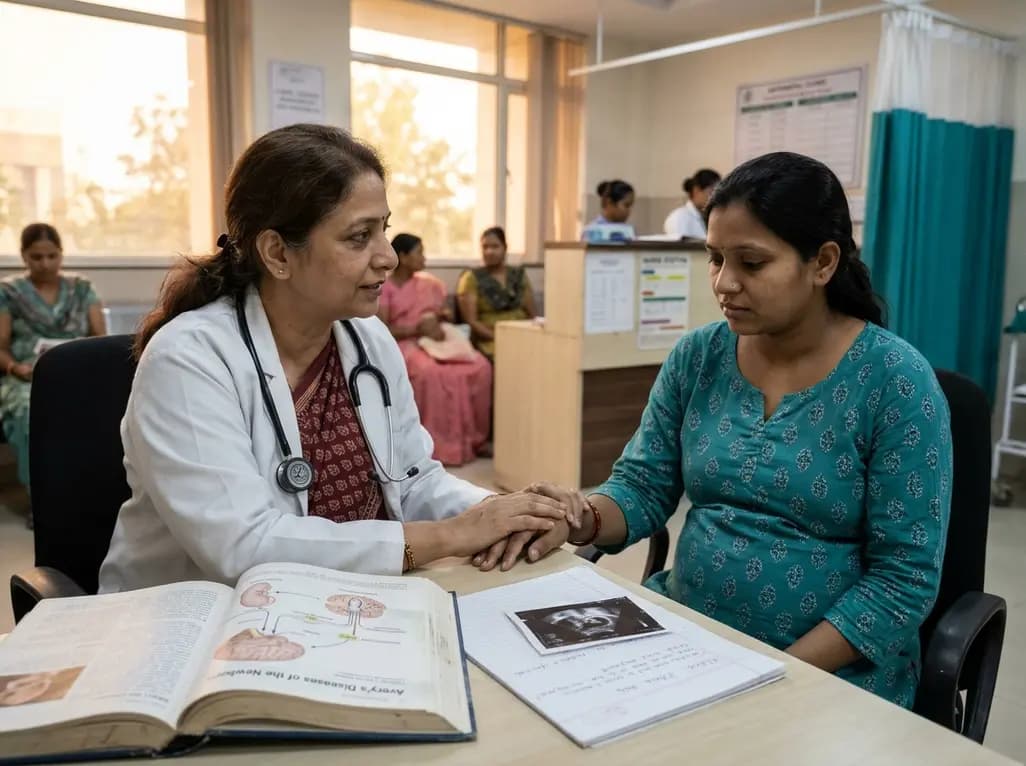
A comprehensive scoping review synthesises evidence linking prenatal maternal mental health to long-term offspring neurodevelopment, evaluating neuroendocrine, inflammatory, and epigenetic pathways while highlighting clinical screening and future research priorities.
Today

The Directorate General of Health Services directs Indian states to halt the hazardous reuse and reprocessing of single-use medical devices. Discover regulatory implications under the Drugs and Cosmetics Act, critical infection risks, legal liabilities, and operational changes required across clinical specialties.
Today

A 25-year multi-institutional cohort reveals high recurrence rates in pediatric giant cell tumor of bone, particularly in patients with open physes and bone marrow edema on preoperative MRI. Early surveillance and careful balance between growth plate preservation and tumor clearance are essential.
Today

India is advancing preventive healthcare by integrating genomics, artificial intelligence, and quantum technologies. With the SANGAM programme sequencing one million Indian genomes, clinicians can unlock personalized therapies, detect cardiometabolic risks early, and curb the burden of diabetes and heart disease.
Today
