.webp&w=384&q=75)

Loading, please wait...
Loading, please wait...

Researchers recently unveiled a breakthrough multifunctional hydrogel wound management platform designed to treat skin infections effectively. This innovative system combines thiolated chitosan, carbon nanotubes, and protocatechualdehyde to create a smart dressing. Consequently, it offers a dual-action approach by providing advanced therapy while monitoring physiological signals in real-time. Because traditional dressings often act as passive barriers, this interactive material represents a major clinical advancement.
The study highlights how the hydrogel utilizes near-infrared (NIR) light to trigger a photothermal antibacterial effect. Specifically, the material's temperature rises to 48 °C, which eliminates up to 99.9% of bacteria. Furthermore, the dressing maintains an antioxidant activity level of 80%, helping to stabilize the wound environment. Additionally, its electrical conductivity allows it to monitor patient health for approximately 400 seconds under repeated pressure cycles. Therefore, clinicians can track healing progress without removing the dressing.
In animal models, the hydrogel demonstrated superior performance compared to standard antibiotic ointments. Specifically, infected mouse wounds achieved 99.9% closure within just nine days. Moreover, the dressing features tunable adhesion and on-demand detachment. This means healthcare providers can remove the hydrogel safely without causing additional trauma to the new skin. Ultimately, this biomass-based system provides a comprehensive solution for complex wound care challenges.
The hydrogel is considered "smart" because it incorporates carbon nanotubes that enable electrical conductivity. This allows the dressing to function as a bioelectronic sensor, monitoring physiological signals like pressure or movement while it heals the wound.
This system uses photothermal therapy. When near-infrared light hits the hydrogel, it generates mild heat (48 °C) that kills 99.9% of bacteria. This method provides a potent alternative to traditional antibiotics, which helps in managing drug-resistant infections.
Disclaimer: This content is for informational and educational purposes only. It does not constitute medical advice or replace consultation with a qualified healthcare professional. Refer to the latest local and national guidelines for clinical practice.
References
Xiong S et al. All-in-One: A Multifunctional Chitosan-Based Hydrogel for Wound Management. Biomacromolecules. 2026 Apr 21. doi: 10.1021/acs.biomac.5c02719. PMID: 42014934.
Lv S et al. Recent Advances of Chitosan-Based Hydrogels for Skin-Wound Dressings. MDPI. 2024 Feb 29. doi: 10.3390/bios13010093.
Hu Y et al. Multifunctional antibacterial hydrogels for chronic wound management. Biomaterials Science. 2024 Mar 25. doi: 10.1039/D4BM00155A.

Read summarized clinical updates, watch expert medical content, and earn CME certifications right from your smartphone.
Open your smartphone camera to scan and install.





Learn about a new multifunctional hydrogel wound management system that uses chitosan and carbon nanotubes to monitor healing and treat bacterial infections...
6 months ago

A landmark 12-year longitudinal study highlights significant reductions in opioid prescribing for nonspecific low back pain following clinical guidelines and prescription monitoring systems, emphasizing non-opioid multimodal pain care.
Today
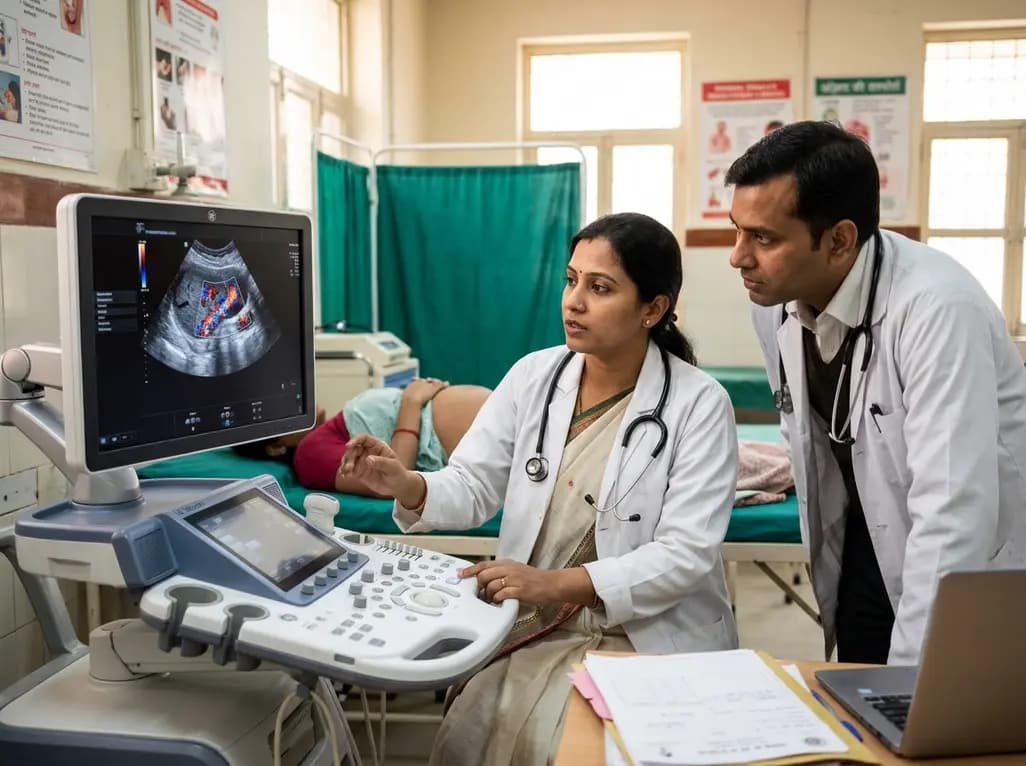
A study in Ultrasound in Obstetrics & Gynecology shows that quantitative vascularization of the anterior fornix/cervix with transvaginal ultrasound reliably identifies placenta accreta spectrum and predicts severe intraoperative hemorrhage, offering vital objective risk stratification.
Today
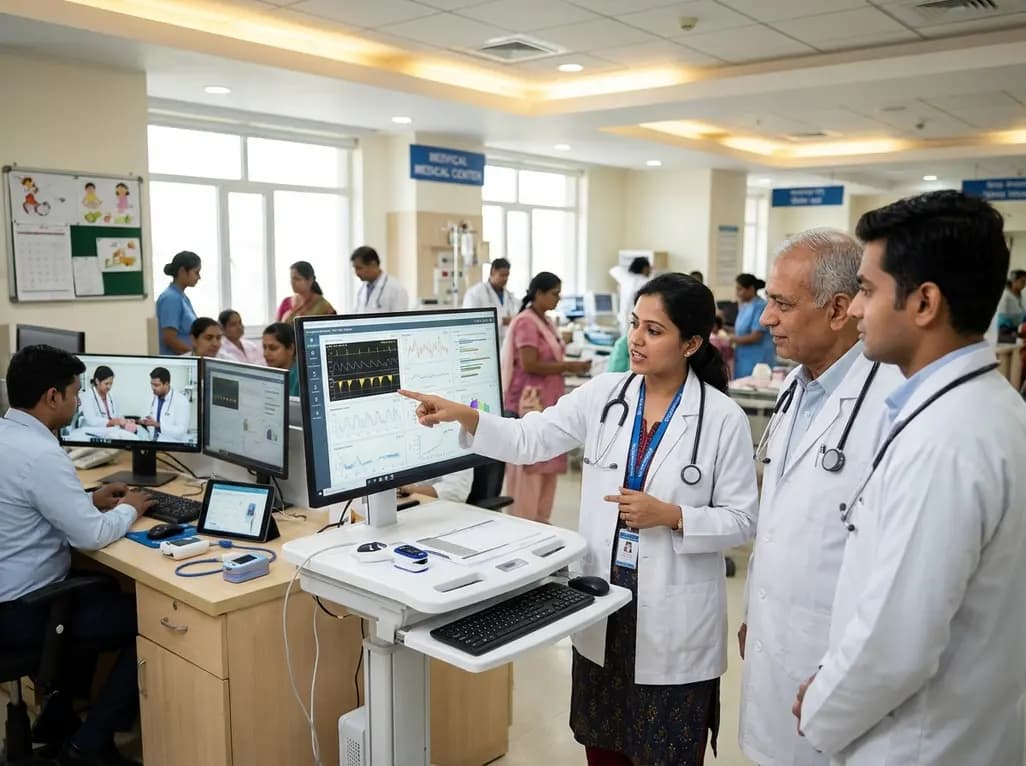
A landmark study details how an enterprise pediatric remote patient management model expanded from a single cardiology pilot to 16 diverse specialty programs by combining centralized digital operations with specialty clinical leadership.
Yesterday
A study evaluates vastus lateralis twitch kinetics, neural activation, and muscle architecture in 44 soccer players, showing dynamic neuromuscular measures predict jump and squat performance far better than ultrasound architecture alone.
Today
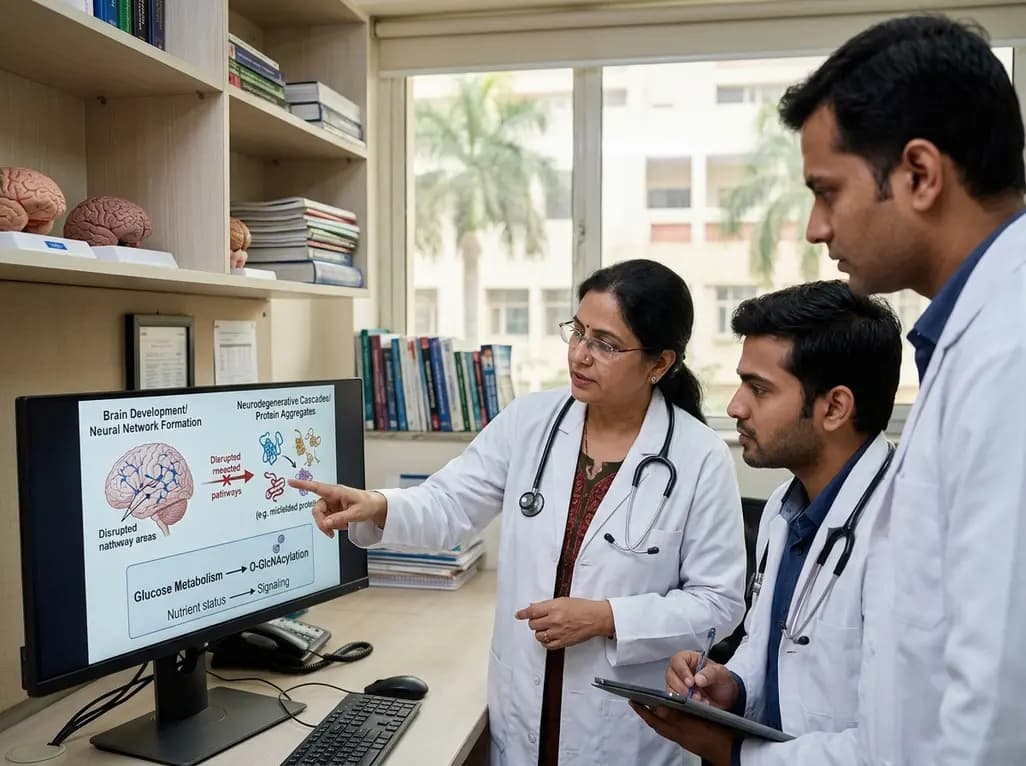
Protein O-GlcNAcylation couples cellular nutrient status to vital neuronal functions. This review explores how disrupted O-GlcNAc cycling drives both neurodevelopmental delays and neurodegenerative cascades, positioning metabolic post-translational modifications as therapeutic targets in clinical neurology.
Today
