.webp&w=384&q=75)

Loading, please wait...
Loading, please wait...
Researchers recently examined the complexities of MSM psychosocial adversity among individuals who utilize stimulants. This secondary analysis used latent class analysis to categorize different levels of risk within this vulnerable population. By focusing on childhood trauma, interpersonal violence, and sexual minority stress, the study identified unique subgroups requiring tailored interventions.
The analysis utilized data from 205 participants across urban centers. Three distinct classes emerged from the statistical modeling. Specifically, over half the participants belonged to the "Low Psychosocial Adversity" group. Another quarter experienced recent interpersonal violence combined with sexual orientation discrimination. Finally, the third group reported significant prior childhood abuse and chronic violence exposure.
Socioeconomic status significantly distinguishes these specific patterns of adversity. Notably, lower socioeconomic standing increases the likelihood of belonging to the group facing recent violence. Furthermore, individuals with histories of childhood abuse utilize emergency departments more frequently than those in low-adversity groups. Consequently, clinicians must adopt syndemic-informed, person-centered strategies to address these co-occurring stressors effectively. These approaches ensure more equitable health service utilization and improve outcomes for populations facing structural challenges.
The study identified three classes: Low Psychosocial Adversity, Past-Year Interpersonal Violence and Discrimination, and Prior Childhood Sexual Abuse with Violence. Each group shows unique healthcare needs and sociodemographic correlates.
Lower socioeconomic status is strongly associated with higher odds of experiencing recent interpersonal violence. This structural condition complicates healthcare access and often leads to increased emergency department encounters rather than preventive care.
Disclaimer: This content is for informational and educational purposes only and does not constitute medical advice or professional services. Always seek the advice of your physician or other qualified health provider regarding a medical condition. Refer to the latest local and national guidelines for clinical practice.
References
Mayo D et al. Psychosocial Adversity and Health Service Utilization Among Men Who Have Sex with Men Who Use Stimulants: A Latent Class Analysis. LGBT Health. 2026 Jun 16. doi: 10.1177/23258292261444749. PMID: 42299729.
Singh A, et al. Patterns and Characteristics of Amphetamine-type Stimulant Use in a North-eastern State of India: A Cross-sectional Study. Indian J Med Res. 2024;159:120-128.
Meyer IH. Prejudice, social stress, and mental health in lesbian, gay, and bisexual populations: conceptual issues and research evidence. Psychol Bull. 2003;129(5):674-697.
"
Read summarized clinical updates, watch expert medical content, and earn CME certifications right from your smartphone.
Open your smartphone camera to scan and install.





A latent class analysis identifies three distinct patterns of psychosocial adversity among MSM who use stimulants. The study highlights how socioeconomic status and prior trauma significantly influence health service utilization, particularly increasing emergency department encounters.
2 months ago
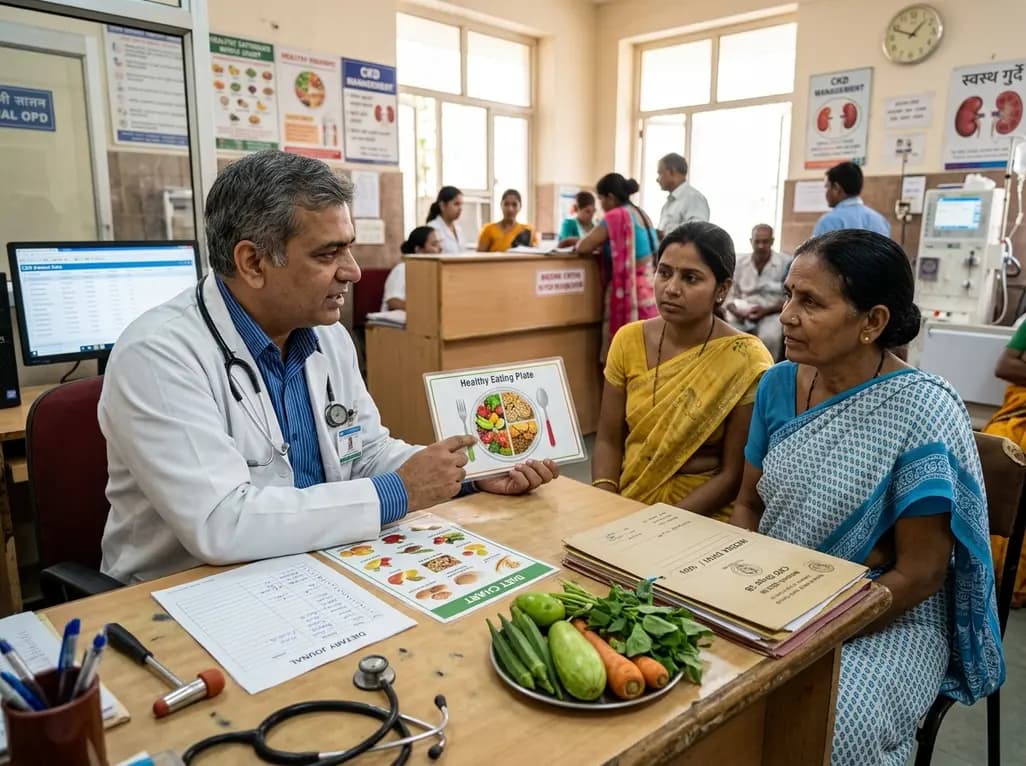
A large NHANES cohort study reveals that higher Healthy Eating Index scores significantly reduce all-cause mortality risk in CKD patients by 45%. This analysis highlights the importance of comprehensive diet quality and medical nutrition therapy in renal care to optimize long-term clinical survival.
Today

A prospective cohort study demonstrates that poor adolescent sleep quality, especially long sleep latency and reduced efficiency, increases dysmenorrhea severity in young adulthood. Addressing adolescent rest patterns offers a critical preventive avenue for clinicians.
Today
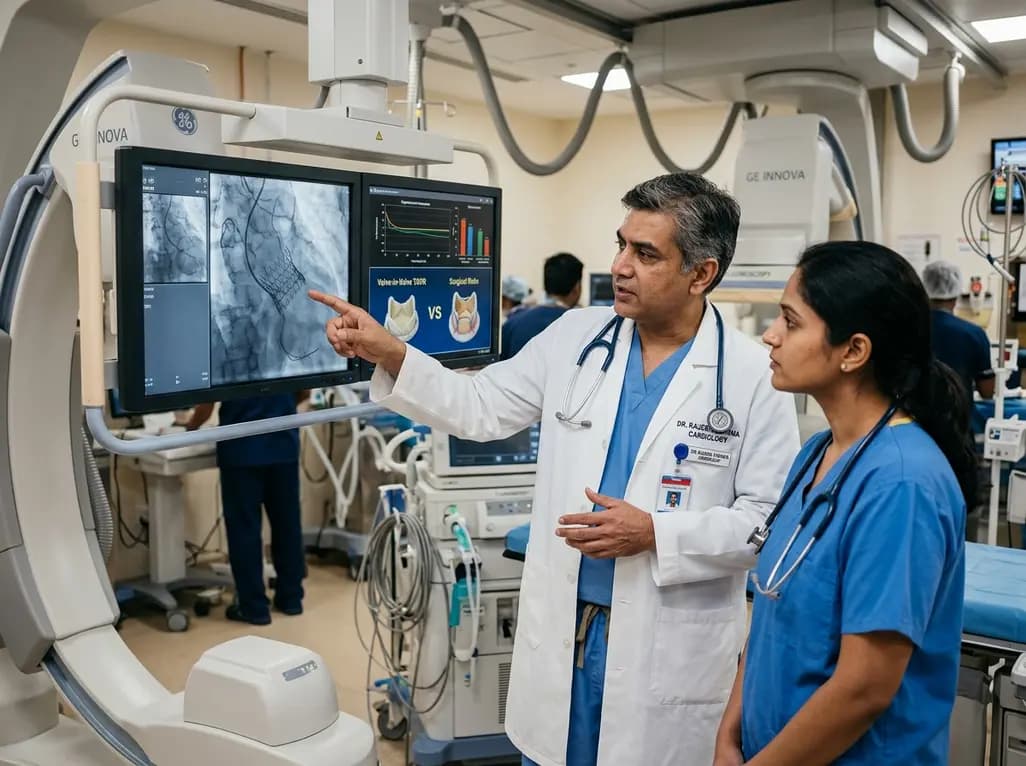
A meta-analysis of 13 propensity score-matched studies shows ViV-TAVR delivers lower early mortality and reduced bleeding compared to redo-SAVR for degenerated bioprosthetic aortic valves, though long-term hemodynamics warrant careful anatomical and patient-centered evaluation.
Today
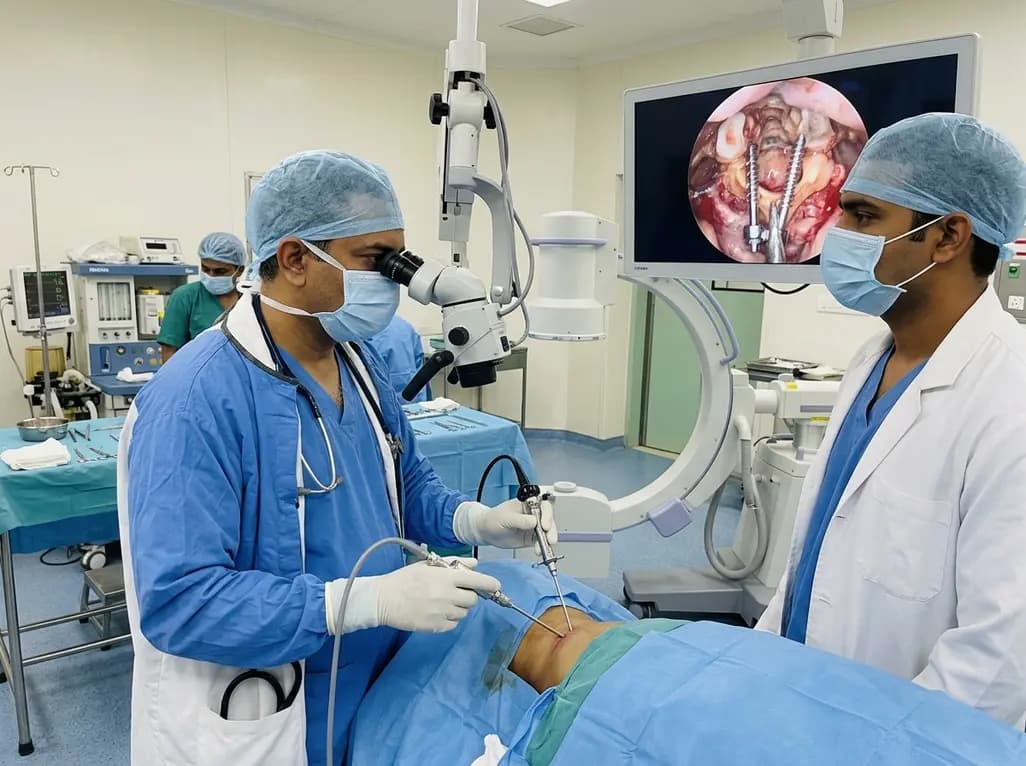
Endoscopic posterior cervical fusion combines minimally invasive decompression, joint preparation, and rigid screw-rod fixation for atlantoaxial pathologies. Early clinical findings demonstrate solid bony union, excellent symptom relief, and minimal soft-tissue morbidity without significant vascular compromise.
Today
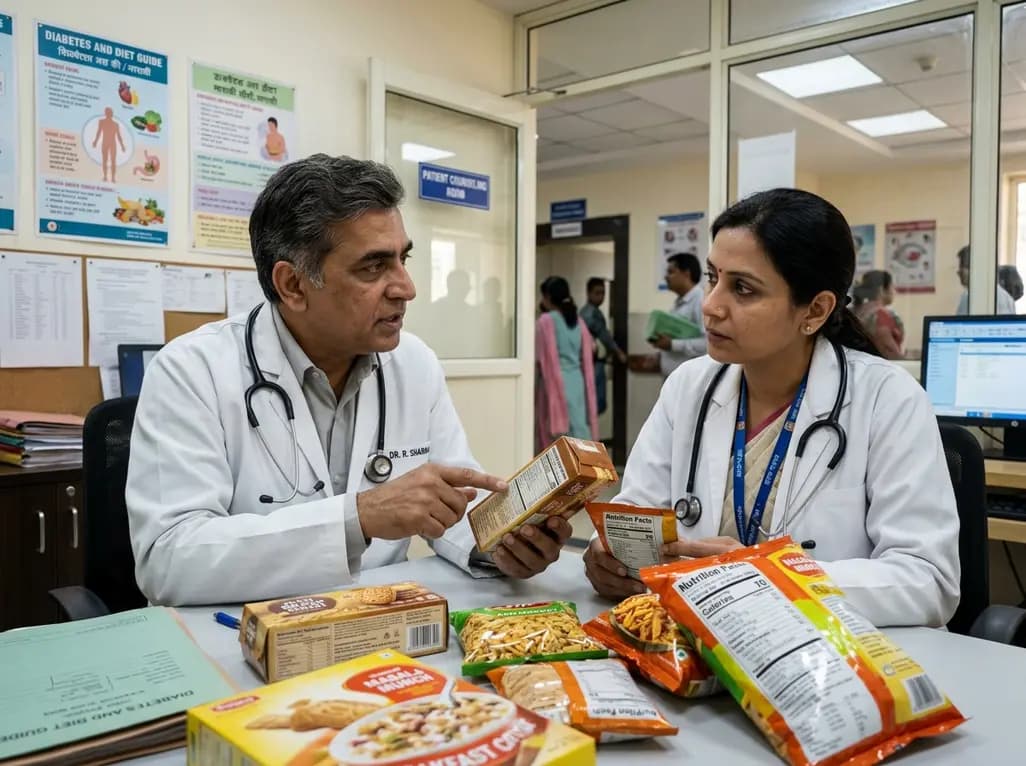
The All-India Food Processors' Association has approached the Supreme Court to oppose FSSAI's proposed per-100g benchmark for front-of-pack warning labels, advocating instead for a per-serving threshold. We explore the regulatory showdown, nutritional evidence, and implications for clinical lifestyle counseling.
Today
