.webp&w=384&q=75)

Loading, please wait...
Loading, please wait...

Modern fertility care is no longer just about medical procedures; it is about combining science with empathy. Aksigen IVF has earned recognition for its integrated approach. They bridge the gap between clinical depth and operational clarity. Furthermore, the clinic emphasizes that credibility is built through consistent, successful patient outcomes. Consequently, their model treats medicine and technology as interdependent forces rather than separate entities.
Every stage of the IVF process, from initial diagnosis to embryo transfer, requires extreme precision. Therefore, Aksigen has established systems to manage this complexity. Their goal is to ensure that quality remains high across all steps. This structured method helps reduce the variability often found in fertility treatments.
At the center of their operations is the ROOTS 360 framework. This internal structure connects clinical decisions, embryology, and patient communication. Because no two patients are identical, the clinic avoids template-based treatments. Instead, they design personalized protocols based on individual biology. For example, cases involving PCOS or diminished ovarian reserve receive tailored strategies. Additionally, the embryology lab maintains strict controls to maximize success rates.
Technology plays a vital role behind the scenes rather than acting as a gimmick. Digital systems improve documentation and ensure traceability in lab procedures. This transparency makes the journey easier for patients to follow. Moreover, simplifying complex processes reduces uncertainty and builds patient confidence. As a result, the treatment experience becomes more manageable and less overwhelming.
The landscape of fertility care in India is shifting rapidly. Today's patients are more informed and proactive than previous generations. They expect a level of personalization that goes beyond generic advice. Furthermore, social changes like delayed parenthood have increased the demand for support. However, people are now more willing to seek help early. This shift highlights the importance of trust and scientific discipline in modern fertility care.
Q1: What is the ROOTS 360 framework in IVF?
A1: It is an internal operational framework that synchronizes clinical decision-making, embryology lab processes, and patient communication to ensure consistent quality and outcomes.
Q2: Why is personalization important in fertility treatment?
A2: Fertility is not linear, and individual biological factors like PCOS or ovarian reserve vary. Tailored protocols ensure that treatment matches the specific needs of the patient rather than following a generic template.
Disclaimer: This content is for informational and educational purposes only. It does not constitute medical advice or replace professional judgment. Refer to the latest local and national guidelines for clinical practice.
References

Read summarized clinical updates, watch expert medical content, and earn CME certifications right from your smartphone.
Open your smartphone camera to scan and install.





Aksigen IVF focuses on clinical depth, digital innovation, and personalized protocols to enhance patient outcomes in the evolving landscape of fertility car...
6 months ago
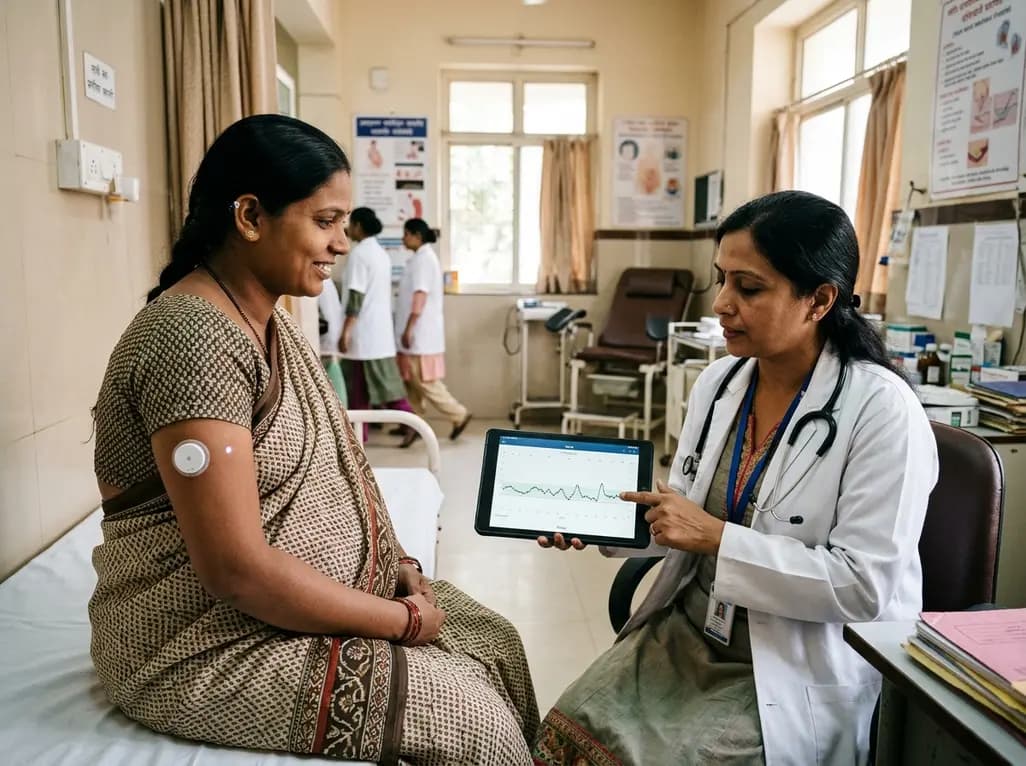
A prospective multicenter trial demonstrates that a 15-day factory-calibrated continuous glucose monitoring system provides high analytical accuracy (MARD ~7.7%) and safety in pregnant women with gestational diabetes mellitus.
Today
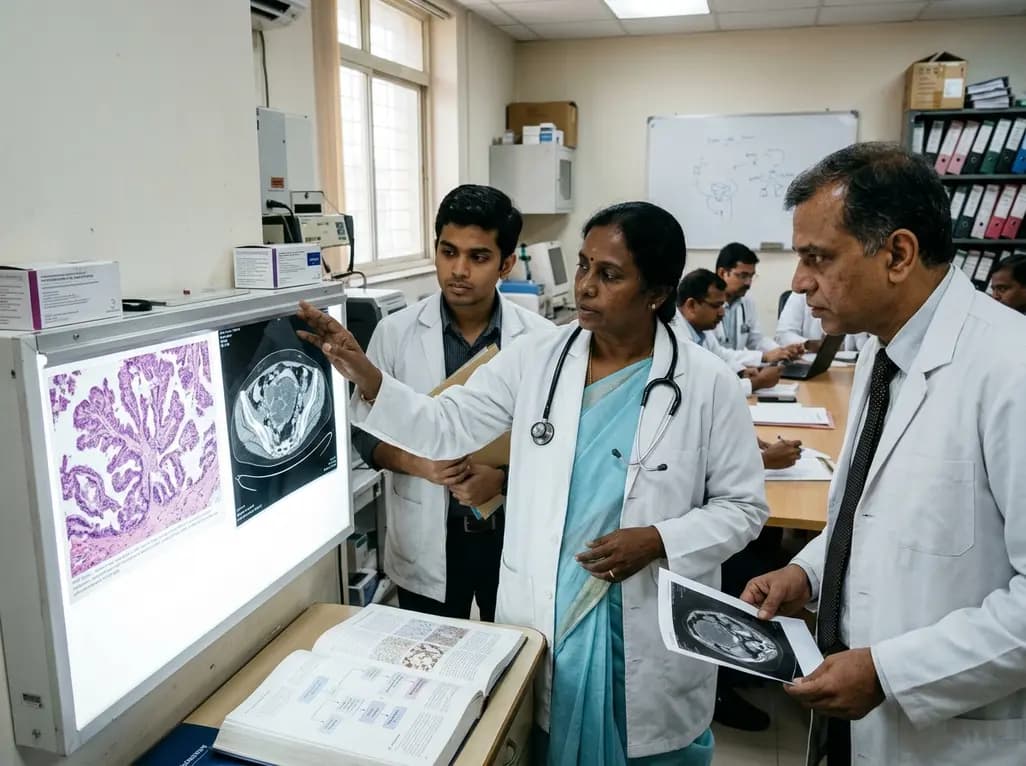
A rare presentation of cervical villoglandular adenocarcinoma metastasizing to the ovary mimicked a borderline ovarian tumor. Multimodal testing with immunohistochemistry and HPV16 DNA confirmed metastatic origin, guiding optimal surgical and chemoradiotherapy intervention.
Today
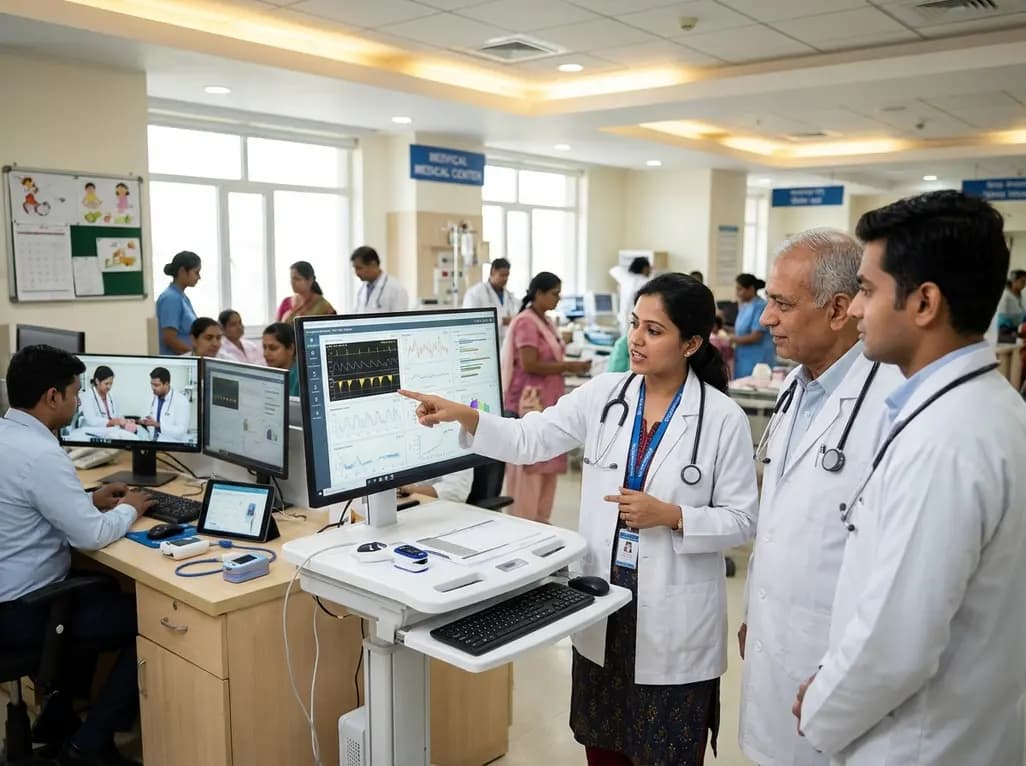
A landmark study details how an enterprise pediatric remote patient management model expanded from a single cardiology pilot to 16 diverse specialty programs by combining centralized digital operations with specialty clinical leadership.
Yesterday
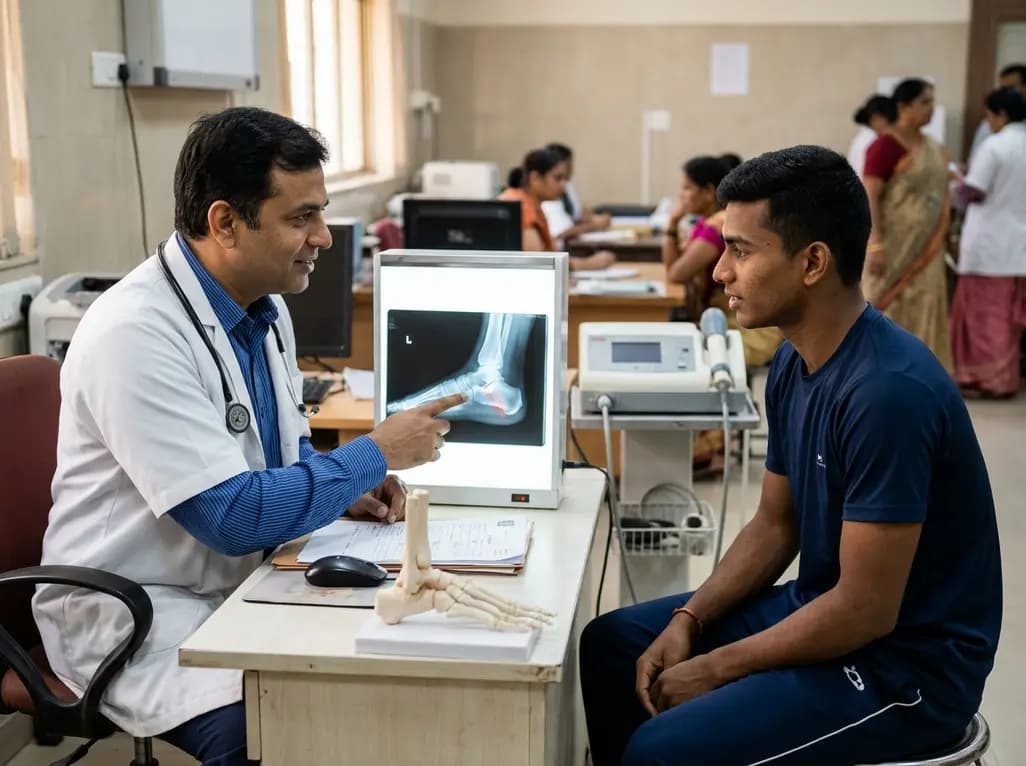
A collegiate hurdler with a 2-year neglected Degan type III anterior process calcaneus fracture achieved complete pain resolution and bony bridging using focused extracorporeal shock wave therapy, returning to competition without invasive surgery.
Today
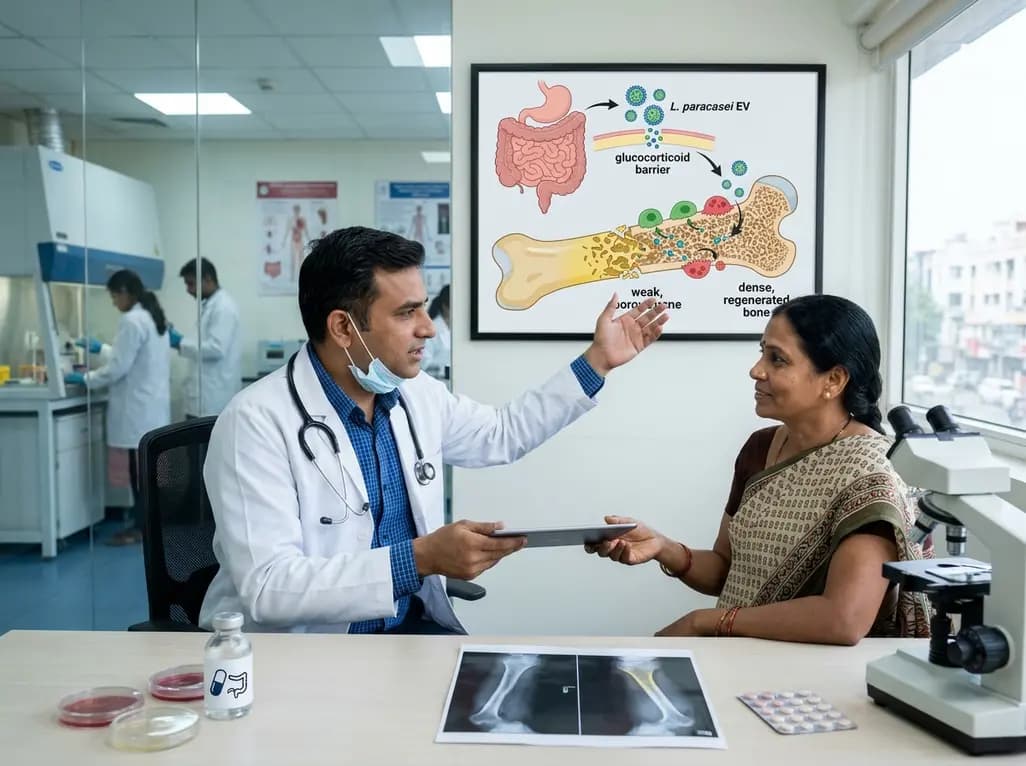
A novel oral nanoplatform using Lacticaseibacillus paracasei-derived extracellular vesicles delivers alendronate, reversing glucocorticoid-induced bone loss and restoring gut-immune-bone homeostasis.
Today
