.webp&w=384&q=75)

Loading, please wait...
Loading, please wait...

Biologic therapies have revolutionized the management of inflammatory bowel diseases. However, clinicians must remain vigilant regarding potential Mirikizumab adverse events that affect the skin. A recent case report details a 59-year-old male with ulcerative colitis (UC) who experienced a rare dermatological complication shortly after starting treatment. This patient developed pruritic cutaneous bullae within days of receiving a mirikizumab infusion. Consequently, this event raised concerns about the drug's role as a potential trigger for autoimmune blistering diseases (AIBD).
In this specific case, histopathological examination and direct immunofluorescence confirmed a diagnosis of AIBD. The temporal relationship between the biologic exposure and the onset of skin lesions strongly suggests a drug-induced mechanism. Furthermore, the patient showed significant improvement after the withdrawal of mirikizumab and the initiation of corticosteroid therapy. Moreover, clinicians should recognize that while IL-23 inhibitors are generally well-tolerated, rare immune-mediated reactions can occur in susceptible individuals. Notably, timely recognition is essential to prevent long-term morbidity in these patients.
Managing Mirikizumab adverse events requires a multidisciplinary approach involving both gastroenterologists and dermatologists. Although such complications are rare, they provide valuable insights into the complex immune pathways involved in biologic therapy. Consequently, doctors should monitor patients for new skin lesions during the induction phase of treatment. Additionally, reporting these cases helps build a more comprehensive safety profile for newer biologics in the Indian clinical landscape.
While the most common Mirikizumab adverse events include injection site reactions and mild rashes, rare occurrences of serious conditions like autoimmune blistering disease have been reported in case studies.
Management typically involves the immediate withdrawal of the suspected biologic and the initiation of systemic corticosteroids to control the inflammatory response and heal the lesions.
Data regarding IL-23 inhibitors and AIBD remain limited. However, various biologics have been historically linked to the induction of autoimmune skin conditions in susceptible individuals.
Disclaimer: This content is for informational and educational purposes only. It does not constitute medical advice or a substitute for professional healthcare. Always consult a qualified medical professional for diagnosis and treatment. Refer to the latest local and national guidelines for clinical practice.
References
Centanni L et al. Cutaneous autoimmune blistering disease during mirikizumab therapy in a patient with ulcerative colitis: a new potential trigger? J Crohns Colitis. 2026 Feb 13. doi: undefined. PMID: 41689189.
D'Alessio S et al. Safety of Mirikizumab in Ulcerative Colitis: Results from the LUCENT Clinical Program. Ther Adv Gastroenterol. 2024.
"
Read summarized clinical updates, watch expert medical content, and earn CME certifications right from your smartphone.
Open your smartphone camera to scan and install.





A new case study identifies Mirikizumab as a potential trigger for cutaneous autoimmune blistering disease in a 59-year-old patient with ulcerative colitis....
8 months ago

The TREM-AB open-label pilot study evaluated a wearable passive nonlinear vibration absorber for essential tremor. The Nonlinear Energy Sink bracelet reduced clinical Fahn-Tolosa-Marin tremor scores by 32.1% and electrophysiological tremor power by 49.2% with no adverse effects reported.
Today

A population-based study of 20,928 children reveals that small vulnerable newborns face sex-divergent mental capital outcomes at ages 6-7: term SGA girls show higher behavioral difficulties and lower resilience, while preterm non-SGA boys experience increased behavioral problems.
Today
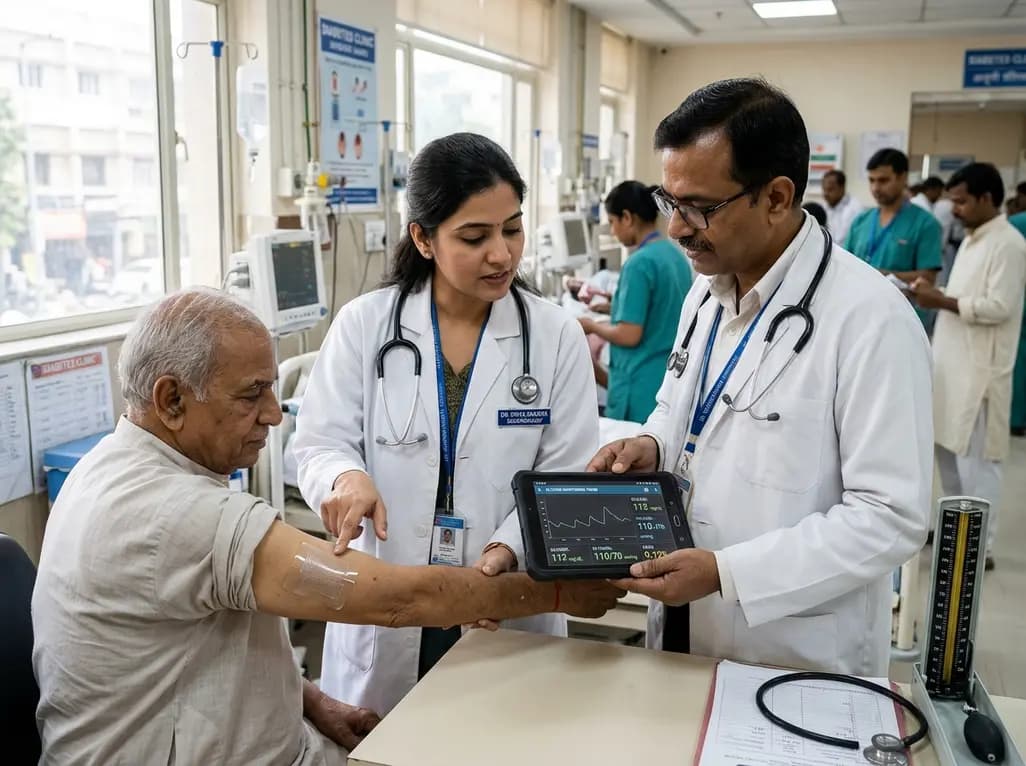
A breakthrough ultrathin multimodal sensor decouples physical hemodynamic monitoring from disposable electrochemical calibration, achieving long-term wearable glucose prediction with 81.36% accuracy and a 9.12% MARD. This offers a robust, drift-free solution for outpatient metabolic surveillance.
Today
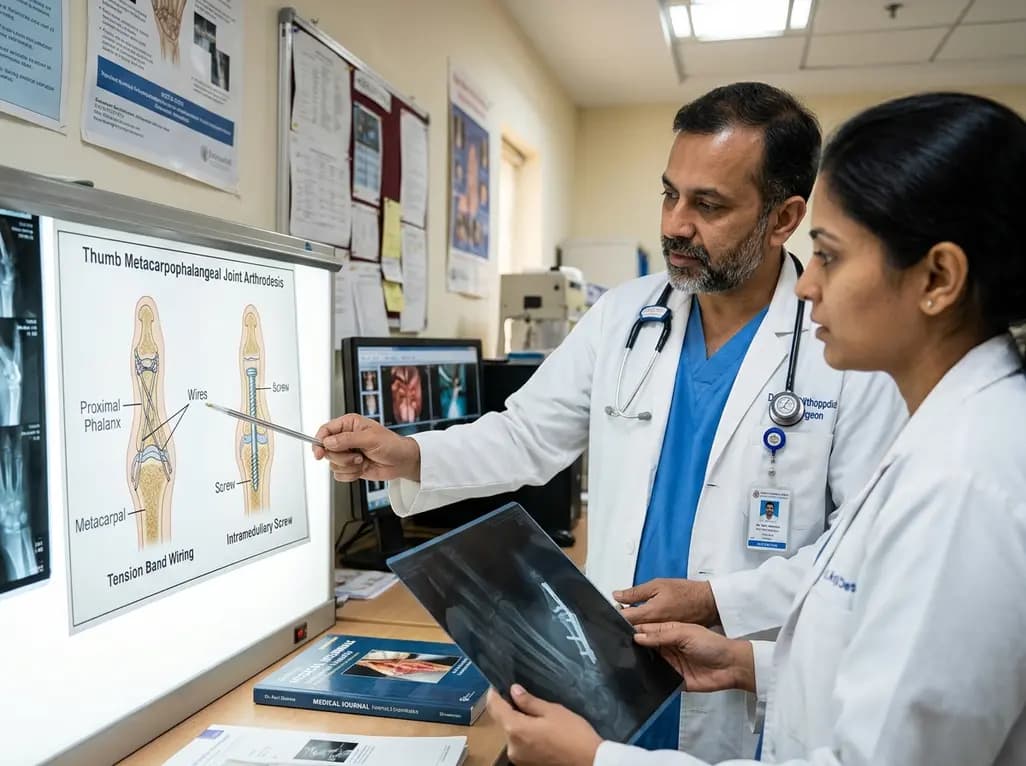
A comparative review of tension band wiring and intramedullary screw fixation in thumb metacarpophalangeal arthrodesis, evaluating union rates, hardware complications, and clinical outcomes.
Today
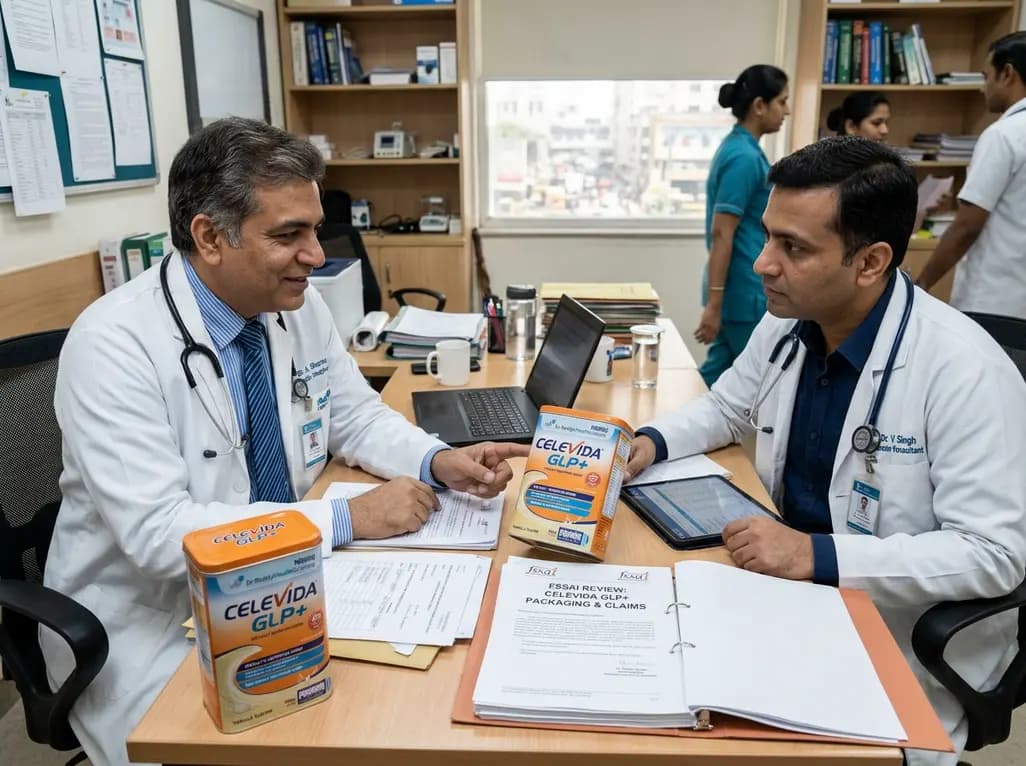
Following regulatory scrutiny from FSSAI regarding promotional representations and lean muscle preservation claims, Dr. Reddy's Laboratories and Nestlé Health Science are currently reviewing the branding and marketing strategy for their joint nutritional supplement Celevida GLP+.
Today
