.webp&w=384&q=75)

Loading, please wait...
Loading, please wait...
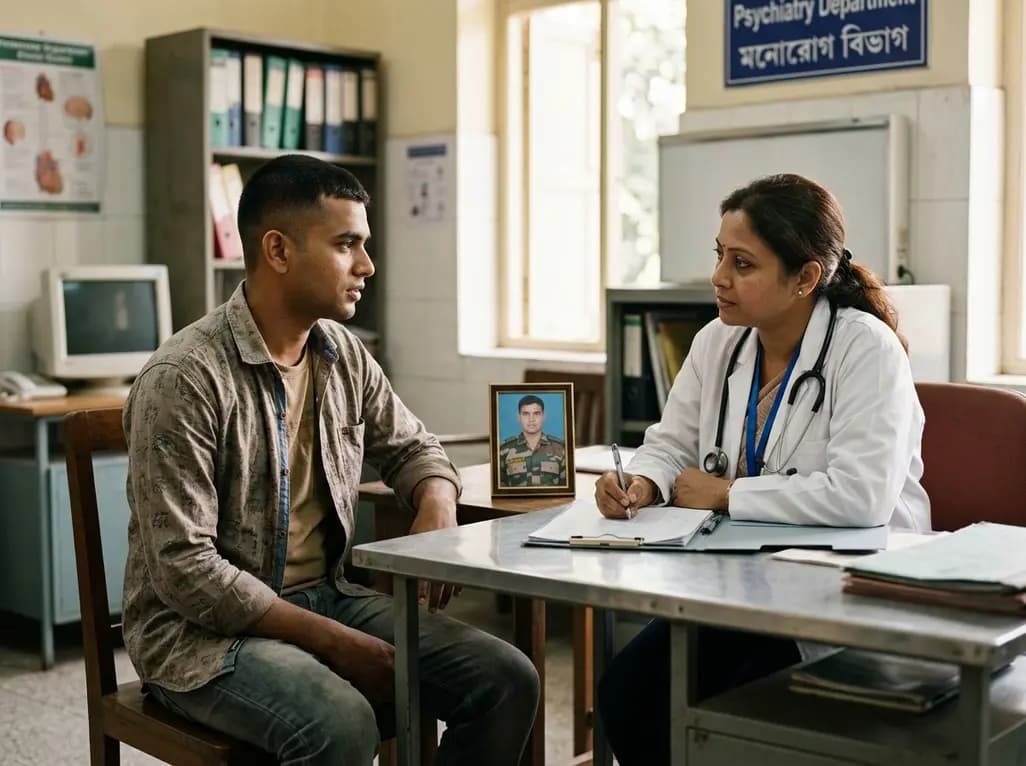
The military to civilian transition is a critical life phase marked by profound structural, psychological, and cultural changes. When service personnel leave the armed forces, they must adapt to civilian workplace norms, re-establish social circles, and reconstruct their personal identities. While many adjust seamlessly, a significant proportion experience persistent reintegration difficulties. These challenges often present as social alienation, functional impairment, and psychiatric vulnerability. Consequently, healthcare providers require clear frameworks to identify distinct readjustment needs. Recent research emphasizes that post-service adjustment is heterogeneous rather than uniform. By recognizing diverse transition profiles, clinicians can implement targeted psychosocial interventions to optimize long-term health outcomes.
Military life relies on rigid hierarchy, structured discipline, shared purpose, and strong collective cohesion. Transitioning to civilian society requires extensive psychosocial recalibration. Ex-serving members often struggle in unstructured environments where communication styles and cultural expectations differ significantly from military life. To evaluate these challenges, researchers developed the Military-Civilian Adjustment and Reintegration Measure (M-CARM). This validated tool assesses five key domains: beliefs about civilians, regimentation, purpose and connection, resentment and regret, and help-seeking. Traditionally, clinicians focused primarily on diagnosable conditions like post-traumatic stress disorder. However, diagnostic criteria alone often overlook cultural alienation and identity loss. Evaluating these multidimensional domains enables early identification of psychosocial friction before it leads to chronic psychiatric illness.
To examine distinct adjustment trajectories, researchers conducted a latent profile analysis of 725 ex-serving Australian Defence Force members. This statistical method identified three discrete subgroups across the M-CARM domains.
The Low Adjustment Need (LAN) group represented 20.7% of the cohort, reporting minimal reintegration challenges, solid social connections, and smooth cultural assimilation. The Cultural Adjustment Need (CAN) group formed the largest segment at 42.9%. These individuals struggled primarily with cultural adaptation, demonstrating rigid adherence to military regimentation and skepticism toward civilian life. The Cultural and Psychological Need (CPN) group comprised 36.4% of participants. This vulnerable subgroup experienced pervasive difficulties across all domains, including negative civilian perceptions, diminished purpose, strong regimentation, and profound resentment regarding separation.
Analyzing demographic and military characteristics reveals clear predictors for each adjustment profile. Male gender and lower educational attainment correlated strongly with membership in both the CAN and CPN groups. However, key factors separated these two cohorts.
Surprisingly, CAN group members were less likely to have combat deployment history, indicating that cultural friction occurs even without direct combat exposure. In contrast, CPN veterans exhibited distinct institutional vulnerabilities, including Navy service, medical discharge, and unemployment. Involuntary medical separation abruptly ends military careers, leaving individuals unprepared for civilian employment and stripping away established roles. Consequently, these veterans face heightened emotional distress, financial instability, and identity crisis, compounding their transition difficulties.
The clinical impact of these profiles is evident in their mental health correlations. Compared to the LAN group, veterans in both CAN and CPN profiles reported significantly higher rates of depression, anxiety, post-traumatic stress symptoms, and distressing nightmares.
Furthermore, these psychological symptoms correlated with lower quality of life and marked functional impairment in occupational and social roles. Although CAN veterans showed moderate symptom levels, CPN participants experienced the greatest clinical burden. The combination of intense resentment, lost purpose, and social alienation creates substantial psychological vulnerability. In addition, severe sleep disruption and trauma nightmares worsen emotional dysregulation. Clinicians must recognize that transition difficulties frequently co-occur with and amplify formal psychiatric disorders.
These findings demonstrate the necessity of shifting from generic veteran programs to stratified, stepped-care models. Matching intervention intensity to specific adjustment profiles ensures effective clinical resource allocation.
Veterans in the Low Adjustment Need group typically thrive with basic community and peer support. In contrast, those in the Cultural Adjustment Need profile benefit from targeted psychoeducation, cognitive reframing of civilian dynamics, and vocational coaching to translate military skills. Finally, veterans in the Cultural and Psychological Need cohort require intensive multidisciplinary care. This approach should integrate evidence-based trauma psychotherapy, sleep medicine protocols for nightmares, social work assistance for employment, and targeted counseling for resentment and identity loss.
Primary care physicians and mental health specialists serve on the frontline of veteran care. Integrating tools like the M-CARM into routine evaluations helps clinicians identify cultural and psychological friction early. Inquiring about civilian relationships, workplace adaptation, sleep quality, and feelings about discharge provides vital diagnostic context. Furthermore, collaborative care pathways linking primary practitioners with veteran support organizations enhance treatment continuity and foster successful civilian reintegration.
Latent profile analysis identifies distinct subgroups of veterans who share similar psychosocial adjustment patterns across multiple domains. Instead of viewing veteran transition as a uniform experience, this person-centered statistical method helps clinicians uncover specific cultural, social, and psychological needs. Consequently, healthcare professionals can design targeted screening protocols, allocate clinical resources efficiently, and implement personalized interventions tailored to each subgroup's unique risk profile.
The Cultural Adjustment Need group experiences difficulty primarily with cultural re-entry, including rigid adherence to regimentation and skepticism toward civilian norms. In contrast, the Cultural and Psychological Need group faces much broader challenges. These veterans experience intense cultural alienation alongside profound loss of purpose, severe social disconnection, and deep resentment regarding their discharge. Consequently, they suffer from significantly higher psychiatric comorbidity and functional impairment.
Medical discharge abruptly terminates a military career without allowing the individual adequate time to prepare psychologically, financially, or vocationally for civilian life. This sudden separation often leads to an immediate loss of professional identity, social support systems, and structured routines. Furthermore, physical or psychological injuries compound the complexity of finding civilian employment, creating prolonged resentment, grief, and heightened vulnerability to severe adjustment disorders.
Disclaimer: This content is for informational and educational purposes only and should not be considered medical advice. Always consult a qualified healthcare professional regarding any medical conditions or treatments. Refer to the latest local and national guidelines for clinical practice.
References

Read summarized clinical updates, watch expert medical content, and earn CME certifications right from your smartphone.
Open your smartphone camera to scan and install.





Latent profile analysis reveals distinct psychosocial adjustment profiles among veterans during military-to-civilian transition, highlighting the critical necessity for stratified psychological and cultural support models.
4 weeks back
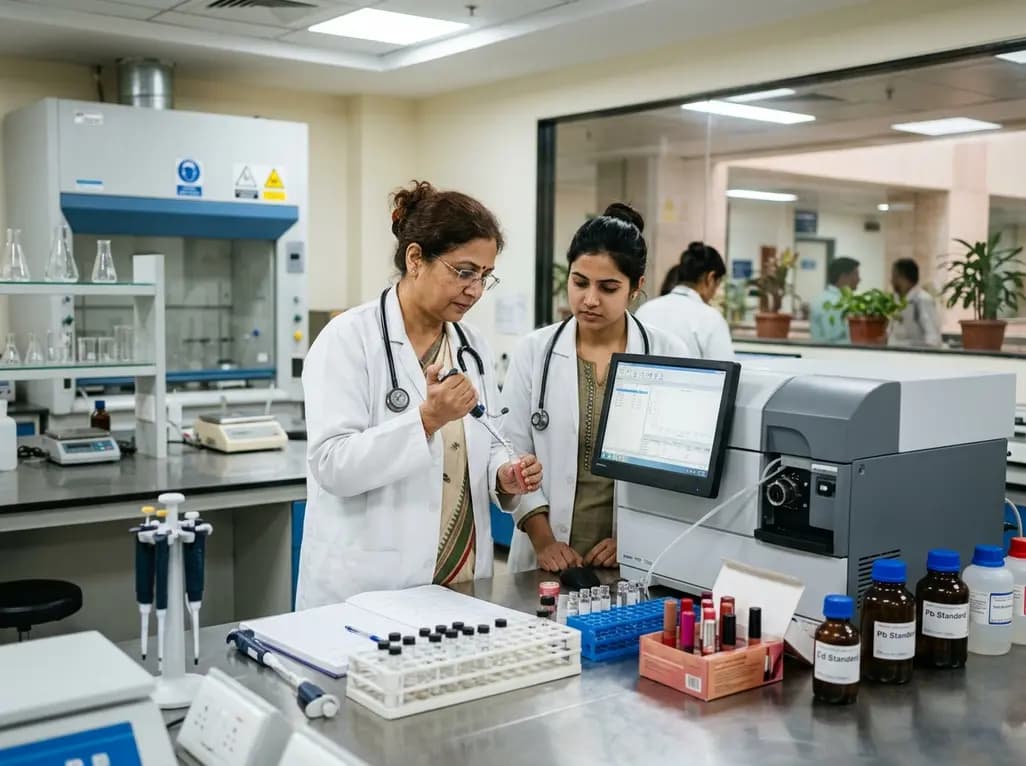
A recent ICP-MS study evaluated seven toxic elements in lip cosmetics. While carcinogenic risks remain negligible, elevated nickel and copper levels along with high hazard indices in lip glazes highlight the need for improved regulatory standards, clinical awareness of cheilitis, and patient education.
Today
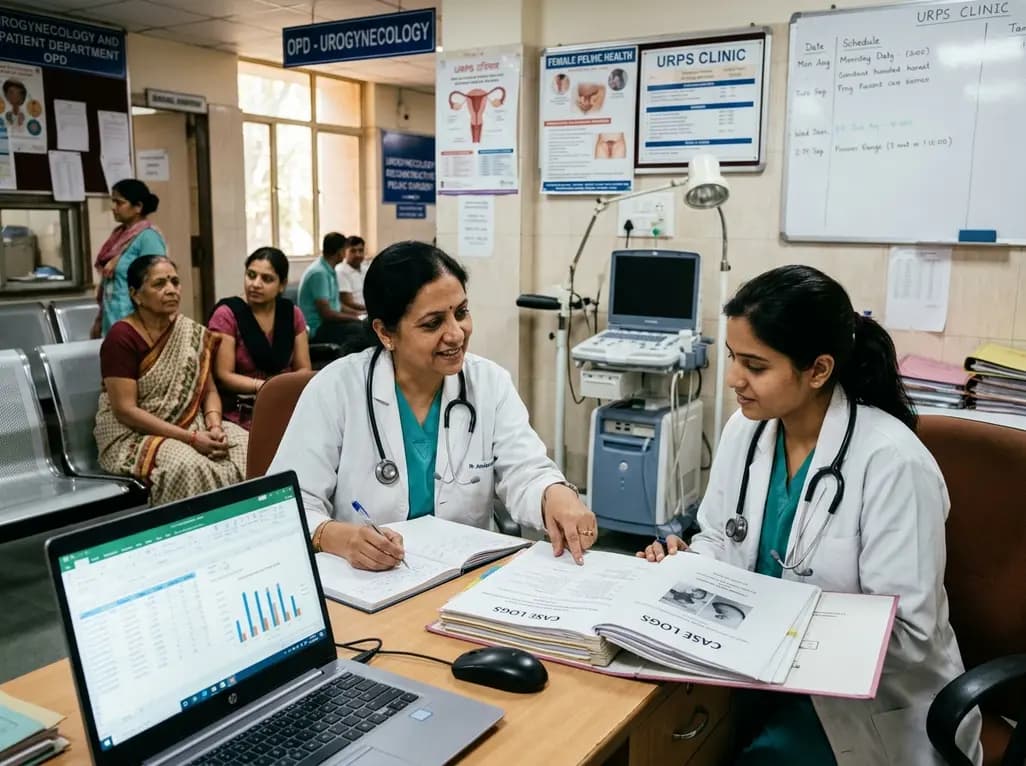
A ten-year cohort study of ABU case logs reveals that URPS fellowship training significantly drives higher annual case volumes, advanced surgical complexity, and increased female representation in pelvic floor reconstruction, underscoring the vital need for structured subspecialty training.
Today
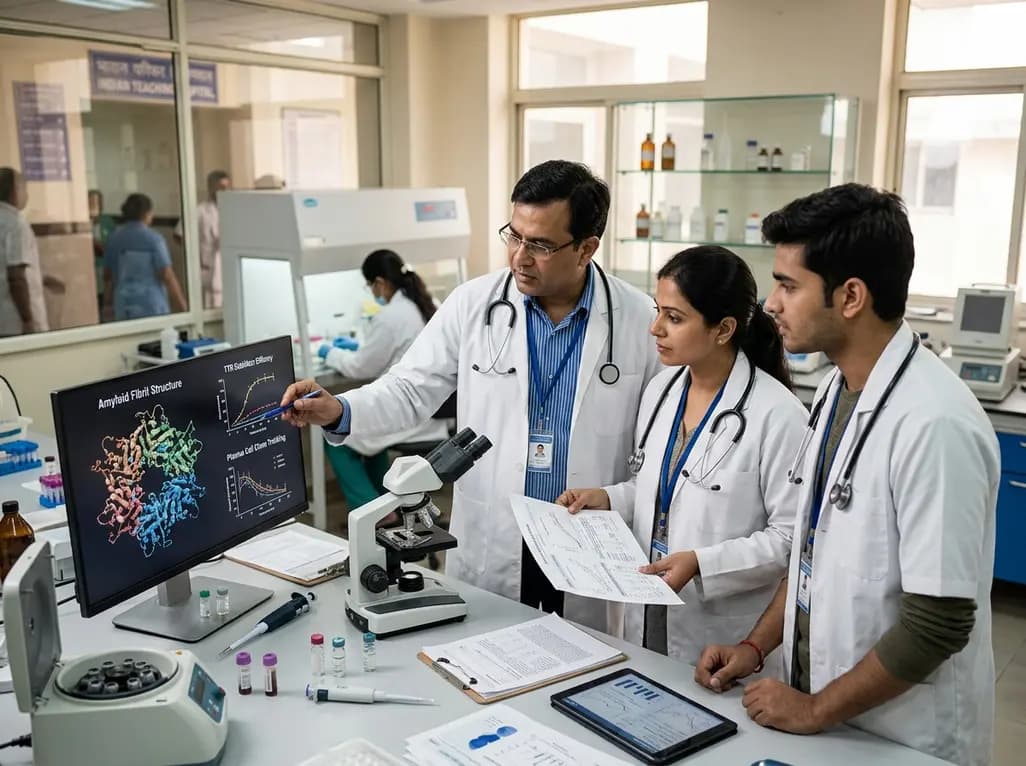
Systemic amyloidosis management is undergoing a therapeutic revolution. This clinical review synthesizes updates from the International Society of Amyloidosis, detailing novel plasma cell therapies, TTR stabilizers, silencers, translational models, and artificial intelligence in drug development.
Today
Posttraumatic pisotriquetral instability is a rare wrist injury causing severe hypothenar pain and weakness. Explore clinical examination, imaging, and pisiformectomy.
Today
A comprehensive review analyzes periconceptional GLP-1 receptor agonist exposure, revealing reassuring data on congenital anomalies and adverse perinatal outcomes while emphasizing the need for cautious patient counseling.
Yesterday
