.webp&w=384&q=75)

Loading, please wait...
Loading, please wait...
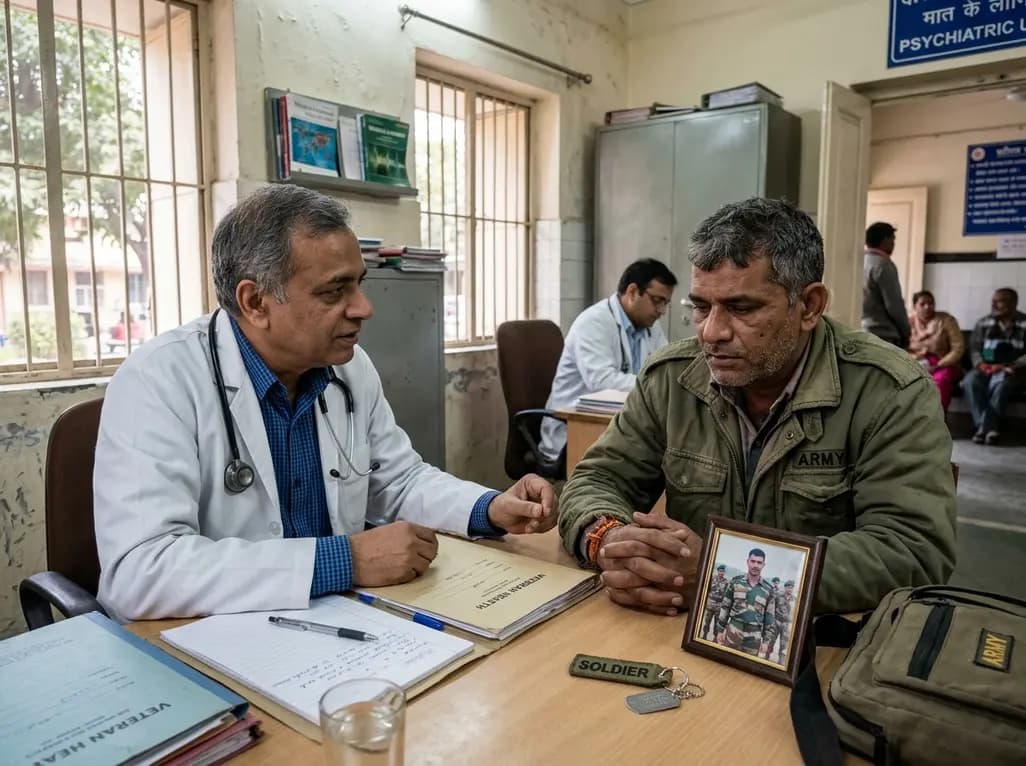
Experiencing traumatic battlefield events can destabilize long-term mental health, frequently triggering post-traumatic stress disorder and severe depressive symptoms. Consequently, many affected service members misuse alcohol or prescription drugs to escape painful memories, emotional numbness, and intrusive recollections. Unfortunately, chemical self-medication directly worsens psychiatric distress and accelerates veteran suicide risk across clinical settings. Military identity—a deeply internalized framework comprising values, mission pride, and camaraderie—profoundly shapes how former soldiers process psychological trauma. Recent empirical research involving 1,459 combat veterans demonstrates that specific dimensions of military identity moderate the dangerous links connecting combat trauma, substance misuse, and suicidality. Understanding these cultural dynamics enables healthcare professionals to tailor clinical assessments and optimize supportive psychiatric interventions.
Combat exposure exposes soldiers to severe physical threat, horrific injury, and profound moral distress. As a direct consequence, many survivors develop disabling post-traumatic stress disorder accompanied by intractable nightmares and hyperarousal. Because standard coping mechanisms often collapse under relentless emotional agony, individuals frequently turn toward alcohol or illicit substances for rapid relief. This chemical avoidance blunts distressing flashbacks temporarily, but it fundamentally destabilizes neurochemical regulation and aggravates affective instability. Furthermore, persistent substance abuse erodes cognitive inhibition, impairing judgment during acute emotional crises. Consequently, the combination of untreated trauma and chemical misuse creates a lethal pathway toward elevated veteran suicide risk. Clinicians must recognize that substance abuse rarely exists as an isolated pathology in combat survivors. Instead, it typically functions as a desperate, maladaptive attempt to self-medicate unaddressed psychological wounds. When severe intoxication co-occurs with feelings of burdensomeness and despair, the threshold for lethal self-harm drops dramatically. Therefore, comprehensive psychiatric screening must evaluate trauma symptoms, substance misuse patterns, and suicidal tendencies concurrently rather than sequentially. Early identification of these intertwined risk factors remains paramount for preserving veteran lives during civilian transition.
Military socialization instills enduring behavioral norms, personal values, and cognitive frameworks that persist long after active service concludes. Psychologists conceptualize this internal culture through three distinct dimensions: idealism, professionalism, and individualism. First, idealism reflects devotion to higher ethical missions, patriotic duty, and sacrificial collective purpose. This dimension provides individuals with a coherent sense of overarching meaning that withstands immense external adversity. In contrast, professionalism represents strict adherence to organizational standards, rigorous operational competence, and structured self-regulation. Professionalism reinforces pride in technical mastery, institutional hierarchy, and systematic problem-solving throughout a service member's military career. Conversely, individualism emphasizes absolute self-reliance, stoic emotional suppression, and intense reluctance to depend on others during hardship. While extreme self-reliance proves advantageous during tactical battlefield operations, it frequently impairs interpersonal functioning during civilian reintegration. A confirmatory factor analysis confirmed that these three dimensions operate as distinct psychological constructs with divergent clinical effects. Therefore, healthcare providers cannot treat military identity as a monolithic entity. Instead, clinicians must evaluate how each specific domain influences a patient's emotional processing and help-seeking attitudes following severe combat trauma.
Empirical findings demonstrate that constructive dimensions of military identity provide substantial protection against post-combat psychological deterioration. Specifically, strong idealism significantly buffers the relationship between combat exposure and both substance misuse and suicidal behaviors. When veterans maintain the conviction that their sacrifices served an honorable, collective purpose, they preserve fundamental moral integrity. Consequently, existential demoralization declines, preventing individuals from seeking chemical escape through hazardous drinking or drug misuse. Similarly, higher levels of military professionalism weaken the statistical association linking combat trauma to substance misuse. Professional veterans often retain disciplined behavioral habits, systematic problem-solving capacities, and structured routines developed during their active service. These ingrained competencies facilitate healthier behavioral containment during periods of acute stress. Interestingly, however, professionalism does not directly attenuate suicide risk, indicating that technical discipline alone cannot mend profound existential pain. Nonetheless, sustaining professional pride and structured daily functioning establishes a vital stabilizing framework. Mental health professionals can deliberately mobilize these protective dimensions during therapeutic rehabilitation. Reinforcing honorable service and collective meaning helps patients reframe past trauma constructively without resorting to dangerous avoidance behaviors.
While idealism and professionalism offer measurable psychological protection, an intensely individualistic military identity produces markedly hazardous outcomes. The study reveals that high individualism significantly strengthens the detrimental link between combat exposure and hazardous substance misuse. Individualistic veterans frequently equate seeking psychological assistance with weakness, failure, or loss of warrior autonomy. Consequently, they aggressively suppress distressing trauma symptoms and withdraw from essential social support networks. Because these individuals reject outside assistance, solitary chemical self-medication becomes their primary coping mechanism against severe insomnia and anxiety. Over time, persistent substance misuse worsens depression, impairs executive cognitive control, and fosters profound alienation from family members. In addition, chronic emotional suppression reinforces the perceived burdensomeness and thwarted belongingness that drive active suicidal ideation. When an individualistic veteran experiences medical illness, relationship dissolution, or unemployment, their rigid self-reliance often shatters abruptly. Under these acute conditions, the absence of functional social support rapidly precipitates catastrophic suicidal crises. Mental health professionals must proactively address this maladaptive individualism, helping veterans recognize that true strength involves vulnerability and collaborative therapeutic engagement.
These clinical insights offer valuable guidance for psychiatrists, clinical psychologists, and primary care physicians managing military personnel and veterans. First, diagnostic evaluations must systematically assess military identity dimensions alongside standard post-traumatic stress and depression scales. Understanding whether a veteran leans toward communal idealism or isolated individualism informs diagnostic formulation and risk stratification. Furthermore, psychotherapeutic interventions like Cognitive Processing Therapy and Acceptance and Commitment Therapy can explicitly incorporate military values. For example, clinicians can reframe therapy as disciplined mental conditioning designed to restore operational capability and life purpose. In addition, group therapy models provide exceptional clinical utility by recreating the collective cohesion, mutual trust, and camaraderie of military service. Healthcare teams should also implement integrated dual-diagnosis protocols, treating substance use disorders and combat trauma concurrently rather than in isolation. Moreover, clinicians must validate the honorable aspects of military service while challenging rigid stoic beliefs that impede emotional disclosure. By strengthening protective idealism and dismantling destructive individualistic isolation, mental health teams can significantly mitigate substance misuse and safeguard vulnerable combat veterans from preventable tragedy.
Military identity profoundly shapes how combat veterans interpret psychological trauma and manage distress. While combat exposure increases vulnerability to depression and post-traumatic stress, strong idealism and institutional professionalism act as protective buffers. These constructive dimensions foster a sense of shared purpose and disciplined coping. Conversely, excessive individualism and rigid stoicism discourage timely help-seeking, leaving veterans isolated and significantly elevating their long-term suicide risk.
Veterans exhibiting high individualism often internalize severe cultural expectations of self-reliance and emotional suppression. Consequently, they perceive psychiatric distress as personal weakness and actively avoid professional support systems. When facing overwhelming combat flashbacks, chronic pain, or sleeplessness, these individuals frequently turn to alcohol or illicit substances for solitary symptom relief. This maladaptive self-medication temporarily masks distressing emotions but ultimately worsens neurochemical stability and deepens physical dependence.
Clinicians can adapt cognitive-behavioral therapies by aligning interventions with core military values like honor, camaraderie, and discipline. Reframing psychological recovery as an operational objective helps veterans overcome hesitation regarding mental healthcare. Furthermore, group therapy modalities effectively recreate the collective cohesion and mutual accountability experienced during active service. By dismantling maladaptive individualistic stoicism and reinforcing collective idealism, psychotherapists empower combat veterans to process traumatic memories safely without turning toward substances.
Disclaimer: This content is for informational and educational purposes only... Refer to the latest local and national guidelines for clinical practice.
References

Read summarized clinical updates, watch expert medical content, and earn CME certifications right from your smartphone.
Open your smartphone camera to scan and install.





A study of 1,459 combat veterans demonstrates that military identity significantly moderates substance use and suicide risk. While idealism and professionalism serve as protective buffers against trauma, excessive individualism amplifies maladaptive coping, highlighting key targets for psychiatric intervention.
Today
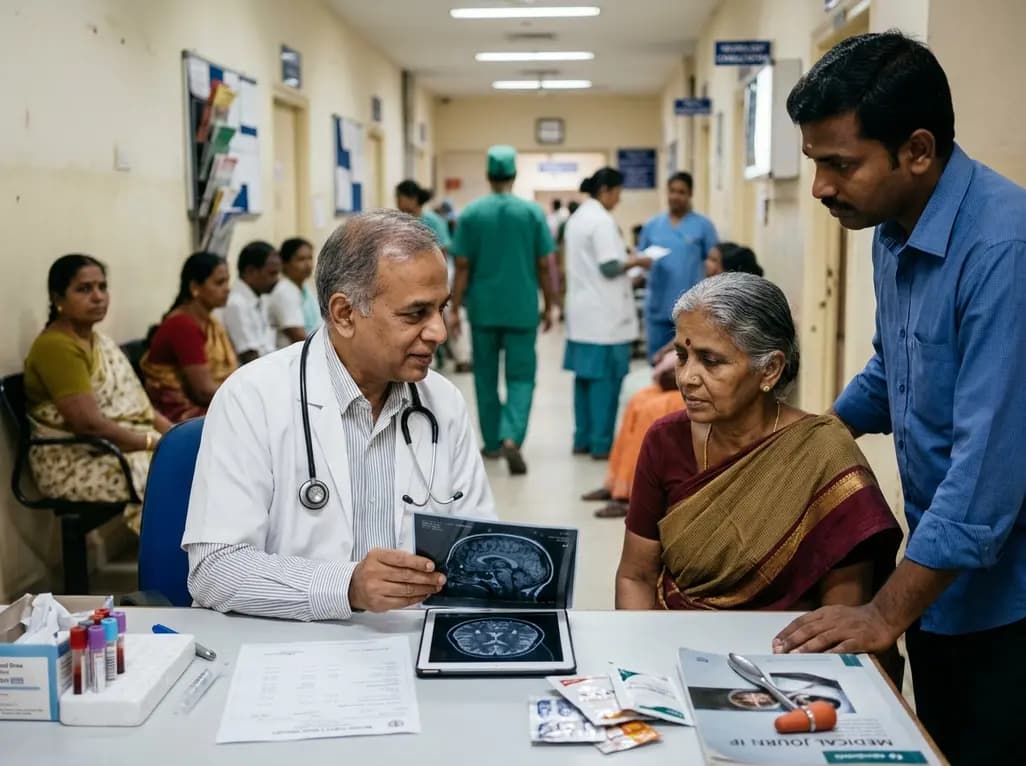
A longitudinal study reveals that an adverse plasma lipid burden score correlates with poorer baseline cognition and accelerated decline across degenerative dementias, demonstrating the strongest effect in dementia with Lewy bodies compared to Parkinson's disease dementia and Alzheimer's disease.
Today
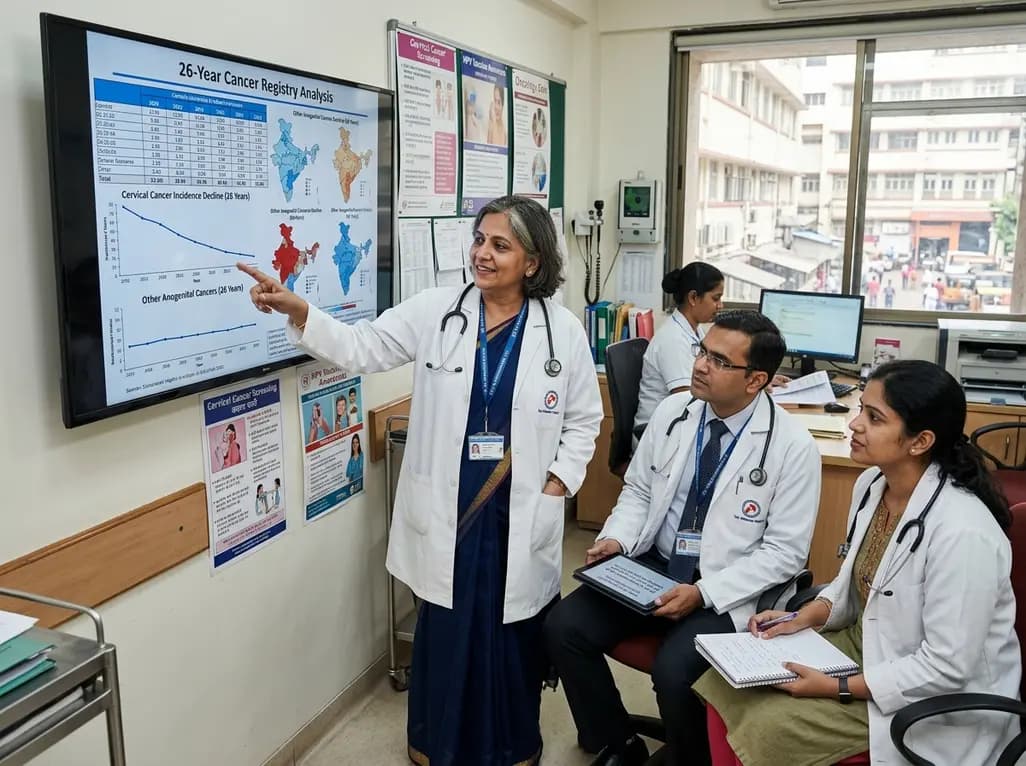
A comprehensive 26-year cancer registry analysis reveals significant declines in cervical cancer incidence alongside stable rates of non-cervical anogenital malignancies. These epidemiologic findings provide critical insights for expanding HPV vaccination, diagnostic vigilance, and preventative oncology care.
Today
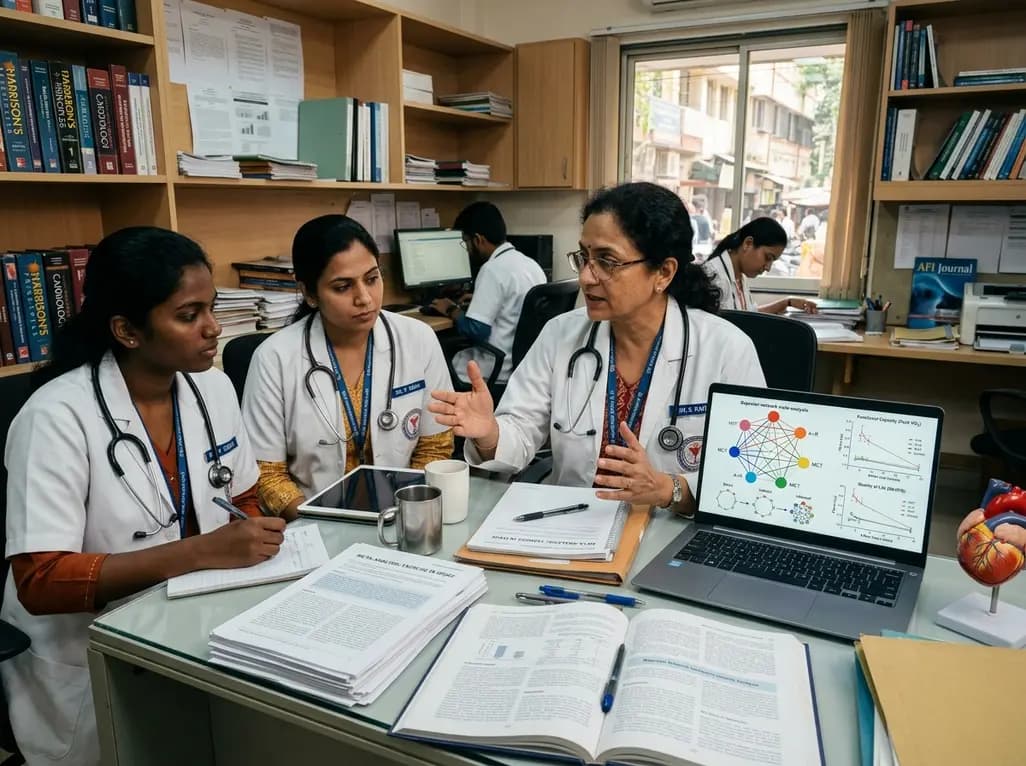
A Bayesian network meta-analysis evaluates exercise training in HFpEF, demonstrating that combined aerobic and resistance training, HIIT, and moderate continuous training significantly enhance peak VO2, while functional electrical stimulation uniquely improves quality of life without altering cardiac remodeling.
Today
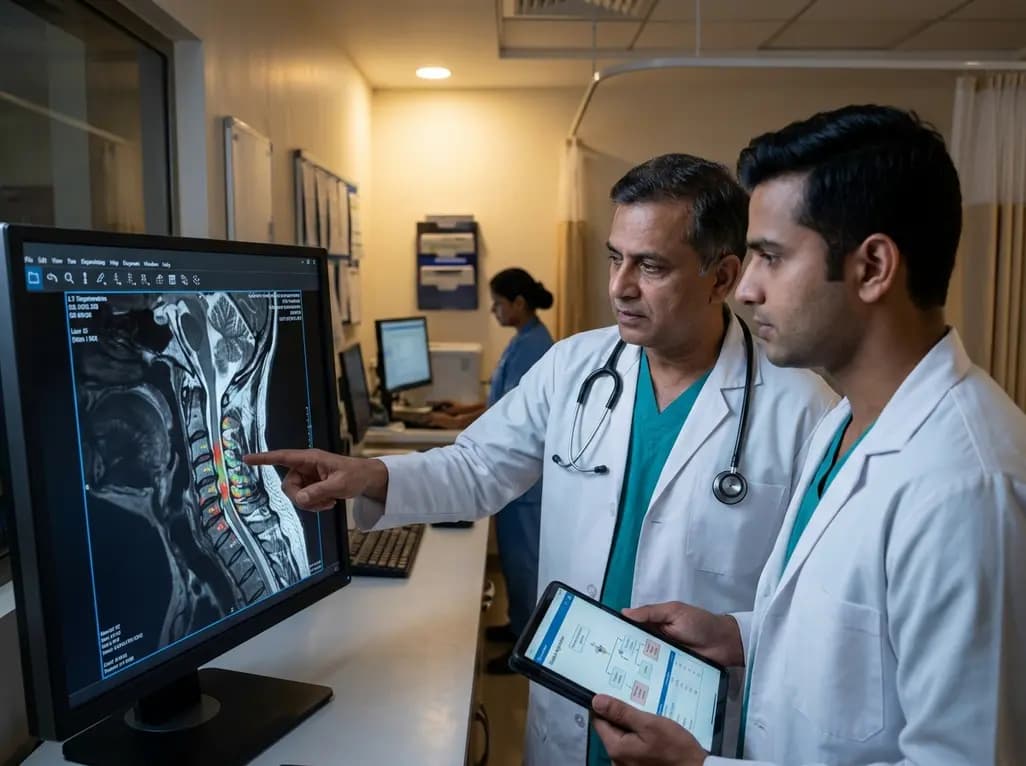
Cervi-AI achieves expert-level agreement in evaluating cervical spinal stenosis and spinal cord compression on MRI, while its automated imaging metrics reliably predict anterior versus posterior surgical approaches in multilevel degenerative cervical myelopathy.
Today

Hormonal shifts throughout puberty, menstruation, fertility treatments, pregnancy, and menopause cause profound glucose excursions in women with diabetes. Understanding these endocrine transitions and utilizing advanced continuous glucose monitoring enables clinicians to optimize personalized diabetes care.
Today
