.webp&w=384&q=75)

Loading, please wait...
Loading, please wait...
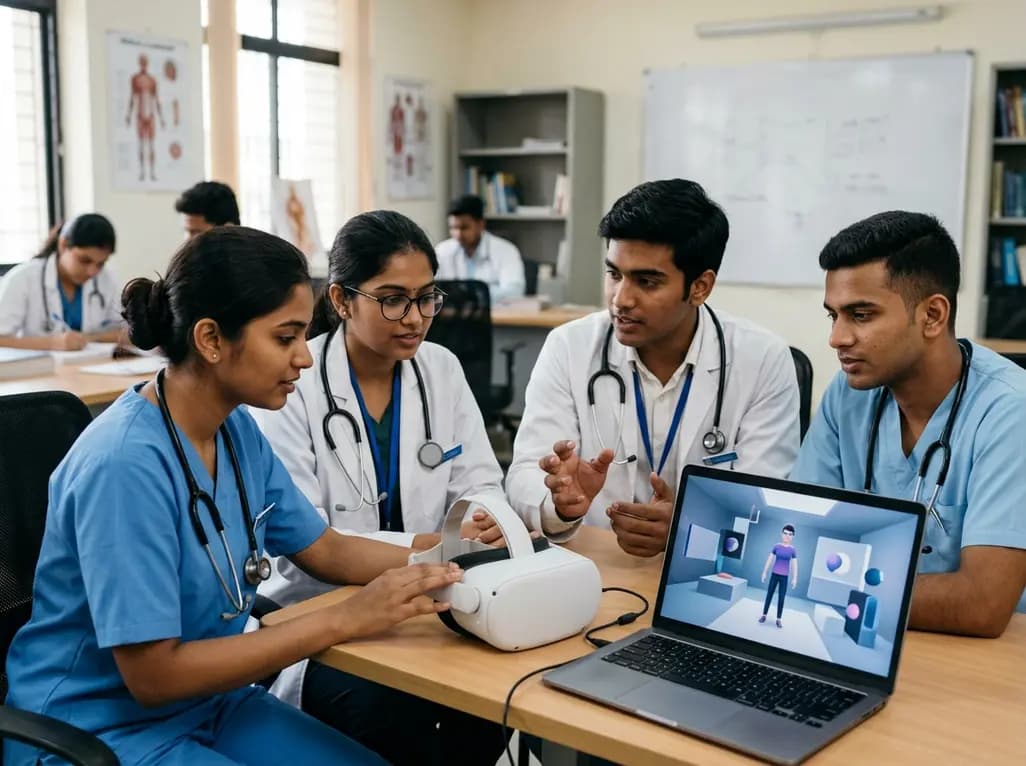
The integration of virtual environments has accelerated rapidly, positioning the metaverse in healthcare education as an influential pedagogical model. Modern academic institutions continually seek immersive simulation tools to bridge theoretical concepts and clinical competencies. However, institutional success depends substantially on how learners perceive and accept these virtual interfaces. A large cross-sectional study recently evaluated how prior digital experience influences student readiness across distinct health disciplines. By surveying over thirteen hundred Korean medical, nursing, and dental students, researchers identified key variables governing technology acceptance. Consequently, understanding these behavioral dynamics allows educators to tailor digital curricula effectively.
Virtual and augmented environments offer unprecedented opportunities to replicate clinical scenarios safely. Medical educators frequently employ these virtual spaces to teach procedural workflows, emergency triage protocols, and interprofessional communication skills. Nevertheless, student engagement within digital environments is rarely uniform across distinct healthcare faculties. Learners bring diverse baseline fluencies, professional expectations, and learning objectives to the simulation lab. Therefore, institutional stakeholders must evaluate how specific student populations perceive virtual modalities before deploying extensive curricula.
The Technology Acceptance Model explains that perceived usefulness and perceived ease of use drive adoption intentions. When students view digital tools as intuitive and educationally beneficial, their willingness to embrace virtual instruction increases substantially. Conversely, technical difficulties or ambiguous objectives foster instructional skepticism. Recent evidence confirms that digital familiarity significantly shapes these cognitive appraisals. Educational planners must therefore assess baseline digital literacy across departments to ensure seamless curricular integration.
The investigation by Lee and colleagues evaluated 1,329 health professions students to identify the primary predictors of metaverse attitudes. The investigators evaluated three core dimensions: perceived usefulness, perceived ease of use, and user attitude. Utilizing hierarchical regression modeling, the authors analyzed how previous digital experiences shaped learner receptivity. The analysis revealed that prior digital technology use experience and positive acceptance perceptions were the strongest positive predictors of perceived usefulness (beta = 0.441) and perceived ease of use (beta = 0.447).
Furthermore, digital experience negatively predicted user attitude scores (beta = -0.116), indicating that higher familiarity directly reduced negative sentiments and operational apprehensions. Students with extensive digital exposure demonstrated superior confidence navigating complex virtual platforms. In contrast, inexperienced learners frequently reported hesitation regarding virtual simulation fidelity. Consequently, technological proficiency acts as a critical catalyst for pedagogical success, highlighting the need for structured digital onboarding.
A pivotal finding from the research centers on notable differences observed among professional tracks. Nursing students demonstrated significantly higher perceived usefulness and perceived ease of use compared to medical and dental peers. Nursing education heavily emphasizes holistic patient communication, bedside procedures, and standardized nursing workflows. These competencies align exceptionally well with avatar-based simulations, enabling nursing trainees to recognize immediate practical value.
In contrast, dental students exhibited significantly higher user attitude scores, reflecting stronger negative perceptions and skepticism. Dental training requires micro-fine motor precision, tactile resistance, and direct haptic interaction with specialized instrumentation. Consequently, dental trainees often view conventional virtual environments as insufficient substitutes for physical phantom-head practice. Medical students occupied an intermediate position, acknowledging conceptual utility while expressing measured reservations. Thus, educators must avoid uniform digital implementation across diverse healthcare disciplines.
To bridge perceptual gaps, institutions must resolve the underlying cognitive and operational barriers that hinder technology adoption. When students encounter unoptimized software, complex navigation, or unstable networks, their perceived ease of use diminishes rapidly. Moreover, inadequate instructional guidance elevates anxiety among students who prioritize tactile learning. Introducing progressive orientation modules can gradually acclimate hesitant learners to virtual environments before high-stakes assessments.
Faculty development is equally vital for successful technology adoption. Instructors who comfortably manage digital tools can effectively demonstrate practical value, thereby elevating perceived usefulness among skeptical cohorts. Furthermore, developers should incorporate haptic-enhanced devices for dental and surgical trainees to address concerns regarding tactile realism. By mitigating technical friction and contextualizing digital exercises, educators can transform learner apprehension into productive engagement.
Integrating immersive platforms requires deliberate curricular alignment rather than superficial deployment. Academic leaders should design virtual modules that complement existing clinical rotations instead of attempting to replace bedside teaching entirely. Immersive platforms excel at delivering rare emergency scenarios, disaster management drills, and ethical communication training where patient safety prohibits real-time experimentation. Highlighting these clear advantages encourages student buy-in across all specialties.
Additionally, interprofessional education represents an ideal application for shared virtual spaces. Medical, nursing, and dental students can collaborate simultaneously within simulated hospital wards to practice crisis resource management. This collective exposure reinforces team-based skills while fostering shared digital fluency. When learners witness tangible improvements in clinical decision-making, their appreciation for virtual education grows significantly, ensuring long-term pedagogical sustainability.
As virtual reality hardware and artificial intelligence evolve, the realism and educational utility of clinical simulations will expand dramatically. Future systems will likely incorporate dynamic virtual standardized patients capable of realistic conversational interaction. However, technological sophistication alone cannot guarantee pedagogical effectiveness. Academic institutions must establish rigorous evaluation frameworks to verify whether virtual training translates into measurable clinical competence.
Furthermore, leadership must ensure equitable access to high-performance computing hardware and dedicated simulation facilities. Preventing technological disparities ensures consistent educational opportunities across all student cohorts. Longitudinal studies should also examine how virtual simulation influences post-graduate clinical performance and lifelong professional development. By combining sound educational theory with learner-centered digital strategies, health professions education can successfully harness the full potential of immersive technology.
Prior digital experience significantly enhances student confidence and familiarity with complex virtual interfaces. Research indicates that frequent digital technology use directly increases perceived usefulness and perceived ease of use while reducing operational anxiety and negative user attitudes. Consequently, learners with greater digital literacy adapt more smoothly to immersive simulation platforms, whereas inexperienced students require structured orientation to achieve similar levels of engagement and instructional benefit.
Nursing curricula heavily incorporate scenario-based learning, patient communication, and procedural protocols that translate effectively into virtual environments. Conversely, dental education relies heavily on micro-fine manual dexterity, haptic resistance, and precise tactile feedback. Because standard virtual platforms may lack physical tactile fidelity, dental students often express greater skepticism and concern regarding the educational equivalence of metaverse-based simulations compared to physical clinical practice.
Medical faculties should implement tailored, discipline-specific simulation modules rather than applying uniform digital platforms across all departments. Providing foundational digital literacy training, upgrading simulation hardware with haptic feedback, and training faculty mentors are crucial initial steps. Additionally, embedding virtual scenarios into collaborative interprofessional drills demonstrates immediate educational utility, helping skeptical learners recognize practical value and improving overall institutional acceptance.
Disclaimer: This content is for informational and educational purposes only. It is not intended to be a substitute for professional medical advice, diagnosis, or treatment. Always seek the advice of your physician or other qualified health provider with any questions you may have regarding a medical condition. Never disregard professional medical advice or delay in seeking it because of something you have read here. Refer to the latest local and national guidelines for clinical practice.
References

Read summarized clinical updates, watch expert medical content, and earn CME certifications right from your smartphone.
Open your smartphone camera to scan and install.





A study of 1,329 health professions students reveals that prior digital experience strongly predicts positive metaverse attitudes, with nursing students demonstrating the highest acceptance and dental students expressing greater concern.
last month
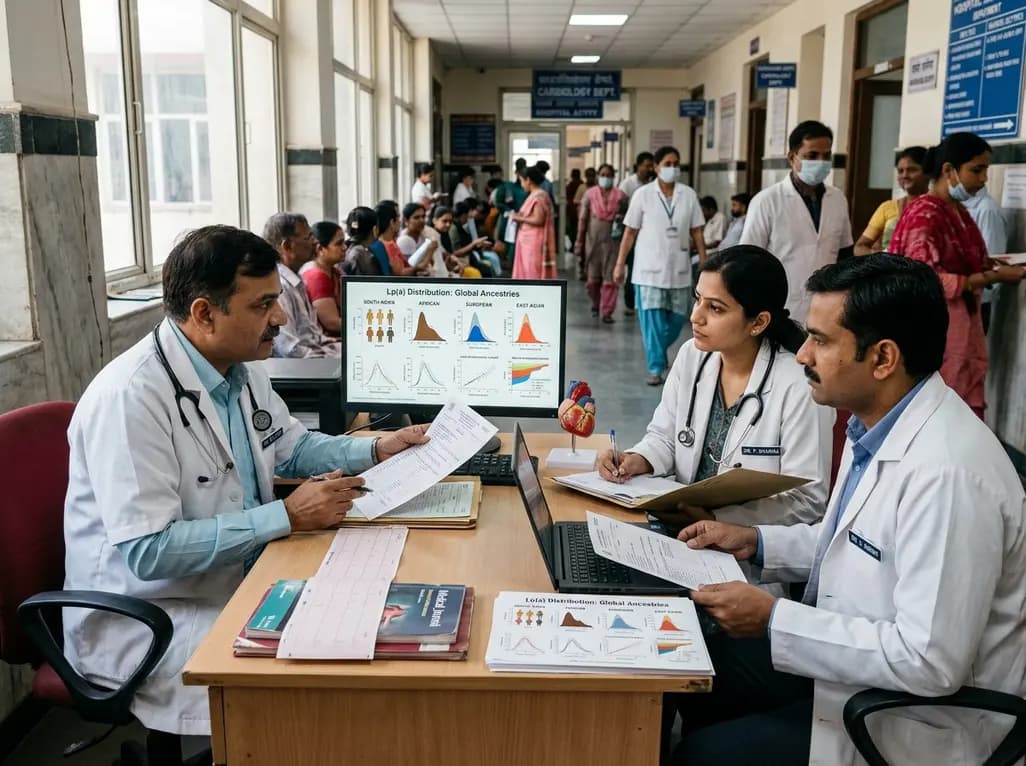
Atherosclerotic cardiovascular disease guidelines often rely on European-derived lipoprotein(a) cutoffs. However, baseline Lp(a) levels vary widely across ancestries, including South Asians and Africans. Clinicians must interpret Lp(a) values within overall absolute cardiovascular risk.
Today

Maternal anaemia contributes to nearly half of pregnancy-related fatalities across India. To prevent complications, Uttar Pradesh has added single-dose parenteral iron to its essential medicines list. This clinical transition aims to restore haemoglobin rapidly and protect high-risk mothers across rural facilities.
Yesterday
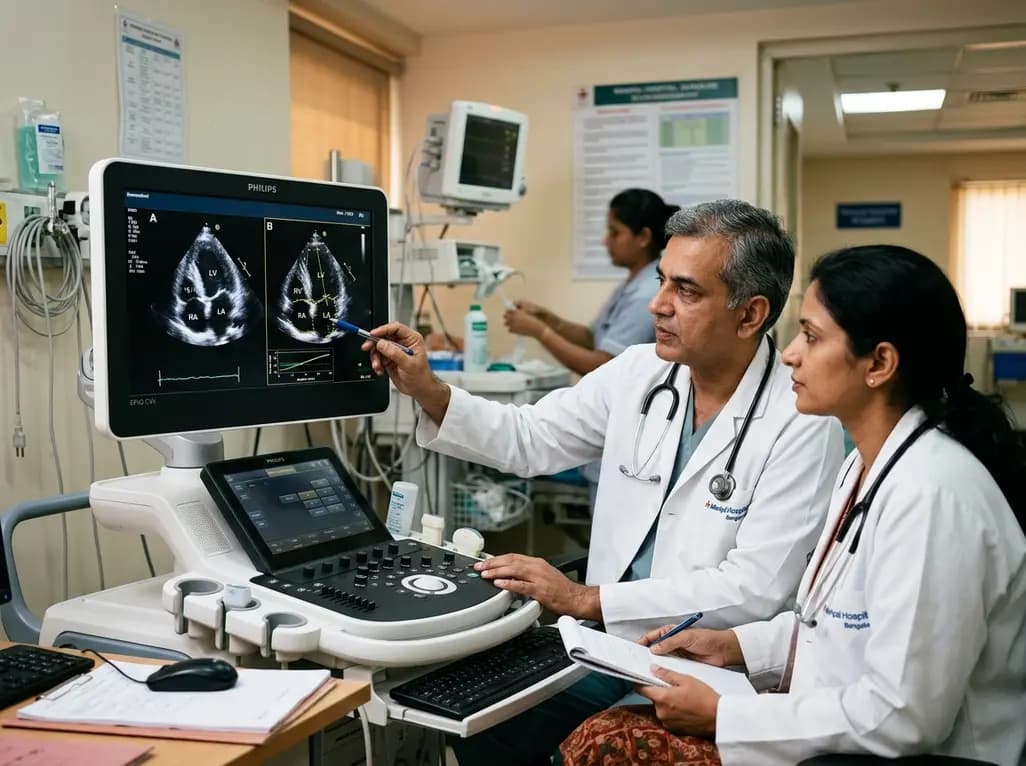
A multi-expert study shows pairwise deep learning accurately assesses echocardiographic rotational alignment in apical four-chamber views, outperforming pointwise regression. This technique improves automated image quality control and standardizes functional cardiac assessment.
Today

A longitudinal study of 1,055 chronic low back pain patients reveals that higher patient activation fosters constructive pain medication attitudes, reduces disability, and decreases short- and long-term opioid use through collaborative, multimodal care.
Today
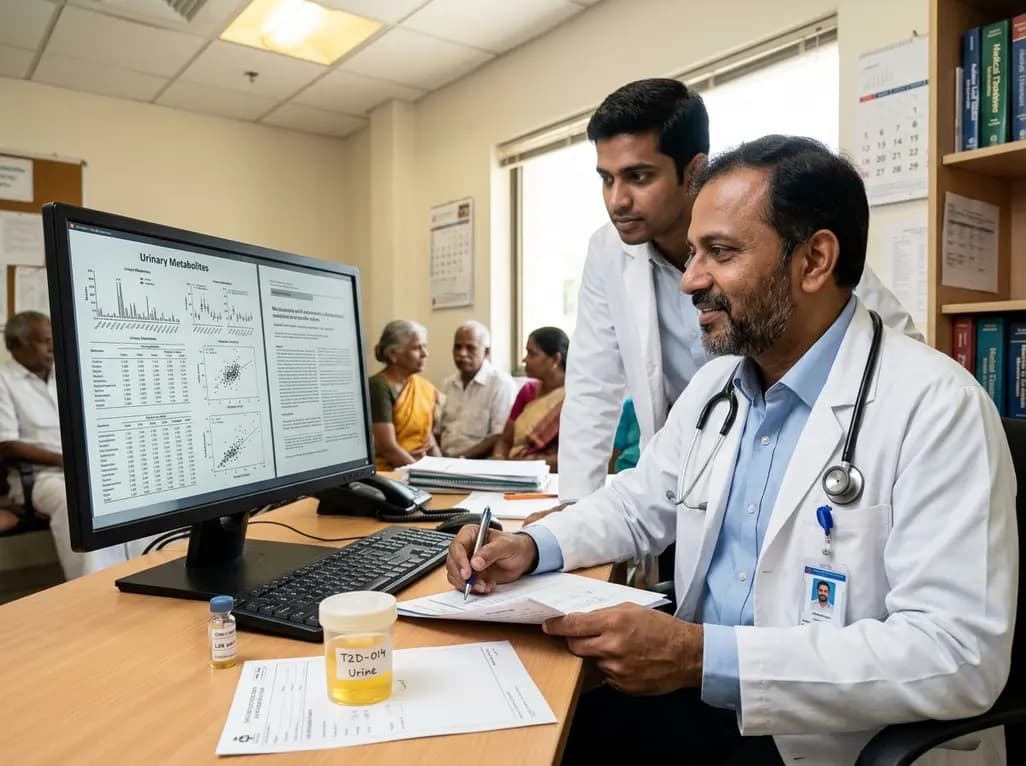
A landmark cross-sectional study in Asian adults with type 2 diabetes identifies novel urinary metabolites linked to mild cognitive impairment. Elevated urinary sucrose and altered metabolites highlight non-invasive pathways for early cognitive risk stratification and targeted metabolic management.
Yesterday
