.webp&w=384&q=75)

Loading, please wait...
Loading, please wait...

India currently faces a silent lifestyle disease crisis that threatens millions of citizens. Recent data shows that more than one in three individuals exhibit early metabolic health risks. Consequently, many adults are developing markers for heart disease and obesity before clinical symptoms even appear. This report highlights the invisible burden of non-communicable diseases across the nation. Therefore, medical professionals must emphasize early detection to prevent a future healthcare catastrophe.
The ekincare report analyzed over four lakh health check-ups between 2023 and 2025. Specifically, it found that 31.7% of Indians have abnormal cholesterol levels. This elevation indicates a significant cardiovascular risk for the general population. Furthermore, nearly one-third of individuals are at high risk for diabetes based on HbA1c levels. Healthcare providers should monitor these indicators more vigilantly than ever before. Additionally, obesity markers now affect one in three individuals, further complicating the clinical landscape.
Geographic trends reveal striking differences in health profiles across various Indian states. For instance, Andhra Pradesh recorded a staggering 56.9% diabetes risk, which is nearly double the national average. Meanwhile, vitamin deficiency is most severe in Rajasthan at 43.9%, followed by Karnataka. Furthermore, Haryana and Karnataka reported the highest cardiovascular risks in the country. These regional variations suggest that local lifestyle factors and diets play a massive role in metabolic health outcomes. Specifically, nutritional gaps like iron and vitamin deficiencies remain widespread.
Preventive healthcare is no longer optional for the Indian population. Organ stress is increasing, as evidenced by abnormal liver, thyroid, and kidney markers. Therefore, regular monitoring and early screening are essential to prevent long-term complications. If we prioritize lifestyle management now, we can mitigate the growing burden of chronic diseases effectively. Employers and policymakers must collaborate to make health screenings more accessible to everyone. Early intervention remains the most effective tool against this silent crisis.
Q1: What are the most common early metabolic health risks in Indians?
The most common markers include abnormal cholesterol levels, high HbA1c, fasting blood sugar elevations, and significant vitamin deficiencies. These often appear before clinical symptoms of disease manifest.
Q2: Which Indian states show the highest risk for diabetes and cardiovascular issues?
According to the report, Andhra Pradesh has the highest diabetes risk at 56.9%. Haryana and Karnataka reported the highest levels of cholesterol and cardiovascular risk at 34.9% and 33.7% respectively.
Disclaimer: This content is for informational and educational purposes only. It does not constitute medical advice or replace professional judgment. Refer to the latest local and national guidelines for clinical practice.
References

Read summarized clinical updates, watch expert medical content, and earn CME certifications right from your smartphone.
Open your smartphone camera to scan and install.





A new report reveals over 36% of Indians show early markers for heart disease, diabetes, and obesity, emphasizing the need for preventive care....
5 months ago
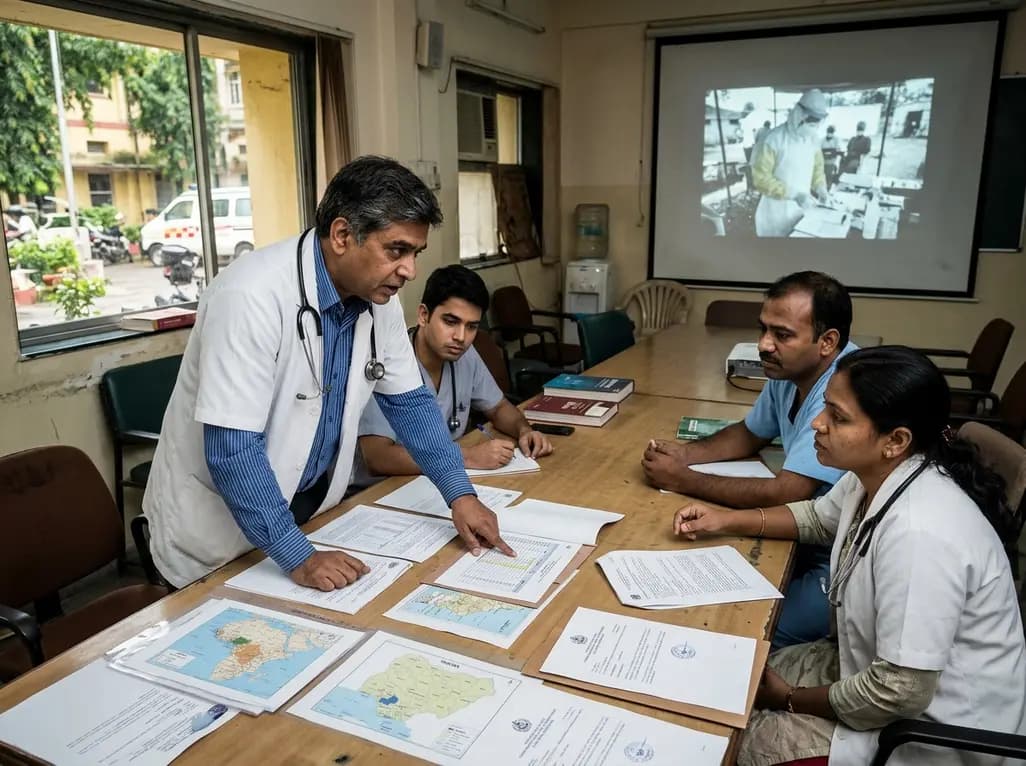
Following Nigeria's first recorded Ebola case linked to regional travel, the Africa CDC has convened an emergency ministerial summit. This alert underscores critical clinical priorities for healthcare professionals, including differentiating early viral infection from malaria, implementing barrier nursing, and triage.
Today

Leucine Rich Bio has introduced South Asia's first comprehensive vaginal microbiome test, BugSpeaks. By profiling microbial dysbiosis, pathogens, and antimicrobial resistance, this next-generation diagnostic platform provides clinicians with deeper insights into recurrent infections, fertility, and reproductive health.
Today

Review how tailored exercise programs benefit frail older patients with heart failure. Explore pathophysiological mechanisms, individualized training prescriptions, and strategies to overcome adherence barriers in clinical practice.
Today

This comparative study evaluates posterior labral tears with and without glenohumeral instability, highlighting distinct demographic patterns, MRI underestimation in stable shoulders, and successful arthroscopic repair outcomes.
Today

A clinical study demonstrates that early intervention with tocilizumab, either as monotherapy or bridged with corticosteroids, achieves significant proptosis reduction and resolves active inflammation in treatment-naive thyroid eye disease.
Today
