

Loading, please wait...
Loading, please wait...

Clinicians and surgical pathologists face severe diagnostic hurdles when managing high-grade bladder cancer due to aggressive invasiveness and rapid progression. Although standard histopathology differentiates non-muscle-invasive from muscle-invasive urothelial disease, underlying metabolic heterogeneity frequently confounds prognosis. A breakthrough multi-omics investigation has now characterized the distinct biochemical wiring of high-grade bladder cancer using routine archival specimens. By integrating proteomic and untargeted metabolomic platforms, investigators discovered a marked dichotomy: advanced tumors accelerate de novo nucleotide synthesis while dismantling energy-buffering reserves. These findings provide fresh molecular biomarkers and uncover promising therapeutic targets.
Bladder urothelial carcinoma presents stark biological disparities across histologic grades. While low-grade tumors typically remain indolent, high-grade bladder cancer exhibits extensive invasiveness, frequent recurrence, and early metastatic dissemination. Tumor cells must remodel cellular metabolism to sustain viability within hypoxic, nutrient-scarce microenvironments. Consequently, aggressive urothelial carcinoma cells prioritize biosynthetic pathways that provide abundant molecular precursors rather than standard bioenergetic yield.
Earlier investigations primarily described generalized aerobic glycolysis across urinary neoplasms. However, detailed multi-omic functional profiling of clinical specimens remained scarce. High-throughput proteomic profiling now demonstrates that high-grade lesions significantly alter more than two thousand proteins across metabolic networks. Rather than exhibiting disorganized metabolic changes, aggressive tumors selectively fine-tune nutrient-scavenging and synthesis cascades. This metabolic plasticity protects malignant clones against nutrient deprivation and cytotoxic treatments. Understanding these rewired cascades enables clinicians to detect early aggressive phenotypes and identify druggable vulnerabilities before lethal dissemination occurs.
Comprehensive proteomic and metabolomic analyses traditionally demanded snap-frozen surgical tissue to prevent biomolecular degradation. Unfortunately, routine clinical workflows rely almost exclusively on formalin-fixed, paraffin-embedded (FFPE) tissue preservation. Formalin fixation induces substantial protein cross-linking and metabolite alteration, which long created formidable technical barriers for high-throughput mass spectrometry.
Recent technological developments effectively overcome these historical obstacles. By pairing data-independent acquisition mass spectrometry with sensitive untargeted metabolomics, researchers extracted robust, reproducible datasets from archival FFPE specimens. The discovery cohort evaluated fifty-six patients, comparing twenty-seven low-grade and twenty-nine high-grade tumors. Furthermore, investigators validated key protein alterations in an independent cohort of sixty patients through standardized immunohistochemistry.
This technical success holds immense promise for clinical oncology. Pathology departments globally maintain millions of well-annotated FFPE blocks connected to complete patient treatment histories. Accessing these archives bypasses the lengthy collection cycles required for fresh-frozen samples. Consequently, translational researchers can rapidly validate novel diagnostic signatures using diverse, real-world patient cohorts.
Rapidly multiplying cancer cells require substantial quantities of purine and pyrimidine nucleotides. The integrated multi-omics dataset revealed that high-grade tumors aggressively boost de novo nucleotide synthesis to fuel uncontrolled replication. Central to this anabolic drive is the prominent upregulation of phosphoglycerate dehydrogenase (PHGDH), the rate-limiting enzyme governing de novo serine synthesis.
PHGDH diverts the glycolytic intermediate 3-phosphoglycerate into serine and glycine production. Subsequently, these amino acids feed one-carbon metabolism, generating essential methyl groups and folate intermediates for nucleotide assembly. Furthermore, serine catabolism bolsters intracellular glutathione pools, shielding malignant cells against chemotherapy-induced reactive oxygen species. Immunohistochemical staining confirmed marked PHGDH overexpression in high-grade urothelial specimens compared to low-grade tumors.
Therapeutically, elevated PHGDH represents a compelling target for small-molecule inhibitors. Preclinical studies indicate that blocking PHGDH impedes nucleotide production and sensitizes bladder cancer cells to cisplatin-based chemotherapy. Incorporating PHGDH immunohistochemistry into routine pathology evaluation could also help clinicians stratify borderline non-muscle-invasive tumors into high-risk progression groups.
While high-grade urothelial carcinomas accelerate anabolic nucleotide synthesis, they simultaneously experience an unexpected breakdown of cellular energy buffering systems. Untargeted metabolomic analysis documented a marked depletion of creatine and creatinine within high-grade tumor tissue compared to low-grade counterparts.
In normal muscular and urothelial tissues, the creatine-phosphagen system operates as a vital temporal energy capacitor. Phosphocreatine rapidly transfers high-energy phosphate groups to adenosine diphosphate, regenerating adenosine triphosphate during sudden metabolic surges. However, high-grade bladder tumors appear to dispense with this physiological reserve mechanism entirely.
This metabolic collapse suggests that aggressive malignant cells intentionally redirect precursor amino acids away from creatine biosynthesis to fuel biomass expansion. Specifically, cells divert glycine and arginine toward nucleotide and polyamine pathways to maintain rapid proliferation. Consequently, high-grade tumors function under persistent bioenergetic tension without their traditional buffering system. This fundamental metabolic vulnerability could render aggressive urothelial cancers uniquely sensitive to therapeutic agents that disturb mitochondrial respiration or glucose metabolism.
The investigation of creatine metabolism revealed a striking paradox surrounding guanidinoacetate N-methyltransferase (GAMT). GAMT catalyzes the terminal reaction in creatine synthesis by transferring a methyl group to guanidinoacetate. Proteomic mass spectrometry and metabolomic profiling demonstrated pronounced GAMT downregulation alongside decreased creatine in high-grade lesions.
Intriguingly, immunohistochemical validation in an independent patient cohort demonstrated robust, persistent GAMT immunoreactive accumulation within high-grade tumor cells. Rather than reflecting experimental error, this multi-omics discordance suggests that GAMT undergoes post-translational modification, truncation, or subcellular sequestration that disrupts catalytic function. Additionally, accumulated GAMT may exert non-canonical moonlighting roles that promote tumor growth independently of enzymatic activity.
These findings offer valuable translational opportunities for urologists and oncologists. Combining PHGDH inhibition with metabolic stress-inducing agents could exploit the tumor's depleted energy buffer. Furthermore, the GAMT paradox highlights the necessity of multi-omics evaluation in biomarker discovery, proving that immunohistochemical protein detection alone cannot fully capture enzymatic activity in advanced cancer.
PHGDH serves as the rate-limiting enzyme in the de novo serine synthesis pathway, diverting glycolytic intermediates into serine and glycine production. In high-grade bladder cancer, tumor cells markedly upregulate PHGDH to fuel one-carbon metabolism, generate purine and pyrimidine nucleotides, and synthesize glutathione. Consequently, this anabolic enzyme accelerates malignant cellular proliferation while protecting aggressive tumor cells from oxidative stress and chemotherapy-induced cell death.
High-grade bladder tumors suppress the creatine-phosphagen energy buffer to redirect vital cellular resources toward rapid biomass accumulation. By scaling down the enzymatic synthesis and storage of creatine and phosphocreatine, aggressive malignant cells liberate essential amino acid precursors, such as glycine and arginine. These diverted building blocks directly support nucleotide and polyamine biosynthesis. Consequently, the tumor sustains uncontrolled expansion, even though it sacrifices physiological energy buffering reserves.
The GAMT paradox reveals that high immunohistochemical protein expression does not necessarily reflect active metabolic catalysis. In high-grade tumors, abundant GAMT protein accumulates while actual creatine levels remain deeply depleted. Therefore, diagnostic workflows cannot rely on single-parameter protein stains alone. Instead, clinical scientists must integrate functional metabolomics, isoform characterization, and pathway analysis to assess real tumor activity accurately before selecting enzyme-targeted clinical interventions.
Disclaimer: This content is for informational and educational purposes only and should not be construed as medical advice or used to guide patient management. Refer to the latest local and national guidelines for clinical practice.
References

Read summarized clinical updates, watch expert medical content, and earn CME certifications right from your smartphone.
Open your smartphone camera to scan and install.





A multi-omics study on archival FFPE tissues uncovers key metabolic hallmarks of high-grade bladder cancer, including PHGDH-driven serine synthesis upregulation and a collapsed creatine-phosphagen energy buffer, offering novel biomarker and therapeutic avenues.
Today

This methodological viewpoint establishes ten rules to constrain noise and enhance precision across image scoring, database handling, and data analysis in rheumatology research.
Today

A study in JAMIA Open shows lightweight open-source reasoning LLMs achieve up to 95% sensitivity and accelerate evidence synthesis screening by nearly twentyfold, presenting a cost-effective, scalable AI solution for biomedical research and systematic reviews.
Yesterday
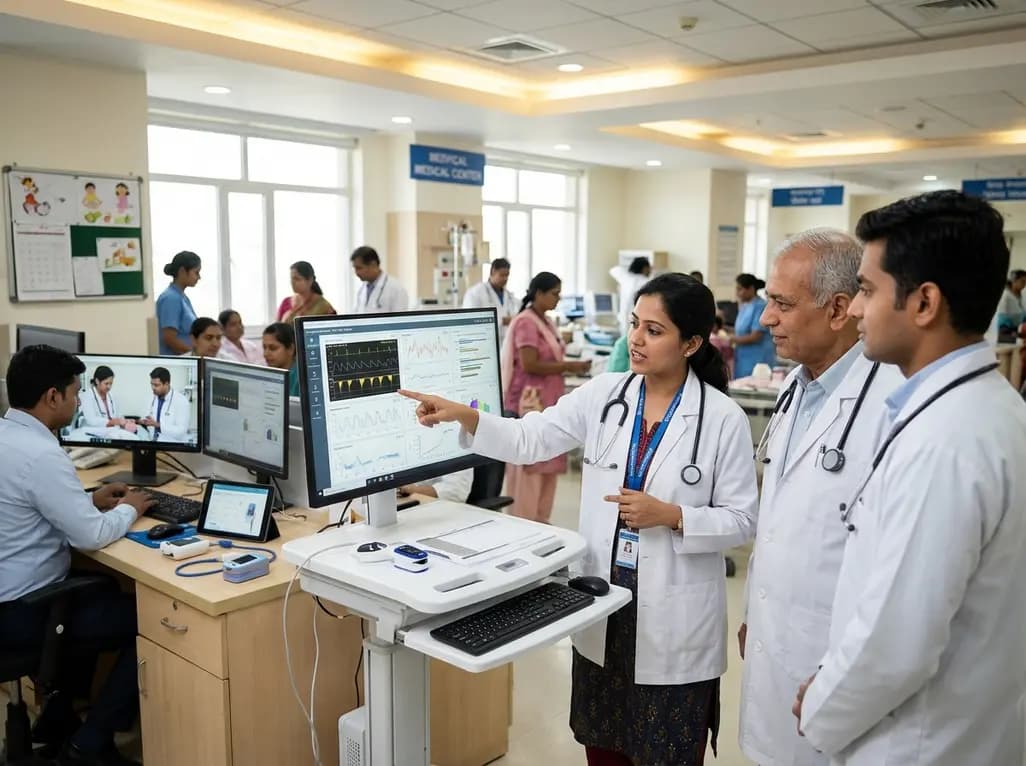
A landmark study details how an enterprise pediatric remote patient management model expanded from a single cardiology pilot to 16 diverse specialty programs by combining centralized digital operations with specialty clinical leadership.
Yesterday
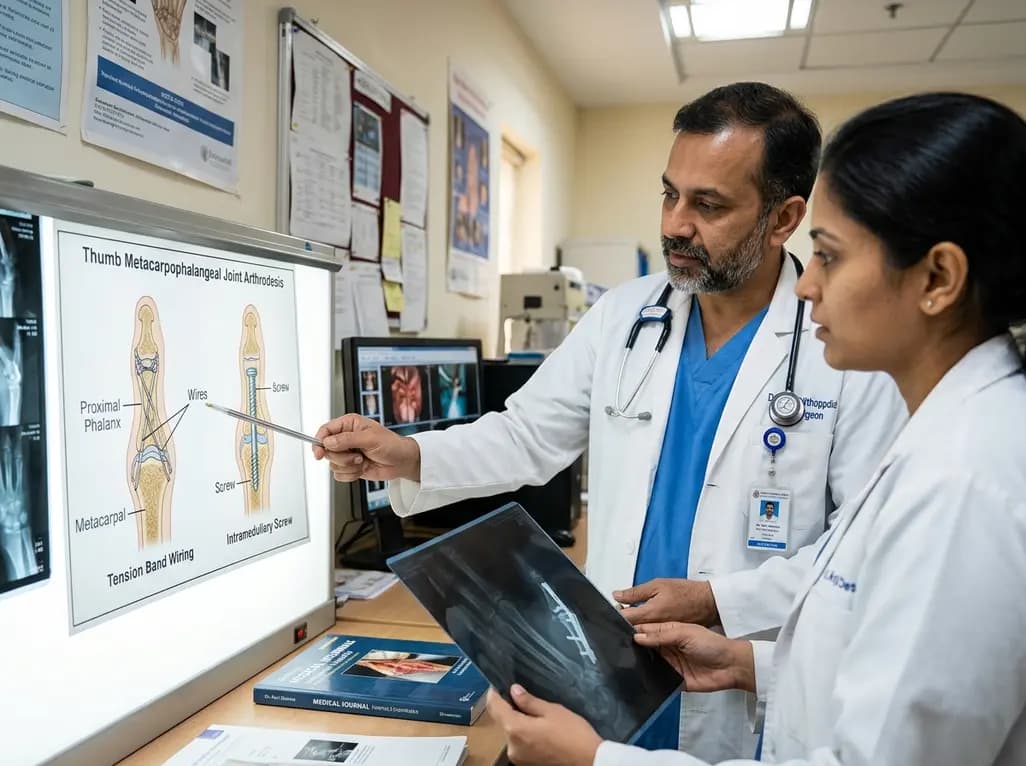
A comparative review of tension band wiring and intramedullary screw fixation in thumb metacarpophalangeal arthrodesis, evaluating union rates, hardware complications, and clinical outcomes.
Yesterday

A nationwide observational study from Norway investigates whether SGLT2 inhibitor therapy improves 5-year metabolic parameters in kidney transplant recipients with post-transplantation diabetes mellitus (PTDM), finding comparable glycemic, renal, and blood pressure profiles between user and non-user cohorts.
Today
