

Loading, please wait...
Loading, please wait...

Modern precision oncology increasingly relies on epigenetic profiling to classify complex tumors and discover novel diagnostic biomarkers. Consequently, DNA methylation array analysis has become an indispensable methodology across tertiary pathology laboratories and specialized oncology centers. Epigenetic alterations, especially aberrant cytosine methylation patterns across promoter CpG islands, directly modulate transcriptional repression and tumor suppressor silencing. In routine neuropathology and soft-tissue diagnostics, traditional histopathological evaluation often fails to capture the intricate molecular heterogeneity of challenging neoplasms. Therefore, genome-wide methylation profiling provides objective molecular taxonomy that refines diagnostic precision. Moreover, robust epigenetic subtyping frequently clarifies ambiguous histological findings, guiding targeted therapies and improving risk stratification for cancer patients. Leading cancer centers now utilize array-based profiling to distinguish distinct subclasses of medulloblastoma, diffuse gliomas, and undifferentiated sarcomas. As epigenetic assays expand into routine clinical workflows, standardized processing pipelines remain crucial for ensuring reliable diagnostic conclusions. Furthermore, recent molecular classification guidelines, such as the World Health Organization classification of central nervous system tumors, officially integrate methylome signatures into definitive diagnostic criteria. Consequently, clinical oncologists require reproducible analytic platforms to interpret high-dimensional epigenomic datasets quickly. Reliable data processing transforms raw signal intensities into actionable clinical insights that directly influence patient care pathways.
Despite the recognized clinical value of epigenetic profiling, routine implementation of methylation microarrays poses substantial operational challenges. Historically, researchers and laboratory scientists required complex bioinformatics workflows to handle large-scale array architectures. Standard processing of Infinium HumanMethylation450K, EPIC, and EPIC v2 platforms requires multiple independent statistical packages written in the R programming language. As a result, molecular pathologists often face steep learning curves, software dependency conflicts, and reproducibility issues when executing bespoke terminal commands. Furthermore, raw data formats, including two-color channel IDAT intensity files, demand rigorous background correction, dye-bias equalization, and probe filtering before downstream biological interpretation. Without automated processing pipelines, laboratories risk introducing batch effects and analytical discrepancies across distinct cohorts. In addition, routine translational workflows require rapid turnaround times to inform multidisciplinary tumor board decisions. When pathologists lack specialized bioinformaticians, data interpretation often experiences significant delays. Thus, the oncology community urgently needed unified, accessible platforms that bridge the gap between complex computational biology and clinical practice. Simplifying array pipelines empowers pathologists to perform robust secondary analyses independently. Consequently, containerized graphical applications offer a transformative solution by packaging all necessary dependencies into an easily deployable, self-contained computational environment.
To resolve computational bottlenecks, researchers introduced Met4All, an open-source, containerized application designed specifically for comprehensive DNA methylation array analysis. Met4All runs as a Dockerized Shiny application, encapsulating the entire analytical environment within an isolated software container. Consequently, users eliminate operating system incompatibilities, library version mismatches, and complex environment configurations. The software supports diverse assay iterations, processing raw data from Infinium 450K, EPIC, and the latest EPIC v2 BeadChips seamlessly. In addition, the platform offers remarkable input flexibility by accommodating both raw IDAT files and precalculated beta-value matrices. This dual-input capability allows researchers either to conduct full end-to-end preprocessing or to import previously curated datasets directly for downstream evaluation. Met4All automates vital quality-control checkpoints, including probe detection p-value filtering, sample cross-contamination checks, and signal intensity evaluations. Furthermore, the application integrates established normalisation algorithms to correct technical variations across physical chips. In a systematic evaluation against nine representative bioinformatics tools, Met4All was the only framework satisfying all seventeen assessed evaluation criteria within a single graphical interface. Thus, it empowers researchers to generate publication-grade visualizations and standardized tabular summaries effortlessly. Consequently, pathologists can inspect array quality and evaluate normalisation effects before proceeding to statistical comparisons.
Beyond standard preprocessing, Met4All incorporates robust algorithms for unsupervised pattern recognition and high-resolution tumor subtyping. Specifically, the framework leverages dimensionality reduction techniques, including multi-dimensional scaling, principal component analysis, and uniform manifold approximation and projection. These algorithms distill thousands of epigenetic variables into readily interpretable, low-dimensional spatial mappings. Furthermore, the software employs graph-based community detection alongside consensus clustering to uncover authentic molecular subclasses without introducing investigator bias. Unlike supervised classification algorithms that fit data into predefined categories, unsupervised exploration allows clinicians to identify novel pathological entities and rare tumor variants. Additionally, Met4All features dedicated modules for two-group differential methylation analysis, pinpointing significant locus-specific changes across distinct patient cohorts. To elucidate biological mechanisms, the tool couples differential methylation findings with automated gene-set enrichment testing. This automated pipeline reveals disrupted functional pathways, oncogenic cascades, and potential therapeutic vulnerabilities. Notably, Met4All also infers genome-wide copy-number variations directly from microarray probe intensity data. Consequently, pathologists can detect significant chromosomal amplifications or deletions simultaneously, obtaining multi-layered genomic insights from a single clinical biopsy specimen. Therefore, laboratories consolidate two critical molecular assays into one standardized procedure, conserving scarce clinical tissue. As a result, diagnostic teams obtain comprehensive epigenetic and structural genomic signatures within a unified analytical session.
Translational research centers and hospital laboratories require standardized computational tools that operate reliably across diverse hardware configurations. Met4All addresses this requirement through lightweight Docker containerization, allowing seamless deployment on local workstations, institutional servers, or secure cloud environments. Consequently, clinical laboratories can run comprehensive analyses locally, safeguarding sensitive patient genomic information and complying with institutional data governance policies. Moreover, the graphical user interface eliminates the necessity for specialized command-line scripting, enabling pathologists and oncologists to interact directly with high-dimensional datasets. Clinicians can filter outlier samples, adjust statistical thresholds, and evaluate consensus heatmaps with minimal operational friction. In addition, all visual outputs, including publication-ready volcano plots, copy-number profiles, and clustering dendrograms, export directly into high-resolution formats. By streamlining complex computational biology into an intuitive visual platform, Met4All bridges the operational gap between benchtop molecular profiling and diagnostic decision-making. Looking forward, accessible bioinformatics tools will democratize epigenomic diagnostics in emerging healthcare ecosystems like India, where cancer centers increasingly adopt high-throughput profiling. Furthermore, local deployment ensures that academic institutions maintain analytical autonomy while preserving complete data reproducibility across multi-center oncology trials. Ultimately, standardized analytical frameworks will accelerate biomarker validation and transform complex epigenetic discoveries into personalized clinical oncology interventions.
Met4All integrates end-to-end DNA methylation workflows into a unified graphical interface, eliminating the need for complex command-line scripts. It provides automated quality control, normalisation, dimensionality reduction, unsupervised clustering, and copy-number variation analysis within a single Docker container. Furthermore, it supports multiple Illumina array formats and accepts either raw IDAT files or precomputed beta matrices, ensuring high computational reproducibility and accessibility for molecular pathology laboratories.
Met4All comprehensively supports data generated from Illumina Infinium HumanMethylation450K, MethylationEPIC, and the newest EPIC v2 BeadChip platforms. Molecular researchers can upload raw two-channel IDAT files for complete preprocessing or input normalised beta-value matrices directly for downstream analysis. In addition, the tool automatically handles differences in probe chemistry and platform annotations. This broad compatibility allows clinicians to cross-compare historical research cohorts with modern diagnostic samples without requiring specialized bioinformatic conversion scripts.
Rather than relying on pre-trained supervised classifiers that assign samples into predefined categories, Met4All uses unsupervised learning algorithms. Specifically, it employs uniform manifold approximation and projection combined with graph-based community detection and consensus clustering. These mathematical approaches reveal intrinsic epigenetic patterns and sample clusters driven purely by biological variation. Consequently, pathologists can discover unrecognized molecular subgroups, delineate novel disease variants, and avoid potential classification errors caused by rigid model-based assumptions.
Disclaimer: This content is for informational and educational purposes only... Refer to the latest local and national guidelines for clinical practice.
References

Read summarized clinical updates, watch expert medical content, and earn CME certifications right from your smartphone.
Open your smartphone camera to scan and install.





Met4All is a dockerised Shiny application designed for DNA methylation array analysis. It integrates automated quality control, normalisation, dimensionality reduction, and unsupervised clustering across Infinium platforms to support clinical research and molecular tumor classification.
Today
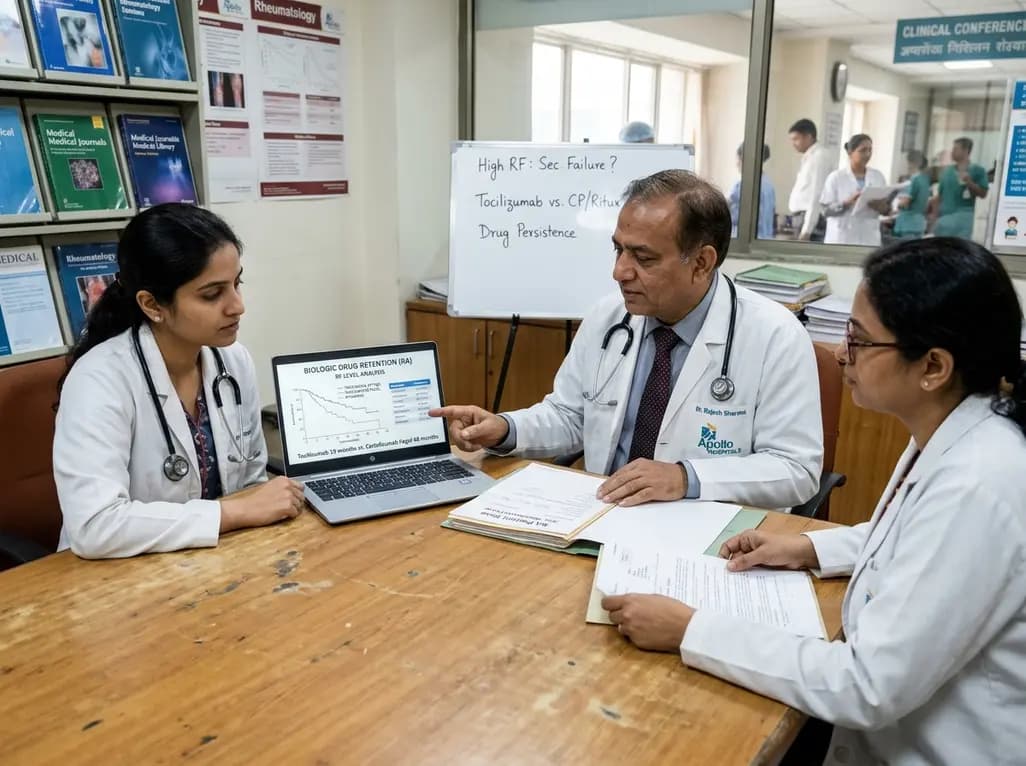
A multicentre study reveals that high baseline rheumatoid factor (>203 IU/mL) independently predicts secondary failure and shorter retention for tocilizumab, but not for certolizumab pegol or rituximab, informing personalized biologic selection in rheumatoid arthritis.
Today
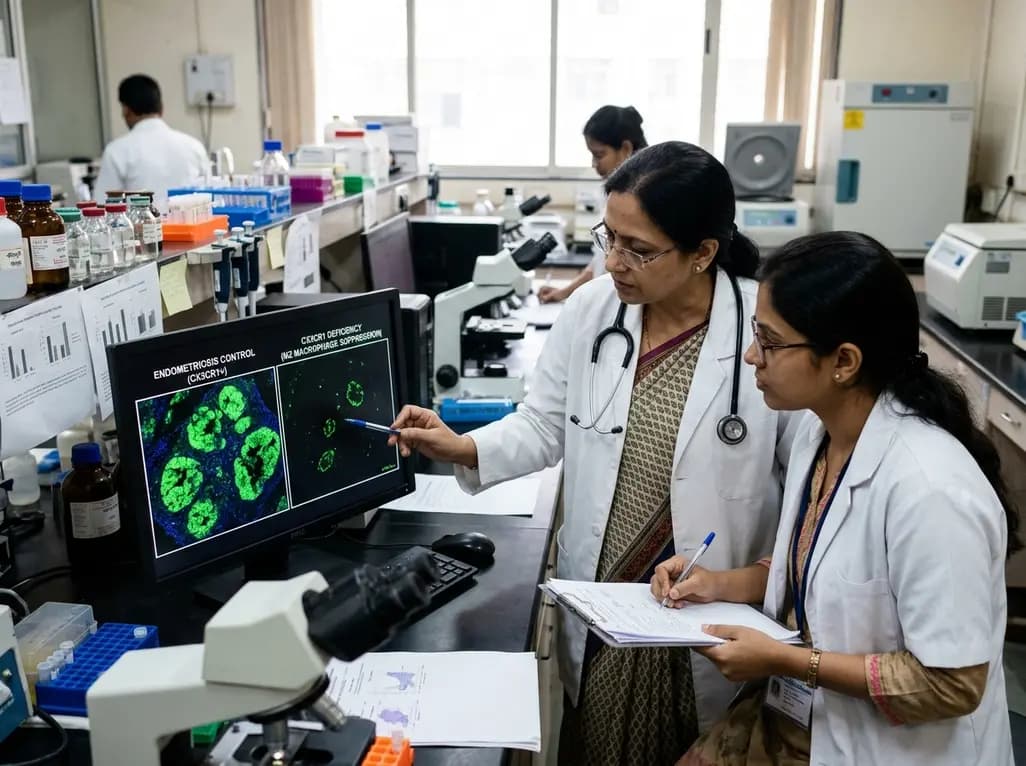
Groundbreaking experimental research demonstrates that CX3CR1 deficiency significantly attenuates endometriotic lesion growth by suppressing pro-repair M2 macrophage polarization. This discovery identifies the CX3CL1-CX3CR1 chemokine axis as a promising non-hormonal target for managing chronic endometriosis.
Today
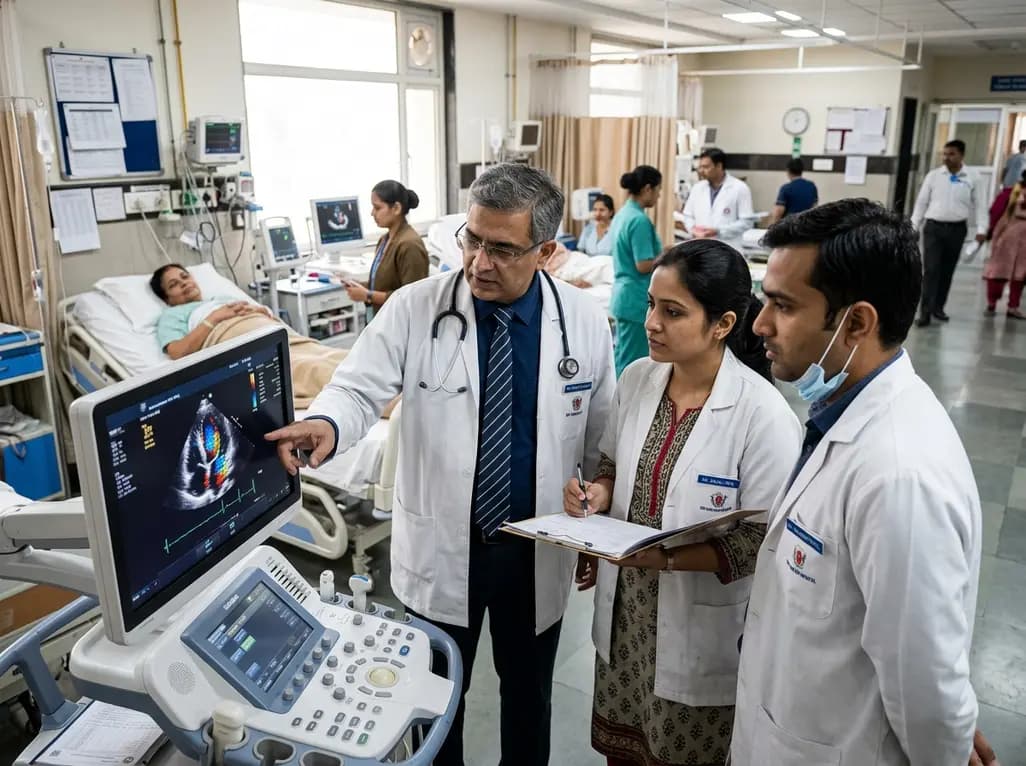
Mayo Clinic trials and real-world datasets show GLP-1 receptor agonists improve left ventricular remodeling, reduce intracardiac filling pressures, decrease hospitalizations by 34%, and lower geriatric fall risks in patients with obesity and heart failure, delivering notable clinical and economic benefits.
Today
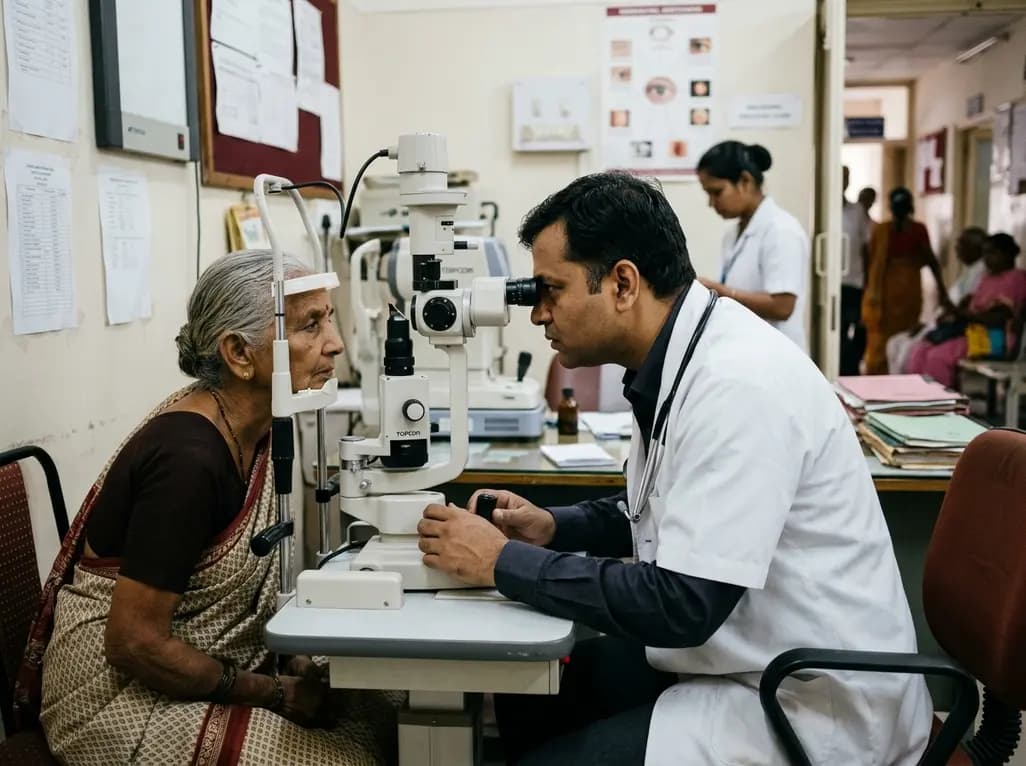
A meta-analysis of 19 studies reveals that 69% of ophthalmologists suffer from work-related musculoskeletal disorders. Slit lamps, microscopes, and high surgical loads cause severe cervical and lumbar strain, underscoring the urgent need for ergonomic workstations, micro-breaks, and institutional reforms.
Today

An analysis of 1,000 posts by macro- and mega-influencers on Instagram and TikTok revealed that 78.5% contained nutrition misinformation, while only 24% of creators held valid credentials. This article examines the clinical risks of viral dietary fads and provides actionable guidance for healthcare professionals.
Today
