.webp&w=384&q=75)

Loading, please wait...
Loading, please wait...

Systemic sclerosis presents significant clinical hurdles for physicians worldwide. Consequently, conventional pharmacotherapies frequently fail to reverse established tissue fibrosis or halt progressive vascular injury. Emerging research highlights mesenchymal stromal cell therapy as a groundbreaking regenerative strategy for refractory scleroderma. These multipotent cells deliver profound antifibrotic and immunomodulatory effects across inflamed microenvironments. Therefore, clinicians increasingly view cellular therapeutics as a promising avenue for halting systemic disease progression.
In systemic sclerosis, pathological immune activation triggers relentless collagen deposition. Specifically, uncontrolled fibroblast activity stiffens cutaneous structures and impairs vital organ microvasculature. Mesenchymal progenitors possess unique paracrine capabilities that directly counteract these destructive pathways. Furthermore, these cells secrete regulatory cytokines and bioactive extracellular vesicles that alter immune effector behavior. As a result, therapeutic stem cell infusion now offers genuine disease-modifying potential rather than merely palliative symptom suppression. Indian clinicians managing aggressive autoimmune cohorts observe these advances with great enthusiasm. Ultimately, deciphering the exact cellular targets will help optimize patient selection and treatment protocols. Indeed, ongoing investigations continue to reveal critical interactions between stromal cells and host immune networks, paving the way for targeted cellular interventions.
Prospective clinical evaluations demonstrate substantial therapeutic benefits following stromal cell administration. Most notably, treated patients experience profound reductions in cutaneous thickness and dermal tightening. Investigators evaluate these skin changes through the modified Rodnan skin score. In recent cohort assessments, patients achieved a median skin score decrease of 7.0 points. This marked reduction highlights meaningful functional recovery across afflicted cutaneous zones. Consequently, patients report restored hand mobility, reduced joint pain, and enhanced quality of daily living.
Furthermore, standard immunosuppressive agents rarely achieve such rapid dermal softening without causing broad systemic toxicity. Traditional cyclophosphamide regimens carry serious risks of cytopenias, infections, and gonadal dysfunction. In contrast, stromal cell infusions demonstrate favorable tolerability and minimal adverse events during follow-up. Patients with severe diffuse cutaneous disease especially gain substantial relief from debilitating skin stiffness. Moreover, serial evaluations show sustained improvement over extended observational windows. Clinicians therefore observe stabilization across peripheral vascular and cutaneous domains. Thus, prospective trials confirm that cellular therapies deliver both physical relief and tangible disease remission. Accordingly, these clinical outcomes provide compelling evidence supporting cellular intervention in refractory scleroderma cohorts.
To uncover the molecular mechanisms driving clinical success, investigators harnessed comprehensive multi-omic technologies. Researchers combined high-throughput proteomics and metabolomics with bulk and single-cell RNA sequencing. By contrasting patient peripheral blood mononuclear cells with healthy control cohorts, scientists identified baseline molecular anomalies. Pathological signatures revealed pervasive inflammatory dysregulation and metabolic disturbances before therapy. Specifically, systemic sclerosis patients displayed aberrant intracellular signaling cascades that fueled chronic tissue inflammation and progressive microvascular damage.
However, cellular therapy dramatically shifted these anomalous profiles toward healthy homeostatic states. Proteomic profiling demonstrated marked downregulation of circulating proinflammatory mediators following infusion. Concurrently, paired metabolomic analysis showed normalization of perturbed amino acid and lipid metabolism. Single-cell transcriptomics subsequently isolated distinct leukocyte populations undergoing rapid phenotypic changes. In particular, the data revealed that stromal cells do not act indiscriminately across all immune lineages. Instead, they selectively orchestrate regulatory programs within defined antigen-presenting cells. Therefore, multi-omic integration provides unprecedented clarity regarding stromal cell actions. Accordingly, this high-resolution roadmap validates cellular therapy as a targeted immunoregulatory intervention. Furthermore, these findings establish robust biomarker panels that can assist physicians in monitoring biological response during treatment.
The single-cell sequencing results identified type 2 conventional dendritic cells as principal mediators of therapeutic recovery. In untreated scleroderma, these specialized myeloid cells maintain a hyperactive immunogenic state. Consequently, they fuel profibrotic cytokine production and trigger aberrant helper T cell polarization. Mesenchymal stromal cells directly reprogram the intracellular metabolism of these dendritic cells. Specifically, the infusion suppresses excessive glycolytic flux and restores mitochondrial oxidative phosphorylation. This metabolic recalibration transforms reactive dendritic cells into a tolerogenic, regulatory phenotype.
Furthermore, reprogrammed dendritic cells cease releasing inflammatory signals that drive fibroblast activation. Instead, they promote immune tolerance and suppress pathological autoantibody production. In vitro co-culture experiments verify that stromal cells transfer metabolic intermediates to rescue exhausted or dysregulated dendritic cells. As a direct consequence, the entire downstream inflammatory cascade subsides. Dermal fibroblasts subsequently downregulate collagen synthesis and extracellular matrix deposition. This critical discovery links cellular metabolism directly to autoimmune fibrogenesis. Therefore, therapeutic reprogramming of dendritic cell metabolism represents a groundbreaking mechanistic paradigm in clinical rheumatology. Moreover, this phenotypic switch halts progressive vascular narrowing and preserves tissue architecture in vulnerable organs.
Systemic sclerosis imposes a profound clinical and financial burden on patients across India. Epidemiological studies indicate that Indian patients often present with severe diffuse cutaneous involvement at younger ages. Furthermore, rapidly progressive disease frequently leads to early digital ulcers, joint contractures, and debilitating interstitial lung involvement. Standard therapy relies heavily on non-selective cytotoxic agents such as intravenous cyclophosphamide or oral mycophenolate mofetil. Unfortunately, these aggressive medications often yield incomplete responses and cause significant opportunistic infections in regional healthcare environments.
In this context, cellular therapies offer an innovative approach to refractory autoimmune disorders. Mesenchymal stromal cells provide targeted immunomodulation without requiring harsh myeloablative conditioning. Consequently, frail patients who cannot tolerate intensive chemotherapy may benefit substantially from targeted cellular infusions. Additionally, understanding immunometabolic reprogramming helps Indian rheumatologists monitor biomarker shifts during therapy. Standardizing good manufacturing practice facilities across India will expand safe access to cellular biotechnology. Therefore, well-designed domestic trials will prove essential for translating these cellular mechanisms into routine clinical care. Moreover, establishing clear treatment guidelines and multi-disciplinary care pathways ensures optimal long-term outcomes for patients with aggressive disease.
Mesenchymal stromal cell therapy alleviates systemic sclerosis primarily by driving immunometabolic reprogramming in type 2 conventional dendritic cells. The infused cells effectively suppress excessive glycolysis and restore oxidative phosphorylation within these antigen-presenting cells. Consequently, this metabolic shift converts hyperactive, proinflammatory dendritic cells into tolerogenic regulators. As a direct result, downstream helper T cell activation declines, myofibroblast recruitment ceases, and progressive dermal collagen accumulation reverses significantly.
Standard immunosuppressive drugs like cyclophosphamide and mycophenolate mofetil broadly suppress immune responses, often causing severe cytopenias, organ toxicities, and opportunist infections. In contrast, mesenchymal stromal cells provide targeted immunomodulation without requiring intensive cytotoxic conditioning. Furthermore, stromal cells actively promote tissue repair, stimulate angiogenesis, and reverse fibrosis through paracrine signaling. Therefore, cellular therapy achieves meaningful improvements in skin elasticity while presenting a superior long-term safety profile for vulnerable scleroderma patients.
Implementing cellular therapy in India requires strict adherence to national regulatory guidelines and accredited good manufacturing practice standards. Clinicians must ensure standardized donor screening, certified stem cell processing, and rigorous microbiological testing before infusion. In addition, rheumatologists should carefully select candidates with active, progressive diffuse cutaneous involvement before irreversible fibrotic organ damage occurs. Continuous clinical monitoring, standardized skin scoring, and multi-disciplinary follow-up are critical to maintaining patient safety and optimizing clinical outcomes across Indian centers.
Disclaimer: This content is for informational and educational purposes only... Refer to the latest local and national guidelines for clinical practice.
References

Read summarized clinical updates, watch expert medical content, and earn CME certifications right from your smartphone.
Open your smartphone camera to scan and install.





A landmark study demonstrates that mesenchymal stromal cell therapy halts systemic sclerosis progression by immunometabolically reprogramming type 2 conventional dendritic cells, providing significant clinical relief from cutaneous fibrosis.
Today

A ten-year cohort study of ABU case logs reveals that URPS fellowship training significantly drives higher annual case volumes, advanced surgical complexity, and increased female representation in pelvic floor reconstruction, underscoring the vital need for structured subspecialty training.
Today
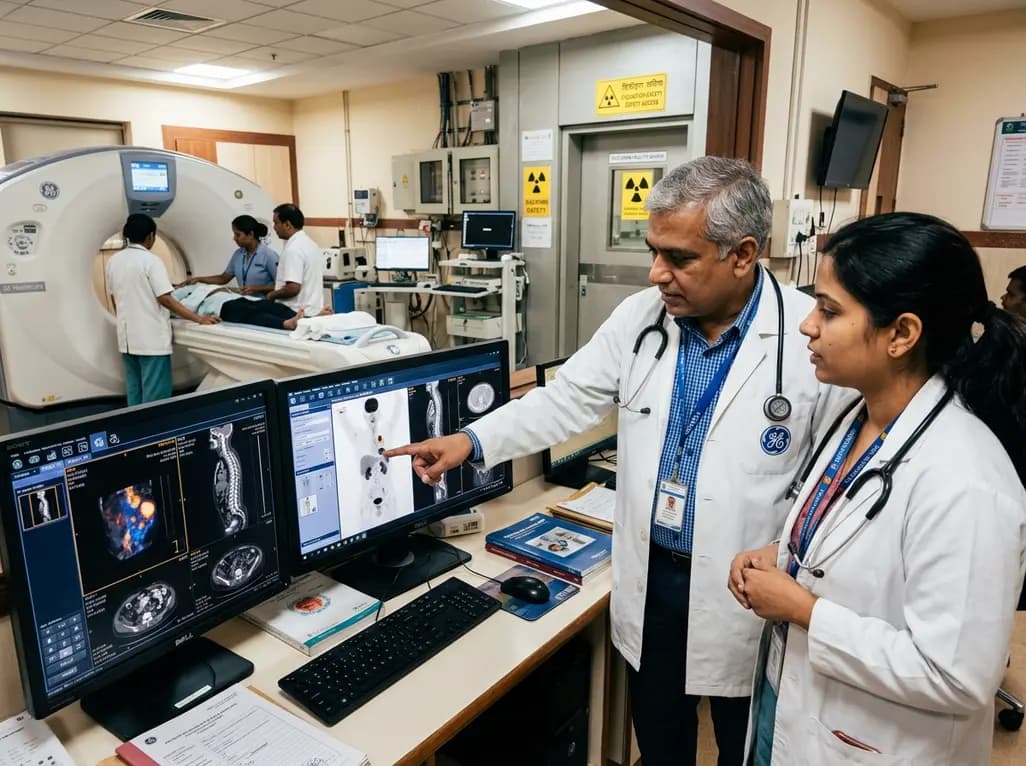
GE HealthCare has agreed to acquire Sofie Biosciences in a 945 million dollar all-cash transaction. The deal secures global rights to the investigational pan-cancer tracer FAPI-74 and expands cyclotron manufacturing infrastructure to accelerate precision theranostics and clinical molecular imaging workflows.
Today

Posttraumatic pisotriquetral instability is a rare wrist injury causing severe hypothenar pain and weakness. Explore clinical examination, imaging, and pisiformectomy.
Today

India's food safety authority has cracked down on high-caffeine beverages sold under stimulant branding, prompting legal challenges from major beverage corporations. This review examines FSSAI regulations, cardiac and metabolic complications, pediatric risks, and actionable counseling strategies for physicians.
Today
