.webp&w=384&q=75)

Loading, please wait...
Loading, please wait...
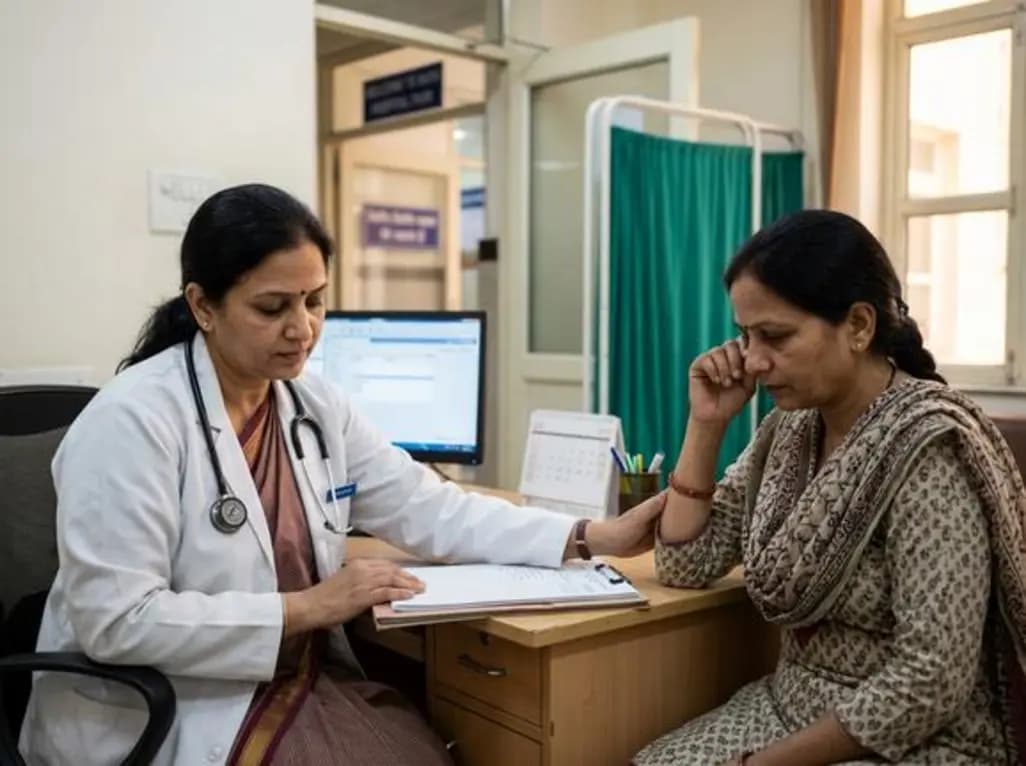
Menopause is a critical phase for the growing cohort of working women in India. A recent study published in the Journal of Occupational and Environmental Medicine reveals that menopause symptoms workplace productivity are intrinsically linked. As the average age of menopause in India is approximately 46 years, many women encounter these changes during their peak career years. Clinicians must understand that these symptoms go beyond physical discomfort; they fundamentally alter professional performance and occupational health.
The research utilized the Job Demands-Resources model to examine how somatic and psychological symptoms affect 144 postmenopausal women. The findings indicate that psychological symptoms, such as anxiety and mood swings, pose a significant threat to work efficiency. Furthermore, somatic symptoms like hot flashes and night sweats contribute to physical fatigue, which indirectly reduces the ability to maintain a high-paced workload. However, the impact varies based on the field of work and the age of the patient, suggesting a need for individualized clinical assessments.
Healthcare providers can play a pivotal role by integrating occupational history into menopausal consultations. Moreover, recommending lifestyle modifications and Menopausal Hormone Therapy (MHT) can help stabilize mood and physical stamina. Additionally, educating patients about workplace accommodations, such as flexible hours or cooler environments, empowers them to manage their symptoms without compromising their professional roles. Therefore, a multi-faceted approach involving both medical intervention and organizational awareness is essential for supporting midlife women in the workforce.
No, the impact varies based on the severity of symptoms and the specific job demands. Research suggests that psychological symptoms often have a more direct negative correlation with work ability than somatic symptoms alone.
Clinicians should offer early diagnosis, symptom-specific treatments like MHT, and advice on lifestyle changes to improve sleep and energy levels during the work week. Supporting mental health is equally vital to maintaining professional output.
Disclaimer: This content is for informational and educational purposes only. It does not constitute professional medical advice, diagnosis, or treatment. Always seek the advice of your physician or other qualified healthcare provider with any questions you may have regarding a medical condition. Refer to the latest local and national guidelines for clinical practice.
References

Read summarized clinical updates, watch expert medical content, and earn CME certifications right from your smartphone.
Open your smartphone camera to scan and install.





A recent study highlights how psychological and somatic menopause symptoms significantly impair work productivity. Learn why clinical intervention and workplace support are essential for maintaining the professional performance and well-being of menopausal women in the workforce.
4 months ago

Review how tailored exercise programs benefit frail older patients with heart failure. Explore pathophysiological mechanisms, individualized training prescriptions, and strategies to overcome adherence barriers in clinical practice.
Today

Leucine Rich Bio has introduced South Asia's first comprehensive vaginal microbiome test, BugSpeaks. By profiling microbial dysbiosis, pathogens, and antimicrobial resistance, this next-generation diagnostic platform provides clinicians with deeper insights into recurrent infections, fertility, and reproductive health.
Today

In high-risk pulmonary embolism complicated by severe anemia and active uterine bleeding, systemic thrombolysis is contraindicated. Large-bore aspiration thrombectomy provides rapid hemodynamic rescue without fibrinolysis, supported by inferior vena cava filter placement and multidisciplinary critical care.
Today

This comparative study evaluates posterior labral tears with and without glenohumeral instability, highlighting distinct demographic patterns, MRI underestimation in stable shoulders, and successful arthroscopic repair outcomes.
Today

A clinical study demonstrates that early intervention with tocilizumab, either as monotherapy or bridged with corticosteroids, achieves significant proptosis reduction and resolves active inflammation in treatment-naive thyroid eye disease.
Today
