.webp&w=384&q=75)

Loading, please wait...
Loading, please wait...
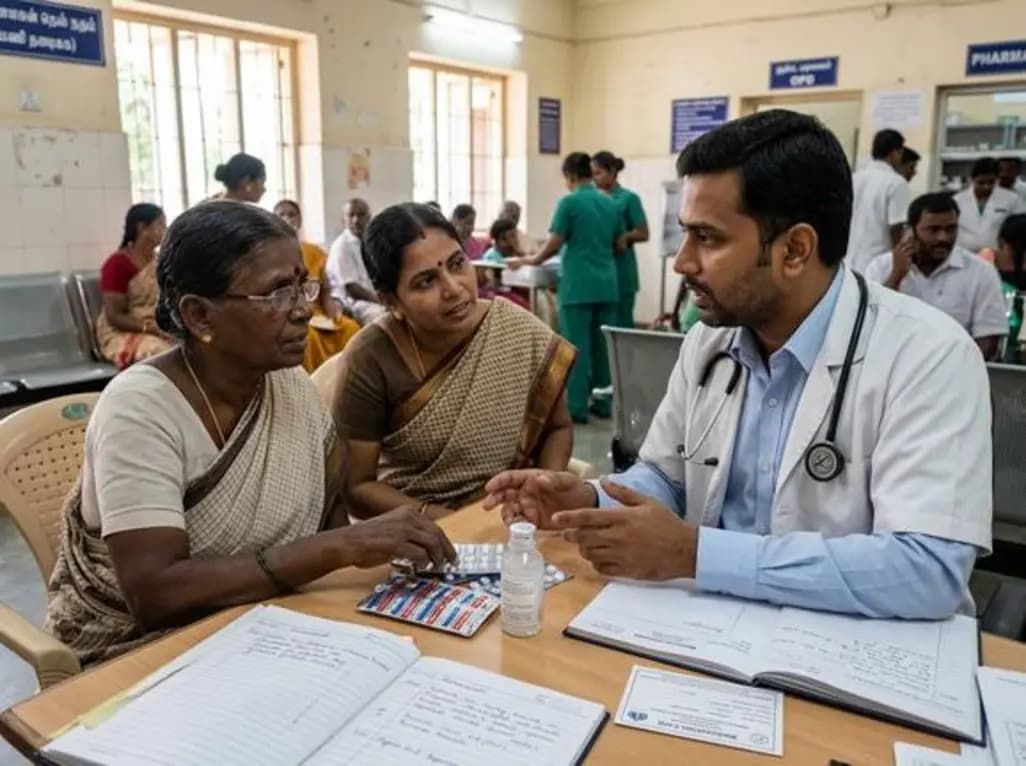
Effective medication management transitions are essential for ensuring the safety of older patients moving between hospital and home settings. Recent research highlights that active engagement from both patients and family members serves as a vital safeguard against medication errors. However, healthcare professionals often face significant challenges in facilitating this communication due to systemic time pressures and complex clinical environments. Consequently, developing robust strategies to foster a partnership-based approach is crucial for improving long-term health outcomes.
Several factors influence how effectively families can communicate during care transitions. Many older adults experience cognitive decline or sensory impairments, which makes self-management difficult. Furthermore, family members often feel overwhelmed by the volume of information provided at discharge. This misalignment between clinical expectations and reality frequently leads to confusion regarding new prescriptions. Therefore, healthcare providers must identify these barriers early to provide tailored support that meets the specific needs of each household.
To optimize medication management transitions, clinicians should adopt high-level engagement interventions. These strategies involve integrating patients into the decision-making process rather than just providing passive information. For instance, using structured communication tools and decision aids can empower caregivers to ask pertinent questions. Moreover, inviting family members to participate in bedside handovers ensures everyone remains on the same page. By fostering an environment of mutual respect, medical teams can significantly reduce the risk of post-discharge adverse events.
Family members act as critical observers who can verify medication histories and monitor for side effects. Their active involvement helps bridge communication gaps between different healthcare providers, ensuring that the patient receives the correct dosages and follows the prescribed regimen accurately.
Common barriers include limited health literacy, time constraints during hospital discharge, and complex medication regimens. Additionally, emotional stress and a lack of clear, written instructions can hinder the ability of patients and families to manage medications safely after leaving the hospital.
Disclaimer: This content is for informational and educational purposes only. It is not intended to be a substitute for professional medical advice, diagnosis, or treatment. Always seek the advice of your physician or other qualified health provider with any questions you may have regarding a medical condition. Refer to the latest local and national guidelines for clinical practice.
References
1. Marconi G et al. Perspectives About Older Adult and Family Member Engagement in Medication Management Across Transitions of Care. J Clin Nurs. 2026 Jun 19. doi: 10.1111/jocn.70405. PMID: 42321972.
2. The Joint Commission. Transitions of Care: Managing medications. Quick Safety Issue 26. 2019.
3. Australian Commission on Safety and Quality in Health Care. Medication Management at Transitions of Care Stewardship Framework. 2025.

Read summarized clinical updates, watch expert medical content, and earn CME certifications right from your smartphone.
Open your smartphone camera to scan and install.





Research highlights the importance of patient and family engagement in medication management during transitions of care. Discover strategies and challenges for healthcare professionals to improve communication and reduce medication errors for older adults.
4 months ago

As monsoon seasons elevate arboviral disease threats, Tamil Nadu has initiated an ICMR-monitored evaluation of the tetravalent dengue vaccine in Tenkasi district. Clinicians emphasize clinical monitoring, public prevention, and high-quality early pediatric care to reduce disease morbidity across endemic regions.
Today

Leucine Rich Bio has introduced South Asia's first comprehensive vaginal microbiome test, BugSpeaks. By profiling microbial dysbiosis, pathogens, and antimicrobial resistance, this next-generation diagnostic platform provides clinicians with deeper insights into recurrent infections, fertility, and reproductive health.
Today

Review how tailored exercise programs benefit frail older patients with heart failure. Explore pathophysiological mechanisms, individualized training prescriptions, and strategies to overcome adherence barriers in clinical practice.
Today

This comparative study evaluates posterior labral tears with and without glenohumeral instability, highlighting distinct demographic patterns, MRI underestimation in stable shoulders, and successful arthroscopic repair outcomes.
Today

A clinical study demonstrates that early intervention with tocilizumab, either as monotherapy or bridged with corticosteroids, achieves significant proptosis reduction and resolves active inflammation in treatment-naive thyroid eye disease.
Today
