

Loading, please wait...
Loading, please wait...
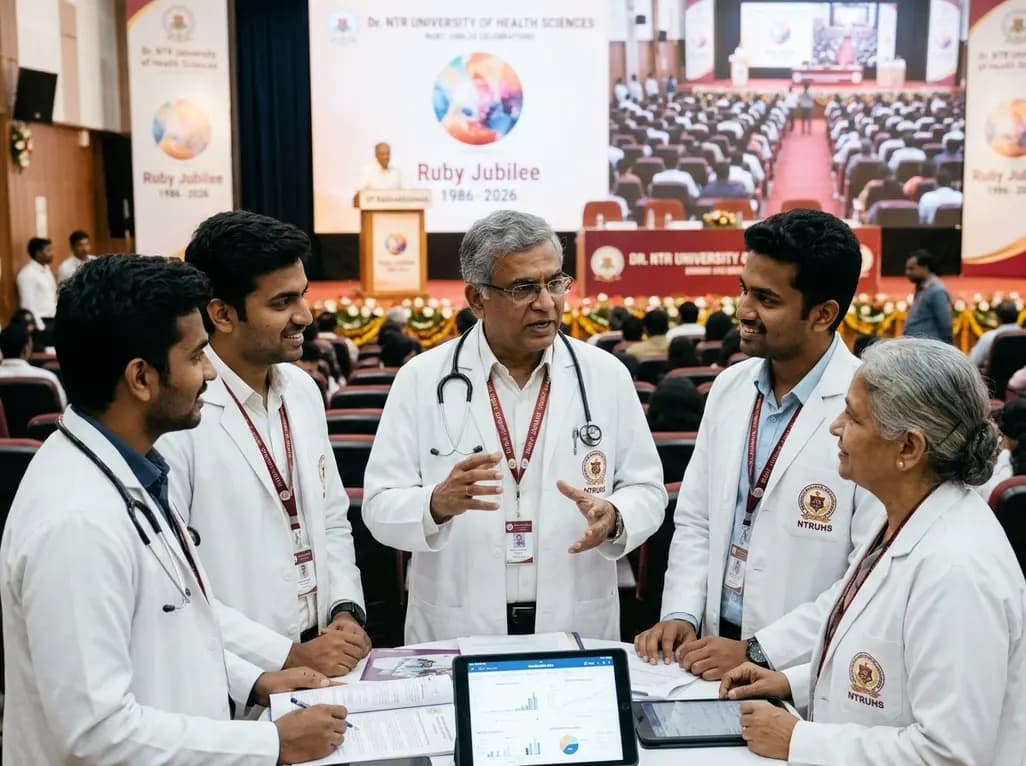
At the recent Ruby Jubilee celebrations of Dr NTR University of Health Sciences in Vijayawada, Vice-President CP Radhakrishnan called upon the academic community to prioritize medical research partnerships with leading international institutions. He emphasized that Indian healthcare institutions have achieved remarkable milestones in clinical training and infrastructural growth. However, the next vital frontier demands a rigorous commitment to scientific discovery, biomedical innovation, and high-impact scholarship. By collaborating with global centers of excellence, Indian medical universities can effectively bridge the gap between routine bedside care and breakthrough discoveries.
During his keynote address, the Vice-President stressed that medical research partnerships allow universities to exchange scientific expertise and access cutting-edge global laboratories. Consequently, Indian scholars can participate directly in advanced translational studies, molecular biology investigations, and multicenter clinical trials. Furthermore, exposure to international research environments inspires young investigators to tackle complex global health challenges, ranging from non-communicable diseases to emerging viral pathogens. Specifically, academic leaders believe that sustained international cooperation will provide medicos with modern methodology training, state-of-the-art biobanking resources, and competitive funding opportunities. In addition, the Vice-President expressed a deep aspiration that scholars from Indian medical universities might eventually achieve groundbreaking discoveries worthy of the Nobel Prize. For instance, novel oncology treatments, gene therapies, and targeted chemotherapies require comprehensive scientific investigations that transcend geographical borders. Therefore, medical educators must actively create institutional memoranda of understanding with foreign universities. Such initiatives will enable faculty exchanges, joint doctoral programs, and shared patent development. Ultimately, establishing these robust collaborative networks equips medical students with the tools required to publish in high-tier peer-reviewed journals, thereby raising the international profile of Indian scientific scholarship.
In parallel with academic research discussions, the Vice-President highlighted the dramatic expansion of medical education infrastructure across the nation over the past decade. Significantly, the total count of medical colleges increased from 387 before 2014 to 846 institutions in 2026. This exponential growth reflects a strategic national commitment to augment physician density and resolve geographic disparities in tertiary care access. Moreover, undergraduate MBBS capacity surged by 172 percent, expanding from approximately 51,000 seats to more than 1.40 lakh seats nationwide. Similarly, postgraduate training opportunities experienced unprecedented growth, with specialized seats reaching nearly 86,000 positions across diverse clinical disciplines. Therefore, young medical graduates possess substantially greater opportunities to pursue higher specialization within the country than ever before. However, regulatory authorities and senior medical educators emphasize that physical seat growth must align with strict quality standards. Academic faculty must deliver rigorous clinical supervision, evidence-based pedagogy, and adequate patient case variety to every trainee. Furthermore, newly established medical colleges require modern clinical skills laboratories, simulation centers, and digital library resources. Consequently, this capacity expansion provides a robust foundation upon which universities can construct dedicated investigative wings and academic centers of excellence.
Another central theme of the address examined the transformative impact of artificial intelligence and telemedicine across modern clinical specialties. Indeed, digital tools and automated diagnostic algorithms streamline routine triaging, radiological interpretation, and remote patient monitoring. Telemedicine networks also dismantle geographical barriers, connecting rural primary health centers to tertiary academic medical hubs across the country. However, the Vice-President cautioned that technological evolution must never overshadow the core human connection between doctors and their patients. Compassion, empathetic communication, and ethical bedside manners remain the indispensable cornerstones of effective medical practice. Furthermore, clinical artificial intelligence systems require comprehensive scientific validation, stringent patient safety protocols, and robust data privacy protections. Healthcare practitioners must view computational software as supportive clinical decision tools rather than definitive clinician replacements. In addition, clinical training programs must teach young doctors how to interpret algorithmic outputs critically while listening attentively to patient concerns. Therefore, medical faculties must integrate digital health literacy and bioethics directly into the undergraduate curriculum. When clinicians successfully harmonize advanced diagnostic technology with personal empathy, diagnostic accuracy and patient trust improve simultaneously across all tiers of healthcare delivery.
Beyond academic training and technological adoption, the Vice-President issued an urgent call to action regarding the pervasive threat of substance abuse in society. He urged physicians, resident doctors, and medical students to assume proactive leadership roles in community education and prevention campaigns. Addictive disorders represent complex biopsychosocial conditions that demand structured clinical intervention, early screening, and non-judgmental counseling. Furthermore, primary care clinicians and emergency physicians frequently encounter the acute somatic consequences of drug misuse, including fatal overdoses, toxicities, and chronic psychological distress. Therefore, healthcare providers must champion comprehensive public health strategies that eliminate social stigma and facilitate timely access to evidence-based addiction rehabilitation. In addition, medical institutions should collaborate closely with public health authorities, educational institutions, and civic organizations to conduct targeted community outreach. For example, student-led awareness workshops in local secondary schools can effectively educate adolescents about the neurological and physiological dangers of illicit substances. Moreover, medical universities can organize community screening clinics, physician-assisted de-addiction pathways, and community support groups. By engaging actively in these preventive initiatives, the medical community fulfills its broader social responsibility and helps construct a resilient, drug-free society.
While focusing on future scientific aspirations, the Ruby Jubilee ceremony honored the rich historic legacy of Dr NTR University of Health Sciences. Founded in 1986 by former Andhra Pradesh Chief Minister N T Rama Rao, the university was India’s pioneer health sciences university. Specifically, the Vice-President recalled how NTR’s visionary leadership addressed crucial public welfare needs, including transformative inter-state drinking water initiatives for Chennai. Over the past four decades, the university has nurtured generations of accomplished clinicians, surgeons, and healthcare administrators across southern India. Nevertheless, institutional longevity must serve as a launchpad for future scientific transformation rather than passive celebration. Today, the institution faces the challenge of converting its massive clinical patient volume into structured epidemiological data and clinical trial registries. Furthermore, institutional leaders must establish dedicated medical innovation incubators that encourage clinician-scientists to engineer low-cost diagnostic devices and point-of-care medical technologies. In addition, fostering interdisciplinary partnerships between medical colleges, biomedical engineering departments, and pharmaceutical institutions will accelerate therapeutic innovations. Therefore, as the university commemorates forty years of educational service, it stands poised to lead the country toward an era marked by indigenous research and international academic excellence.
Q1: Why are international medical research partnerships vital for Indian medical universities?
International medical research partnerships grant Indian institutions immediate access to state-of-the-art laboratory infrastructure, specialized scientific datasets, and multicenter clinical trial networks. Furthermore, these collaborative alliances facilitate reciprocal faculty exchanges, joint grant funding, and peer mentorship. Consequently, medical scholars gain the specialized methodological skills necessary to investigate prevalent non-communicable and infectious diseases, thereby elevating Indian biomedical literature to global prominence.
Q2: How has India expanded its medical education capacity over the past decade?
India expanded its medical education infrastructure substantially by more than doubling the total number of medical colleges from 387 before 2014 to 846 in 2026. Simultaneously, undergraduate MBBS training capacity surged by 172 percent, exceeding 1.40 lakh seats nationwide. In addition, postgraduate specialty seats increased to nearly 86,000, providing aspiring medical graduates with greater opportunities for clinical specialization within domestic healthcare institutions.
Q3: How should clinicians maintain empathetic patient care while adopting artificial intelligence?
Clinicians must view artificial intelligence and telemedicine platforms as assistive tools designed to streamline data interpretation and administrative workflows rather than human replacements. Therefore, physicians must continue dedicating adequate clinical time to active listening, non-verbal cues, and empathetic bedside communication. Furthermore, medical educators emphasize that ethical diagnostic practice requires balancing validated digital algorithms with clinical intuition, compassion, and shared doctor-patient decision-making.
Disclaimer: This content is for informational and educational purposes only. It does not constitute medical advice or replace professional judgment. Refer to the latest local and national guidelines for clinical practice.
References

Read summarized clinical updates, watch expert medical content, and earn CME certifications right from your smartphone.
Open your smartphone camera to scan and install.





At the Ruby Jubilee of Dr NTR University of Health Sciences, Vice-President CP Radhakrishnan emphasized expanding global research collaborations, adopting digital health ethically, and combating substance abuse across communities.
Today

Recent rapid autopsy cohorts and tissue biopsy studies reveal that tissue immune cell phenotypes differ substantially from peripheral blood. These findings uncover how viral reservoirs persist in sanctuary anatomical sites, providing critical clues for developing targeted HIV eradication strategies.
Today
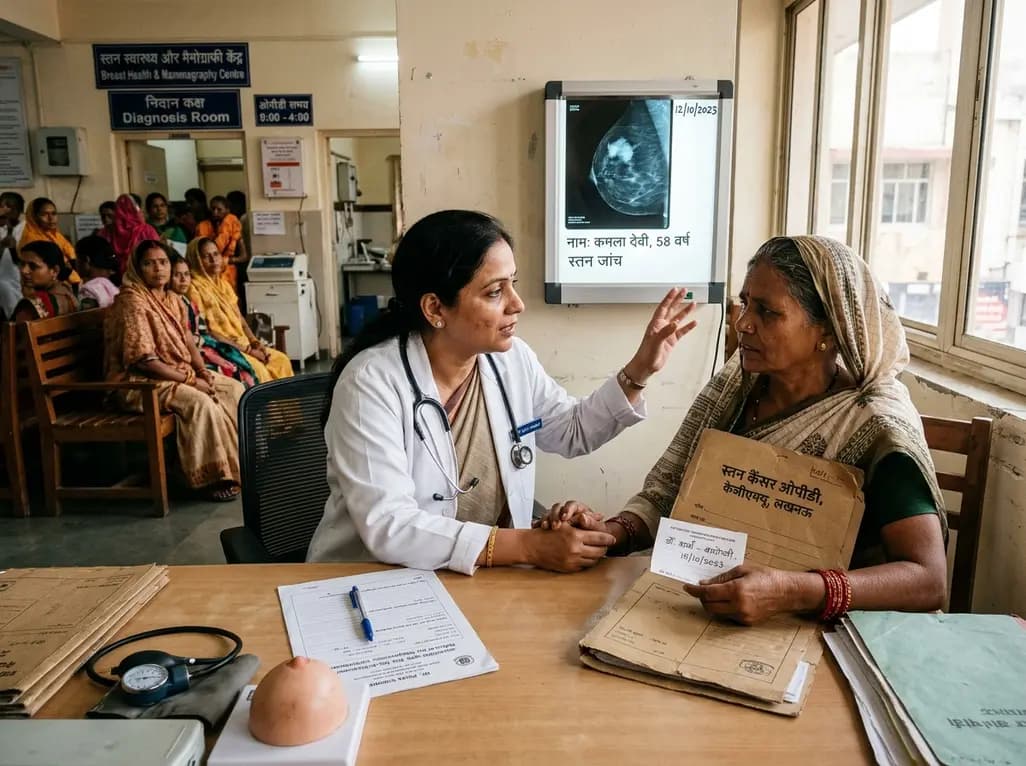
A KGMU study reveals over half of women with breast abnormalities fail to undergo diagnostic confirmation, leading to advanced-stage detection. Discover the socio-cultural barriers, clinical risks of incomplete resection, and community-level solutions needed to bridge the critical screening-to-diagnosis gap in India.
Yesterday
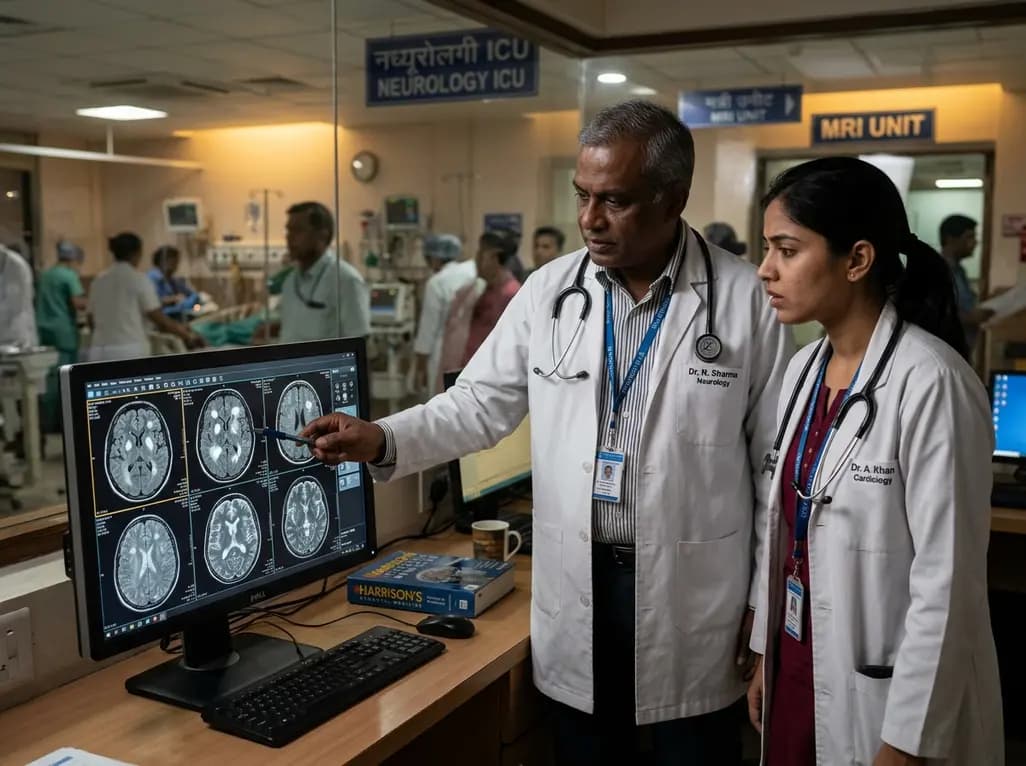
Recent findings from the VESUVE study demonstrate that brain MRI detects intracranial lesions in over 76% of patients with infective endocarditis. Acute ischemic stroke and subarachnoid hemorrhage independently elevate six-month mortality, underscoring the critical prognostic utility of neuroimaging.
Today
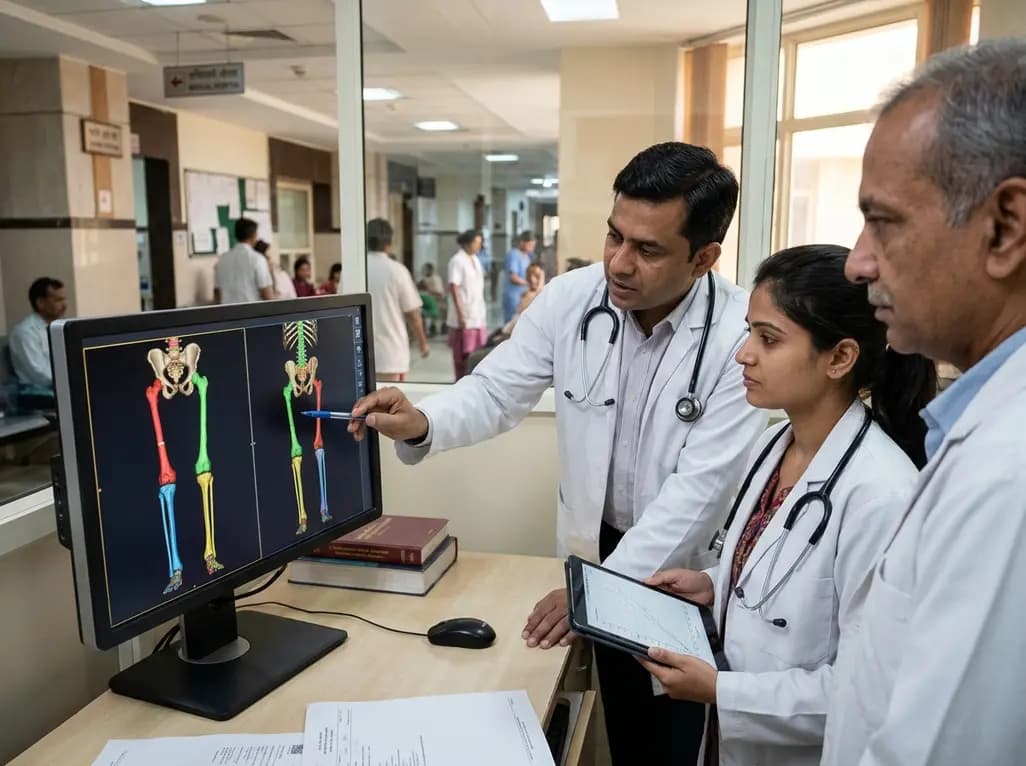
Modern 3D anthropometry reveals that pediatric leg growth ceases years before spinal elongation, exposing the clinical illusion of the classical Anderson-Green model. Learn how segmental growth dissociation improves surgical timing for epiphysiodesis in adolescent leg length discrepancy.
Today

A meta-analysis of 18 studies reveals that bariatric surgery does not significantly alter circulating homocysteine levels, regardless of follow-up duration. Clinicians must maintain vigilance over post-surgical micronutrient supplementation to prevent hyperhomocysteinemia.
Today
