.webp&w=384&q=75)

Loading, please wait...
Loading, please wait...
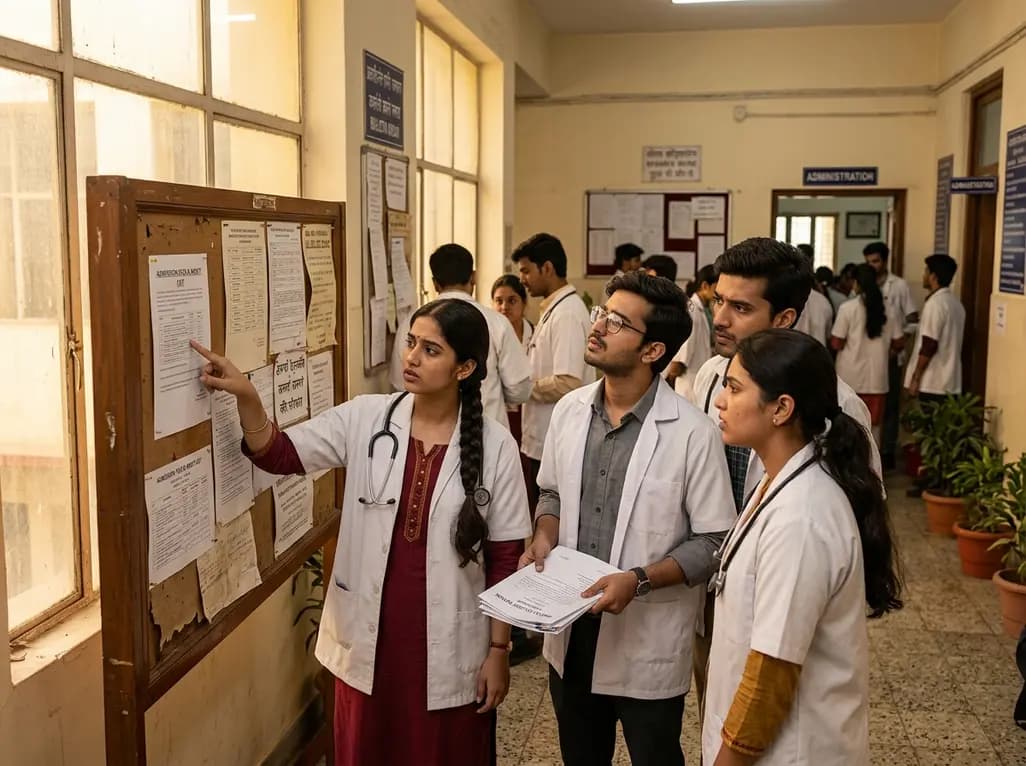
India has witnessed an unprecedented scale of healthcare infrastructure growth over the past decade. Consequently, undergraduate and postgraduate medical seats have nearly doubled across diverse states. However, this quantitative surge does not automatically guarantee universal accessibility for every qualified aspirant. The rapid medical education expansion has ignited an urgent national debate regarding financial barriers and regional imbalances. Healthcare leaders emphasize that capacity growth provides limited relief if tuition fees exclude middle-class families. Therefore, policymakers must urgently address structural inequities to build a balanced, competent, and socially representative medical workforce.
During recent industry discussions, medical educators critically assessed the true impact of institutional growth. Although the number of medical colleges has grown significantly, private players establish a large share of these institutions. Consequently, exorbitant tuition fees place many seats out of reach for average Indian households. Dr. Chaitra B A, President of the Medical Students Association of India (MSAI), pointed out this persistent contradiction. She emphasized that higher aggregate numbers frequently mask deep socio-economic inequalities. While government colleges maintain subsidized fee structures, they cannot accommodate the massive volume of eligible candidates. As a result, qualified students frequently confront private colleges demanding tens of lakhs annually. Furthermore, this dynamic forces many families to take crippling education loans. In addition, some aspirants choose to travel abroad to pursue cheaper degrees, introducing new licensing hurdles. Therefore, true reform demands equitable access alongside sheer seat additions. Health system planners must acknowledge that building physical colleges solves only half of the healthcare equation.
Geographic imbalances represent another major obstacle within the current framework. Currently, the national average stands at approximately 75 medical seats per million population. However, state-level figures reveal extreme divergences from this benchmark. For instance, Bihar offers barely 21 seats per million population. In contrast, several southern states provide close to 150 seats per million people. Puducherry represents an extraordinary outlier, boasting around 2,000 seats per million residents. Consequently, doctor-patient ratios reflect these stark regional dividing lines. In Bihar, a newly graduating physician often caters to an overwhelming population of 40,000 to 50,000 citizens. Conversely, practicing physicians in Karnataka or Telangana serve approximately 5,000 to 10,000 patients. Therefore, healthcare delivery remains profoundly compromised in underserved northern and eastern corridors. Furthermore, doctors trained in resource-rich states rarely relocate to deficit regions after completing their rigorous training. Thus, regional disparity perpetuates chronic healthcare deficits where patient vulnerability remains highest.
Aspiring physicians face mounting financial hurdles when pursuing clinical education. Medical training spans five and a half demanding years, creating protracted financial commitments for families. To mitigate this heavy burden, student leaders advocate for a collaborative, multi-stakeholder financing framework. Under this model, the government, private managements, and students would equitably share training expenditures. Such an approach requires expanded public subsidies, targeted merit-cum-need scholarships, and realistic cost sharing. However, private college expenses often extend far beyond the approved tuition brackets. Many institutions levy unexpected fees for campus transportation, mandatory hostel facilities, and clinical equipment. Additionally, administrative departments impose miscellaneous examination charges without upfront disclosure. These hidden overheads escalate the final expenditure to staggering levels, catching students unprepared. Dr. Chaitra emphasized that genuine affordability requires absolute financial transparency from every educational institution. Hence, prospective candidates must receive clear, legally binding cost disclosures before committing to admission.
Regulatory authorities have attempted to curtail rampant commercialization through direct policy interventions. Most notably, the Parliamentary Standing Committee on Health and Family Welfare presented critical recommendations in December 2025. The parliamentary panel urged authorities to apply state-government fee structures to at least 50 percent of private seats. In theory, this guideline grants deserving merit rankers access to private institutions at subsidized rates. Nevertheless, serious gaps remain between formulated policy and ground-level execution. Private college managements have frequently contested these fee mandates through extensive legal litigation. Furthermore, institutions often compensate for capped tuition by doubling hostel and amenities fees. As a consequence, students still struggle to pay the cumulative annual bill. In addition, fee fixation committees across states demonstrate varying levels of regulatory enforcement. Therefore, central and state regulators must implement rigorous oversight mechanisms. Without strong accountability measures, commercial institutions will continue exploiting loopholes at the expense of students.
The evolving economic realities of medical education heavily influence the career aspirations of young doctors. Traditionally, a primary MBBS qualification enabled practitioners to establish stable, respected community practices. Today, however, public trust in basic medical graduates has declined significantly across urban centers. Patients increasingly bypass general practitioners to consult board-certified specialists directly. Consequently, medical graduates feel intense career pressure to pursue postgraduate degrees immediately. Dr. Chaitra observed that this shifting climate complicates the professional trajectory of young doctors. Nevertheless, postgraduate training opportunities remain limited, creating fierce competition for specialized seats. Furthermore, private postgraduate seats carry astronomical fees that surpass undergraduate costs. To recoup these heavy capital investments, young doctors frequently concentrate in affluent metropolitan tertiary centers. Hence, rural health centers suffer from persistent specialist vacancies. Comprehensive reforms must therefore restore the value of primary care while establishing uniform standards across all training tiers.
Q1: Why does seat expansion fail to resolve doctor shortages in rural India?
Medical colleges remain concentrated primarily in urban centers and southern states. Furthermore, exorbitant private tuition fees force graduates to practice in metropolitan areas to recover their educational investments quickly. Consequently, rural and economically underdeveloped regions continue to face severe physician deficits despite national seat expansion.
Q2: What did the Parliamentary Standing Committee recommend regarding private medical college fees?
The Parliamentary Standing Committee on Health and Family Welfare recommended that state government fee structures must apply to 50 percent of seats in private colleges. This policy aims to ensure that merit-based candidates can access private institutions at affordable, state-regulated rates.
Q3: How do hidden institutional fees undermine fee-capping regulations?
Private institutions frequently bypass tuition caps by imposing exorbitant charges for hostels, mandatory mess facilities, transportation, and laboratory amenities. Without transparent financial disclosures and strict regulatory audits, these miscellaneous expenses double the real cost of education, placing severe burdens on middle-class students.
Disclaimer: This content is for informational and educational purposes only. It does not constitute medical advice or replace professional judgment. Refer to the latest local and national guidelines for clinical practice.
References

Read summarized clinical updates, watch expert medical content, and earn CME certifications right from your smartphone.
Open your smartphone camera to scan and install.





India has doubled its medical training capacity over the last decade, yet severe regional disparities and steep private tuition fees persist. Transparent fee structures, equitable seat distribution, and comprehensive policy reforms remain crucial to making medical training accessible for all deserving aspirants.
Today

New research reveals that amylin receptor signalling in the laterodorsal tegmental nucleus controls food intake through inhibitory projections to the ventral tegmental area. This study demonstrates how midbrain reward circuits regulate feeding, presenting crucial targets for next-generation obesity pharmacotherapy.
Today
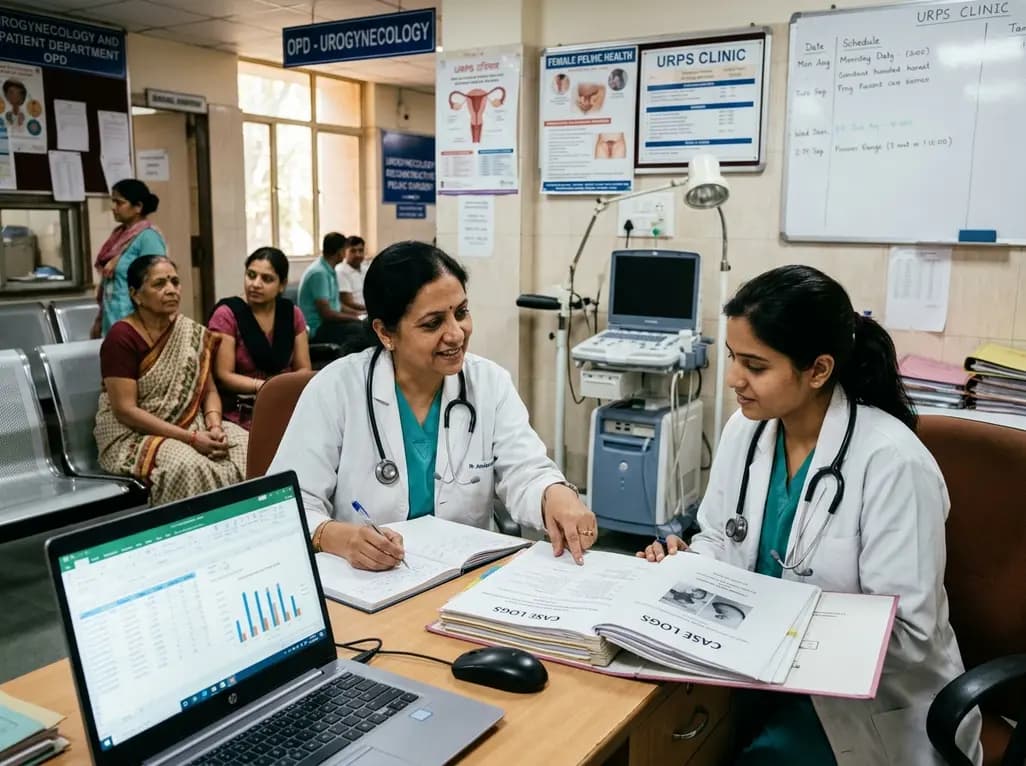
A ten-year cohort study of ABU case logs reveals that URPS fellowship training significantly drives higher annual case volumes, advanced surgical complexity, and increased female representation in pelvic floor reconstruction, underscoring the vital need for structured subspecialty training.
Today
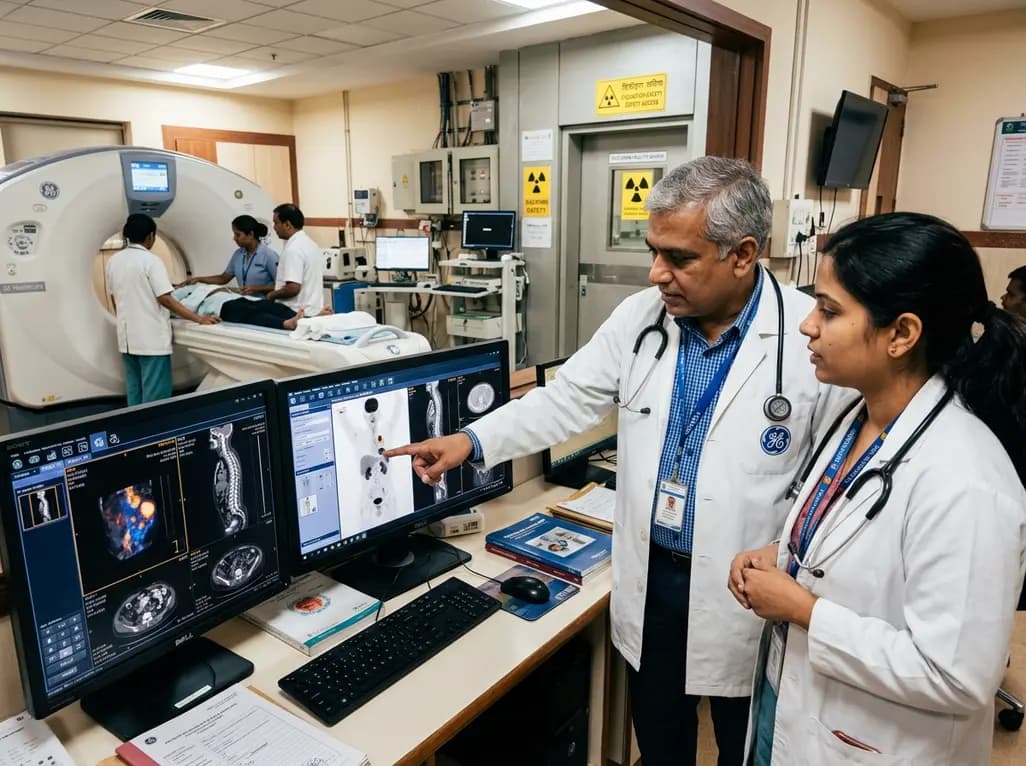
GE HealthCare has agreed to acquire Sofie Biosciences in a 945 million dollar all-cash transaction. The deal secures global rights to the investigational pan-cancer tracer FAPI-74 and expands cyclotron manufacturing infrastructure to accelerate precision theranostics and clinical molecular imaging workflows.
Today
Dual-nanofiber interpenetrating network scaffolds combining silica and PLLA/gelatin nanofibers with sodium alginate achieve complementary mechanical stability, immunomodulatory M2 macrophage polarization, and enhanced osteogenesis for advanced bone repair.
Today
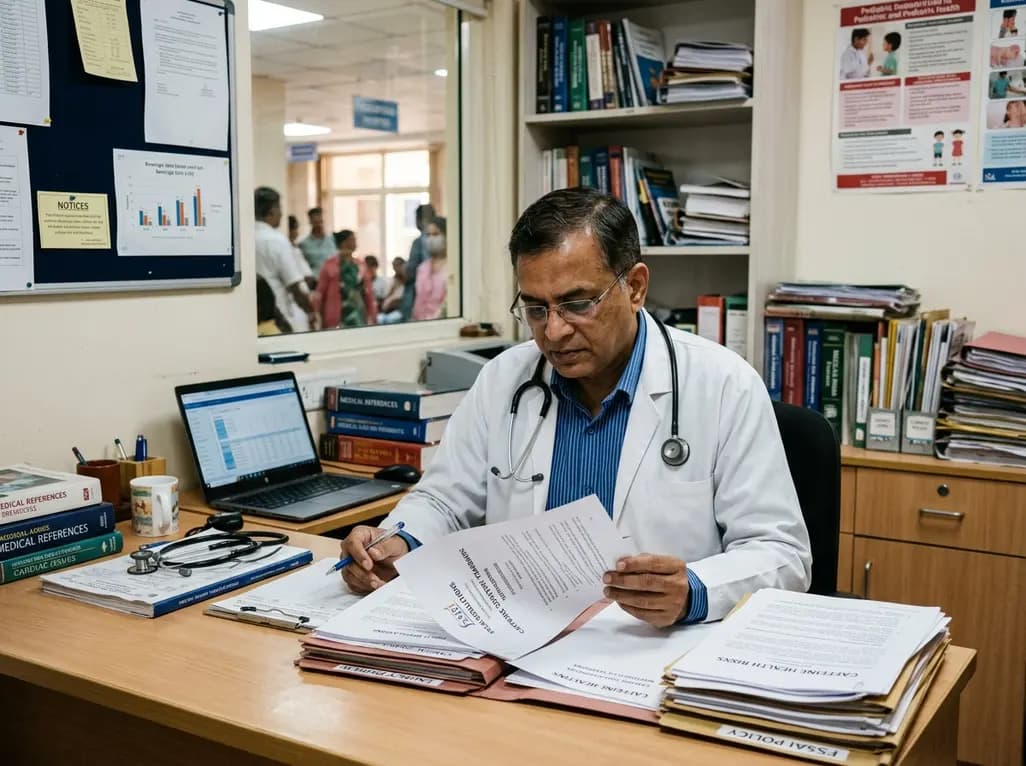
India's food safety authority has cracked down on high-caffeine beverages sold under stimulant branding, prompting legal challenges from major beverage corporations. This review examines FSSAI regulations, cardiac and metabolic complications, pediatric risks, and actionable counseling strategies for physicians.
Today
