.webp&w=384&q=75)

Loading, please wait...
Loading, please wait...

Integrating a modern Medical AI Education Framework is no longer a luxury but a necessity for clinical training. As artificial intelligence integrates into daily practice, the gap between student anticipation and formal training continues to widen. Currently, many educational systems rely on sequential reforms that fail due to the rapid pace of technological change. Consequently, a more synchronized approach is essential to ensure that future physicians remain proficient and ethical users of AI tools.
Traditional models often treat faculty development, curriculum updates, and regulatory changes as isolated tasks. However, this siloed strategy is fundamentally inadequate for addressing the speed and opacity of AI technologies. To bridge this implementation gap, researchers propose a 3-lever concurrent framework. This model suggests that AI competencies transition from theory to practice only when stakeholders activate three key areas simultaneously. Furthermore, these levers include clinician-educator capacity, digitally enabled learning environments, and comprehensive regulatory reform.
In India, the National Medical Commission (NMC) recently signaled a strong intent to modernize medical standards using digital healthcare. Specifically, leaders emphasize that AI should complement rather than replace clinical judgment. By aligning faculty expertise with robust assessment methods, institutions can foster an environment where AI literacy becomes a core component of medical licensure. In addition, this holistic blueprint offers a testable method for embedding AI competence across diverse healthcare systems worldwide. Therefore, implementing these changes concurrently will prepare graduates for the complexities of modern medicine.
The three levers are clinician-educator capacity, digitally enabled learning environments, and regulatory and assessment reform.
Concurrent activation is necessary because AI moves too fast for traditional, sequential reform models, which often lead to disjointed and inconsistent training.
Disclaimer: This content is for informational and educational purposes only and does not constitute medical advice or a professional recommendation. While we strive for accuracy, the rapidly evolving nature of AI and medical standards means that specific guidelines may change. Refer to the latest local and national guidelines for clinical practice.
References
1. Kelly SL et al. Bridging the Implementation Gap in Medical AI Education: 3-Lever Framework for Concurrent Reform. JMIR Med Educ. 2026 Apr 28. doi: 10.2196/88778. PMID: 42048663.
2. Sheth AC. AI, Digital healthcare to transform medical education standards: NMC Chairman. Medical Dialogues. 2026 Jan 11.
3. Sharma et al. Impact of generative AI in medical education in India: a systematic review. PMC. 2024 Oct 24.

Read summarized clinical updates, watch expert medical content, and earn CME certifications right from your smartphone.
Open your smartphone camera to scan and install.





A new 3-lever framework for medical AI education proposes concurrent reform in faculty training, digital environments, and regulation to bridge the knowledg...
5 months ago

Following regulatory scrutiny from FSSAI regarding promotional representations and lean muscle preservation claims, Dr. Reddy's Laboratories and Nestlé Health Science are currently reviewing the branding and marketing strategy for their joint nutritional supplement Celevida GLP+.
Today
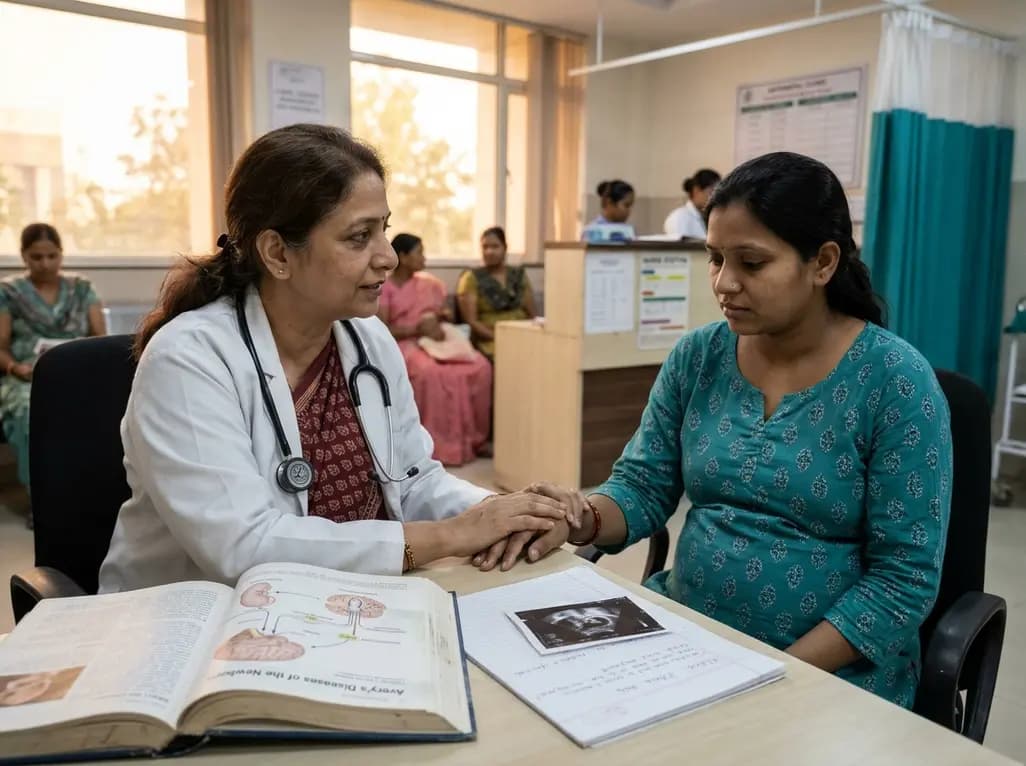
A comprehensive scoping review synthesises evidence linking prenatal maternal mental health to long-term offspring neurodevelopment, evaluating neuroendocrine, inflammatory, and epigenetic pathways while highlighting clinical screening and future research priorities.
Today

The Directorate General of Health Services directs Indian states to halt the hazardous reuse and reprocessing of single-use medical devices. Discover regulatory implications under the Drugs and Cosmetics Act, critical infection risks, legal liabilities, and operational changes required across clinical specialties.
Today
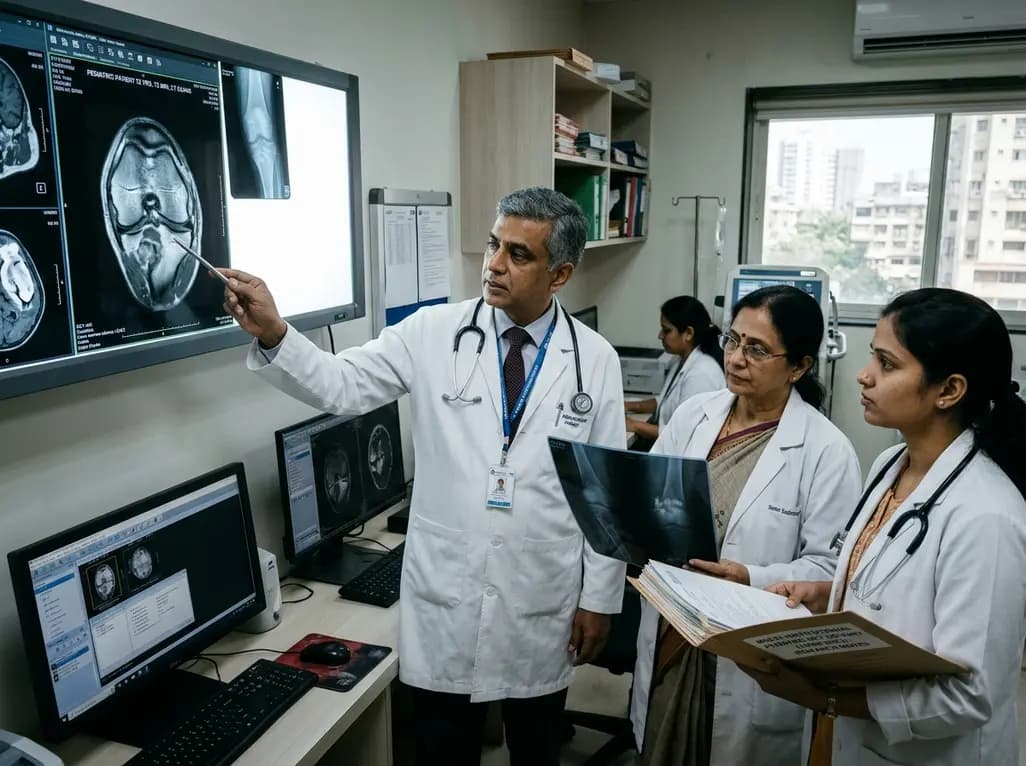
A 25-year multi-institutional cohort reveals high recurrence rates in pediatric giant cell tumor of bone, particularly in patients with open physes and bone marrow edema on preoperative MRI. Early surveillance and careful balance between growth plate preservation and tumor clearance are essential.
Today

India is advancing preventive healthcare by integrating genomics, artificial intelligence, and quantum technologies. With the SANGAM programme sequencing one million Indian genomes, clinicians can unlock personalized therapies, detect cardiometabolic risks early, and curb the burden of diabetes and heart disease.
Today
