.webp&w=384&q=75)

Loading, please wait...
Loading, please wait...
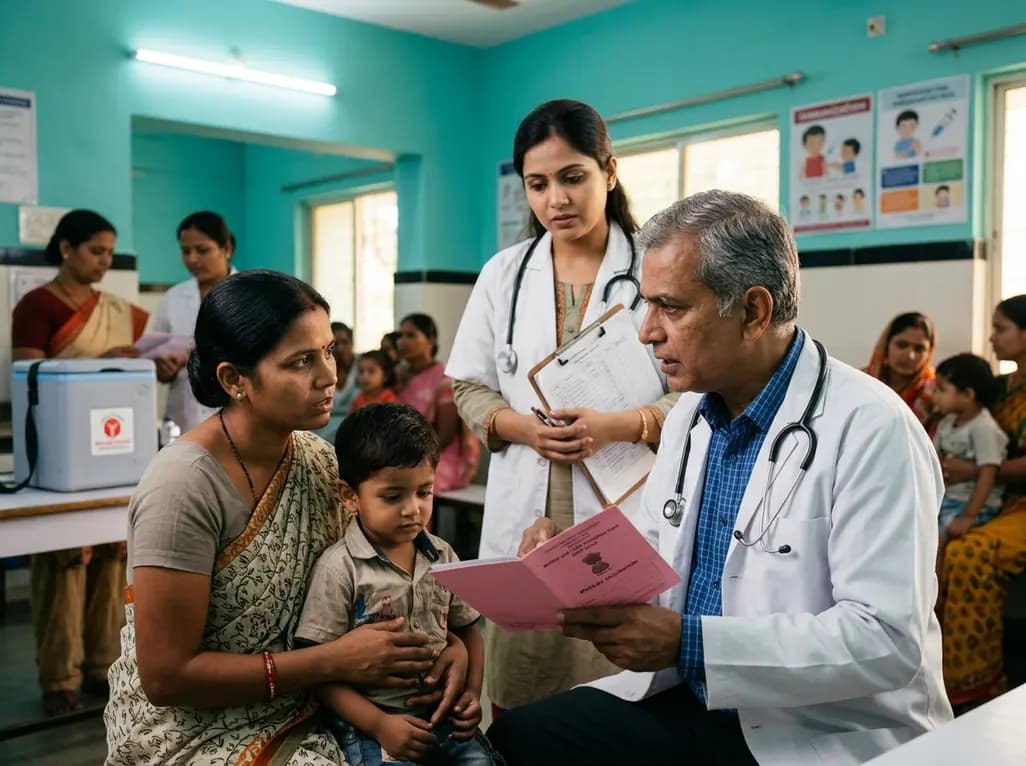
Global health initiatives recently suffered a profound strategic setback regarding the elimination of morbillivirus. Measles vaccine hesitancy across high-income nations has officially derailed aspirations to eradicate this preventable pathogen. Philanthropic leaders and public health authorities previously viewed measles eradication as an achievable target. However, persistent skepticism and declining immunization rates in developed countries have forced international health bodies to reconsider their objectives. This alarming development underscores that biological feasibility alone cannot overcome behavioral and ideological resistance. Consequently, clinicians worldwide must understand how these shifting dynamics affect community protection and patient care.
Measles represents one of the most infectious respiratory pathogens known to medical science. Epidemiologists express its infectious potential through the basic reproduction number, which typically ranges between 12 and 18. Therefore, a single infected individual can transmit the virus to eighteen susceptible contacts in an unimmunized cohort. Because transmission occurs via persistent aerosol droplets, containing localized outbreaks requires exceptionally high population immunity.
Public health organizations emphasize that communities must maintain a two-dose vaccination coverage rate of at least 95%. When immunization rates drop below this critical threshold, herd immunity collapses rapidly. As a result, secondary transmission chains propagate swiftly through schools, daycares, and clinics. Historically, the measles vaccine averted millions of fatalities following its twentieth-century introduction. Nevertheless, modern epidemiological data confirm that even modest reductions in vaccine uptake produce exponential increases in infection rates. Clinicians must recognize that herd immunity is not merely a statistical metric. Instead, it serves as an indispensable protective shield for vulnerable infants who are too young to receive immunization.
Rising measles vaccine hesitancy in affluent countries demonstrates that wealth does not guarantee adequate public health compliance. Decades of unscientific claims have eroded parental trust in standard childhood immunization schedules. Furthermore, prominent political figures and digital misinformation ecosystems have amplified vaccine skepticism across diverse demographics. Consequently, childhood MMR immunization coverage has slipped below target benchmarks in multiple European and North American regions.
This erosion creates dangerous geographic clusters of non-immune children. When localized vaccine refusal intensifies, domestic outbreaks inevitably recur with devastating speed. In addition, global travel accelerates viral transport across international borders. An unimmunized traveler can easily import the pathogen into low-resource environments where healthcare systems face severe logistical constraints. Although lower-income nations frequently exhibit commendable dedication to vaccination campaigns, global eradication remains mathematically impossible if high-income populations harbor endemic reservoirs. Thus, international public health experts acknowledge that eliminating the virus requires universal compliance across every socioeconomic strata.
Primary care physicians frequently encounter patients who mistakenly view measles as a benign childhood illness. However, the measles virus causes profound systemic pathology by binding to CD150 receptors on immune lymphocytes. Consequently, the infection triggers severe transient immunosuppression, commonly described as immune amnesia. This state can obliterate preexisting immunological memory against various unrelated bacterial and viral pathogens for several years.
Clinically, patients present with high fevers, characteristic maculopapular exanthem, coryza, and conjunctivitis. Furthermore, secondary bacterial complications frequently arise, including severe bronchopneumonia and acute otitis media. Severe neurological sequelae also present immense therapeutic challenges. For example, acute post-infectious encephalomyelitis occurs in approximately one out of every one thousand cases. In addition, subacute sclerosing panencephalitis can emerge years after initial infection, producing fatal neurodegeneration. Malnourished pediatric patients face heightened risks of blindness from corneal ulceration. Therefore, clinicians must educate families regarding these catastrophic outcomes whenever vaccine discussions occur.
Overcoming vaccine reluctance requires empathetic, evidence-based communication within the primary care consultation. Clinicians should initiate consultations using a presumptive approach rather than asking open-ended questions about immunization readiness. For instance, stating that standard immunizations are scheduled today reinforces vaccination as a routine social norm. Moreover, practitioners must listen actively to parental anxieties without displaying dismissive or confrontational behaviors.
When parents voice concerns regarding adverse events, physicians should clearly contrast mild vaccine side effects against natural viral complications. In addition, sharing transparent safety data from rigorous surveillance registries builds long-term clinical credibility. Motivational interviewing represents another highly effective technique for resolving parental ambivalence. By exploring values related to child protection, clinicians guide hesitant parents toward voluntary acceptance. Furthermore, healthcare teams should streamline clinic workflows to eliminate logistical barriers. Offering same-day catch-up vaccinations during routine pediatric visits prevents missed clinical opportunities. Ultimately, persistent and compassionate clinician advocacy remains the most influential factor in parental vaccine decisions.
India continues to pursue rigorous targets under its national measles-rubella elimination frameworks. Through the Universal Immunization Programme and Intensified Mission Indradhanush drives, healthcare workers have achieved remarkable coverage increases across diverse rural and urban centers. Digital platforms like U-WIN have drastically improved individual tracking and record maintenance. Nevertheless, maintaining high population immunity demands continuous administrative vigilance.
Notably, urban migration, vaccine fatigue, and localized misinformation pockets threaten to create isolated immunity pockets within major metropolitan centers. If global eradication targets fail, international travel will continuously reintroduce the pathogen into densely populated communities. In addition, healthcare expenditures associated with containing localized outbreaks place unnecessary burdens on domestic health infrastructure. Therefore, Indian pediatricians and general practitioners must maintain meticulous acute fever-and-rash surveillance. Promptly reporting suspected index cases to local health authorities ensures rapid outbreak containment. By synchronizing private clinical practices with national elimination directives, healthcare providers protect vulnerable children from preventable morbidity.
Clinicians occupy the frontline defense against resurgent vaccine-preventable diseases. Practitioners must audit clinic immunization registries regularly to identify undervaccinated pediatric patients. Additionally, medical staff should administer catch-up MMR doses whenever clinical indications allow. Ensuring robust cold-chain maintenance preserves vaccine potency and optimizes biological efficacy across all administration sites.
Moreover, physicians must equip their clinical teams with standardized communication scripts to counter prevalent online misinformation. Engaging local community stakeholders, including school educators and parent groups, amplifies scientific literacy beyond examination rooms. Clinicians must also recognize atypical clinical presentations in partially immunized or immunocompromised individuals. Maintaining rapid diagnostic vigilance prevents nosocomial transmission within outpatient waiting areas. By uniting thorough clinical care with proactive public health advocacy, physicians can safeguard herd immunity and protect vulnerable populations worldwide.
Q1: Why is a ninety-five percent immunization coverage rate necessary to prevent measles outbreaks?
Measles is an extraordinarily contagious airborne pathogen with a basic reproduction number between 12 and 18. This high infectivity means that secondary transmission occurs rapidly whenever susceptible individuals congregate. Maintaining at least 95% two-dose vaccination coverage creates robust herd immunity. This high threshold effectively interrupts community transmission chains, thereby protecting newborns and immunocompromised patients who cannot receive live attenuated vaccines.
Q2: What is immune amnesia following a natural measles virus infection?
Immune amnesia refers to the profound immunosuppression caused by the measles virus targeting CD150 receptors on memory B and T lymphocytes. The resulting infection destroys a significant proportion of preexisting protective antibodies. Consequently, affected children become highly susceptible to unrelated secondary bacterial and viral infections for months or years, dramatically increasing overall childhood morbidity and mortality after recovery.
Q3: How can primary care physicians address parental hesitation regarding the MMR vaccine?
Physicians should use a presumptive recommendation style, presenting vaccination as the standard standard of care. When parents express hesitation, clinicians must listen empathetically without confrontation. Utilizing motivational interviewing helps explore parental values regarding safety. Clinicians should clearly compare the minor, transient risks of vaccination against the severe, life-threatening complications of wild measles, while providing transparent scientific data.
Disclaimer: This content is for informational and educational purposes only. It does not constitute medical advice or replace professional judgment. Refer to the latest local and national guidelines for clinical practice.
References

Read summarized clinical updates, watch expert medical content, and earn CME certifications right from your smartphone.
Open your smartphone camera to scan and install.





Global measles eradication faces severe setbacks due to rising vaccine hesitancy in high-income countries. Discover epidemiological thresholds, clinical risks, and proactive communication strategies essential for pediatricians and primary care clinicians to protect herd immunity.
Today
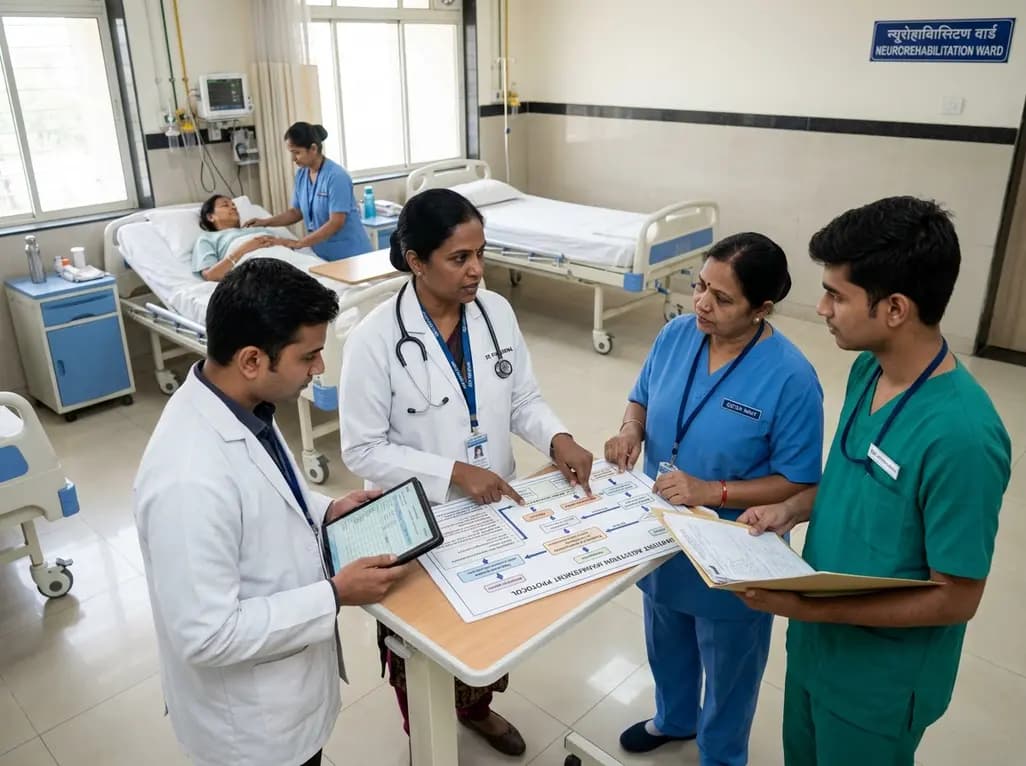
Agitation complicates neurorehabilitation and challenges clinical staff. A structured quality improvement initiative demonstrates that validated scales, clinical decision trees, and multidisciplinary education significantly enhance provider confidence and optimize patient safety during inpatient recovery.
Today
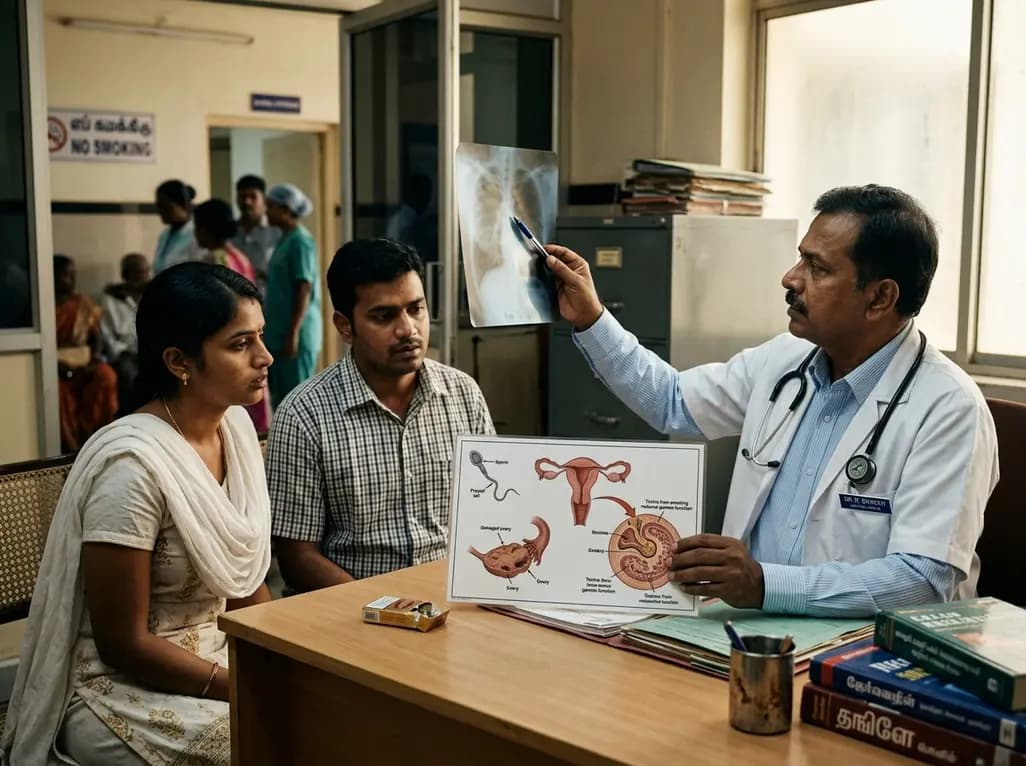
A global knowledge summary from the World Health Organization warns that tobacco smoking significantly increases infertility risks in women and causes substantial sperm and erectile dysfunction in men. Fortunately, quitting smoking substantially lowers these risks, providing clear reproductive benefits.
Today

Emerging evidence shows that even dim night-time light exposure alters cardiac geometry and weakens contractility. In a landmark cohort study, nocturnal light above 3 lux triggered concentric left ventricular hypertrophy and subclinical dysfunction, highlighting nocturnal illumination as a modifiable cardiac risk factor.
Today
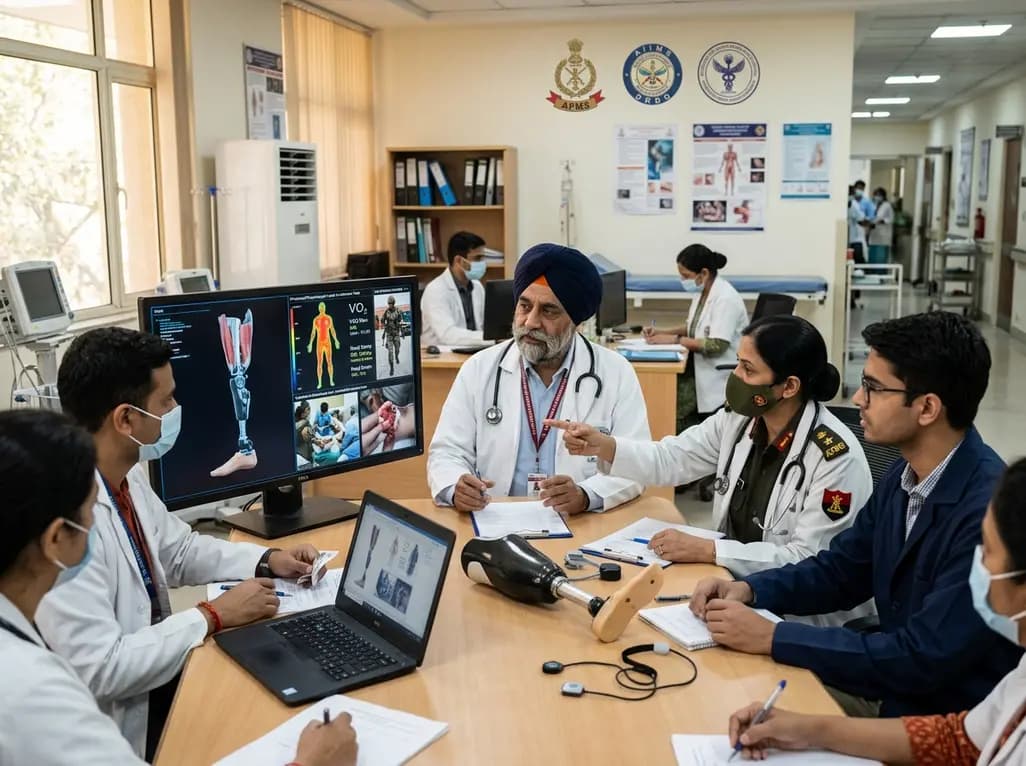
India's premier scientific bodies have joined the Armed Forces Medical Services to solve unique physiological and operational challenges faced by soldiers. The national collaboration covers combat casualty care, artificial intelligence diagnostics, bionic prosthetics, and extreme-environment physiological resilience.
Yesterday
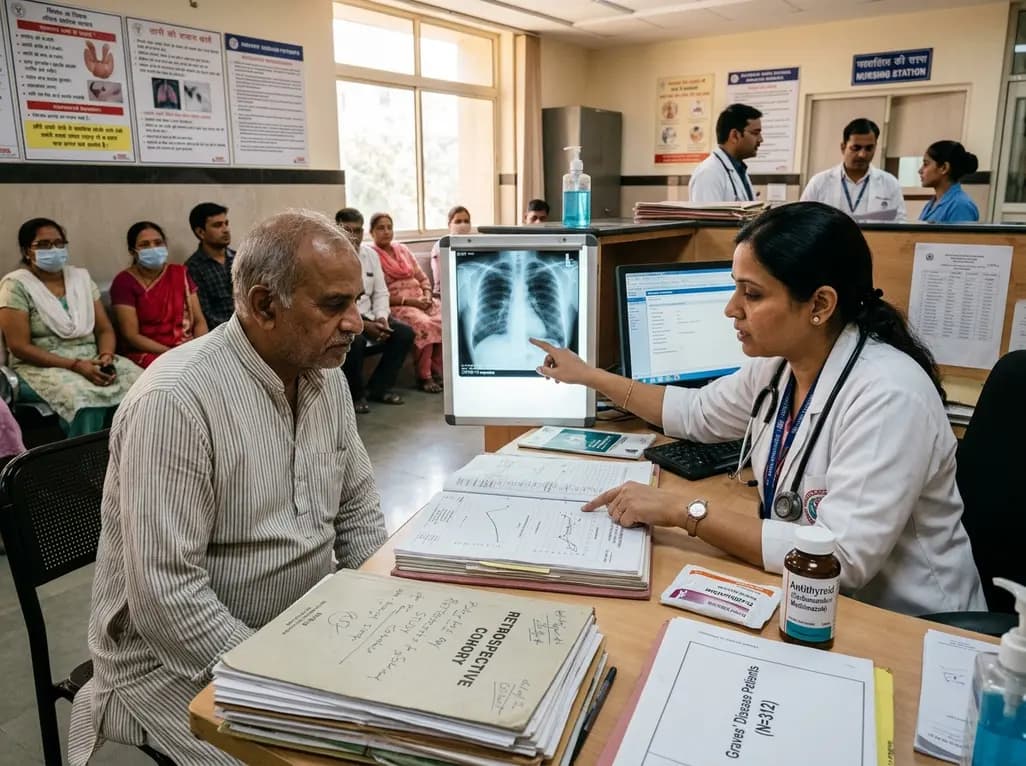
A retrospective cohort study evaluates the short- and long-term impacts of SARS-CoV-2 infection on patients with Graves' disease receiving antithyroid drug therapy, highlighting thyroid status destabilization, clinical symptom exacerbations, and post-viral sequelae.
Today
