.webp&w=384&q=75)

Loading, please wait...
Loading, please wait...

Measles and rubella continue to pose substantial health risks, particularly to marginalized populations in low- and middle-income countries (LMICs). To combat these challenges, measles-rubella microarray patches (MR-MAPs) are being developed as a transformative, needle-free delivery system. These patches offer unique advantages, such as ease of administration and potential thermostability. However, integrating this innovative technology into existing national immunization programs requires a clear, evidence-based research agenda. Consequently, researchers recently used the Child Health and Nutrition Research Initiative (CHNRI) methodology to identify the most pressing implementation questions.
Initially, the study team identified 36 critical research questions through literature reviews and expert consultations. These questions were سپس evaluated by 139 global stakeholders based on specific criteria like feasibility and impact. The results highlighted a clear preference for research that addresses practical barriers. Specifically, supply chain management and human resource implications emerged as top priorities. Moreover, understanding how measles-rubella microarray patches can improve uptake among underserved populations is vital for achieving global elimination goals.
Furthermore, stratified analyses showed that representatives from LMIC governments often prioritize operational challenges. These include managing dual delivery mechanisms and the training required for frontline workers. Therefore, while the technology is promising, successful deployment depends on addressing the specific needs of local health systems. Such focused research will ensure that MR-MAPs do not just exist as laboratory innovations but become effective tools for public health.
The findings of this exercise provide a roadmap for research investments over the next ten years. Although the study focused on MR-MAPs, the evidence generated may benefit other vaccine patch technologies currently in development. Ultimately, this prioritised agenda aims to accelerate progress toward measles and rubella control. By addressing these evidence gaps now, the global health community can ensure more equitable access to life-saving vaccinations in the near future.
Microarray patches are needle-free, which reduces the risk of needle-stick injuries and simplifies medical waste management. Additionally, they are potentially more stable at higher temperatures, reducing dependence on a strict cold chain.
A diverse group of 139 stakeholders, including LMIC government representatives, researchers, and experts in vaccine implementation, participated in the scoring process using the CHNRI methodology.
While some candidates have shown success in Phase I/II clinical trials, the research agenda aims to prepare for their introduction and routine use over the next decade as late-stage trials and manufacturing infrastructure expand.
Disclaimer: This content is for informational and educational purposes only. It does not constitute medical advice or a professional endorsement. Readers should always consult with qualified healthcare professionals regarding clinical decisions. Refer to the latest local and national guidelines for clinical practice.
References

Read summarized clinical updates, watch expert medical content, and earn CME certifications right from your smartphone.
Open your smartphone camera to scan and install.





This study identifies top implementation research priorities for measles-rubella microarray patches, a needle-free technology set to enhance vaccine equity....
5 months ago
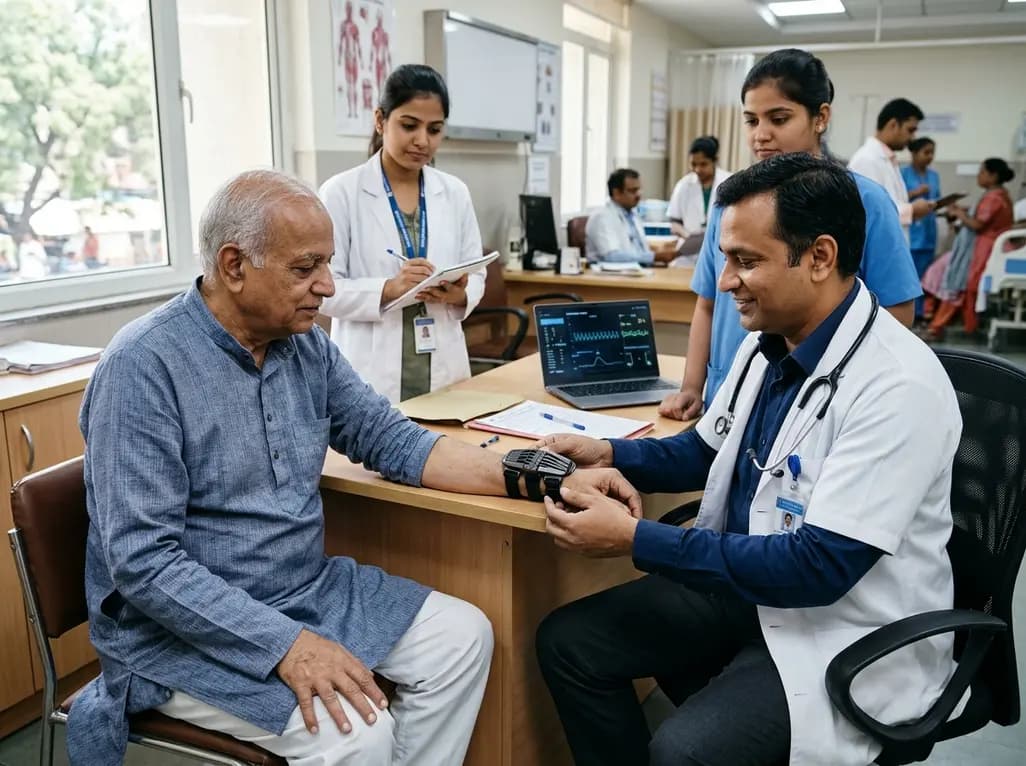
The TREM-AB open-label pilot study evaluated a wearable passive nonlinear vibration absorber for essential tremor. The Nonlinear Energy Sink bracelet reduced clinical Fahn-Tolosa-Marin tremor scores by 32.1% and electrophysiological tremor power by 49.2% with no adverse effects reported.
Today
A population-based study of 20,928 children reveals that small vulnerable newborns face sex-divergent mental capital outcomes at ages 6-7: term SGA girls show higher behavioral difficulties and lower resilience, while preterm non-SGA boys experience increased behavioral problems.
Today
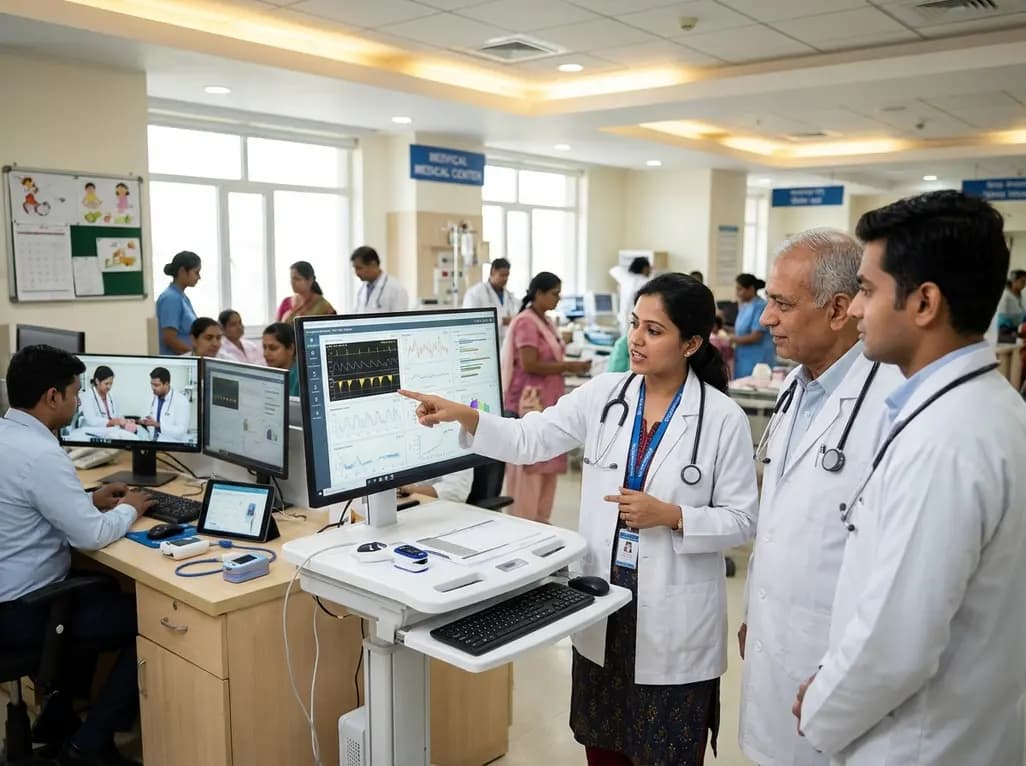
A landmark study details how an enterprise pediatric remote patient management model expanded from a single cardiology pilot to 16 diverse specialty programs by combining centralized digital operations with specialty clinical leadership.
Today

A comparative review of tension band wiring and intramedullary screw fixation in thumb metacarpophalangeal arthrodesis, evaluating union rates, hardware complications, and clinical outcomes.
Today
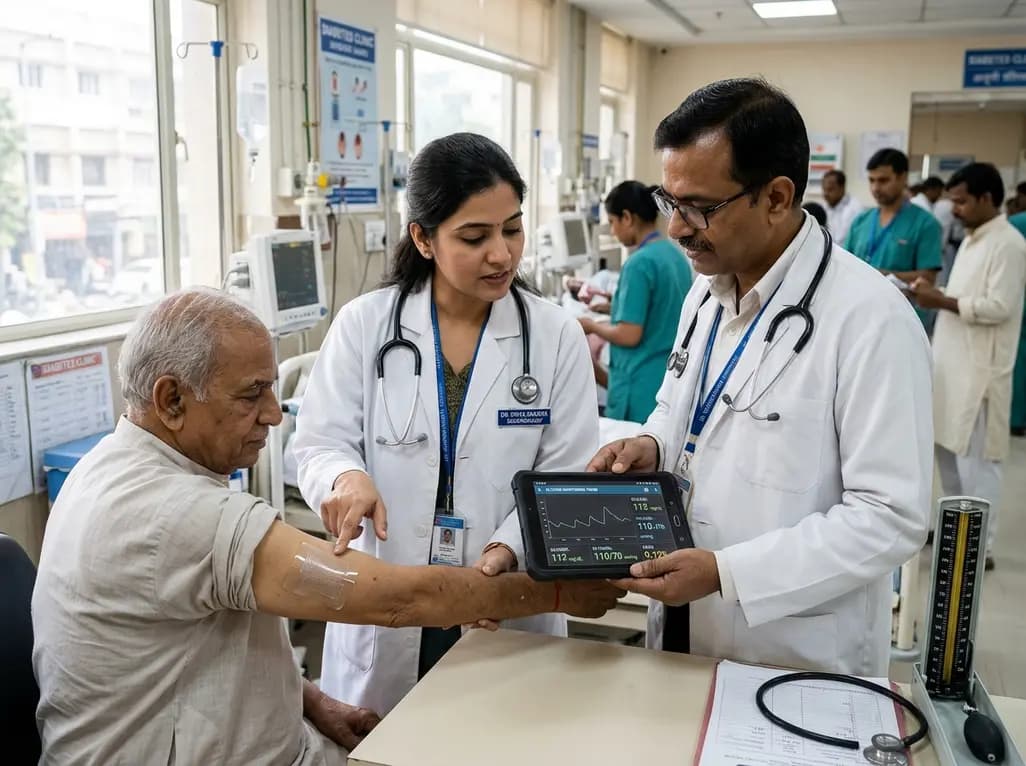
A breakthrough ultrathin multimodal sensor decouples physical hemodynamic monitoring from disposable electrochemical calibration, achieving long-term wearable glucose prediction with 81.36% accuracy and a 9.12% MARD. This offers a robust, drift-free solution for outpatient metabolic surveillance.
Today
