

Loading, please wait...
Loading, please wait...
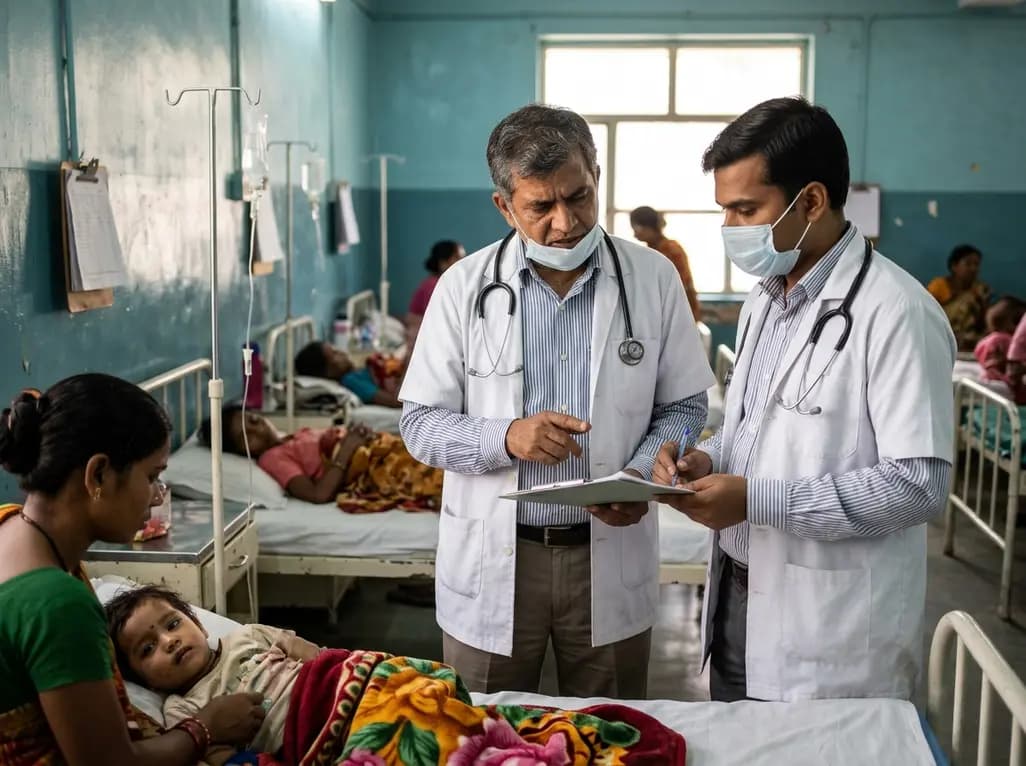
Recent epidemiological surveillance highlights an alarming resurgence of measles, presenting severe clinical challenges for modern healthcare systems. Public health authorities in Pennsylvania recently reported 1,398 confirmed measles cases, reflecting a major domestic surge. Furthermore, the state recorded 265 hospitalizations and five measles-related deaths. Across the United States, total cases exceeded 4,500, prompting emergency support from federal agencies. Consequently, strengthening measles outbreak management remains essential for clinicians worldwide, including physicians in India who regularly manage vaccine-preventable pediatric infections.
Measles virus exhibits extraordinary transmissibility among unimmunized populations. The basic reproduction number for this paramyxovirus ranges between 12 and 18. Therefore, a single infected individual can quickly ignite massive community transmission chains. Secondary attack rates among susceptible household contacts frequently exceed 90 percent. Furthermore, droplets remain infectious in suspended aerosol form for up to two hours after an infected individual leaves a room.
Suboptimal vaccine coverage creates dangerous immunity pockets that facilitate explosive transmission. Recent regional surges illustrate how small declines below the critical 95 percent herd immunity threshold produce severe public health crises. Consequently, hospitals experience substantial inpatient burdens when community cases escalate rapidly. In the recent Pennsylvania crisis, nearly one-fifth of infected patients required hospital admission for severe acute illness. Moreover, healthcare systems faced significant strain due to vulnerable pediatric populations developing serious lower respiratory tract infections.
Clinicians must recognize that importation events can trigger major outbreaks in any setting with suboptimal immunization coverage. Therefore, vigilant epidemiological surveillance remains vital for primary care doctors and emergency specialists globally. Rapid notification allows public health teams to trace exposures, quarantine susceptible contacts, and deploy targeted containment protocols immediately.
Accurate clinical diagnosis requires early identification of the prodromal phase. Patients typically present with high, spiking fevers alongside the classic triad of cough, coryza, and conjunctivitis. In addition, photophobia frequently accompanies ocular inflammation. Approximately two to three days after symptom onset, pathognomonic Koplik spots appear on the buccal mucosa. Clinicians describe these lesions as tiny, bluish-white elevations with an erythematous halo. Consequently, detecting these mucosal signs provides a definitive clinical clue before the characteristic cutaneous eruption appears.
The maculopapular rash typically manifests three to five days following prodrome onset. It begins at the hairline and behind the ears before spreading downward across the neck, trunk, and extremities. Initially, the lesions blanch under pressure, but they eventually become confluent on the face and upper torso. As the rash fades after five to six days, fine cutaneous desquamation often occurs.
Clinicians must maintain high suspicion when febrile patients present with atypical exanthems. Furthermore, clinicians should confirm suspected cases using reverse transcription-polymerase chain reaction from throat swabs or urine samples. Serological testing for measles-specific IgM antibodies also provides reliable confirmation when performed within seventy-two hours of rash onset.
Effective measles outbreak management requires immediate airborne infection isolation to prevent nosocomial dissemination. Healthcare facilities must place suspected patients in negative-pressure airborne infection isolation rooms immediately upon arrival. Furthermore, clinicians and healthcare staff entering the examination room must wear properly fitted N95 respirators regardless of their personal vaccination history. Because the airborne virus lingers for hours, staff must keep examination rooms vacant for at least two hours following patient discharge.
Triage staff should rapidly identify febrile patients with respiratory symptoms before they enter communal waiting areas. In addition, hospitals must provide surgical masks to suspected individuals right at the entrance. Consequently, establishing designated outdoor evaluation kiosks or isolated examination cubicles significantly reduces exposure risks for other vulnerable clinic attendees.
Facility administrators must audit staff immunization records to guarantee presumptive immunity against measles among all healthcare personnel. Specifically, documented receipt of two doses of live measles vaccine or laboratory evidence of immunity proves mandatory. Additionally, occupational health teams must quickly furlough exposed, non-immune healthcare workers from the fifth through the twenty-first day post-exposure. This strict protocol stops hospital-acquired transmission chains during high-volume community surges.
Supportive clinical care remains the cornerstone of acute measles management, as no specific antiviral agent exists. Clinicians should ensure aggressive oral or intravenous rehydration to combat insensible fluid losses from prolonged high fevers. In addition, antipyretics like paracetamol relieve patient discomfort and control hyperthermia. However, physicians must strictly avoid aspirin in children due to the fatal risk of Reye syndrome.
Vitamin A supplementation represents a critical evidence-based intervention for all acute pediatric measles infections. Acute measles infection rapidly depletes endogenous retinoid stores, leading to severe mucosal epithelial breakdown and immunosuppression. Therefore, the World Health Organization recommends high-dose vitamin A administered orally over two consecutive days. Specifically, infants under six months receive 50,000 international units daily, infants aged six to eleven months receive 100,000 units, and children twelve months or older receive 200,000 units.
Clinicians must monitor closely for serious secondary complications, including bacterial pneumonia, otitis media, and acute encephalitis. Severe lower respiratory tract infections account for most measles-related hospitalizations and fatalities. Consequently, doctors must prescribe empiric antibiotics promptly when secondary bacterial superinfections arise. Long-term surveillance must also monitor for subacute sclerosing panencephalitis, a fatal neurodegenerative condition occurring years later.
Sustained community vaccination remains the most powerful defense against explosive measles transmission. The live-attenuated measles-mumps-rubella vaccine generates long-lasting protective antibodies in more than 97 percent of recipients after two doses. Therefore, pediatric schedules recommend the first dose at nine to twelve months and a booster at fifteen to eighteen months. However, when regional outbreaks surge, clinicians may administer an early dose to infants as young as six months to provide interim protection.
Physicians must rapidly deploy post-exposure prophylaxis for susceptible individuals exposed to active cases. Administering the live measles vaccine within seventy-two hours of exposure often prevents or attenuates subsequent clinical illness. Furthermore, vulnerable contacts who face contraindications to live vaccines require passive immunization with human normal immunoglobulin. Specifically, clinicians must administer intramuscular or intravenous immunoglobulin within six days of exposure to infants under six months, non-immune pregnant women, and severely immunocompromised patients.
Ultimately, combating vaccine hesitancy through empathetic, evidence-based clinician counseling protects wider communities. Doctors must actively address parental safety concerns regarding immunization schedules and dispel pervasive misinformation. By closing local vaccination coverage gaps, healthcare practitioners reinforce community herd immunity and eliminate preventable mortality from this dangerous virus.
Q1: What are the earliest clinical indicators that help differentiate measles from other viral exanthems?
Clinicians should look for the classic triad of cough, coryza, and conjunctivitis alongside high spiking fevers. In addition, Koplik spots appear on the buccal mucosa two days before the rash erupts. Consequently, identifying these pathognomonic bluish-white enanthems confirms early suspicion before widespread dissemination occurs. Therefore, examining oral mucous membranes remains an essential diagnostic step during initial clinical triage when evaluating febrile patients with upper respiratory symptoms.
Q2: Why is high-dose vitamin A administration crucial in acute measles management?
Acute measles rapidly depletes baseline systemic vitamin A reserves, which exacerbates mucosal destruction and immune dysfunction. Consequently, therapeutic vitamin A restores epithelial membrane integrity and enhances lymphocyte responsiveness. World Health Organization guidelines recommend two oral age-specific doses administered twenty-four hours apart for all confirmed cases. Moreover, this simple intervention substantially reduces measles-related diarrhea, secondary bacterial pneumonia, corneal ulceration, and overall pediatric mortality across both developing and developed healthcare environments.
Q3: What immediate post-exposure prophylaxis options exist for unvaccinated individuals exposed to measles?
Unvaccinated individuals should receive the MMR vaccine within seventy-two hours of initial viral exposure to prevent disease onset. Furthermore, susceptible individuals at high risk for severe complications, such as infants under six months, pregnant women, and severely immunocompromised persons, should receive intramuscular or intravenous immunoglobulin. Healthcare providers must administer immunoglobulin within six days of exposure. However, clinicians must not give the live MMR vaccine simultaneously with immunoglobulin therapy.
Disclaimer: This content is for informational and educational purposes only. It does not constitute medical advice or replace professional judgment. Refer to the latest local and national guidelines for clinical practice.
References

Read summarized clinical updates, watch expert medical content, and earn CME certifications right from your smartphone.
Open your smartphone camera to scan and install.





A major measles surge has driven hundreds of hospitalizations and severe complications. This clinical review outlines frontline diagnostic criteria, transmission precautions, vitamin A therapy, and outbreak containment strategies to protect vulnerable patients and preserve community immunity.
Today

With over 10,000 cases reported across Africa, health agencies warn of global transmission risks from the Bundibugyo ebolavirus strain. Indian physicians must master emergency triage protocols, clinical differential diagnoses, infection prevention measures, and airport screening guidelines to ensure readiness.
Today
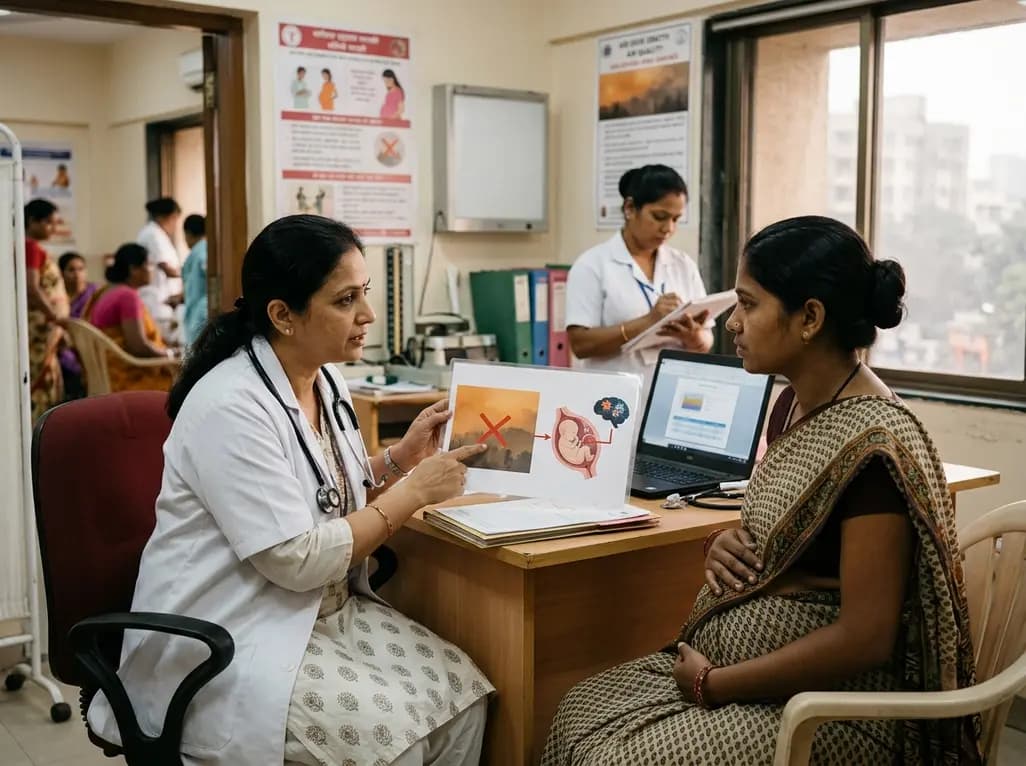
A nationwide cohort study published in JAMA Pediatrics reveals that maternal exposure to wildfire fine particulate matter, especially in late pregnancy, is linked to an elevated risk of childhood autism. Clinicians should evaluate ambient air quality risks and provide proactive protective counseling to mothers.
Today
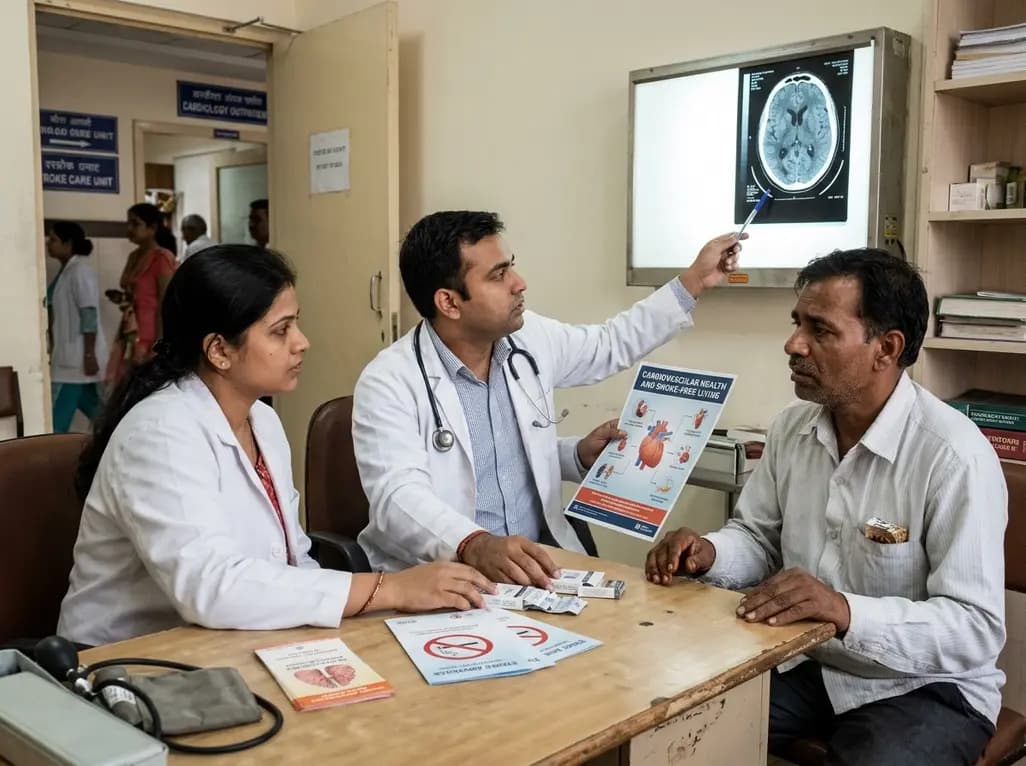
India faces an escalating challenge with vascular diseases, where tobacco use and hypertension together drive substantial cerebrovascular mortality. Addressing nicotine addiction as a clinical neurochemical disorder rather than a lack of willpower is vital for nationwide prevention and sustainable cessation support.
Today

Modern 3D anthropometry reveals that pediatric leg growth ceases years before spinal elongation, exposing the clinical illusion of the classical Anderson-Green model. Learn how segmental growth dissociation improves surgical timing for epiphysiodesis in adolescent leg length discrepancy.
2 days back

With packaged goods giant HUL backing FSSAI's proposed front-of-pack red warning labels for foods high in fat, sugar, and salt, India takes a major step toward curbing non-communicable diseases. Learn how clearer nutrition disclosures empower clinicians, inform consumer choices, and drive dietary reform.
Today
