

Loading, please wait...
Loading, please wait...
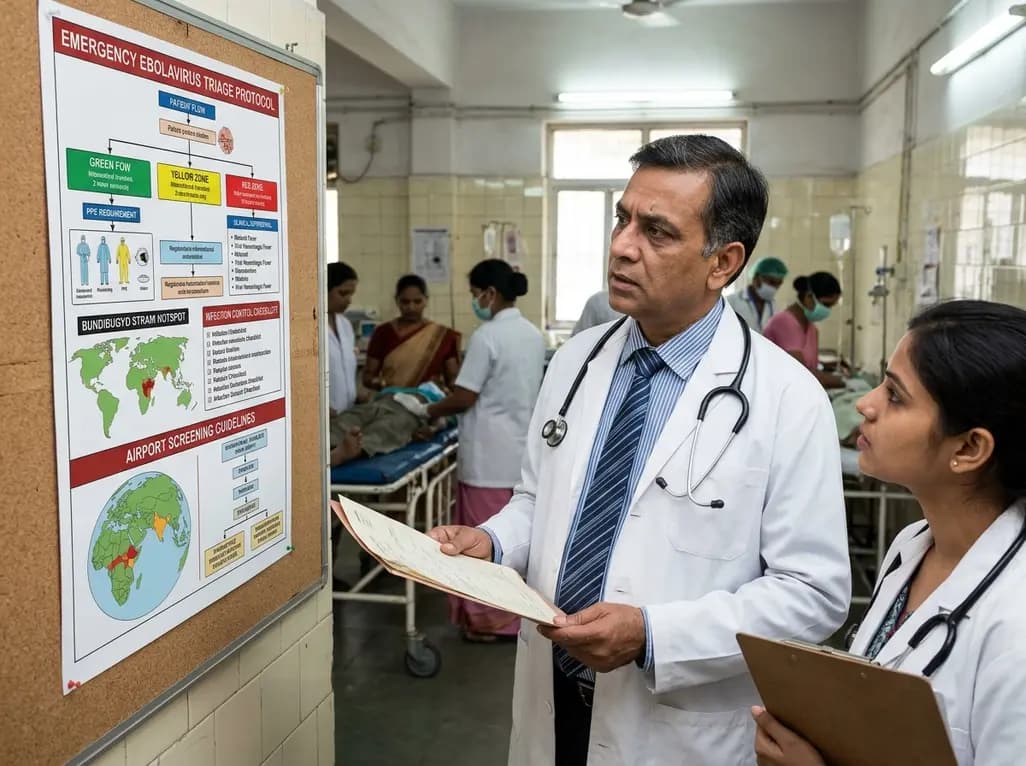
The global public health community faces an alarming escalation as the ongoing Ebola outbreak crosses ten thousand reported cases across Africa. Furthermore, recent surveillance data confirms intense transmission driven by the Bundibugyo strain. In addition, the Africa CDC warned that no country remains completely safe. Consequently, Indian clinicians must reinforce hospital triage and surveillance protocols immediately. Healthcare teams must identify suspected viral hemorrhagic fevers without unnecessary delay.
The current epidemiological trajectory demonstrates unprecedented geographic dispersion across multiple African regions. Historically, filovirus outbreaks remained restricted to remote rural clusters. However, the current resurgence has expanded into high-density zones within the Democratic Republic of the Congo. Armed conflict and fractured healthcare infrastructure in North Kivu and Ituri provinces severely compound contact tracing efforts. Furthermore, cross-border human mobility has exported confirmed infections into Kenya, Uganda, and Nigeria. Notably, public health records indicate more than ten thousand confirmed infections and nearly five thousand fatalities. These documented metrics reflect a crude case fatality rate approaching fifty percent. Moreover, a substantial proportion of fatalities occurred outside designated treatment units. Therefore, delayed clinical reporting remains a major driver of community transmission. Consequently, global monitoring networks have heightened border screening measures across international transit hubs. Indian tertiary care institutions must understand these migration pathways when evaluating imported febrile syndromes. Accordingly, early travel verification forms the vital cornerstone of emergency department triage. Clinicians should specifically inquire about recent travel to Central or Eastern Africa within the past twenty-one days. In addition, prompt administrative reporting to local surveillance units ensures coordinated public health containment.
The Bundibugyo virus represents one of six recognized species within the Orthoebolavirus genus. Clinicians must recognize that filoviruses initiate infection via mucosal contact or cutaneous microtrauma. Following an incubation window ranging from two to twenty-one days, patients exhibit nonspecific prodromal symptoms. Typically, patients report abrupt high-grade fever, debilitating malaise, severe frontal headache, and diffuse myalgia. Furthermore, gastrointestinal toxicity rapidly follows within three to five days. Patients develop intractable watery diarrhea, intractable vomiting, and severe cramping abdominal pain. Consequently, severe intravascular volume contraction and electrolyte depletion develop rapidly in untreated cases. In addition, vascular leakage triggers significant capillary permeability and hypovolemic shock. Unlike classic textbook descriptions, frank external hemorrhage occurs in only a minority of clinical presentations. Instead, clinicians more commonly observe occult gastrointestinal bleeding, petechial rash, and mucosal oozing. Therefore, medical officers cannot rule out filoviral illness merely because visible exsanguination remains absent. Moreover, clinicians must maintain a high suspicion index whenever high fever coincides with rapid physical deterioration. Recognizing these nuanced clinical phases ensures rapid isolation before profound circulatory collapse intervenes. Additionally, secondary multi-organ dysfunction involving the renal and hepatic systems frequently complicates severe Bundibugyo infection. Thus, early recognition of physiological derangements remains vital for optimizing survival outcomes.
Differentiating viral hemorrhagic fevers from endemic tropical infections presents a formidable diagnostic dilemma for Indian physicians. Returning travelers presenting with high fever, thrombocytopenia, and hepatic enzyme elevation frequently mimic severe dengue or falciparum malaria. Similarly, acute bacterial septicemia, leptospirosis, and enteric fever share overlapping initial clinical manifestations. Therefore, clinicians must immediately prioritize a thorough travel and contact history during initial assessment. However, healthcare teams must never withhold essential testing and supportive therapy for common conditions while evaluating Ebola. Routine laboratory parameters typically reveal severe leukopenia, marked thrombocytopenia, elevated transaminases, and worsening renal functional indices. Furthermore, confirmatory viral testing requires reverse transcription polymerase chain reaction assays performed in specialized high-containment reference facilities. In India, the National Institute of Virology in Pune serves as the apex reference laboratory. Consequently, suspected blood specimens require rigid triple-packaging containment protocols before transportation. Meanwhile, clinicians must place the patient into negative-pressure isolation or a designated private room. Additionally, hospital administrators must notify state integrated disease surveillance officers immediately upon identifying suspected cases. Thus, rapid inter-agency coordination prevents institutional exposure and accelerates public health contact tracing. Moreover, healthcare workers must avoid unnecessary phlebotomy to reduce accidental needle-stick hazards. Accordingly, standardized diagnostic algorithms protect clinical staff while ensuring rapid therapeutic decision-making.
Healthcare facilities require stringent infection prevention and control measures to halt nosocomial transmission of hemorrhagic pathogens. Filoviruses spread through direct contact with infected blood, vomitus, diarrhea, saliva, and contaminated medical surfaces. Consequently, standard droplet precautions prove entirely insufficient for patient safety. Healthcare providers must utilize full personal protective equipment, including fluid-resistant coveralls, double gloving, respirators, and impervious shoe covers. Furthermore, institutional leaders must establish designated donning and doffing monitors to prevent self-contamination during equipment removal. Because no licensed antiviral therapeutic exists specifically for the Bundibugyo strain, aggressive supportive critical care remains the therapeutic mainstay. Clinicians must immediately initiate early, goal-directed intravascular volume replacement using balanced crystalloid solutions. Additionally, intensive monitoring of serum potassium, calcium, and magnesium prevents fatal cardiac dysrhythmias caused by gastrointestinal losses. In severe presentations, patients develop profound metabolic acidosis and acute kidney injury requiring continuous renal replacement therapy. Therefore, critical care teams must deliver advanced organ support while enforcing strict biosafety containment. Similarly, nursing staff must handle waste, linens, and sharps through rigorous sterilization and incineration protocols. Ultimately, prompt, meticulous supportive resuscitation dramatically lowers crude case fatality rates in specialized treatment units. Moreover, clinicians must provide empirical broad-spectrum antimicrobial cover to manage potential secondary bacterial translocation across damaged bowel mucosa.
A major therapeutic obstacle during this ongoing crisis is the total absence of approved strain-specific vaccines. While the Ervebo vaccine provides robust protection against the Zaire orthoebolavirus, it does not confer cross-protective immunity against the Bundibugyo species. Researchers currently evaluate cross-reactivity and novel candidate vaccine formulations; however, widespread deployment remains months away. In addition, existing monoclonal antibody cocktails such as Ebanga and Inmazeb lack clinical efficacy against non-Zaire filovirus variants. Therefore, health systems cannot rely on pharmaceutical silver bullets to halt potential viral spread. Instead, robust public health infrastructure, strict airport screening, and hospital preparedness represent the primary defensive shields. Indian authorities have established mandatory self-declaration forms and thermal screening across key international entry ports. Furthermore, municipal authorities have designated isolated quarantine units in major metropolises to evaluate suspected travelers rapidly. Clinicians in outpatient and emergency settings form the crucial first line of defense. Consequently, general practitioners must maintain heightened awareness regarding atypical presentations in returning travelers. Through proactive screening, swift barrier isolation, and adherence to standard operative guidelines, healthcare institutions can effectively prevent local outbreaks. Thus, clinical vigilance remains essential to safeguarding national health security against emerging global viral threats.
Q1: How does the Bundibugyo virus differ from other Ebola virus strains?
The Bundibugyo virus represents a distinct species within the Orthoebolavirus genus, initially identified during an outbreak in Uganda in 2007. Clinically, it produces severe viral hemorrhagic fever comparable to the Zaire and Sudan strains, with case fatality rates approaching fifty percent. Crucially, established vaccines such as Ervebo and monoclonal antibodies developed against the Zaire strain do not provide cross-protective immunity. Therefore, clinical management depends entirely upon rapid supportive critical care and meticulous electrolyte balance.
Q2: What initial steps should an Indian hospital take if a patient is suspected of having Ebola?
Healthcare providers must immediately isolate the patient in a dedicated private room or negative-pressure isolation cubicle before proceeding with detailed evaluations. Attending staff must promptly don full viral hemorrhagic personal protective equipment, including respirators and fluid-resistant coveralls. Clinicians must simultaneously notify the local Airport Health Officer and district surveillance officials. Furthermore, clinical teams must continue standard diagnostic evaluations for common acute febrile illnesses like falciparum malaria, avoiding delay in necessary supportive treatment.
Q3: How is Bundibugyo virus disease transmitted among individuals?
The virus spreads among humans through direct contact with broken skin or mucous membranes and infectious bodily fluids. These infectious fluids include blood, vomitus, feces, saliva, sweat, and semen. Transmission also occurs via contaminated surfaces or materials such as bed linen and medical instruments. The pathogen does not spread through casual airborne contact during early incubation. However, healthcare workers face intense exposure hazards during advanced illness, requiring strict contact barrier precautions and safe disposal protocols.
Disclaimer: This content is for informational and educational purposes only. It does not constitute medical advice or replace professional judgment. Refer to the latest local and national guidelines for clinical practice.
References

Read summarized clinical updates, watch expert medical content, and earn CME certifications right from your smartphone.
Open your smartphone camera to scan and install.





With over 10,000 cases reported across Africa, health agencies warn of global transmission risks from the Bundibugyo ebolavirus strain. Indian physicians must master emergency triage protocols, clinical differential diagnoses, infection prevention measures, and airport screening guidelines to ensure readiness.
Today
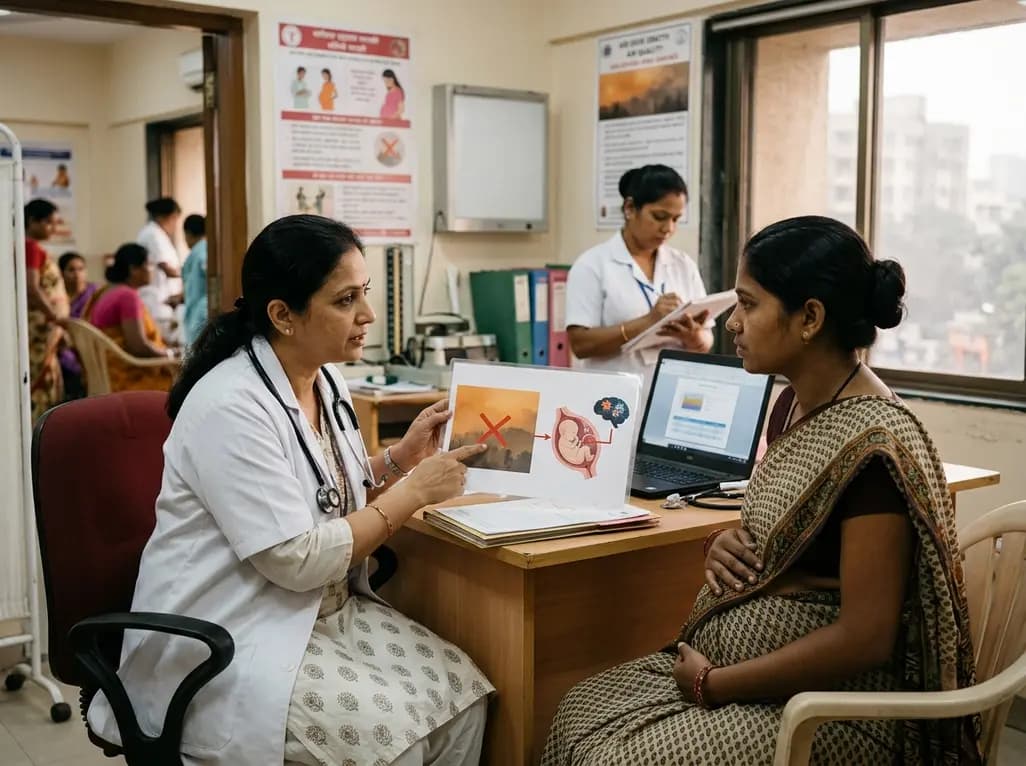
A nationwide cohort study published in JAMA Pediatrics reveals that maternal exposure to wildfire fine particulate matter, especially in late pregnancy, is linked to an elevated risk of childhood autism. Clinicians should evaluate ambient air quality risks and provide proactive protective counseling to mothers.
Today
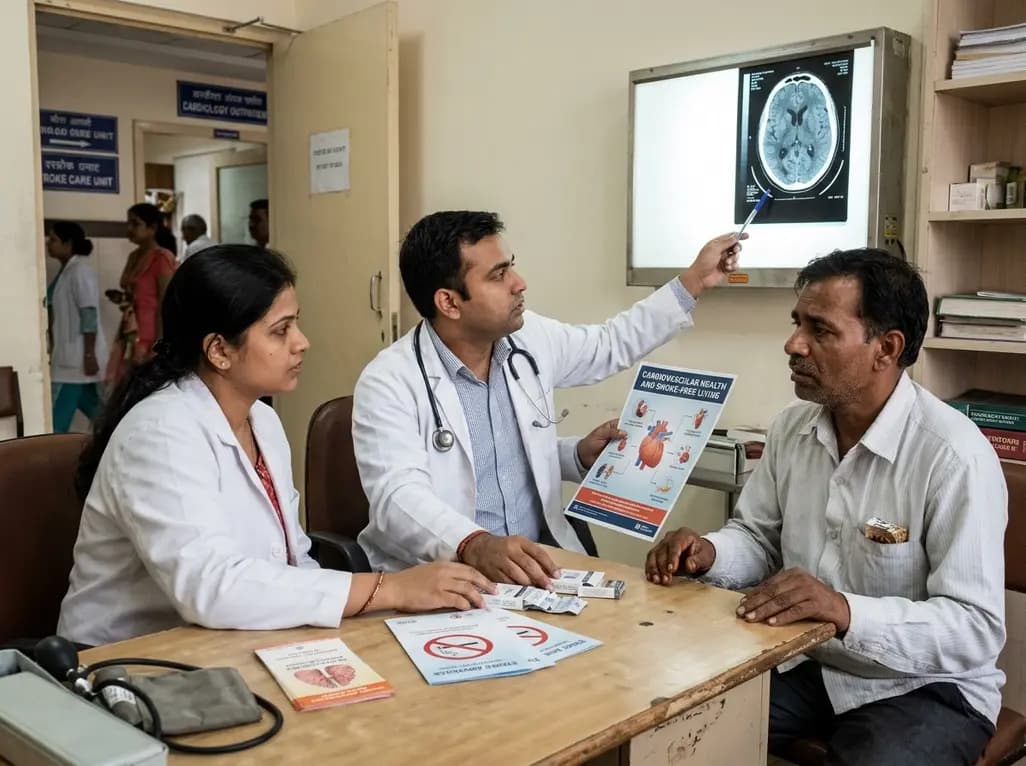
India faces an escalating challenge with vascular diseases, where tobacco use and hypertension together drive substantial cerebrovascular mortality. Addressing nicotine addiction as a clinical neurochemical disorder rather than a lack of willpower is vital for nationwide prevention and sustainable cessation support.
Today
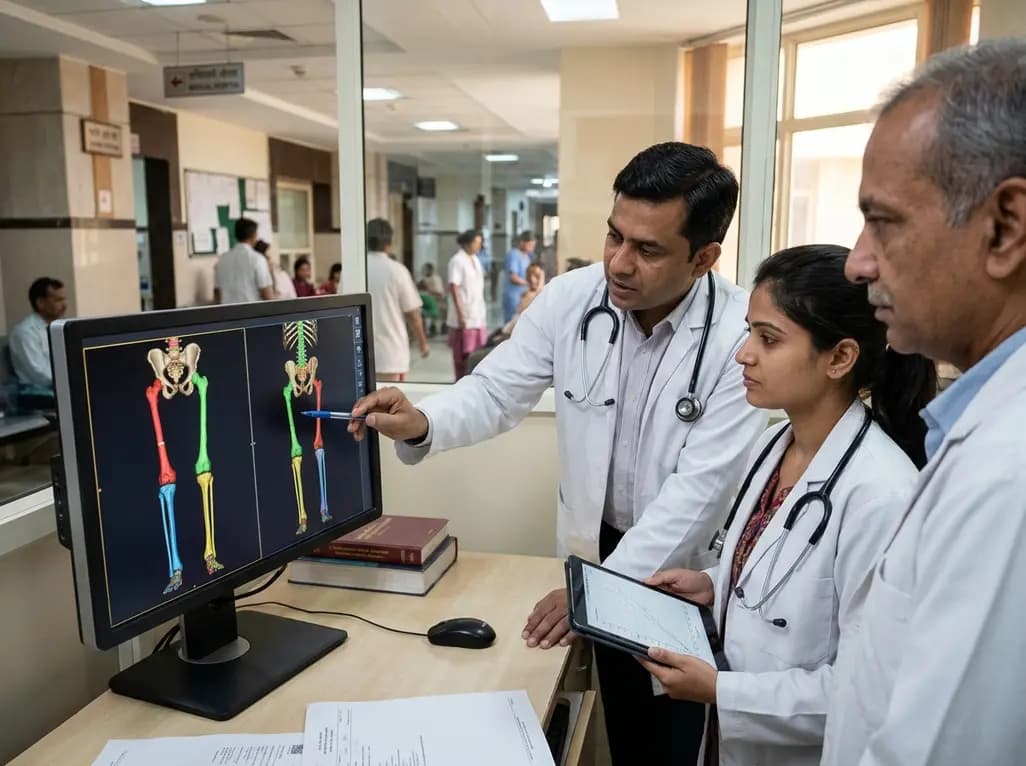
Modern 3D anthropometry reveals that pediatric leg growth ceases years before spinal elongation, exposing the clinical illusion of the classical Anderson-Green model. Learn how segmental growth dissociation improves surgical timing for epiphysiodesis in adolescent leg length discrepancy.
2 days back

With packaged goods giant HUL backing FSSAI's proposed front-of-pack red warning labels for foods high in fat, sugar, and salt, India takes a major step toward curbing non-communicable diseases. Learn how clearer nutrition disclosures empower clinicians, inform consumer choices, and drive dietary reform.
Today
