.webp&w=384&q=75)

Loading, please wait...
Loading, please wait...
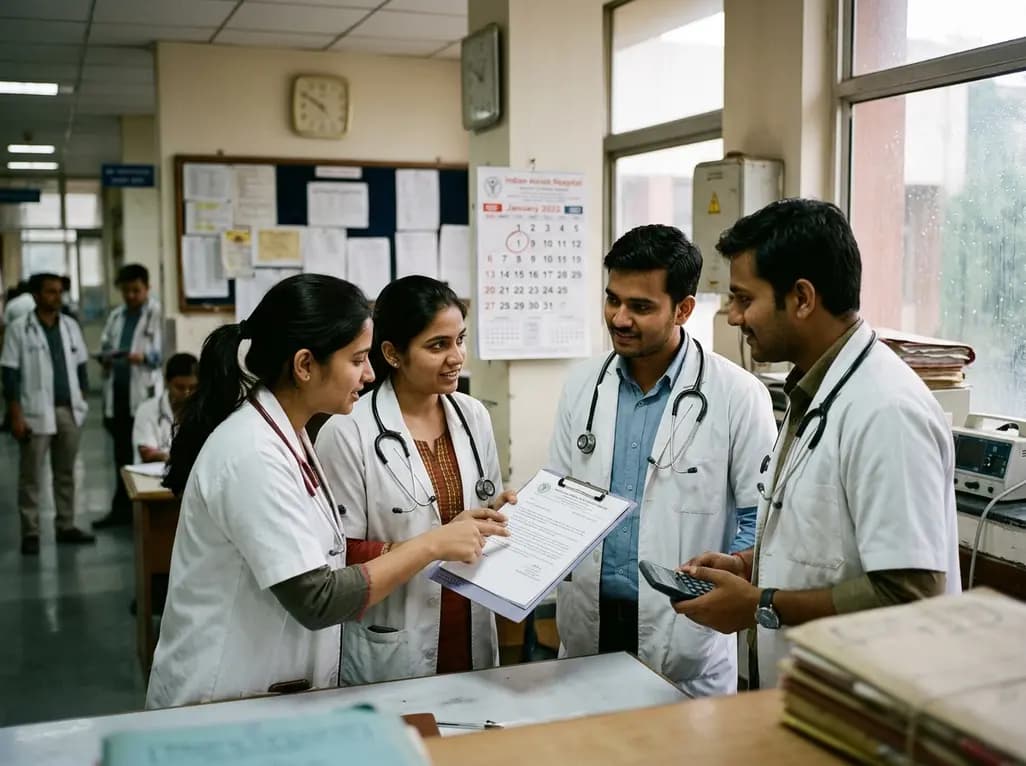
The health ministry is currently evaluating a proposal for an MBBS stipend increase for interns in central government institutions. Recently, a Right to Information (RTI) application revealed that authorities are reviewing the revision after a four-year delay. Consequently, thousands of interns across central medical colleges and AIIMS institutions are eagerly awaiting a favorable decision.
The central government previously followed a strict biennial revision cycle to update medical internship allowances. Specifically, the ministry revised the monthly stipend from Rs 23,500 in 2018 to Rs 26,300 in 2020. Subsequently, the stipend rose to Rs 30,070 starting January 1, 2022. However, the government has announced no further revisions since then, which broke the established six-year cycle.
Answering the RTI application, the health ministry stated on June 15, 2026, that the proposal is under active examination. Currently, competent authorities are reviewing and vetting the policy decision. Nevertheless, the ministry declined to disclose file notings, citing RTI Act exemptions for ongoing decision-making processes.
While central government interns await this update, similar demands are rising across various Indian states. For instance, MBBS interns in Chhattisgarh recently demanded a stipend hike to manage their rising daily living expenses. Similarly, in Jammu and Kashmir, medical interns have been protesting over pending recommendations to double their monthly allowance. These local grievances highlight a broader nationwide discussion regarding the financial support of junior medical professionals.
Additionally, public health activists have frequently raised concerns about stipend disparities between government and private medical colleges. Although the NMC faces criticism over enforcement, it remains the apex body responsible for regulating these guidelines. Therefore, any nationwide policy change regarding stipend structures will require extensive coordination between the ministry and the NMC.
Q1: What is the current stipend for central government MBBS interns?
The current monthly stipend for central government and AIIMS MBBS interns is Rs 30,070, which was last revised on January 1, 2022.
Q2: Why is there a delay in the MBBS stipend increase?
The government previously revised the stipend every two years. However, no official increase has occurred since the January 2022 revision, leading to a four-year gap that is currently under policy review.
Q3: Which institutions would benefit from this stipend revision?
If approved, the revised stipend will benefit medical interns working in central government medical colleges, RML Hospital, Safdarjung Hospital, LHMC, JIPMER, and various AIIMS institutions across India.
Disclaimer: This content is for informational and educational purposes only. It does not constitute medical advice or replace professional judgment. Refer to the latest local and national guidelines for clinical practice.
References

Read summarized clinical updates, watch expert medical content, and earn CME certifications right from your smartphone.
Open your smartphone camera to scan and install.





A recent Right to Information (RTI) response reveals that the Union Health Ministry is actively reviewing a proposal to revise the MBBS internship stipends for central government institutions and AIIMS. The stipend was last hiked to Rs 30,070 in January 2022, missing its typical biennial revision cycle.
3 months ago

A multicenter clinical study evaluates fucosylated alpha-1-acid glycoprotein (P-AGP-FR) as an accurate noninvasive fibrosis marker in chronic hepatitis B and C, demonstrating strong correlation with histological staging and superior specificity compared to conventional surrogate indices.
Today
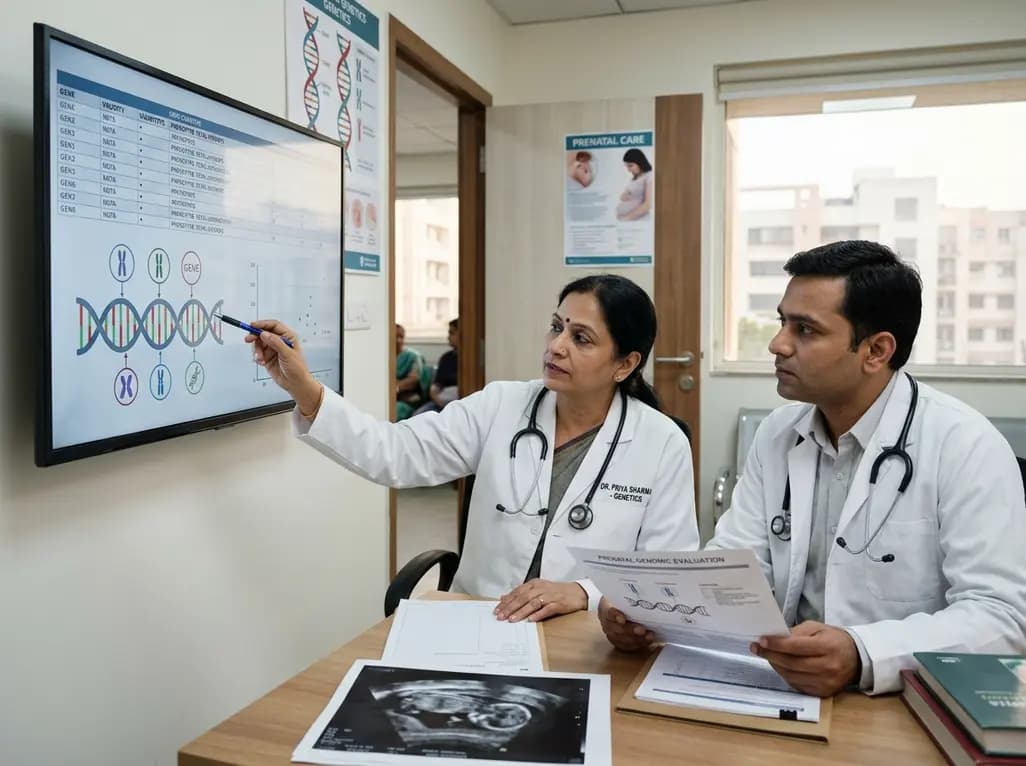
The ClinGen Prenatal Gene Curation Expert Panel evaluated 63 disease relationships across 61 genes, establishing clinical validity for severe fetal phenotypes like hydrops and stillbirth to enhance prenatal genomic interpretation and clinical care.
Yesterday
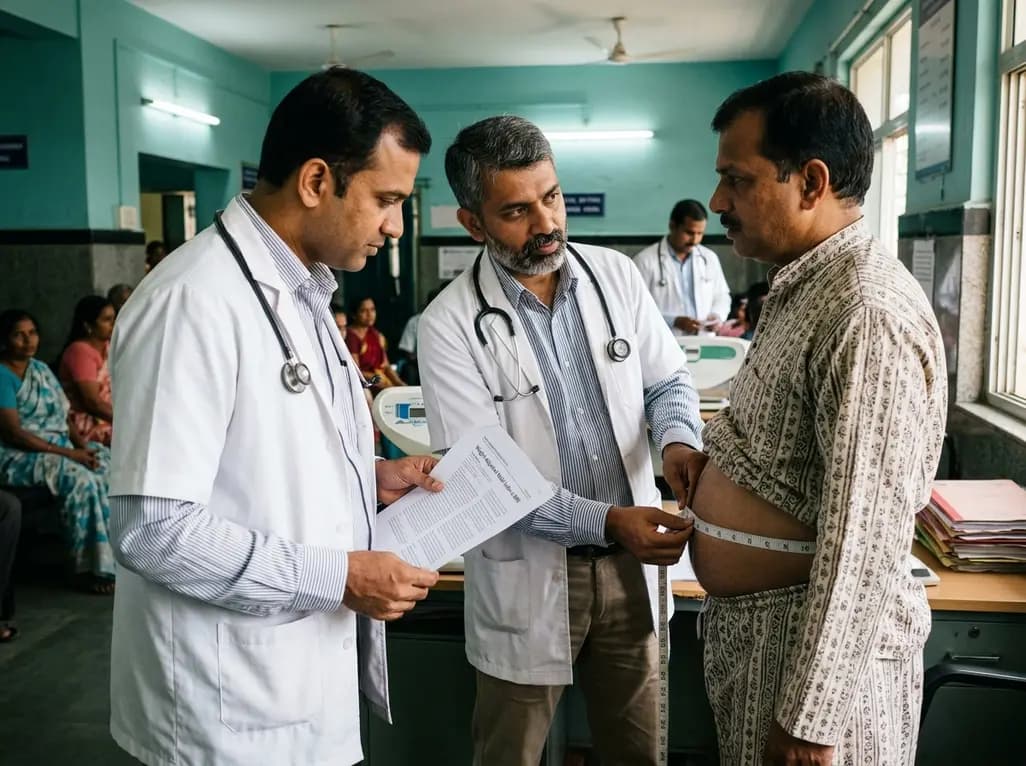
A cohort study demonstrates that the weight-adjusted waist index predicts all-cause and cardiovascular mortality more accurately than BMI and conventional adiposity metrics, offering clinicians a practical anthropometric tool for superior cardiometabolic risk stratification.
Today
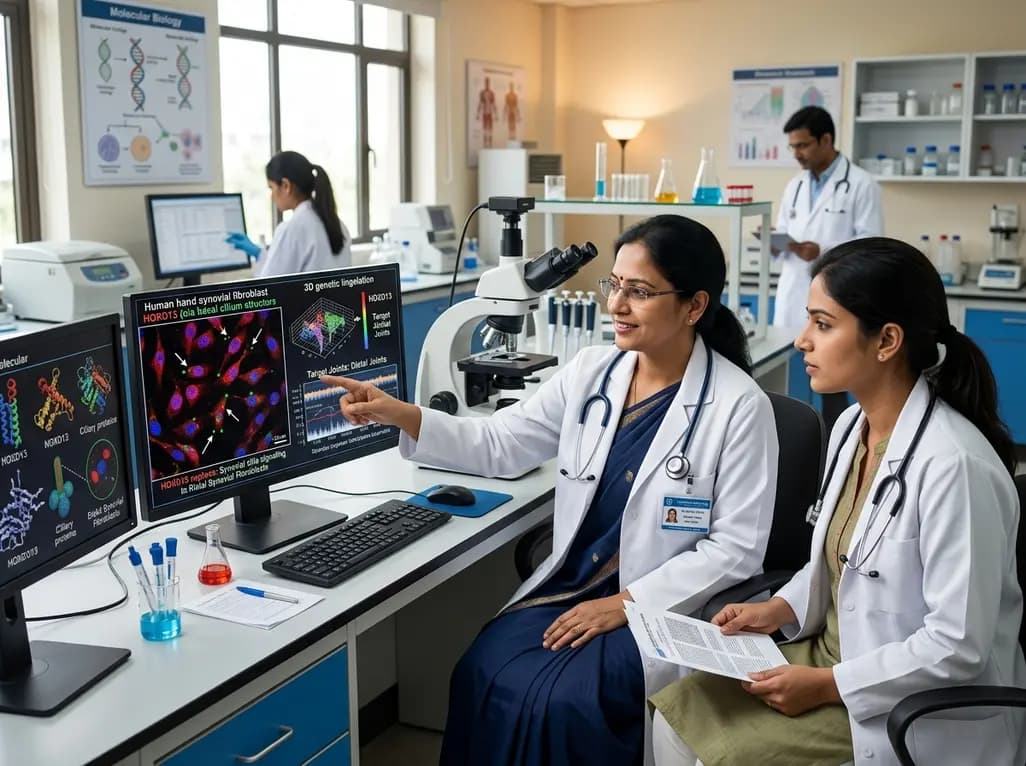
New research reveals that HOXD13 regulates primary cilia signalling and genomic stability in distal synovial fibroblasts, uncovering why conditions like rheumatoid arthritis target specific joints.
Today
A real-world observational study evaluates pediatric isolated growth hormone deficiency patients transitioning to once-weekly somatrogon, showing sustained height velocity, early IGF-1 shifts, and stabilized BMI.
Today
