

Loading, please wait...
Loading, please wait...
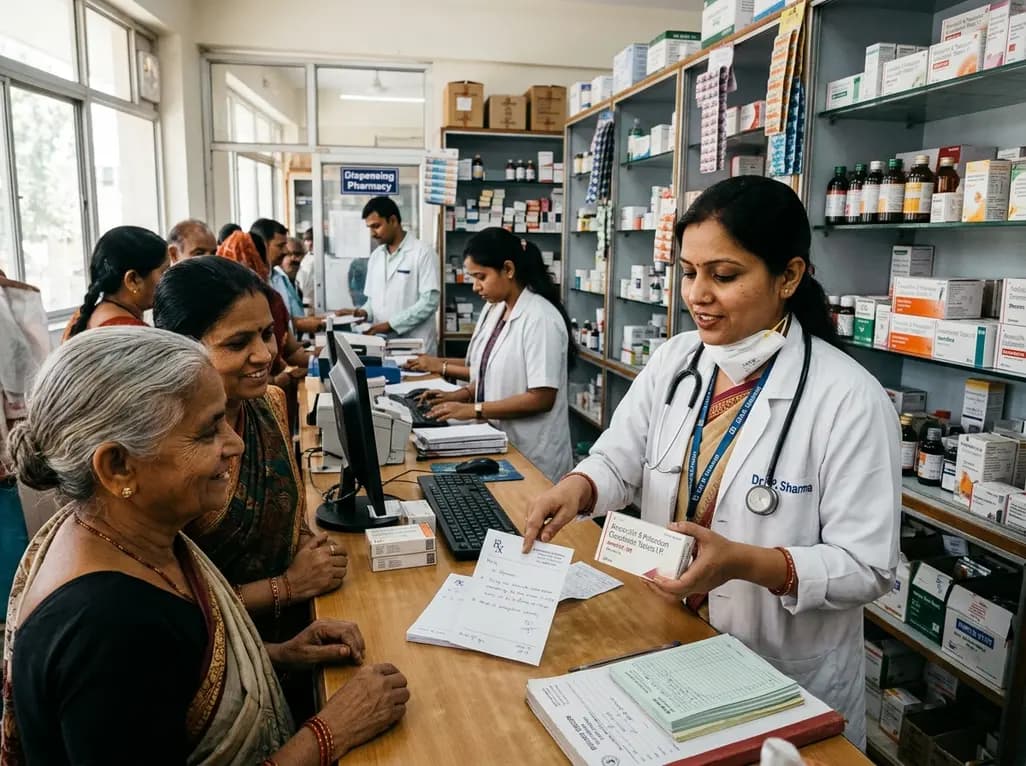
Unchecked antibiotic misuse represents an escalating public health crisis that threatens modern medicine and patient safety across India. Recently, Union Minister of State for Ayush Pratap Jadhav addressed this critical challenge during a convention in Chhatrapati Sambhajinagar. He firmly asserted that pharmacists must lead the fight against irrational drug consumption and self-medication. Because antimicrobial resistance endangers entire communities, clinicians and pharmacists must unite to safeguard essential therapeutic options for future generations.
Antimicrobial resistance poses a grave threat to modern public health and clinical practice throughout India. In fact, rampant antibiotic misuse transforms routine bacterial infections into intractable medical emergencies. When patients access antimicrobials without valid prescriptions, relentless selection pressures favor aggressive multi-drug-resistant pathogens. Consequently, standard first-line empirical regimens fail repeatedly, prolonging hospital stays and exponentially driving up family healthcare expenditures. Moreover, treating resistant nosocomial infections drains valuable hospital resources and complicates surgical outcomes across diverse medical specialties.
Furthermore, improper self-medication remains exceptionally widespread throughout both urban centers and rural villages. Patients frequently consume powerful broad-spectrum antimicrobials for uncomplicated viral upper respiratory illnesses or mild seasonal fevers. In addition, many individuals prematurely discontinue their medication regimens as soon as their initial symptoms subside. Consequently, partially treated bacterial colonies quickly adapt and develop formidable biochemical defenses against standard pharmacology.
Minister Jadhav appropriately highlighted that drug resistance never confines its destruction to an individual patient. Instead, drug-resistant bacterial strains disseminate readily across households, crowded communities, and clinical inpatient units. Therefore, comprehensive antimicrobial stewardship must become an urgent national priority for all health personnel. Clinicians, clinical pharmacists, and regulatory bodies must actively align their daily operational practices. Through unified national surveillance and strict dispensing vigilance, healthcare systems can effectively slow this impending therapeutic emergency.
Community retail pharmacies represent the initial physical point of contact for countless citizens seeking rapid medical relief. Therefore, licensed pharmacists hold an extraordinary opportunity to shape patient behaviors and optimize therapeutic outcomes. Rather than functioning as passive commercial shops, every pharmacy must operate as a trusted health advisory centre. Pharmacists possess the clinical authority to verify prescription authenticity, evaluate indications, and educate patients on medicine safety.
Moreover, pharmacists serve as indispensable clinical bridges between busy diagnosing physicians and vulnerable patients. When dispensing antimicrobials, pharmacists must systematically explain correct dosages, precise administration timing, and total therapy duration. In addition, they must explicitly caution individuals against altering their therapeutic plans without direct physician approval. This structured dialogue successfully prevents unintentional underdosing, toxic overdosing, and dangerous drug-drug interactions in outpatient care.
Furthermore, pharmacy professionals must demonstrate unwavering adherence to national statutory drug dispensing regulations. Specifically, pharmacists must strictly prohibit over-the-counter sales of Schedule H and Schedule H1 antimicrobial preparations. By enforcing mandatory prescription requirements at the retail counter, pharmacists eliminate a primary pathway fueling microbial resistance. Consequently, this persistent professional diligence protects local communities, preserves drug efficacy, and elevates overall pharmacy practice standards nationwide.
Clear, empathetic patient communication constitutes the foundation of effective antimicrobial stewardship in daily practice. Pharmacists must routinely counsel every patient regarding the exact operational method for taking prescribed agents. For instance, dispensers should clarify whether patients must ingest specific tablets with meals or on an empty stomach. Moreover, pharmacists must explain anticipated minor side effects and outline warning signs that require urgent clinical re-evaluation.
In addition, pharmacists must vigorously emphasize the paramount necessity of completing full therapeutic courses. Many patients arbitrarily abandon their medications after two or three days because their primary symptoms improve. However, sub-therapeutic exposure leaves partially inhibited bacteria alive inside tissues, prompting rapid drug adaptation and resistant flare-ups. Pharmacists must explain this dangerous microbiological reality during every consultation to reinforce unbroken patient compliance.
Similarly, pharmacists must instruct families never to share leftover antibacterial medications with acquaintances or relatives. Leftover tablets from an earlier respiratory illness rarely match the causative pathogen or dosage demands of a new infection. Furthermore, pharmacists should teach consumers how to return or safely dispose of expired pharmaceutical stock. Through consistent patient dialogue, pharmacists eradicate unsafe community medication hoarding and establish rational medicine usage across all demographics.
Overcoming multifaceted antimicrobial challenges requires substantial modernization of academic pharmacy curricula across Indian educational institutions. During the state convention, Pharmacy Council of India President Montukumar Patel detailed sweeping educational reforms aligned with the National Education Policy. Specifically, regulators are revising the undergraduate Bachelor of Pharmacy syllabus to incorporate extensive clinical pharmacy competencies. This progressive update equips future practitioners with robust bedside knowledge, pathophysiological understanding, and critical therapeutic decision-making abilities.
Furthermore, council leadership established a specialized industry-academia advisory board to eliminate longstanding training discrepancies. This strategic committee directly harmonizes university classroom instruction with evolving pharmaceutical industrial standards and hospital workflow requirements. To support ambitious academic milestones, statutory bodies allocated two hundred crore rupees toward GPAT scholarships for master-level students. This substantial financial assistance incentivizes bright scholars to pursue advanced specializations in clinical pharmacology.
Additionally, authorities earmarked eighty crore rupees to construct state-of-the-art research centers and specialized skill labs nationwide. Consequently, postgraduate trainees will gain invaluable practical experience in therapeutic drug monitoring, clinical microbiology, and infection surveillance. Through these targeted structural investments, India is actively nurturing an elite cadre of clinical pharmacy specialists. These highly trained professionals will collaborate seamlessly with medical doctors to elevate institutional stewardship programs.
Emerging digital technologies offer unprecedented tools to modernize and amplify antimicrobial stewardship initiatives across the nation. Today, healthcare delivery integrates electronic health records, telemedicine networks, and sophisticated automated diagnostic platforms. Therefore, pharmacists must rapidly adopt digital health solutions into their routine dispensing and inventory workflows. Automated pharmacy dispensing systems can immediately alert dispensers to inappropriate dosing, known drug allergies, or severe therapeutic conflicts.
Moreover, artificial intelligence introduces transformative capabilities for monitoring evolving antimicrobial resistance trends in real time. Machine learning models can analyze local antibiograms and help clinicians identify optimal empirical treatments for complicated presentations. Similarly, intelligent pharmacy algorithms can detect unusual community purchasing spikes that signal unregulated antibiotic dissemination. Consequently, public health regulators and local clinical teams can deploy targeted containment protocols before drug-resistant outbreaks spread further.
Furthermore, digital communication platforms empower pharmacists to support long-term medication adherence through automated cellular text reminders. Tele-pharmacy channels permit structured follow-up consultations, enabling pharmacists to verify symptom resolution and treatment completion remotely. In addition, centralized electronic prescription databases prevent patients from visiting multiple pharmacies to obtain duplicate antimicrobial supplies. By embracing these sophisticated technological interventions, modern pharmacists provide safer care and preserve critical lifesaving medications.
Q1: Why must community pharmacists take an active leadership role against antibiotic misuse?
Community pharmacists represent the final professional checkpoint before patients initiate outpatient antimicrobial therapy. By actively counseling patients, pharmacists ensure correct dosage, administration timing, and treatment duration while answering safety concerns. Furthermore, pharmacists intercept inappropriate over-the-counter sales of Schedule H and H1 antibiotics. Consequently, this decisive clinical intervention prevents unnecessary drug exposure and protects broad-spectrum antimicrobials from rapid resistance development across society.
Q2: How do recent Pharmacy Council of India curricular reforms strengthen antimicrobial stewardship?
The Pharmacy Council of India aligned the pharmacy curriculum with the National Education Policy by emphasizing clinical pharmacy, artificial intelligence, and bedside therapeutics. Moreover, government authorities allocated substantial funding for post-graduate scholarships and specialized research centres. These progressive educational investments provide pharmacy graduates with advanced pharmacological training. Consequently, upcoming practitioners can collaborate effectively with medical teams and spearhead institutional antimicrobial stewardship programs.
Q3: What clinical hazards occur when patients discontinue antibiotics early or share leftovers?
Discontinuing antibiotics prematurely leaves partially suppressed bacterial colonies alive within infected tissues. Consequently, these surviving pathogens mutate rapidly and generate dangerous antimicrobial resistance, causing recurrent infections that standard drugs cannot cure. Furthermore, sharing leftover medications exposes other individuals to incorrect dosages, inappropriate therapeutic choices, and severe drug interactions. Therefore, pharmacists must instruct patients to complete every prescribed regimen and safely discard unused medicines.
Disclaimer: This content is for informational and educational purposes only. It does not constitute medical advice or replace professional judgment. Refer to the latest local and national guidelines for clinical practice.
References

Read summarized clinical updates, watch expert medical content, and earn CME certifications right from your smartphone.
Open your smartphone camera to scan and install.





Union Minister Pratap Jadhav highlights the pivotal role of pharmacists in fighting antibiotic misuse and antimicrobial resistance. By championing rational medicine use, patient counseling, and curriculum modernization, community pharmacists stand as vital guardians of public health across India.
Today
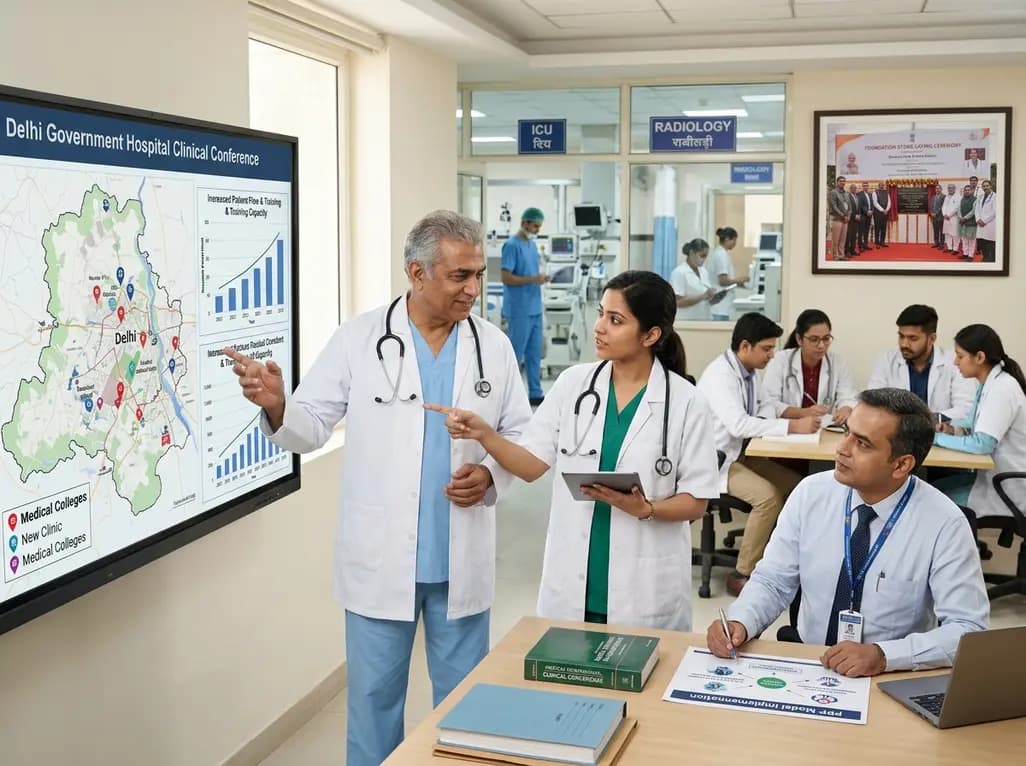
Delhi is undergoing a major healthcare overhaul with enhanced Ayushman Bharat insurance up to ₹10 lakh, increased MBBS and PG medical training seats, expanded primary network mandirs, new tertiary neuro-ICUs, and public-private reproductive technology initiatives to build a resilient, preventative healthcare model.
Today
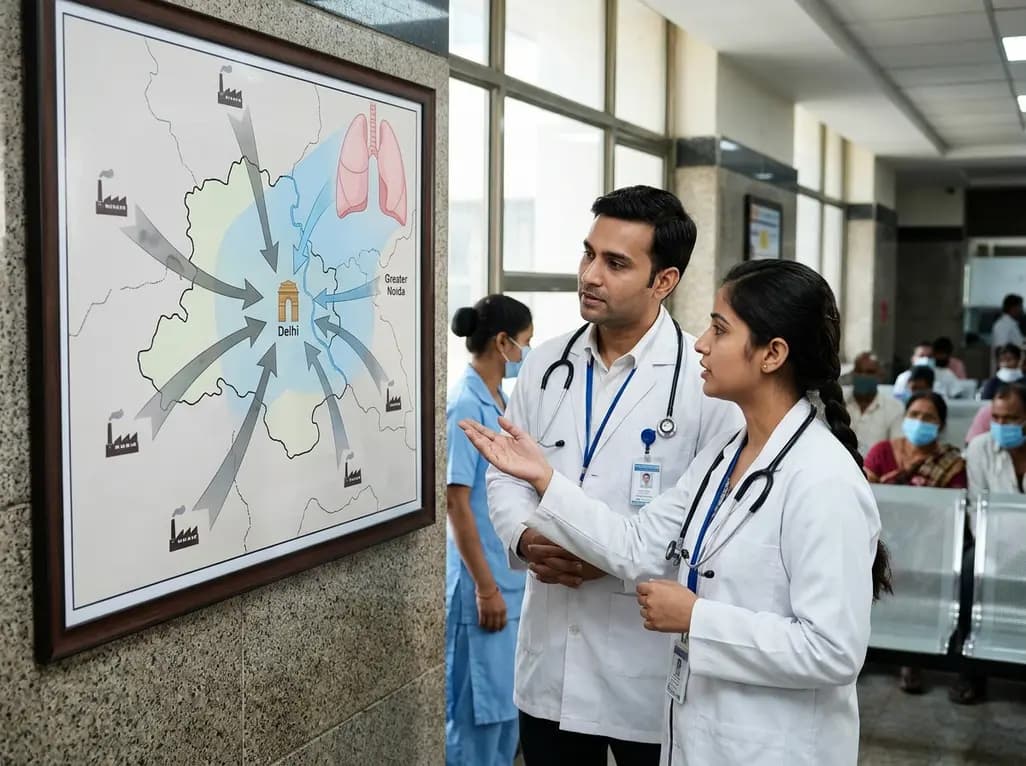
A landmark NIAS study reveals that regional airshed interventions can slash northern India's fine particulate levels by up to 60%. Discover the profound clinical implications of targeted emission curbs on cardiopulmonary health, chronic respiratory diseases, and population-level preventative strategies.
Today
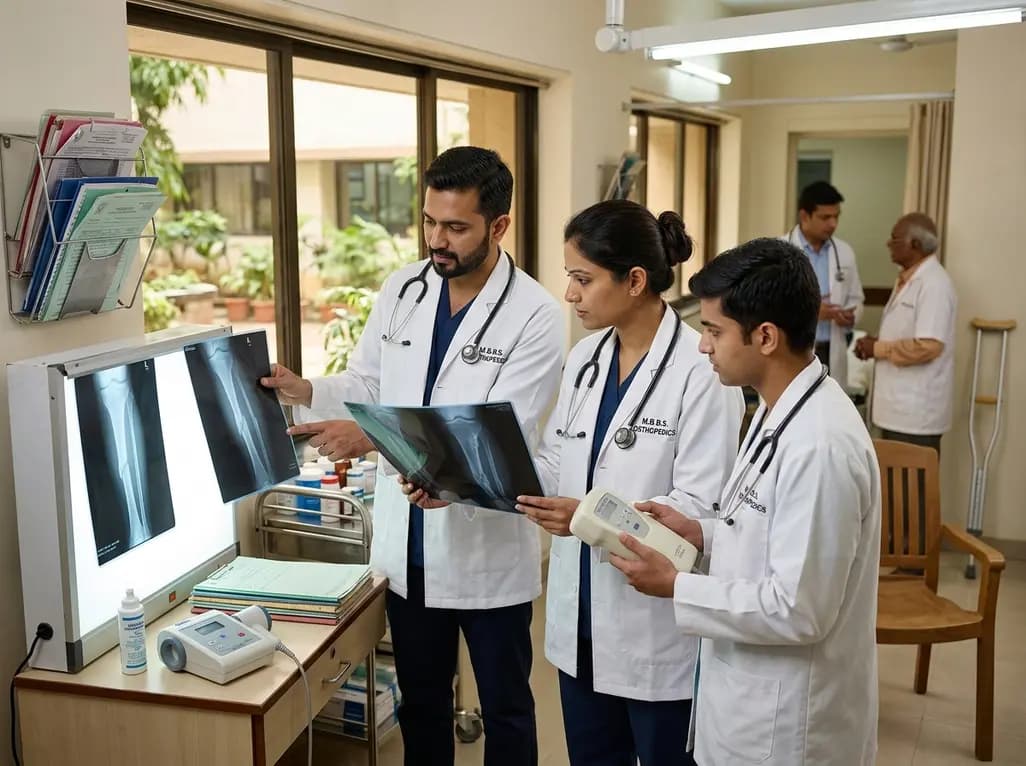
Non-union fractures occur in 2-5% of cases, causing significant disability and cost. Conservative modalities such as LIPUS, PEMF, and focused ESWT offer non-surgical healing options for defects up to 5-10 mm when adequate mechanical stability exists without infection.
Today

A Brazilian birth cohort reveals significant sex-specific associations between preterm birth and adolescent adiposity, underscoring the urgent need for targeted long-term cardiometabolic surveillance and tailored clinical monitoring.
Today
