.webp&w=384&q=75)

Loading, please wait...
Loading, please wait...
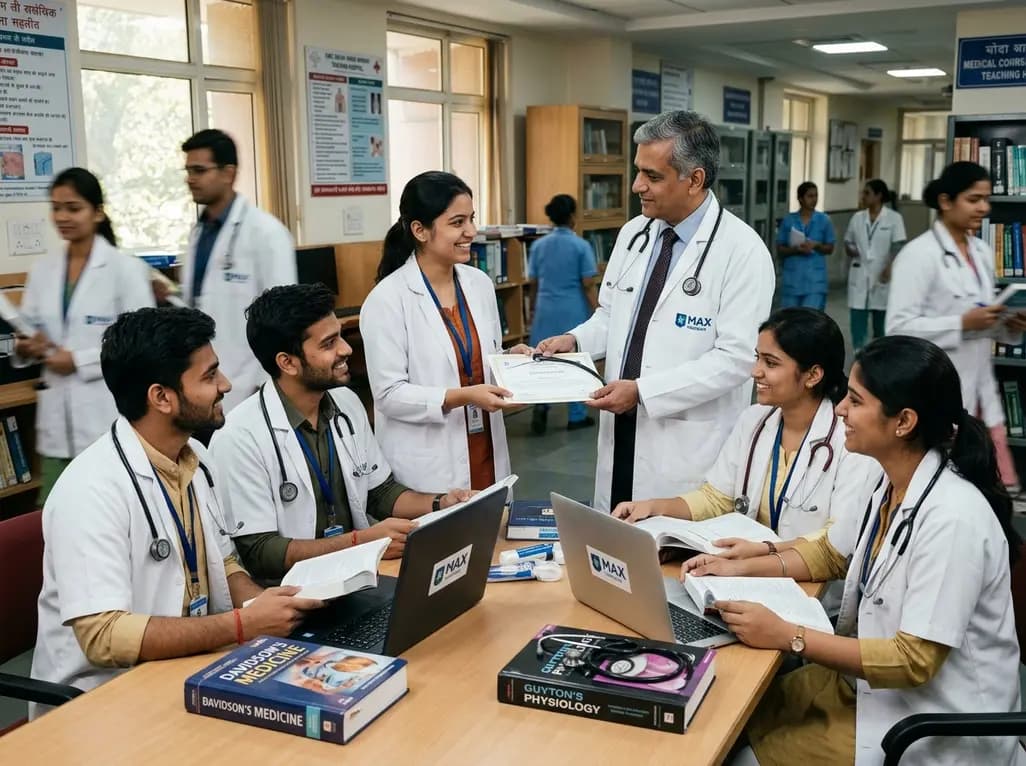
The pursuit of an undergraduate medical education in India demands exceptional academic dedication and significant financial resources. To mitigate these economic barriers, the Max Healthcare Foundation has significantly broadened its flagship Max Medical Scholarship initiative. Under this revised framework, the foundation now offers full funding for up to 250 meritorious students admitted to government medical colleges. Previously, the programme supported 100 students each year. Consequently, this substantial expansion represents a massive step toward inclusive healthcare education. Many qualifying candidates clear the rigorous National Eligibility cum Entrance Test with outstanding marks. However, severe socioeconomic hurdles often jeopardize their professional journeys. By providing extensive multi-year backing, this initiative empowers future clinicians from disadvantaged backgrounds. Therefore, the expanded intervention strengthens national healthcare human resources and champions equity across the medical fraternity.
Over the past three academic cycles, the initiative has successfully supported 245 medical scholars across the country. The current expansion to 250 new scholars in a single academic year demonstrates an unprecedented organizational commitment. Furthermore, the foundation maintains uninterrupted funding for existing beneficiaries as they transition into their advanced training years. This sustained continuity ensures that previous awardees in their second, third, and fourth MBBS years continue their clinical curricula without disruption. As a result, hundreds of deserving candidates can concentrate fully on rigorous academic and clinical duties. Corporate social responsibility initiatives in healthcare frequently focus on infrastructure development or tertiary care donations. In contrast, investing directly in the foundational training of young doctors creates exponential long-term social value. Moreover, medical students often incur substantial ancillary expenses during clinical rotations. By absorbing these comprehensive financial liabilities, the foundation shields young doctors from catastrophic household debt. Therefore, the expanded intake actively prevents attrition among vulnerable medical undergraduates. Ultimately, this scalable philanthropy serves as an exemplary model for corporate participation in medical education. Additionally, institutional leaders recognize that financial peace of mind enhances cognitive performance during high-stakes medical examinations. Consequently, the foundation aims to build an enduring ecosystem that fosters academic excellence and empathetic community service throughout India.
The expanded program now covers premier government medical colleges across eight strategic cities in India. Specifically, the initiative encompasses accredited institutions in Delhi NCR, Mumbai, Nagpur, Lucknow, Mohali, Dehradun, Bathinda, and Bhubaneswar. As a consequence of this geographical dispersion, the scholarship reaches talented youth across diverse regional healthcare ecosystems. Government medical colleges in these regions train doctors who routinely manage high patient volumes and complex pathologies. However, many students in these state facilities encounter significant cost-of-living challenges in major urban hubs. For example, accommodation, academic supplies, and mandatory local transport place heavy financial strains on families with limited income. Therefore, establishing a broad geographical footprint ensures that regional diversity flourishes within premier academic hospitals. Furthermore, doctors trained in these public teaching hospitals gain extensive bedside clinical experience. When corporate foundations support students within these high-volume centres, local public health services derive substantial direct benefits. Thus, the deliberate inclusion of tier-one and tier-two centres democratizes access to elite medical training. Overall, this regional distribution strengthens tertiary hospital capacity across North, Central, and Eastern India. Additionally, the pan-Indian presence allows scholars from varied socioeconomic realities to share perspectives during collaborative medical training workshops. Consequently, regional disparities in specialist talent development gradually diminish over time.
Medical education requires substantial expenditures that extend far beyond baseline tuition fees. Consequently, the foundation designed a comprehensive assistance package that addresses all dimensions of a medical student's life. The scholarship covers full tuition fees for the entire five-year MBBS program. In addition, selected scholars receive essential diagnostic tools, such as professional stethoscopes, bone sets, and dissection instruments during their first year. These physical medical tools allow students to practice clinical examination techniques without personal financial hardship. Furthermore, the program provides each awardee with a dedicated personal laptop to facilitate modern digital learning. Access to current clinical databases, e-learning platforms, and medical research journals has become essential in undergraduate training. Therefore, hardware provision directly bridges the digital divide that often hinders underprivileged candidates. Additionally, the scholarship includes official medical textbooks and a dependable monthly living stipend. This monthly allowance covers personal maintenance and boarding expenses. Moreover, recipients receive personalized clinical mentorship from senior consultants at Max Healthcare. Thus, the program combines material resources with professional guidance to ensure comprehensive personal and clinical development. Consequently, scholars acquire both foundational scientific understanding and practical bedside competence under the direct supervision of experienced specialists. Hence, this dual focus on financial stability and clinical mentorship builds resilient future physicians.
To ensure maximum integrity and impact, the foundation employs a transparent, multi-stage evaluation mechanism. Applicants must be Indian citizens from economically weaker sections who have successfully cracked the competitive NEET examination. Furthermore, candidates must have secured confirmed admission to an accredited government medical college in the designated regions. The application window commenced on September 16, 2026, offering candidates a focused period to register their dossiers. Following initial registration, a specialized selection panel reviews each application against strict socioeconomic and academic criteria. Specifically, candidates must submit certified Class XII marksheets, official NEET scorecards, and verified family income certificates. Shortlisted applicants subsequently undergo detailed personal interviews conducted by an independent jury of medical experts and educators. Moreover, final selection requires thorough verification of all mandatory administrative documentation. As a result of this meticulous screening, the scholarship targets students who possess genuine financial need and exceptional academic grit. Additionally, award continuation remains contingent upon regular performance appraisals throughout the five-year undergraduate tenure. Therefore, the selection architecture balances rigorous social audit with academic accountability. Consequently, this structured evaluation process guarantees that assistance reaches truly deserving candidates who lack alternate funding sources. Thus, the entire vetting protocol reinforces public trust and sustains educational meritocracy.
India currently faces a severe shortage of healthcare professionals, particularly in underserved peri-urban and rural regions. However, high educational expenses frequently deter economically disadvantaged youths from pursuing long medical degrees. When talented candidates from humble backgrounds drop out or avoid medical careers, healthcare diversity suffers immensely. Furthermore, doctors who originate from underserved communities frequently exhibit higher empathy toward marginalized patient cohorts. Therefore, supporting low-income students helps construct a representative and equitable healthcare delivery model. Corporate social responsibility initiatives that fund medical seats directly assist national health capacity building. Moreover, state-run medical colleges offer unparalleled bedside clinical exposure at subsidized tuition rates. Nevertheless, ancillary costs often push impoverished families into exploitative private debt. By eliminating these financial bottlenecks, the foundation enables young doctors to focus on mastering critical clinical competencies. Additionally, this financial security permits students to explore primary care, internal medicine, and emergency specialties without urgent debt pressure. Consequently, targeted philanthropy in medical education generates transformative societal returns. Ultimately, private sector investments in future clinicians bolster national resilience against public health emergencies. Hence, this scholarship paradigm creates a sustainable pathway for bright students to lift their families out of poverty while healing communities. Thus, institutional philanthropy effectively aligns private capital with public healthcare goals.
Q1: What financial and academic expenses does the scholarship program cover?
The scholarship fully covers tuition fees for the entire five-year MBBS degree program in government colleges. Additionally, the package includes a personal laptop, standard medical textbooks, and diagnostic clinical tools such as stethoscopes, bone sets, and dissection kits. Furthermore, selected scholars receive a monthly stipend for living costs alongside clinical mentorship from experienced healthcare professionals.
Q2: Which students are eligible to apply for this medical scholarship?
Applicants must be Indian citizens belonging to economically weaker sections who have cleared the NEET examination. Furthermore, they must have secured admission to an MBBS program at an accredited government medical college in Delhi NCR, Mumbai, Nagpur, Lucknow, Mohali, Dehradun, Bathinda, or Bhubaneswar. In addition, candidates must submit authentic family income records and valid academic credentials during registration.
Q3: How does the foundation select candidates for the expanded scholarship?
The foundation utilizes a multi-tiered selection framework that evaluates academic merit and verified economic need. First, an administrative team screens all online submissions, NEET ranks, and income documentation. Subsequently, shortlisted candidates participate in structured personal interviews with an expert selection panel. Finally, successful candidates receive the scholarship subject to periodic performance reviews throughout their five-year medical tenure.
Disclaimer: This content is for informational and educational purposes only. It does not constitute medical advice or replace professional judgment. Refer to the latest local and national guidelines for clinical practice.
References

Read summarized clinical updates, watch expert medical content, and earn CME certifications right from your smartphone.
Open your smartphone camera to scan and install.





Max Healthcare Foundation has expanded its flagship medical scholarship to fund up to 250 MBBS students in government medical colleges across eight major Indian cities. The comprehensive initiative provides full tuition coverage, essential diagnostic kits, books, laptops, and living allowances for five academic years.
Today

A novel cluster analysis of real-world datasets reveals four distinct CPPD disease phenotypes, validating existing EULAR categories while uncovering previously unrecognized monoarticular and axial presentations to refine patient management.
Today
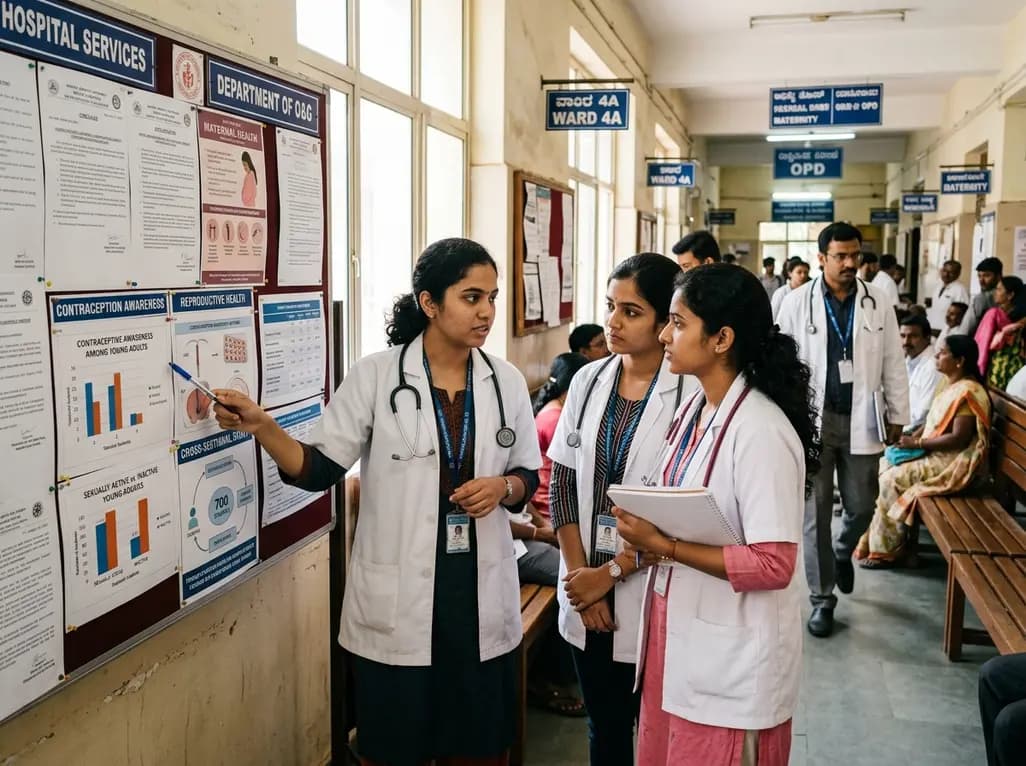
A cross-sectional study of 700 college students highlights significant contraceptive knowledge disparities between sexually active and inactive young adults. The findings demonstrate a critical need for proactive, comprehensive sexual health counseling before sexual debut.
Today
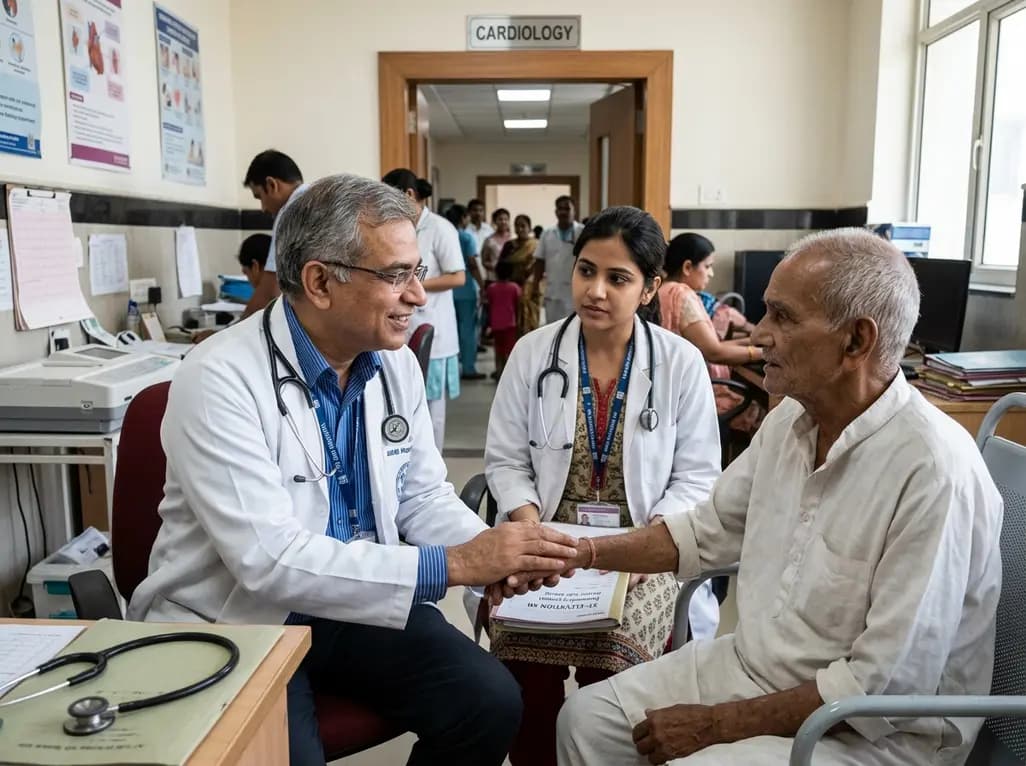
A landmark nationwide cohort study reveals that older adults with dementia who undergo cardiac catheterization for STEMI spend meaningful time alive at home, particularly community-dwelling individuals. Cognitive impairment alone should not preclude acute invasive revascularization.
Today
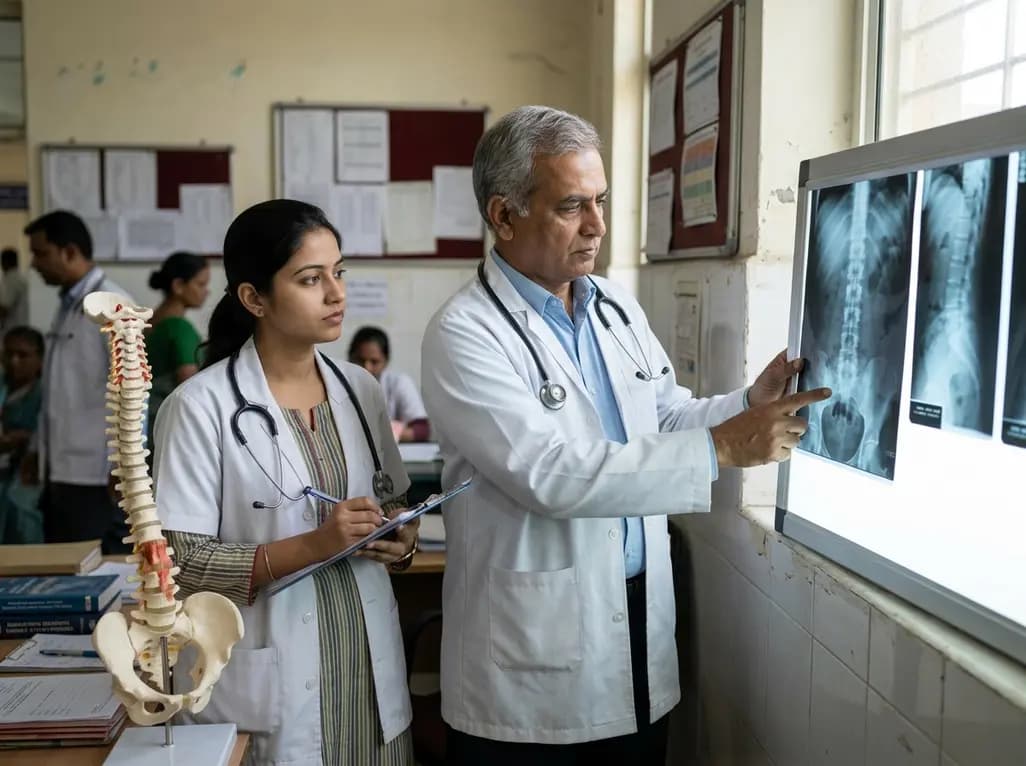
A 20-year Swiss registry analysis reveals that diagnosing axial spondyloarthritis within two years of symptom onset significantly lowers spinal structural damage over 10 to 15 years. Early detection protects against syndesmophyte formation, underscoring the critical need to shorten diagnostic delays.
Today
A randomized controlled trial demonstrates that theory-driven personalized mobile messaging reduces the risk of consecutive walking goal failures by 33 percent, highlighting the vital role of digital health tools in sustaining long-term exercise habits and chronic disease prevention.
Today
