

Loading, please wait...
Loading, please wait...
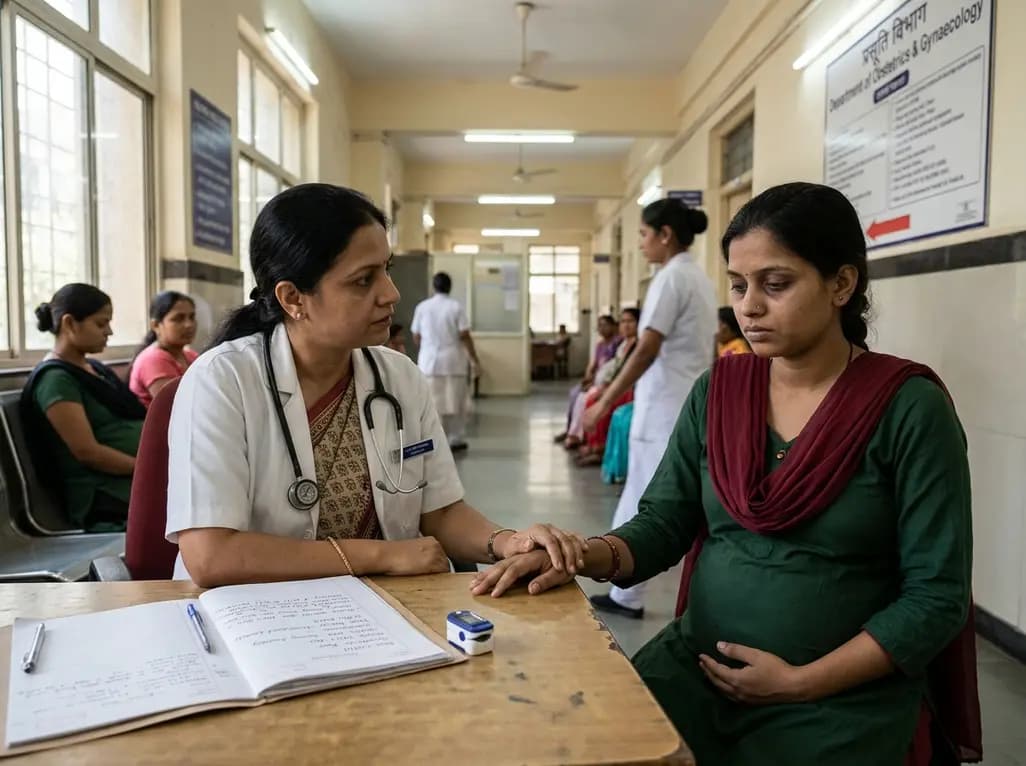
The SARS-CoV-2 pandemic has created enduring clinical challenges for perinatal medicine, especially regarding long-term physiological and psychological recovery. Gestational physiology involves complex endocrine and immunologic adaptations that interact unfavorably with acute viral pathogens. Consequently, emerging clinical evidence highlights that maternal sleep disturbances represent a widespread complication following viral exposure. Expectant mothers recovering from infection frequently experience disrupted sleep architecture, severe nighttime awakenings, and insomnia. Furthermore, these sleep impairments frequently co-occur with affective disorders, creating a cycle of psychological vulnerability. Clinicians must identify these intersecting sequelae early to preserve maternal wellbeing.
A comprehensive matched cross-sectional study evaluated post-acute symptoms across pregnant and non-pregnant populations. Investigators enrolled 1,868 female participants, categorizing them into four distinct cohorts. These cohorts comprised non-pregnant women without past infection, non-pregnant women with confirmed prior infection, pregnant women without infection, and pregnant women recovering from SARS-CoV-2. Through this rigorous comparative design, researchers successfully isolated the compounding impacts of gestation and viral illness.
The epidemiological results revealed substantial clinical differences among these matched cohorts. Specifically, pregnant women with prior infection presented with significantly higher baseline comorbidities than non-pregnant individuals. In addition, this pregnant group experienced significantly higher acute hospitalization rates during initial viral illness. These observations demonstrate that gestation elevates vulnerability during acute infection, resulting in durable physiological consequences. Moreover, pre-existing cardiometabolic or respiratory disorders amplified initial infection severity and delayed functional recovery. Therefore, the study emphasizes that underlying systemic risks intersect with gestational adaptations. Obstetricians must evaluate past viral infection history when assessing patients with chronic conditions during routine prenatal visits.
Sleep architecture experiences physiological alterations during normal pregnancy due to anatomical shifts and hormonal fluctuations. However, prior viral exposure significantly intensifies maternal sleep disturbances. Study findings indicated that past COVID-19 infection consistently correlated with poorer sleep quality and frequent nocturnal awakenings. This deterioration occurred across all infected participants, but pregnant women experienced distinctively severe sleep deficits.
In particular, pregnant women with prior infection reported significantly shortened nightly sleep duration. Many affected participants routinely obtained less than six hours of sleep per night. Furthermore, participants experienced reduced sleep efficiency, persistent morning unrefreshment, and severe daytime exhaustion. These symptoms suggest substantial disruption of the homeostatic sleep drive and circadian alignment. Consequently, continuous sleep fragmentation impairs maternal metabolic health, weakens cellular immunity, and intensifies physical fatigue. Clinicians should not dismiss these persistent sleep problems as normal gestational discomfort. Instead, healthcare teams must recognize chronic insomnia as a post-acute viral complication that warrants structured clinical attention and supportive intervention.
Post-acute sequelae of COVID-19 encompass diverse neuropsychiatric symptoms that degrade maternal quality of life. In this matched cohort, pregnant women recovering from infection demonstrated markedly elevated levels of anxiety and depressive symptoms. The psychological burden of post-viral recovery coincided with normal perinatal emotional adjustments, creating profound distress.
Importantly, these psychological manifestations displayed a strong bidirectional association with impaired sleep quality. When restorative sleep diminishes, emotional stability and cognitive coping strategies deteriorate rapidly. As a result, affected mothers experience heightened panic, depressive thoughts, and persistent emotional exhaustion. Moreover, executive dysfunction and concentration difficulties hinder daily routines, reinforcing feelings of maternal distress. Therefore, clinicians must recognize the interconnected pathology linking sleep disruptions with affective disorders. These symptoms do not operate independently; rather, sleep loss directly fuels emotional dysregulation. Early psychiatric screening allows clinicians to detect vulnerable women promptly. Timely interventions help prevent long-term postpartum mood disorders and protect the mother-infant relationship.
The convergence of viral illness and gestational physiology triggers intricate neuroendocrine and inflammatory cascades. Normal pregnancy requires precise immune modulation to prevent fetal rejection while preserving maternal defense. However, SARS-CoV-2 infection incites prolonged systemic immune activation, endothelial injury, and persistent cytokine release. This inflammatory response often persists long after acute viral clearance.
Furthermore, pro-inflammatory cytokines such as interleukin-6 and tumor necrosis factor-alpha easily access the central nervous system. These circulating mediators alter neurotransmitter systems that regulate sleep-wake cycles and mood stability. Specifically, neuroinflammation disrupts serotonin synthesis and impairs pineal melatonin secretion, directly altering circadian rhythms. Simultaneously, elevated gestational progesterone and cortisol concentrations alter neural excitability and stress reactivity. Consequently, when chronic post-viral neuroinflammation interacts with pregnancy-related endocrine changes, maternal neural pathways experience profound disruption. This combined biological stress explains why infected pregnant women suffer from persistent insomnia, fragmented sleep, and affective distress. Understanding these pathways provides a rational foundation for targeted neuroprotective therapies.
In Indian healthcare environments, clinicians must proactively identify post-viral sleep and psychological complications during routine antenatal consultations. Family members and expectant mothers frequently dismiss severe insomnia and mood swings as normal pregnancy symptoms. Consequently, pregnant women rarely report chronic sleep disturbances to their obstetricians, leading to substantial underdiagnosis across outpatient clinics.
Moreover, busy antenatal clinics often face high patient volumes that limit extensive psychological evaluations. Overburdened physicians typically focus on obstetric examinations, blood pressure monitoring, and fetal growth assessments. Nevertheless, chronic sleep deprivation significantly increases risks of preeclampsia, gestational diabetes, and adverse neonatal outcomes. Therefore, obstetricians must incorporate brief screening tools into standard visits. Validated instruments like the Pittsburgh Sleep Quality Index and the Edinburgh Postnatal Depression Scale facilitate rapid assessment. Additionally, clinicians should prioritize non-pharmacological interventions, including cognitive behavioral therapy for insomnia and structured sleep hygiene. Frontline healthcare workers can educate families, ensuring early identification of vulnerable mothers across primary care settings.
Prior SARS-CoV-2 infection impairs maternal sleep through persistent systemic inflammation and neuroendocrine dysregulation. Pro-inflammatory cytokines perturb central circadian pacemakers and disrupt melatonin secretion in the brain. Consequently, pregnant women frequently experience severe sleep fragmentation, frequent nighttime awakenings, and substantially shortened total sleep duration. When combined with gestational physical discomforts, post-viral physiological alterations prevent deep, restorative slow-wave sleep, leading to pronounced daytime fatigue and persistent somnolence.
Pregnancy induces physiological adaptations, including elevated oxygen demand, altered respiratory mechanics, and specialized immune modulation designed to protect the developing fetus. However, these maternal adaptations reduce functional pulmonary reserve and elevate vulnerability to severe viral respiratory illness. Furthermore, pregnant individuals with SARS-CoV-2 frequently present with pre-existing comorbidities like hypertension or diabetes. Consequently, systemic complications develop rapidly during acute infection, requiring intensive monitoring and higher rates of hospital admission to ensure fetal and maternal survival.
Obstetricians should screen expectant mothers using validated self-report instruments during routine antenatal checkups. Specifically, clinicians can administer the Pittsburgh Sleep Quality Index to evaluate sleep duration, latency, and nocturnal awakenings. Concurrently, providers should utilize the Edinburgh Postnatal Depression Scale and Generalized Anxiety Disorder assessment to identify co-occurring psychological distress. Early screening distinguishes acute post-viral sequelae from routine pregnancy discomforts, facilitating prompt non-pharmacological interventions such as behavioral therapy and individualized sleep hygiene guidance.
Disclaimer: This content is for informational and educational purposes only... Refer to the latest local and national guidelines for clinical practice.
References

Read summarized clinical updates, watch expert medical content, and earn CME certifications right from your smartphone.
Open your smartphone camera to scan and install.





A matched cross-sectional study shows prior COVID-19 infection significantly increases maternal sleep disturbances, shortens sleep duration, and elevates psychological symptoms in pregnant women compared to uninfected peers, underscoring the urgent need for structured antenatal screening and support.
Today
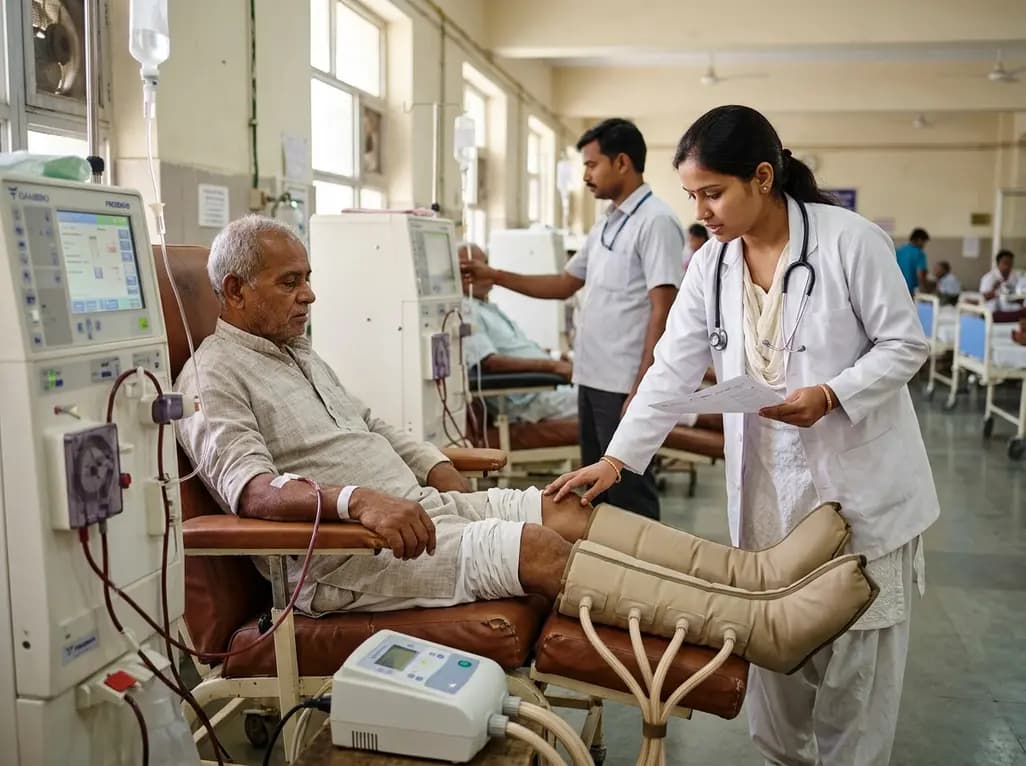
A pilot randomized trial demonstrates that applying intermittent pneumatic compression during hemodialysis sessions significantly enhances 6-minute walking capacity and improves specific quality of life domains, offering a non-invasive supportive therapy for end-stage kidney disease patients.
Today

A cross-sectional study of 948 police officers reveals an active-but-sedentary pattern. While 84.4% met WHO activity guidelines, 31.9% sat for ≥6 hours daily. Operational roles had lower sedentary odds, whereas desk assignments heightened sitting risks, emphasizing role-specific occupational health interventions.
Today

A recent Canadian study evaluates the relationship between hormonal contraceptive use, sport discipline, and volumetric bone density in elite female athletes. Using HR-pQCT, researchers found no clinically meaningful deficits, offering reassuring evidence for sports medicine and gynecology clinicians.
Today
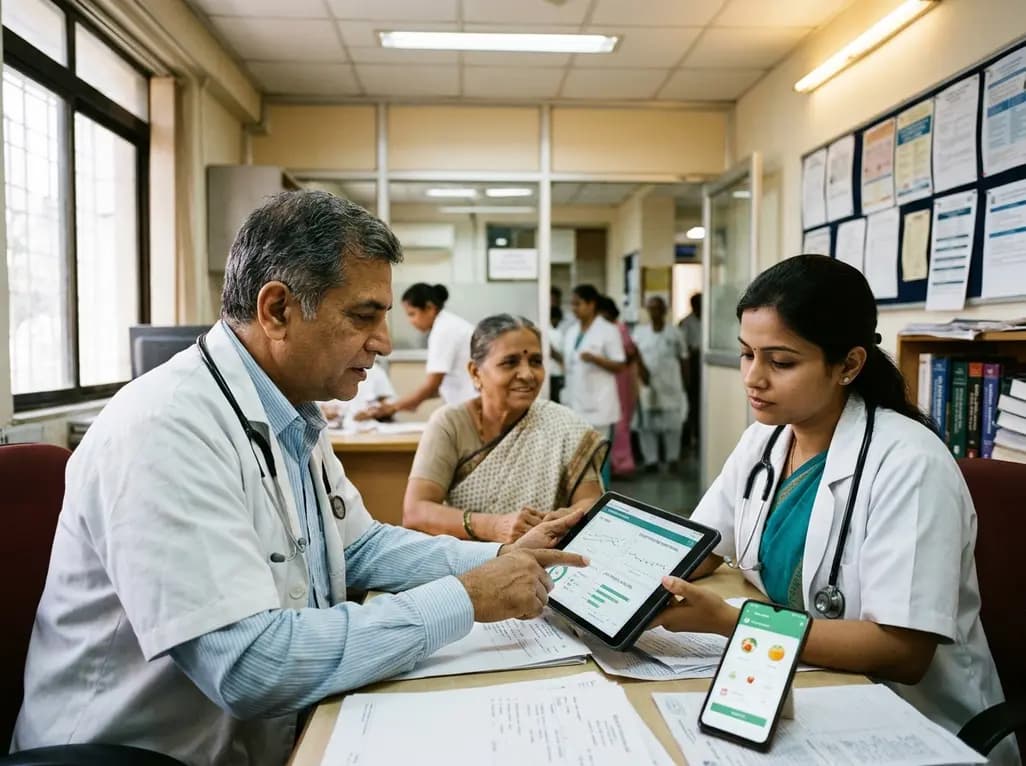
A real-world panel study reveals that an automated diet management app significantly improves BMI, blood pressure, and lipid profiles in employees. Frequent meal self-monitoring yielded distinct sex- and age-specific cardiometabolic benefits, highlighting the clinical potential of digital lifestyle interventions.
Today
